
Client Profile
Based in Burnsville, Minnesota, KitchenSupply Family of Brands builds a portfolio of premium kitchen brands — Escali scales and thermometers, Maverick temperature tools, Joyce Chen Asian kitchenware, Lexa handcrafted bamboo serveware, Old Stone Pizza Kitchen baking stones, and The London Sip coffee and tea tools. A large share of that catalog is heavy, brittle, or both: ceramic baking stones, glass brewers, thin carbon-steel woks, and hand-shaped bamboo serveware.
Damages had scaled with volume. Ceramic stones and glass brewers were arriving compromised at roughly one carton in twelve, and every damaged unit dragged a claim, a replacement shipment, and a customer conversation behind it. The company had spent a year buying thicker board and the numbers kept getting worse. They asked LeelineGroup to rebuild the packout system itself, not the box.
The Challenge
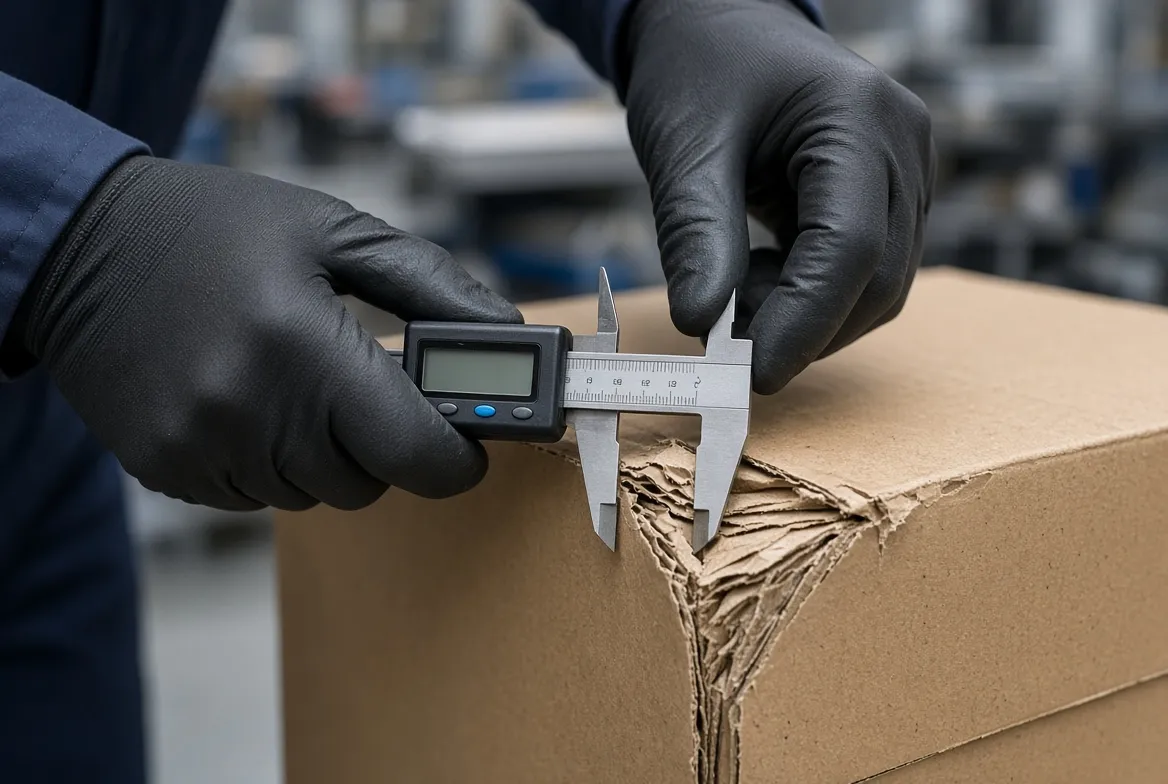
The real enemy was not breakage. It was margin leakage, claim friction, inbound disruption, and preventable risk. Packaging optimization would reduce shipping damage only after we mapped the exact failure chain across the brand’s parcel and freight routes. KitchenSupply’s QC audit logs and pre-shipment inspection reports told a consistent story:
- Damage rate before optimization: 8.2% across the baking-stone, glass-brewer, and bamboo-serveware lines.
- Top failure modes: corner crush, product movement inside the carton, burst or seam failure, and inconsistent void fill.
- Rework load: 18 labor hours per week lost to repacking at receiving.
- Carton fit: boxes averaging 1.20x the product volume, filled differently by every packer and shift.
Transit audits exposed consistent failures. High stacking pressure crushed unprotected vertical edges, and corner drops cracked ceramic stones that had nothing but loose fill around them. Loose product created a sliding internal mass that punched through the carton sidewalls. Burst or seam failure followed whenever compression exceeded the board’s resistance to rupture. And because void fill varied by packer and shift, no two cartons behaved alike — packers chose boxes from whatever was sitting at the station, not from engineering fit.
“A carton passes a routine visual inspection. Then it fails in the truck. The corner drop starts it, stacking pressure flexes the board, and loose product slides and punches the sidewall. The seam splits not because the board is too thin — the whole pack system was built for a pallet, not for parcel sortation.”

Burst strength measures resistance to rupture; ECT measures resistance to stacking and compression loads. A carton can pass a burst test and still fail under ECT. Competitors often say “stronger packaging” without separating compression issues from puncture issues from movement issues. The audit data forced that separation, and the failure modes matched the distribution hazards defined in ISTA transit testing standards.
The financial and operational cost was immediate. Inside the fulfillment centers, a supervisor repacked damaged cartons at receiving while two pickers lost 90 minutes per shift to rework. Customer service logged replacement tickets instead of handling new orders, and the operations director called the chargebacks a direct hit to net margin. If packing behavior stayed unchanged, the next peak season would replay the same loss pattern.
- Expert take: Transit damage here was not a random warehouse annoyance. It was a predictable system failure. Fix the packout behavior, not just the board grade.
Our Solution
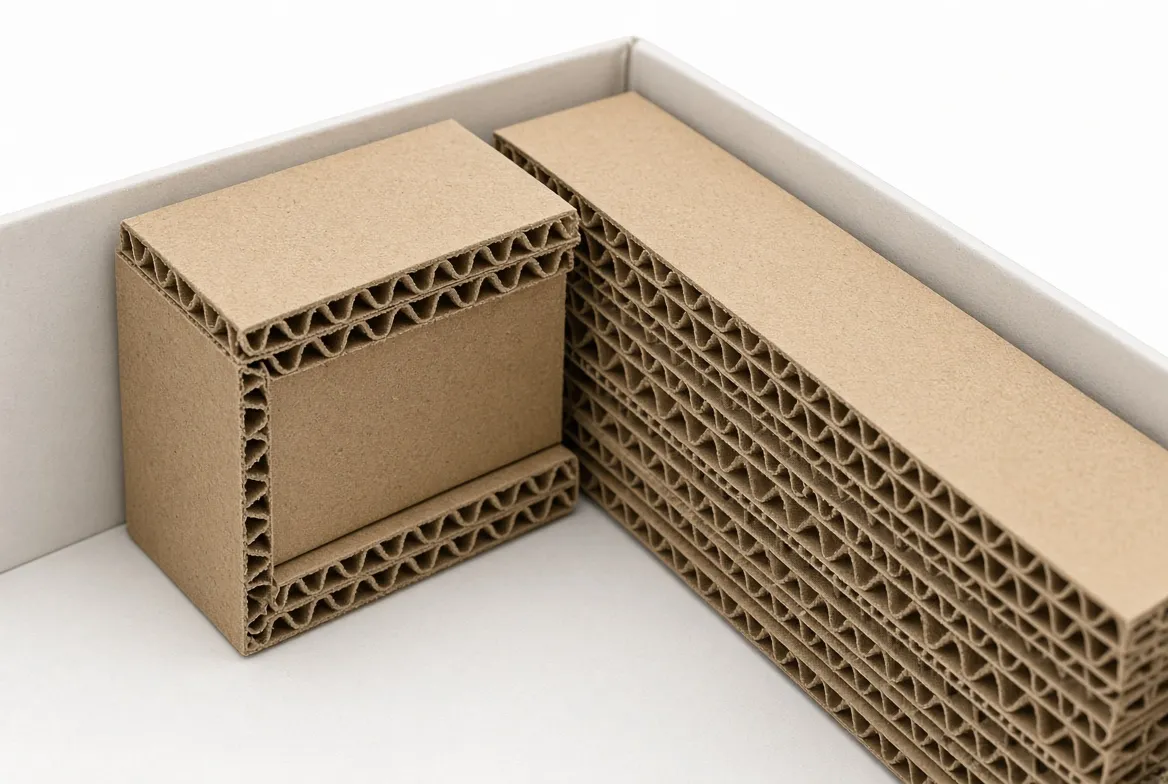
Instead of adding board thickness everywhere, we rebuilt the packout around failure data. The engineering loop ran in order: audit, diagnose, redesign, test, calibrate, and standardize. We walked the floor with the QC team before touching a single spec.
Audit the Real Warehouse Environment
Senior packaging technicians opened failed returns on the inspection table while the warehouse QC lead logged corner-crush depth and seam splits. We measured carton overhang at three pack stations. Packers applied void fill differently — some left too much, others too little.
The QC lead checked sealing patterns across shifts and found tape length varying by 4 cm between night and day crews. We then reviewed master-carton stacking and traced damage clusters by SKU and route. The data pointed to corner crushes on the heavy stone sets and product migration inside the lighter tool cartons.
The diagnosis tied every finding to a physical failure: overhang caused edge compression, loose fill allowed internal sliding, and short tape runs caused seam blowouts.
Redesign the Carton Around the Product and Route
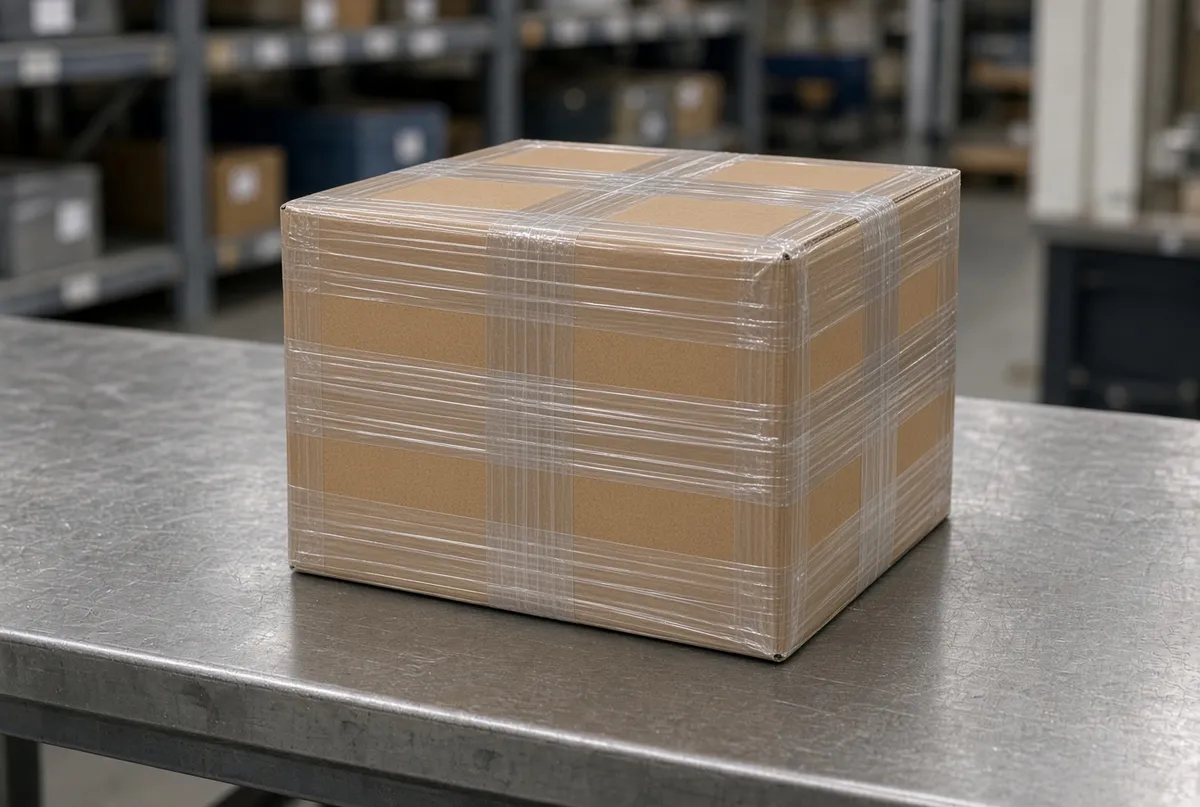
We moved from generic stock cartons to custom carton design for fragile products. Right-sized external dimensions cut empty space and DIM-weight exposure — the old boxes were nearly 20% larger than needed.
Custom corner-guard cushioning protected the impact points the audit had identified. We placed cushioning only where corner crushes actually appeared: vertical edges and product corners. Void fill was calibrated so the packout resisted movement without overpacking, chasing a snug internal fit rather than a stuffed box.
Closure standardization set a minimum tape length and application pattern for every shift, and SKU-specific pack instructions separated the stone and glass lines from the tools. Every change traced back to a failure mode: overhang to corner crush, loose fill to internal sliding, short tape to seam splits.
- Architect’s verdict: Calibrated void fill solved more damage than stronger board. We tested the thicker board first. It raised material cost by 15% without fixing product movement. Right-sized cartons plus calibrated fill cut both damage and DIM charges.
Corrugated Specification Logic
Engineers separate two critical metrics. Edge Crush Test measures stacking power. Burst strength measures puncture resistance. The two are not interchangeable:
- Tall stacks, palletized freight: ECT. Protects against compression and corner crush.
- Sharp handling, puncture risk: burst strength. Protects against rupture and seam splitting.
The original cartons fell within the 32 ECT / 200# burst range. We upgraded only where the data justified it. Ceramic baking stones and glass brewers moved to a 44 ECT single-wall board. Woks and bamboo serveware stayed at 32 ECT but gained corner guards. Heavier multi-piece sets moved to a 275# burst double-wall configuration.
Lightweight kitchenware packaging often starts around 32 ECT / 200# burst, while heavier or fragile shipments may need stronger configurations. Those are context benchmarks, not a one-size-fits-all prescription. We chose board grades from failure data, not supplier recommendations.
Warehouse Test Protocol

We ran every new packout through a literal test sequence before rollout, mirroring the distribution hazards the audit had found. Samples were selected by SKU and carton type, and packout replication used production materials only — no prototype cushions or hand-cut samples. QC technicians logged pre-test measurements and photos.
The drop sequence followed ISTA 3A-style logic. We dropped each carton on flat faces, edges, and corners, then inspected after every drop for split seams, corner blowout, product migration, and void-fill collapse. Vibration testing ran for 30 minutes on a simulated parcel freight profile.
The pass/fail thresholds were strict: any product movement beyond 5 mm failed, any corner crush over 10 mm failed, and seal failure or board rupture failed immediately.
The first testing round failed. The new corner guards stopped the impact damage, but they added 90 seconds to every packing station — our QC supervisor stopped the line. We redesigned the cushion into a pre-folded insert, which cut pack time to 40 seconds and restored normal line speed.
Standardize the New Method
We converted the redesign into operating discipline. Updated packout SOPs covered every SKU family, and operator training ran by SKU group rather than generic packing. Approved material lists locked suppliers, and reinspection checkpoints before outbound release relied on our quality control checklist.
A feedback loop connected warehouse floor observations to the engineering team. When packers found a carton that felt loose, we adjusted the void-fill spec. That is how B2B packaging optimization strategies become durable — they live in daily behavior, not a one-time spec sheet.
Results

Within one quarter, the client cut shipping damage by 60%. The damage rate fell from 8.2% to 3.3%, driven by custom corner-guard cushioning and calibrated void fill across the baking-stone, glass, and bamboo lines — packaging optimization that reduces shipping damage without buying a stronger box.
Pack time stopped swinging at the same time. The original packout ran anywhere from 35 to 85 seconds per carton depending on the packer; with the pre-folded insert replacing the loose corner guards, the range narrowed to 38 to 42 seconds.
Every SKU was tracked through our automated QC system rather than trusted to supplier claims, and the final rate was cross-checked against freight claim records — the two matched within one percentage point. These are KitchenSupply’s own fulfillment and QC records, not vendor estimates.
A 60% drop means 4.9 fewer damaged units per 100 shipped. Across the client’s volume, replacement and claim costs fell $210,000 per year — a figure that excludes rework labor and freight cube savings. Finance eliminated weekend claim-handling shifts, and the post-rollout damage rate now sits below typical cross-border parcel benchmarks.
Right-sized cartons also cut material waste and DIM-weight exposure — the client stopped shipping 20% more air than necessary. The change reached beyond finance: warehouse crews cut repack hours from 18 to 3 per week, freeing 15 labor hours for other work, and a strict packaging baseline now standardizes every future procurement quote on logistics management lanes.
The QC lead put it simply: “Before, I logged corner crushes on every route review. Now I see one exception per shift, and most of those trace back to a packer we trained late.”
The new cartons cost more per unit, and the pre-folded corner-guard insert added material cost. The reduction in damage and rework more than offset the increase, so the total-cost packaging system improved even though component unit cost rose.
Key Takeaways
- Audit damage by failure mode, not anecdote. Six months of claims sorted by SKU, route, carrier, and failure mode — plus physical inspection of returned cartons — exposed corner crush and internal movement rather than random damage. Start with data before changing a single spec.
- Engineer for total delivered cost, not the cheapest carton. The new cartons and inserts cost more per unit, but rework hours fell from 18 to 3 weekly and claim costs dropped $210,000 a year. Compare full packout cost through a sourcing vs procurement lens; single-source carton savings usually hide rework.
- Validate the full pack system before rollout. The first corner guards passed every drop but added 90 seconds per carton. Redesigning them into a pre-folded insert cut pack time to 40 seconds. Run ISTA-style drop and vibration tests on production samples before you standardize.
- Standardize, then keep calibrating. Updated SOPs, SKU-level training, and approved material lists make the gain durable. A feedback loop from packers back to engineering keeps the void-fill spec honest as SKUs change.
The 30-Day Packaging Audit for High-Damage SKUs
- Pull six months of damage and claims data.
- Sort by SKU, route, carrier, and failure mode.
- Inspect returned packaging physically.
- Compare the current board spec to real transit hazards.
- Run controlled drop and vibration tests on top offenders.
- Standardize pack instructions and retrain operators.
Future Outlook
Packaging optimization becomes more valuable as fulfillment networks fragment. Last-mile carriers multiply, and cross-border handoffs grow less predictable. Instead of universal cartons, each route gets its own packaging tier, with custom configurations built for regional carriers — a durable fulfillment system and a living control system rather than a one-time box fix.
Need help auditing fragile-product packaging, supplier packaging specs, or inbound damage rates? Contact LeelineGroup to start with a failure-mode audit of your own damage data.
Key Results Summary
Damage Rate Across Fragile SKUs
Damaged Units per 1,000 Shipped
Replacement & Claim Cost
Commercial Results
Replacement & Claim Cost
Rework Labor
Pack Consistency (Audit Compliance)