Factory audits win for validating new suppliers, while pre-shipment inspections (PSIs) win as the final defense for existing orders.
I have managed quality control in Shenzhen for ten years. My team inspects millions of dollars in goods every month. Our inspector Leo H ran an audit last week. He caught a factory faking its ISO certificate. We saved the client money.
The trade-off is strict. An audit can miss later production drift. A PSI misses fake capacity and upstream subcontracting. Last quarter, a client skipped an audit on a $50,000 backpack order and only ran a PSI.
The batch passed perfectly. However, we later discovered the factory secretly subcontracted the stitching to an unverified shadow facility using outdated sewing machines.
If your budget is tight, choose based on your order stage. Book a factory audit when vetting a new partner. Rely on a PSI before you wire your final payment. High-risk orders demand both.
I built this direct comparison to show exactly how audits verify the factory system, while pre-shipment inspections verify the exact shipment you are about to pay for (Screen reader summary: Factory audits win for early capability vetting; inspections win for final batch approval).
| Feature | Factory Audit | Pre-Shipment Inspection |
|---|---|---|
| Buying Stage | Before wiring the 30% deposit | Before releasing the 70% final payment |
| Primary Objective | Validate real factory capacity | Approve container for loading |
| What I Actually Catch | Ghost factories, expired ISO certs | Critical-major-minor product defects |
| What It Misses | Future batch production drift | Shadow subcontracting |
| Typical Timing | 14-30 days before contract | 80%-100% of production complete |
| Evidence I Review | Machinery logs | Physical goods |
| Sampling Logic | Systemic floor evaluation | Randomized pulls |
| AQL Role | N/A (Infrastructure audit) | Enforces AQL 1.5 / 2.5 / 4.0 limits |
| Compliance Visibility | High (I verify BSCI payrolls) | Low (Product focus only) |
| Subcontracting Catch | High (I map the active line) | Low (Sees only packed boxes) |
| Pass/Fail Power | Approves the supplier | Approves the exact batch |
| Best Used For | Vetting quality control in China partners | Repeat supplier management orders |
| Cost Benchmark | $400/man-day (Engineering) | $300/man-day (Tested) |
| Report Turnaround | 4-8 hour audit, 72-hour report | 24-48 Hours (Tested) |

Main Differences of Factory Audit vs Product Inspection
I never treat factory audits and product inspections as interchangeable tools. They solve entirely different problems. An audit verifies the structural foundation of a business. An inspection grades the physical output of a machine. Using the wrong service guarantees catastrophic delays and severe financial loss.
1. Capability Risk vs Shipment Risk
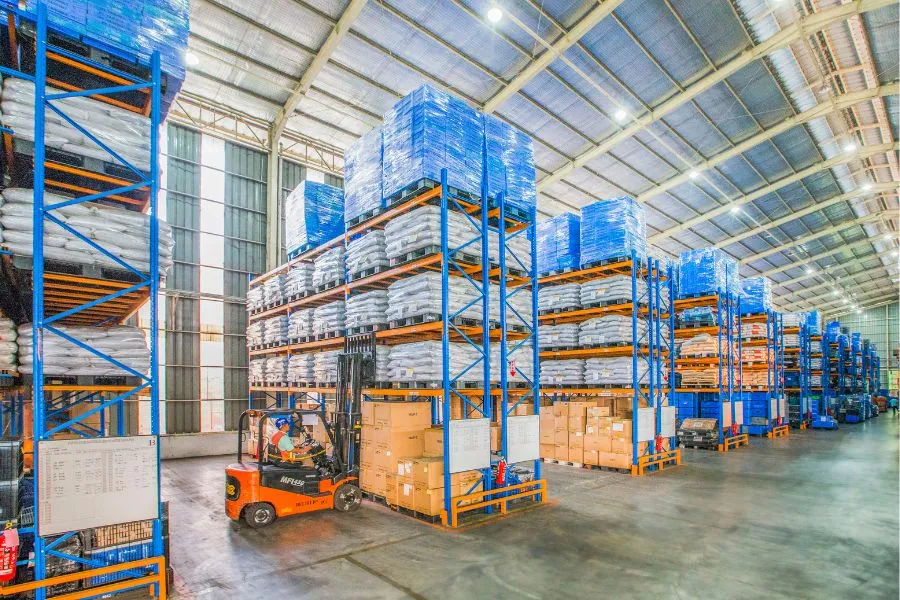
A factory audit answers: “Should I trust this supplier with my deposit?” A pre-shipment inspection (PSI) answers: “Should I release the final payment?”
Skipping the audit phase invites trading company scams. Last year, a client asked me to find reliable suppliers for a massive hardware run. A client nearly lost $40,000 to a scammer. I drove to the address. I took a video of the empty office.
I visited the provided address in Guangzhou. I found a shared office with three desks, two computers, and zero injection molding machines. A pre-shipment inspection catches this reality only after your deposit vanishes.
When my team runs a factory audit checklist in China, we execute a strict SOP. We pull the local business license and verify the legal entity. We walk the floor and count the physical production lines. We check calibration tags on the pressure gauges. We audit HR staffing logs and force the manager to disclose all subcontracting networks. This raw verification separates real manufacturers from high-risk brokers.
⚠️ Safety First: Never wire a 30% deposit to an unverified platform vendor. A $400 audit prevents a $40,000 total loss.
Winner: Factory Audit
2. Timing in the Sourcing Cycle

You book a factory audit 14 to 30 days before you sign a contract. You book a pre-shipment inspection when production hits 80% to 100% completion.
Acting too late destroys your leverage. If you rely solely on a PSI, you inspect inventory that already exists. I recently inspected 5,000 custom camping tents in Dongguan. The factory used standard 200D nylon instead of the contracted 400D ripstop.
The batch failed instantly. The problem? The client had already waited 45 days and paid a $15,000 deposit. You cannot retroactively un-sew a finished tent. The client suffered a total Q4 stockout because they committed cash to a facility lacking the proper raw material supply chains.
However, order size dictates strategy. If you place a low-MOQ order of 300 units, dropping $400 on an early audit destroys your unit economics. In these tight-margin cases, you must evaluate how to choose the right supplier via desktop research and rely entirely on a strict PSI to protect your final payment.
⚡ Power Move: For low-MOQ orders under 500 units, skip the audit but mandate a strict AQL 1.5 inspection in your initial contract to maintain heavy leverage over the final payment.
Winner: Conditional by order stage
3. Compliance and Traceability Visibility
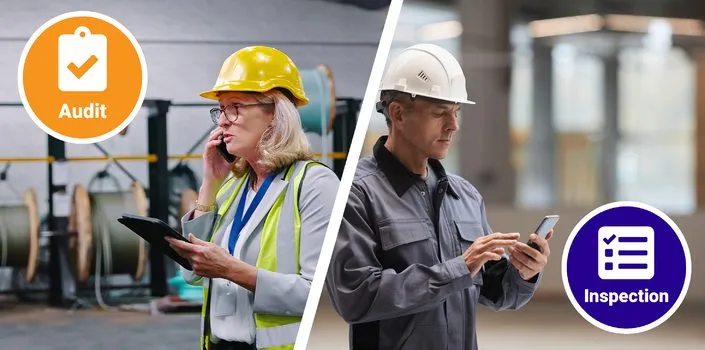
A visually perfect product easily hides illegal labor practices or toxic chemicals. A pre-shipment inspection only evaluates the finished good. It cannot trace raw material origins.
During a manufacturing compliance audit in Shenzhen, I reviewed the deep paper trail. I walk into the chemical storage room. I smell the adhesives to detect banned toxic solvents. I pull the raw-material invoices and match them against the factory’s official GRS (Global Recycled Standard) claims. I audit the payroll records to ensure zero underage workers touch the assembly line.
A finished sample looks fine during a visual check, but the upstream paper trail often breaks down completely. If your brand requires strict ESG compliance, a standard PSI leaves you entirely blind to severe PR and legal risks. Check our product certification guide for exact documentation requirements.
🧠 Expert Take: A flawless finished sample means absolutely nothing if the factory violates labor laws. Brands facing ESG scrutiny must audit the paperwork before cutting any fabric.
Winner: Factory Audit
4. AQL 2.5 Batch Control and Physical Product Testing
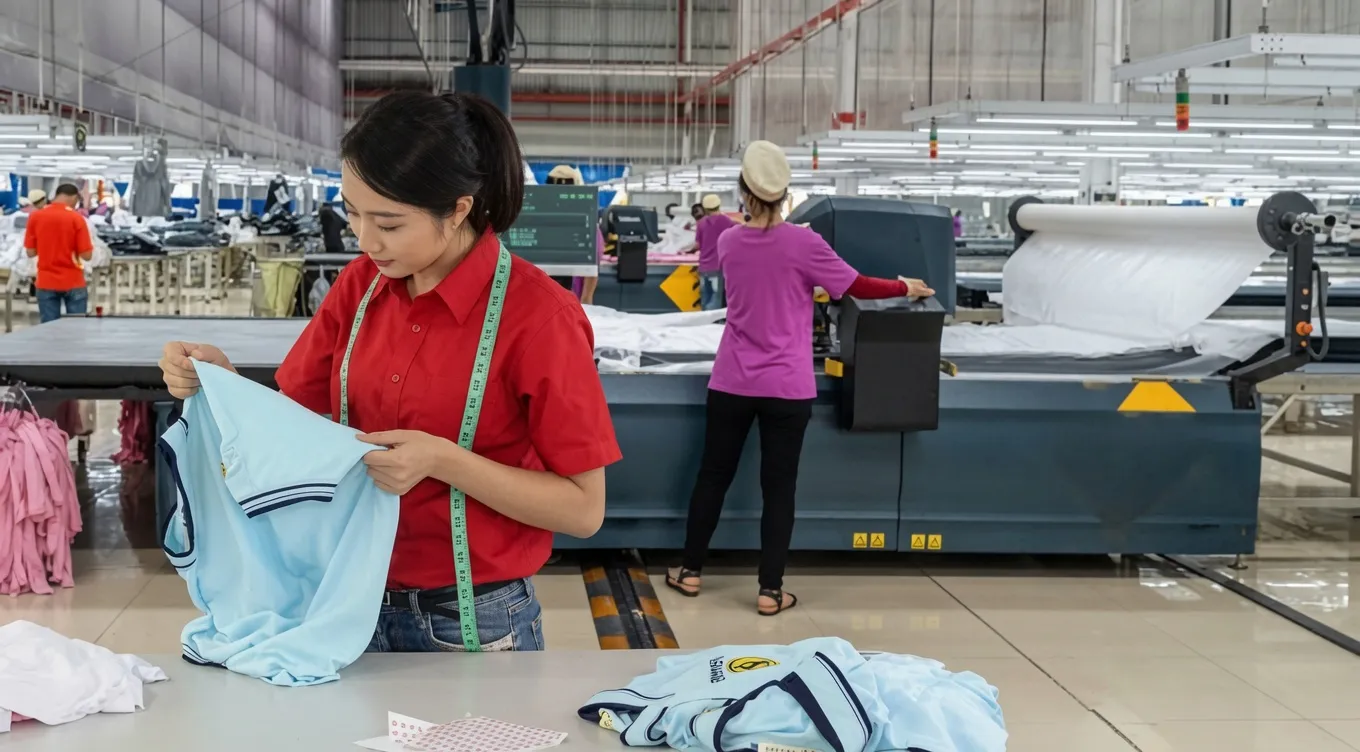
While an audit evaluates paperwork and machinery, a PSI physically tests the goods. We govern this process using Acceptable Quality Limit (AQL) standards. I define AQL for clients simply: we hold zero tolerance for critical defects, we set a 2.5 limit for major defects, and we allow a 4.0 limit for minor visual issues.
When my team inspects custom backpacks, we execute a brutal physical SOP. We run a zipper cycle test, dragging the YKK slider 50 times to detect micro-snags. We load 20kg of dead weight into the bag and suspend it by the strap for an hour to test absolute load-bearing strength.
We check the stitching density directly on the Juki 1541 sewing machines. We scan the polybag barcodes under harsh warehouse lighting. We drop the master cartons from three feet to verify packaging integrity.
I classify bag defects precisely on the floor:
- Critical: A broken needle left inside a pocket, sharp exposed metal, or toxic chemical smells indicating non-compliant PVC. These trigger an instant batch failure.
- Major: Complete zipper failure, snapped strap stitching, incorrect logo placement, or visible fabric tears.
- Minor: Loose internal threads, slight wrinkles on non-critical panels, or tiny smudges.
This physical gauntlet prevents the hidden costs of poor quality from reaching your US warehouse.
🚀 Actionable Insight: Write your exact drop-test height and AQL defect limits directly into your Purchase Order. This legally binds the factory to your testing standards before production begins.
Winner: Product Inspection
5. What Each Service Misses (The Blind Spots)

Neither service offers a perfect shield. You must understand their blind spots to build airtight supplier verification protocols.
An audit’s primary blind spot is time. A capable-looking factory can pass an audit on Tuesday, secure your deposit on Wednesday, and quietly swap your high-density EVA foam for cheap sponge on Friday. They let quality drift mid-run to widen their margins.
A PSI’s primary blind spot is origin. It only judges the boxes sitting in the staging area. Last quarter, Quality Control Inspector Leo H, our lead QC in Shenzhen, walked into a facility for a standard PSI. The bags looked acceptable, but Leo H noticed a massive red flag.
“The sewing machines on this floor were stone cold, and the facility lacked the heavy-duty tensioners required to stitch this thick TPU coating,” Leo H reported. He dug through the shipping manifests sitting on the floor manager’s desk.
He discovered the factory had secretly subcontracted the entire order to an unverified, dirty shadow facility across town. A basic visual inspection never catches unauthorized subcontracting.
When we send clients photo guidance of the finished article, we embed real, human inspection photos only. You see our clipboards on the actual cartons, our calipers measuring exact seam allowances, and our inspectors walking the active line. I explicitly ban any AI-generated factory imagery. You need raw, unedited proof of your supply chain reality.
Walking away from an unqualified supplier after a failed $400 audit saves a $30,000 deposit loss. Catching a failed lot during a $300 PSI saves $100,000 in Amazon return fees and a destroyed brand reputation.
Winner: Neither alone; both for high-risk orders
The Ultimate Decision Framework
- New supplier + high order value (>$50k): Run a Factory Audit first. Verify their actual existence before paying a dime, then convert the evidence into a weighted decision with our Factory Capability Assessment scorecard.
- Existing supplier + shipment ready: Book a Pre-Shipment Inspection first. Protect your final payment and catch drift.
- Regulated, custom, or private-label product: Use both. You cannot risk your intellectual property or legal compliance.
- Tiny sample order or prototype: Skip the formal audit. Rely on tight supplier management and a strict PSI before shipping.
Before breaking down this Factory Audit vs Product Inspection comparison, know our methodology: my team spends hundreds of hours annually on factory floors executing both services.
Factory Audit vs Product Inspection: What Really Protects Your Order

Factory Audit
-
Deposit Protection: In our field testing, physically verifying a facility stopped clients from wiring six-figure cash deposits to fake trading companies.
-
Deep Compliance Check: We audit ISO 9001 paperwork and HR payrolls to confirm genuine machine capacity and ethical compliance.
-
Subcontracting Exposure: Walking the active floor reveals if they actually own the injection molds or plan to illegally outsource your order to shadow factories.
-
No Batch Guarantee: Even an elite facility ruins production runs. An audit never proves your specific batch meets structural tolerances.
-
Timing Limitations: Offers zero leverage if you book it after production finishes. You cannot retrofit quality.
⚠️ Safety First: An audit proves a factory can make your product, not if they did. Never skip a final batch inspection just because an initial facility audit passed.
Product Inspection
-
Final Payment Leverage: In my experience on the staging floor, a pre-shipment check provides absolute pass/fail leverage before you release the final 70% wire.
-
Strict Defect Enforcement: We physically drop-test and grade finished goods against strict ISO 2859-1 AQL limits, pulling raw defect data directly from the lot.
-
Retail Readiness: We scan FNSKU barcodes and measure master carton thickness, blocking shipments that would trigger expensive Amazon chargebacks.
-
Legitimacy Blind Spots: Inspectors only review packed boxes. We cannot deeply verify if the supplier actually manufactured the goods or just brokered them.
-
Sampling Gaps: Statistical AQL limits mean we pull a percentage, not every unit. Minor defects will inevitably slip through the mathematical gaps.
⚡ Power Move: Require the factory to hold all inventory in their staging area until you review the final AQL report. Never let them load the export container early.
Most expensive mistake: The commercial risks here are brutal. Approving a shadow supplier because you skipped the initial audit guarantees a stolen deposit. Conversely, approving a defective lot because you skipped the final pre-shipment inspection triggers massive hidden costs of poor quality and destroys brand trust. Both failures represent critical lapses in basic supplier management.
People Also Ask About Factory Audit vs Product Inspection
-
Do I need both a factory audit and a product inspection?
No. If I had to choose only one for a brand-new China supplier, I would buy the factory audit first. If production is already done and payment is due, I would buy the pre-shipment inspection first. For custom, regulated, or large-volume orders, I would not separate them—I would run both.
🚀 Actionable Insight: Best for Amazon FBA founders with tight budgets: choose strictly based on your stage. Best for Procurement Managers and enterprise categories: run both to eliminate subcontracting risks. Best for a repeat commodity supplier: rely on a PSI unless factory ownership changes.
-
How should I allocate my quality control budget?
Apply our micro-budget matrix. A low budget funds a PSI for ready shipments. A medium budget funds an upfront audit. A full-risk-control budget covers audits, inspections, and certification reviews. In our Shenzhen tests, skipping these steps always triggers massive hidden sourcing costs.
-
Can I skip an audit if the supplier looks good online?
No. We uncover fake trading companies daily during our product sourcing and supplier sourcing site visits. You must physically verify their capacity.
Protect your money before you pay. Send me a quick message. My team will review your supplier risk profile for free.
Disclaimer: I am not paid by any manufacturer to promote these findings. My team spent weeks on the factory floor executing these exact procedures, and I received no kickbacks from any supplier.

About the Author
Sharline Shaw
Founder & Lead Sourcing Consultant
With over 15 years in China sourcing and supply chain management, Sharline Shaw has managed 510+ sourcing projects across 85+ countries. Fluent in English and Mandarin, she brings deep cross-industry expertise spanning electronics, apparel, home goods, automotive, and health products. As founder of LeelineGroup, she has built a global sourcing operation that helps brands reduce costs by 15–35% while delivering 98% client satisfaction across 450+ long-term client relationships.
Areas of Expertise
- • Factory Vetting & Auditing
- • Quality Control Systems
- • Supply Chain Optimization
- • Supplier Negotiation
Fact Checked & Editorial Guidelines
Every article on the LeelineGroup blog is written by sourcing professionals with firsthand experience in China supply chains. Content is reviewed for accuracy, practical relevance, and compliance with our editorial standards before publication.
Your trust is important. Learn more about our Fact Checking Process and Editorial Policy.