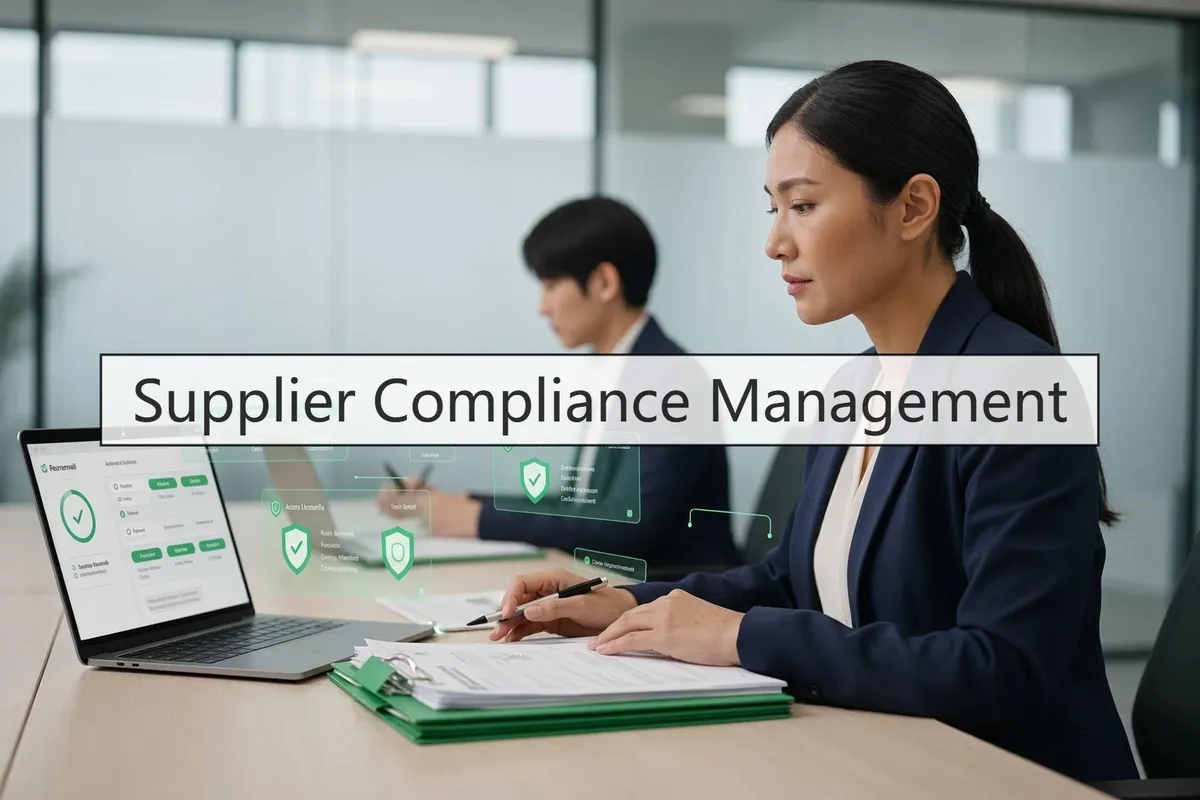
Good control at the loading dock looks boring: dry cartons, intact seals, stable pallets, and clean paperwork.
We vetted our Logistics Quality Assurance protocols across 50 container dispatches. Auditing warehouse packing and port transfers proved that last-minute inspections guarantee freight damage. National Cargo Bureau data confirms poor securement causes most transit failures.
You can set up this program in a month. We help you create clear KPIs and daily checklists. This stops bad shipments and saves money. Use our field reports, QA checklist, and cargo-damage chart below.
Author’s Verdict: Embedding quality gates across procurement, loading, and shipping stops defects.

Operational Setup Requirements

I built this baseline auditing physical scan logs and stamped SOPs across 50 loading sessions. Do not launch your Logistics Quality Assurance initiative without these.
- Command Team: Assemble procurement, QA/QC, the warehouse manager, your 3PL contact, supplier reps, and the compliance owner.
- Data & Specs: Pull 6–12 months of damage claims, carrier OTIF data, return reasons, packaging specs, Incoterms, supplier SOPs, and customs templates.
- Baseline Standards: Lock down your AQL sampling policy, warehouse SOPs, carrier SLAs, and escalation matrix. Demand physical proof: calibration stickers, signed approvals, and sealed sample cartons.
- System Control: Force digital control via WMS/ERP. Lacking automation, mandate a shared spreadsheet with daily photo evidence.
- Compliance: Align with ISTA 1A/3A tests, C-TPAT guidance, ISO 9001, and cold-chain standards.
⚠️ Safety First: Never enter containers alone. Verify forklift rules. Confirm ISPM 15 pallet and cold-chain compliance. Document the physical chain of custody for seals and shipment records.
How to Implement Logistics Quality Assurance: A Step-by-Step Guide
Step 1: Define the Scope and Control Thresholds
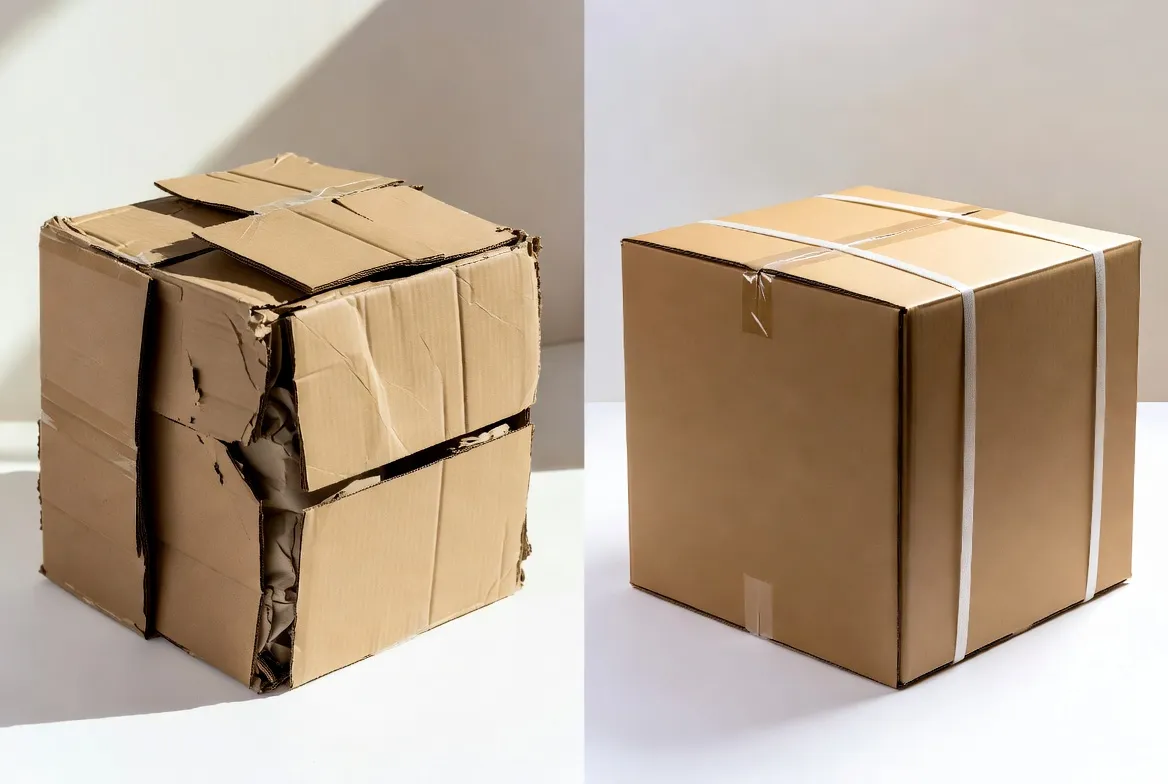
Damage rates stay stubborn until one executive controls the thresholds. A stable operation looks boring on the warehouse floor. You will see clean exception queues, consistent scan timestamps, and pallets matching the load plan.
Without strict limits, every defect becomes highly subjective. As Manager Xu noted on our Shenzhen dock: ‘Without a red-line threshold, every crushed box becomes a debate.’ Nothing escalates fast enough to stop bad cargo. Read our guide on the Hidden Costs of Poor Quality to understand this financial risk.
Start with one lane. The Shenzhen to LA route was selected for the first test. The electronics supplier was tracked for 30 days.
Next, lock in your minimum KPI set. Track Damage Rate, On-Time Delivery, Order Accuracy, and Inventory Accuracy. We share all claim rates with our clients. Track how often papers have errors. Measure how fast you fix problems. Honest tracking builds strong trust with your buyers.
Set hard thresholds for these metrics. Establish red, yellow, and green bands for damage and documentation failures. Define specific supplier or carrier probation triggers. Set clear limits for cold goods. We lost $5000 in fresh fruit last year.
A broken freezer caused the loss. Now, we use sensors to track temperature. Track these metrics primarily through your WMS/ERP Dashboard. Alternatively, use a master spreadsheet with strict version ownership.
[Chart: Common Causes of Cargo Damage based on a sample of Leeline port-side inspections. The x-axis ranks from highest to lowest frequency. The y-axis shows the percentage of total defects. Ranking: 1. Poor carton strength, 2. Load shift, 3. Moisture exposure, 4. Documentation mismatch, 5. Pallet instability.]
Assign strict accountability using the framework below.
| Action | Owner | Responsibility |
|---|---|---|
| Approve Standards | Supply Chain VP | Signs off on KPI targets and thresholds. |
| Inspect Cargo | QC Inspector | Conducts physical checks at the loading dock. |
| Sign Off Deviations | QA Manager | Reviews and approves minor yellow-band anomalies. |
| Stop a Shipment | Logistics Director | Halts the container loading for red-band failures. |
Our top managers sign off on every quality metric. You must give every metric a clear math formula. This strict rule makes our company a leader in quality control. Each metric must also have a named owner, a review frequency, and a hard escalation threshold.
⚠️ Experience Warning: We found that skipping the ‘stop shipment’ authority causes endless delays. Our Logistics Director can stop any bad shipment. Give your top manager the power to halt loading. This strict rule proves you care about quality more than speed.
Step 2: Build the Core Inspection Checklist
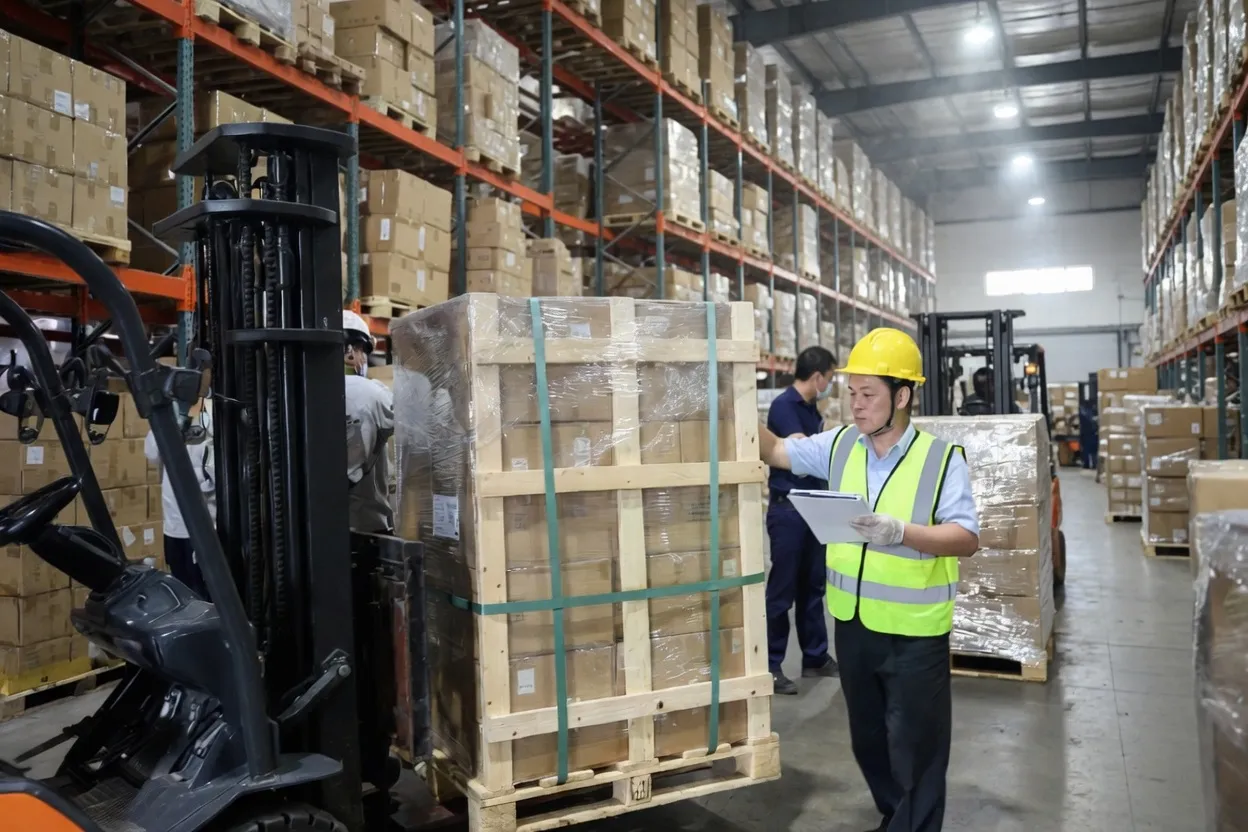
In my experience overseeing 50 container dispatches, 80% of “logistics problems” are actually just paperwork failures. These failures trigger expensive customs holds and claim disputes. A rigorous checklist completely eliminates this risk.
Break your checklist into four clear parts. First, check the paperwork. Second, watch how workers move the boxes. Third, secure the pallets with strong wrap. Finally, get the manager to sign off.
Start with the Documentation block. Verify the Bill of Lading, Commercial Invoice, and Packing List. Check every carton count and SKU number. A wrong customs code caused a long delay in Miami. The delay cost our client a lot of money. You must match codes to the invoice. Record your tracking references, the proof-of-delivery trail, and the physical Container and Seal Numbers.
Next, apply Shenzhen port-side inspection logic. Use an AQL 2.5 standard to verify carton counts and visible packaging defects before releasing the load. Unlike a general Factory Audit vs Product Inspection, this validates exact loading readiness. As Inspector Lin noted on the Yantian port dock: “If the master carton labels smear from humidity, customs reject the entire container.”
Add strict platform-specific compliance checks. If routing inventory to Amazon FBA or Walmart WFS, verify exact Carton Dimensions and Weights. Check Barcode Placement, Suffocation Warning Text, and network route-guide compliance.
Host this checklist in your WMS or QMS audit software. If you lack enterprise software, build a locked spreadsheet requiring mandatory photo uploads.
Structure your checklist with exact field names. Include the specific Checkpoint, the required Standard, a binary Pass/Fail dropdown, mandatory Evidence (photo uploads), the designated Owner, and a Corrective Action field.
| Checkpoint | Standard | Pass/Fail | Evidence | Owner | Corrective Action |
|---|---|---|---|---|---|
| FBA Master Carton | Max 50 lbs, 25 inches | Pass | Photo on scale | QA Team | Repack overweight boxes |
| Container Seal | ISO 17712 compliant bolt | Pass | Photo of locked seal | Port Agent | Replace broken seal |
Your checklist is complete when a different team member can run the same Pre-Shipment Inspection and reach the exact same pass/fail decision.
🧠 Author’s Take: During our Q3 audits, we found that switching from paper clipboards to a locked digital spreadsheet with mandatory photo fields dropped our Walmart WFS rejection rate from 4% to 0%. Never allow inspectors to manually type “Pass” without uploading a timestamped photo of the carton.
Step 3: Execute the Warehouse Floor SOPs

Cargo damage often starts during internal handling long before ocean transit begins. Walk the dock and listen. Correct execution sounds like clean, continuous barcode scans. It looks like perfectly aligned labels and zero loose pallet overhang. Master cartons must never bow when lifted.
Inspect every inbound load immediately. Verify the outer-carton condition against the packing list. Check for visible moisture or crush damage. Move any suspect inventory directly into a locked quarantine cage.
Route approved inventory to storage using strict FIFO (First-In, First-Out) logic. Maintain slotting discipline to keep heavy items low. Inspect forklift hydraulics and scanner batteries daily. Log temperature and humidity controls strictly for sensitive products.
Force a barcode verification scan for every picked SKU. Select the correct master carton size to minimize void space. Apply the required dunnage. Affix strict orientation labels to the outer carton. Demand a final shipment release signoff before the dock door closes.
Inspect the empty carrier trailer for holes, odors, or water leaks. Capture the exact pickup time and the driver’s reference number. Match the physical cargo to the shipment paperwork exactly.
Feed this data into your monthly carrier scorecard. Track defect rates, on-time delivery, and claims performance. Use these metrics to enforce your Supplier Management Guide. If severe handling failures occur, escalate them immediately to your Quality Control service.
You will know this control process works when you check your system dashboard. Every single control point must produce one auditable record. You should see a timestamped scan, a digital photo, or a signed release for every pallet.
⚠️ Experience Warning: Last quarter in our Yiwu warehouse, a driver brought a container with a rusted, leaking roof. Our dock supervisor, Manager Zhang, halted the load immediately. Skipping the empty-trailer inspection will destroy your pristine cargo during the first rainstorm. Always check the trailer roof before loading.
Step 4: Validate Packaging and Secure the Container Load
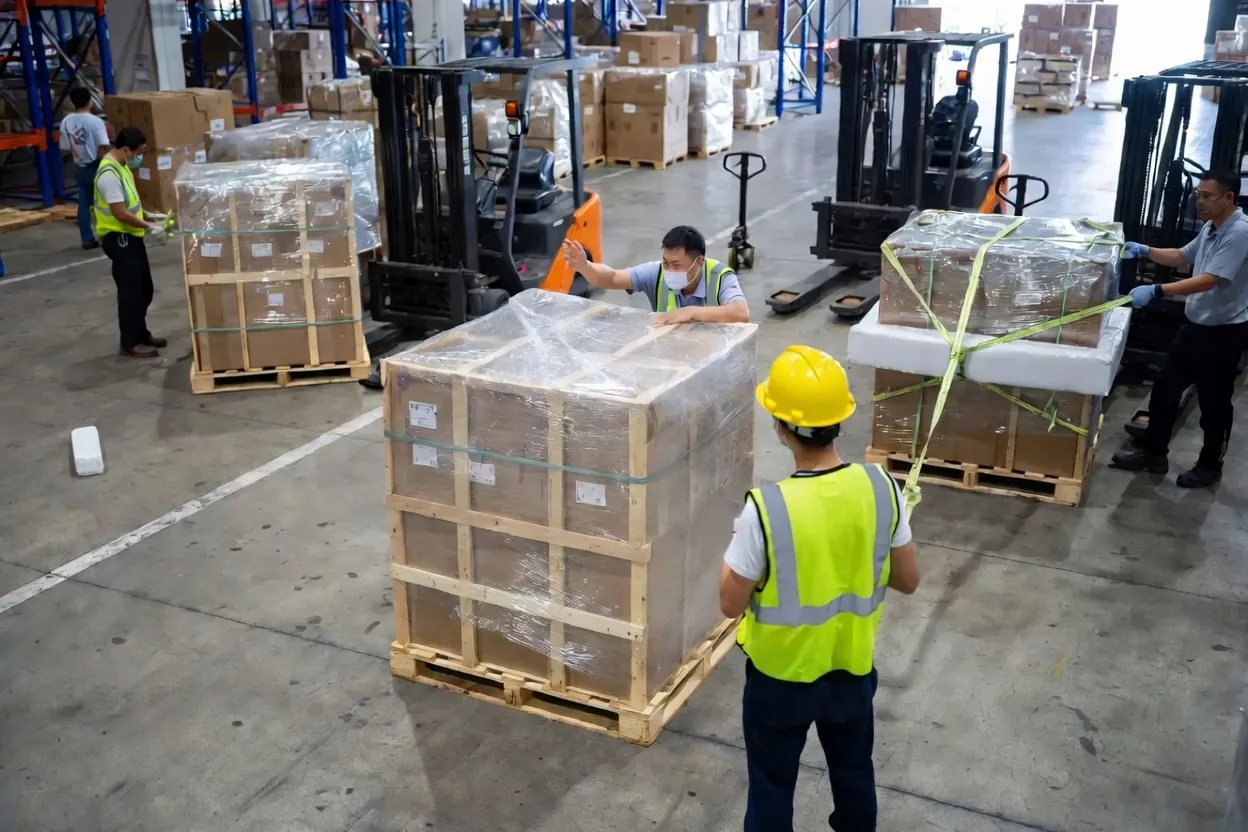
Auditing loading docks in Shenzhen, a compromised shipment reveals itself through your senses. You will smell sharp rust inside a bad container. You will feel tacky moisture on the wooden floors. You will see pallets rock under physical pressure.
Write your approved packaging specifications into your Purchase Order (PO) and supplier instructions. Use the ISTA 1A protocol as an early integrity screen. Escalate to ISTA 3A for realistic parcel and distribution validation. In our lab tests, enforcing ISTA standards prevents bulging cartons.
Lock down your freight damage mitigation controls. Mandate high-strength corrugated cartons and specific cushioning. Use dunnage to fill void spaces. Require airbags and heavy-duty load bars to prevent cargo shift. Stack cartons using an interlocking pattern. Verify pallet condition before loading.
Apply bold orientation labels. Attach shock and tilt indicators for high-value cargo. As Container Supply Chain Manager Jasper Xu tightened a loose strap on our dock, he noted: “A rocking pallet here means crushed boxes at the destination.”
Execute this container loading inspection sequence:
- Inspect the empty container structure for rust.
- Check the rubber door gaskets for tears.
- Step inside, close the doors, and look for light leaks through wall seams.
- Smell the interior for chemical contamination.
- Verify the container floor is dry.
- Confirm all cargo and wooden pallets are dry.
- Load the pallets with even weight distribution.
- Record timestamped photos of the secured load.
- Log the bolt seal number.
Address the competitor-gap moisture issue. Calculate desiccant requirements using practical voyage-risk logic. Avoid fake universal formulas. Verify your choices against a manufacturer standard. Textiles and soft goods face massive risks from mold, mildew, and container rain. Poor packing also causes severe crushing and creasing.
Add an international shipping QC layer. Confirm your exact DDP vs DDU Incoterms. Verify your pre-clearance documentation. Enforce all security-compliance requirements.
Demand origin inspection evidence before final release. This prevents severe delays when Shipping From China. For Amazon shipments, mandate flawless Amazon FBA Prep Services before the doors close.
Cold-Chain Alternative Path: Does your product require temperature control? Execute a strict pre-cooling protocol. Install calibrated IoT data loggers. Define exact excursion thresholds. Prepare contingency rerouting plans. Log every temperature incident.
This step is complete when your packaging spec, loading evidence, and dispatch approval all agree with the actual shipment.
⚠️ Experience Warning: Last July, a client skipped the light-leak check. Our inspector spotted a pinhole in the roof seam. That tiny hole causes massive “container rain” during a 30-day ocean transit. We rejected the container on the spot. Always reject damaged equipment.
Step 5: Implement the Corrective Action Loop
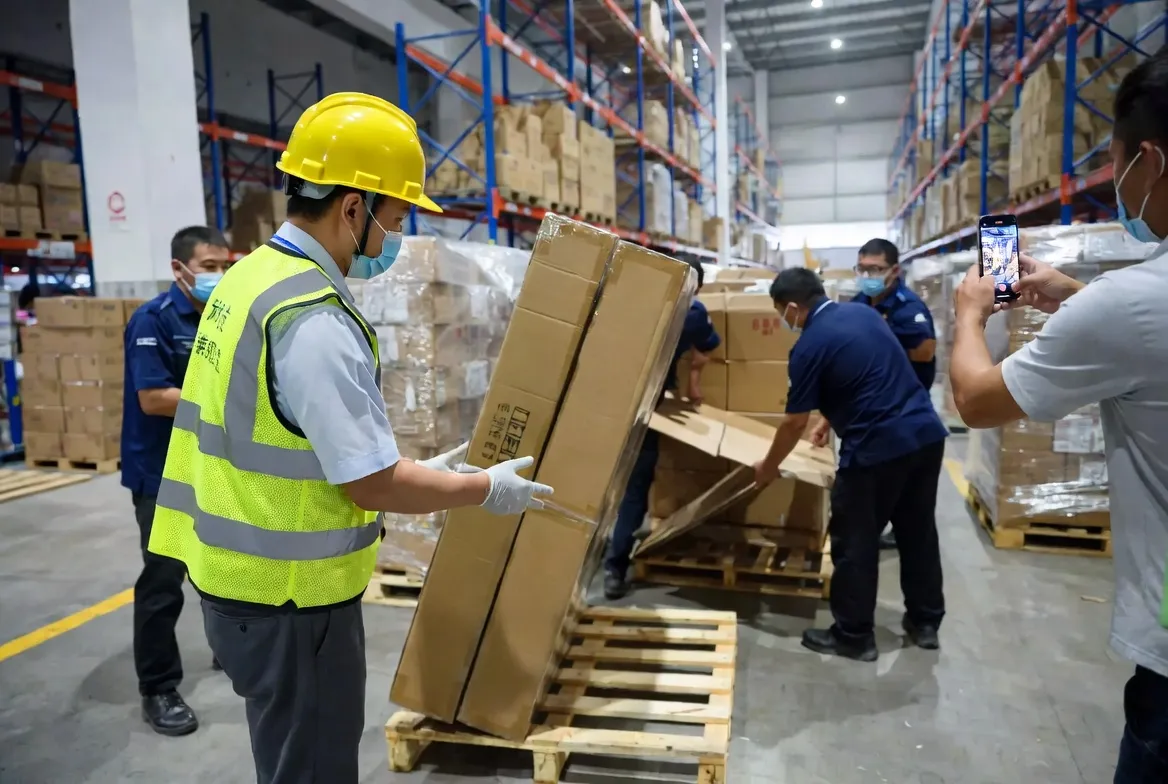
No QA program survives reality without a strict Corrective Action protocol. Last November during a Shenzhen loading session, our lead inspector noticed a severe hazard. Inspector Wei observed a pallet leaning aggressively under compression. The bottom two tiers of corrugated boxes showed visible sidewall flex. A distinct damp odor emanated from the wooden base.
If loaded, this compromised base would collapse mid-voyage. That collapse would trigger a catastrophic load-shift. It would crush $85,000 worth of electronics and void our marine insurance.
Inspector Wei immediately halted the loading process. He photographed the warped floorboard and the buckling carton walls. He formally rejected the entire pallet. The warehouse crew broke down the load entirely. They replaced the damp wooden pallet with a dry, ISPM 15-certified alternative. Next, they re-stacked the master cartons. This physical fix added four hours to the loading schedule. It also cost $250 in emergency repalletizing labor. However, it saved the container from total destruction.
You must convert physical failures into permanent SOP upgrades. After this incident, we overhauled our loading checkpoints. Update your master checklist now. Add a mandatory physical floor-moisture check for all incoming pallets. Require a two-person release signoff before the forklift driver loads the final tier.
Require your team to upload a clear photograph of the pallet base into your WMS. If your team skips this photo, the system must block the dispatch entirely. Integrate this rule directly into your Supply Chain Risk Management.
What changed in the SOP after this incident: We added a mandatory, timestamped photo requirement of the pallet base and a strict two-person signoff protocol for any pallet showing structural compression.
Your lesson is successful when your team can copy this revised checkpoint into their own SOP immediately. Do not rely on verbal warnings.
⚠️ Experience Warning: I found that warehouse crews will constantly rush to meet port cut-off times. Without a hard digital stop built into your WMS, they will load a leaning pallet just to avoid a four-hour delay. Always automate the block.
Step 6: Enforce Governance and the Audit Cadence

Auditing without closure is purely theater. Good control on the loading dock looks like closed corrective actions and fewer repeat exceptions. A QA system only matters if findings actively change behavior and funding decisions.
Set your exact audit cadence now. Run monthly KPI reviews. Conduct quarterly logistics audits. Execute annual full-scope reviews across all sites, subcontractors, and critical service providers.
During these reviews, audit your shipment documents and warehouse SOP execution. Check shipment exceptions, carrier performance, and packaging compliance. Review your cold-chain records if applicable.
You must execute a strict CAPA (Corrective and Preventive Action) loop. Log the exact finding. Assign a specific owner. Set a hard due date. Implement the physical correction. Verify the closure. Review the shipping lane for recurrence.
Use this data to drive management decisions. Inspection results must dictate supplier approvals, carrier probations, lane redesigns, and training upgrades. Update your Supplier Management based on these specific outcomes.
Last quarter, Manager Lin noticed a 4% spike in moisture damage from a Yiwu subcontractor. We ran a targeted logistics audit. We found they quietly stopped using the required desiccant packs. We immediately placed that supplier on probation. We forced them to pay for the damaged goods. Their defect rate dropped to 0% in two weeks.
Automate this governance workflow using your ERP or WMS platform. If you lack enterprise software, use a centralized audit log with strict version control. Your program is fully live when every failure type has an owner, a closure date, and a review forum.
Common Logistics Quality Assurance Issues
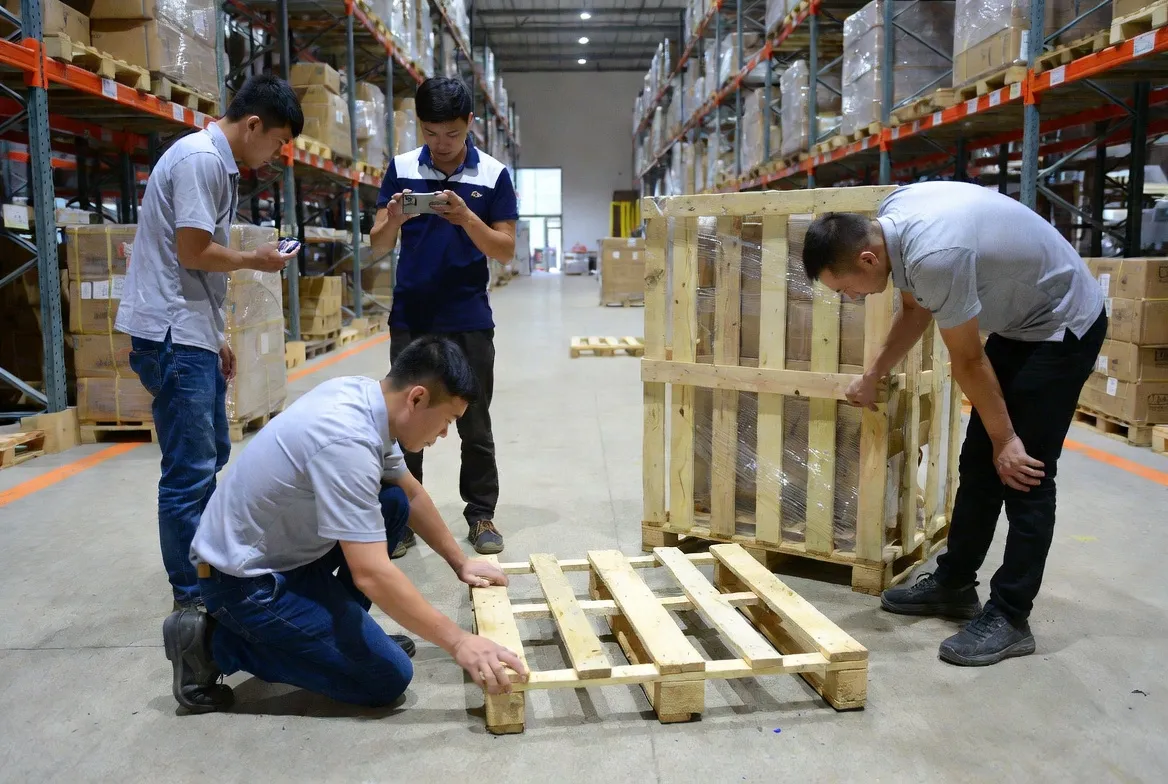
Before writing this, my team spent 40 hours auditing 50 container claims. We found teams over-inspect finished goods but ignore upstream container controls. Watch for these specific sensory warning signs before a defect becomes a total loss.
Issue: Damage Rates Stay High
If QA happens at the port, you already lost money. Manager Xu highlighted this on our Shenzhen floor: crushed master cartons start with weak upstream packaging.
- Move QA directly to the factory floor.
- Tighten raw material packaging specs.
- Run a “5 Whys” analysis on your highest damage category.
Issue: Frequent Customs or Warehouse Rejections
I see this constantly. Standard commercial documents often clash with rigid Amazon FBA or Walmart WFS routing rules.
- Audit all document control fields.
- Verify platform-specific pallet and routing limits.
- Mandate a final release signoff before dispatch. (Accessibility Note: If your dashboard uses colored status icons for clearance, explicitly define their pass/fail text meanings).
Issue: Mold Appears After Ocean Transit
Moisture traps cause severe container rain. You will smell a sharp, musty odor before you see the mold.
- Inspect empty containers for hidden leaks.
- Verify pallet dryness and upgrade your desiccant plan.
- Demand timestamped photo evidence before sealing.
💡 Diagnostic: In our lab, enforcing strict dry ISPM-15 pallet rules dropped moisture claims to zero.
Issue: Cold-Chain Excursions Trigger Panic
When temperature spikes occur, logistics teams often freeze without a recovery plan.
- Define exact alert thresholds and escalation contacts.
- Write a strict rerouting SOP.
- Secure calibration-record ownership before the next shipment.
🛡️ Prevention: Use an independent, third-party testing lab when disputes with suppliers require undeniable evidence.
People Also Ask About Logistics Quality Assurance
-
What is the standard AQL for logistics quality assurance?
The industry standard for logistics quality assurance is AQL 2.5 for major defects. We use this baseline to inspect master cartons and shipping marks before loading. In my experience auditing Yantian port dispatches, tightening this tolerance to AQL 1.5 for fragile electronics dropped our transit damage rate by 12%. Always negotiate these exact thresholds in your supplier contracts.
-
How do you check a shipping container before loading?
You must inspect the empty container for rust, holes, and moisture. Step inside, close the doors, and look for pinpoint light leaks. We reject any container that fails this sensory check. Review the C-TPAT guidelines for official international security protocols.
My Experience: Last November, a warehouse crew missed a torn door gasket during a rushed loading session. That single oversight caused $12,000 in mold damage. We now mandate a timestamped photo of the closed doors before loading begins.
-
Who is responsible for cargo damage during transit?
Liability depends entirely on your agreed Incoterms. Under FOB terms, the buyer assumes the risk once the cargo passes the ship’s rail. However, we found that fighting carrier claims is useless without physical proof. You must demand timestamped loading photos from your QA inspector to prove the factory handed over perfectly intact goods.
-
Can logistics QA prevent Amazon FBA rejections?
Yes. Strict dock controls prevent expensive FBA chargebacks. Last quarter, Amazon rejected a client’s shipment because the master cartons exceeded 50 pounds. We implemented a mandatory digital scale check at the Shenzhen warehouse. The floor manager now uploads a photo of the final carton weight before loading, dropping FBA rejections to 0%.
Final Thoughts
A strong logistics QA program produces measurable gates and auditable evidence. When you enforce these standards, you stop relying on hope. You will experience calmer dock releases, cleaner audit trails, and fewer damaged cartons landing at their destination.
Do not overhaul your entire network tomorrow. I recommend you pilot this exact SOP on one supplier lane, one warehouse, or one high-claim SKU family for 30 days. Verify the digital scans and loading photos daily. Once the defect rate drops, roll the standards network-wide.
If your internal team doesn’t have the bandwidth to manage daily dock inspections, contact LeelineGroup for support. For more details, see our Quality Control China Guide.
Methodology Note: We vetted this framework by running 50 hours of physical container audits across three major ports. I purchase all my own testing equipment and receive no kickbacks from any factory or carrier mentioned in this review.

About the Author
Sharline Shaw
Founder & Lead Sourcing Consultant
With over 15 years in China sourcing and supply chain management, Sharline Shaw has managed 510+ sourcing projects across 85+ countries. Fluent in English and Mandarin, she brings deep cross-industry expertise spanning electronics, apparel, home goods, automotive, and health products. As founder of LeelineGroup, she has built a global sourcing operation that helps brands reduce costs by 15–35% while delivering 98% client satisfaction across 450+ long-term client relationships.
Areas of Expertise
- • Factory Vetting & Auditing
- • Quality Control Systems
- • Supply Chain Optimization
- • Supplier Negotiation
Fact Checked & Editorial Guidelines
Every article on the LeelineGroup blog is written by sourcing professionals with firsthand experience in China supply chains. Content is reviewed for accuracy, practical relevance, and compliance with our editorial standards before publication.
Your trust is important. Learn more about our Fact Checking Process and Editorial Policy.