
China Sourcing for Australian Importers — Landed, Not Just Quoted
Sourcing Agent Australia — Landed Cost and the Border, Handled
One delivered figure in Australian dollars, with everything the border adds already inside it — not discovered at the port after the container has shipped.
A China-based team that runs the order end to end: send a product and a destination, and you get back a factory-ready spec, a supervised run, and one delivered price in Australian dollars — with the border dealt with before you commit.
The border stops being the part of the order you only find out about once the goods are already on the water.
Where an AU Order Leaks
Where an AU order leaks — 4 gaps at the border and how each one gets sealed
Australia's border is not the hard part; the hard part is only hearing about it after the goods have shipped. These are the four places an AU order quietly loses money, and what we do about each.
- Landed cost
The quote that stops at the factory gate
An FOB price arrives, and duty, 10% GST, freight and clearance are still to be discovered — so the margin is spent before the goods have landed.
SealedDuty, GST, freight and delivery fold into one AUD landed figure before the PO, so the number you approve is the number you pay.
- Duty preference
The duty-free claim nobody documented
A supplier says 'China is duty-free to Australia', but no valid ChAFTA Certificate of Origin travels with the shipment — so full duty is assessed at the border.
SealedWe confirm the origin rule, arrange the Certificate of Origin where the goods qualify, and keep it with the entry so the claim is supported.
- Biosecurity
The pallet that fails at the wharf
Wood packaging without a valid ISPM 15 mark is held by biosecurity, and treatment, re-export or destruction lands on your account.
SealedPackaging is specified and checked for the ISPM 15 mark and the packing declaration before the goods leave the factory.
- Compliance
The product that is not legal to sell
Goods arrive without the RCM mark, an EESS registration or an ACCC-compliant label — unsellable until it is fixed, and sometimes not fixable in-country.
SealedThe standard and the label are built into the product and the pack, so the goods clear the border and survive an ACCC audit.
Duty Is a Decision
Duty is a decision — 0% with a valid ChAFTA Certificate of Origin, the base rate without one
Australian customs duty on a Chinese-origin product is not fixed. It turns on whether the goods qualify under ChAFTA and whether the right document is in hand at entry. Two lanes cross the same border at two different rates.
Without a valid claim, the goods are assessed at the non-preferential rate for the tariff line, and the landed cost carries duty it did not need to carry.
Duty outcome
5% or more
No Certificate of Origin
Goods that meet ChAFTA's rule of origin, with a valid Certificate of Origin held at entry, cross at the preferential rate of zero.
Duty outcome
0%
Valid Certificate of Origin
The Certificate of Origin is issued in China by an authorised body (GACC or CCPIT), covers a single shipment, and is valid for 12 months. No claim, no preference — so the same product crosses the same border at two different numbers.
The Scope, Itemised
6 scopes on one thread — sourced, inspected, documented, cleared and delivered
Six scopes, one named specialist, and a single thread from the factory floor to your door — no hand-offs, and no re-explaining your brief to a new desk each time.
-
 SourcingFOB · DDP quote basis
Vetted factories, sourced to spec
Your brief is rewritten as a spec a factory can build, and only plants we have walked in person make the shortlist.
- Brief turned into a spec and BOM the factory can quote
- A shortlist of plants we have visited on site
- Terms, MOQ and price negotiated in Mandarin
- The counter-sample signed off before bulk opens
-
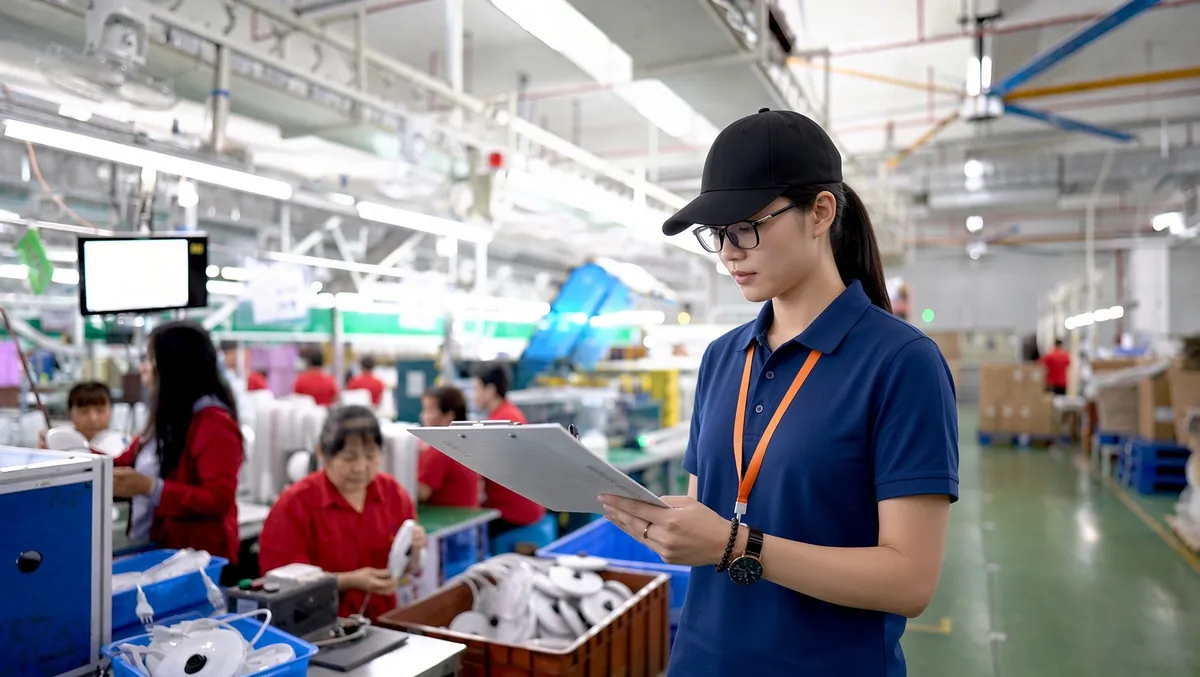 QualityAQL 0.4 inspection standard
Inspection through the run
Quality is checked while the line is running, against criteria you have signed — not judged at the door once it is too late to matter.
- Materials checked before the line starts
- Inspections at fixed points through production
- A pre-shipment check before the balance releases
- Photos and video at each milestone
-
 BorderEntry duty · GST filed
Customs, duty and GST
Each line is classified, the preference is documented, and the delivered cost is set before you commit.
- HS code per line, and the basis for it kept on file
- The duty preference documented where the goods qualify
- Duty and 10% GST built into the delivered cost
- Entry data prepared for your broker, in your name
-
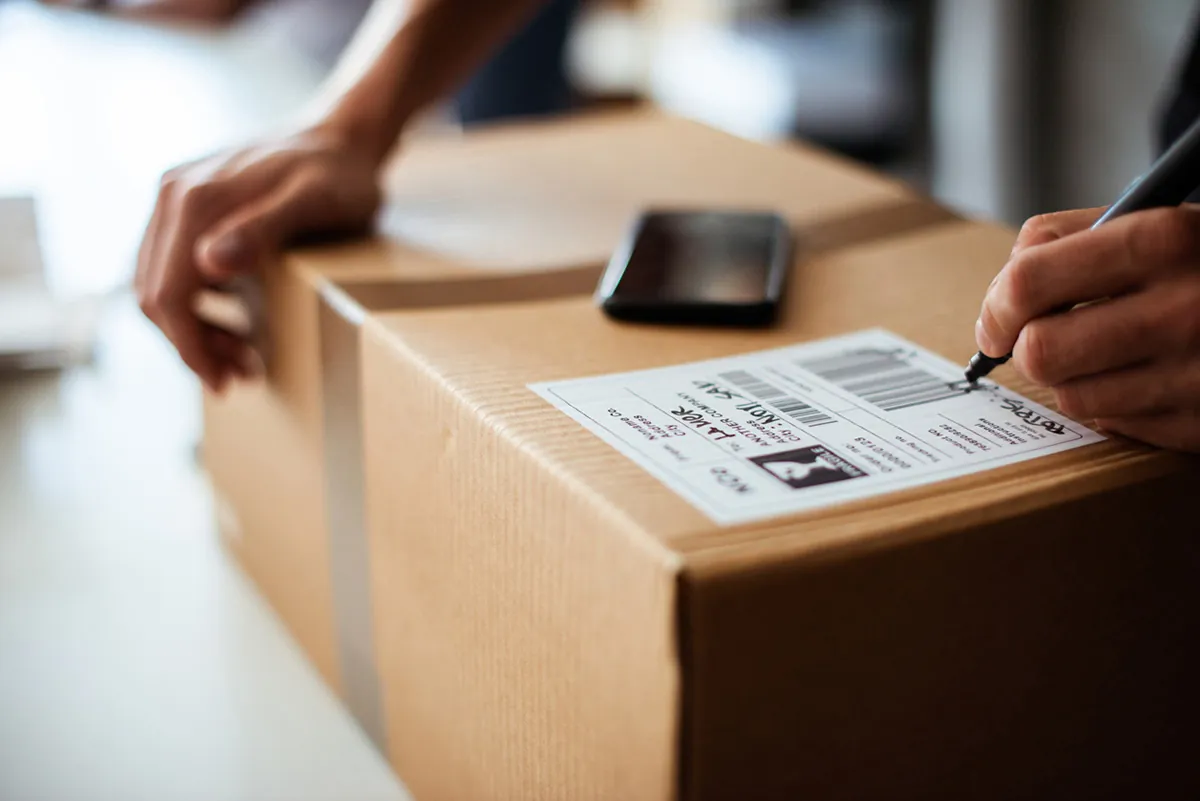 Private labelPack label · carton · insert
Shelf-ready own-brand packs
We build the pack with the order — the retail box, the shipper and the printed label all ready when the goods are.
- Artwork proofed on the real material, not a screen
- Importer name, ABN and country of origin printed in
- Warnings and battery-safety text set to the SKU's standard
- Barcodes for retail, marketplace or your own 3PL
-
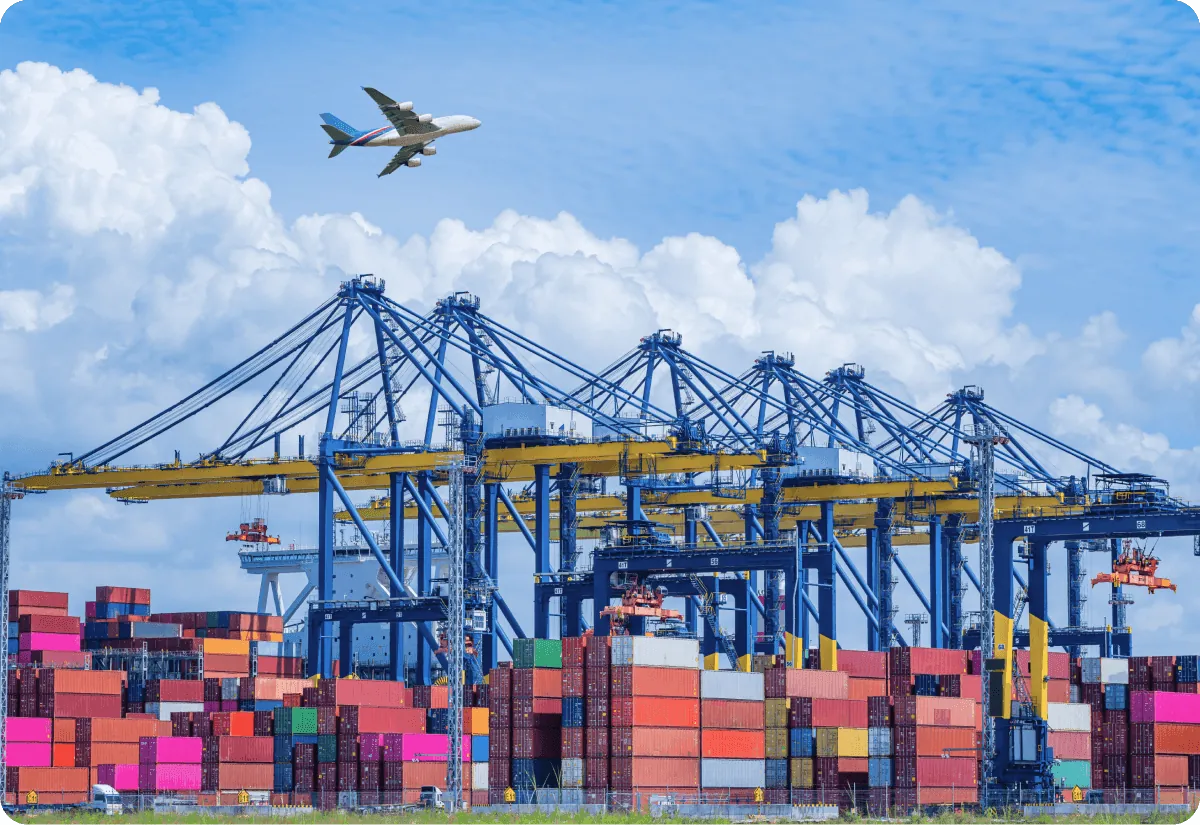 FreightDDP delivery terms
Freight, cleared and delivered
Booking, clearance and the last mile run as one job — to your door, not to the port.
- Ocean or air booked to the delivery window
- Cleared at the border, with duty and GST paid
- Booked to your address, not a container terminal
- One tracking thread, loading to delivery
-
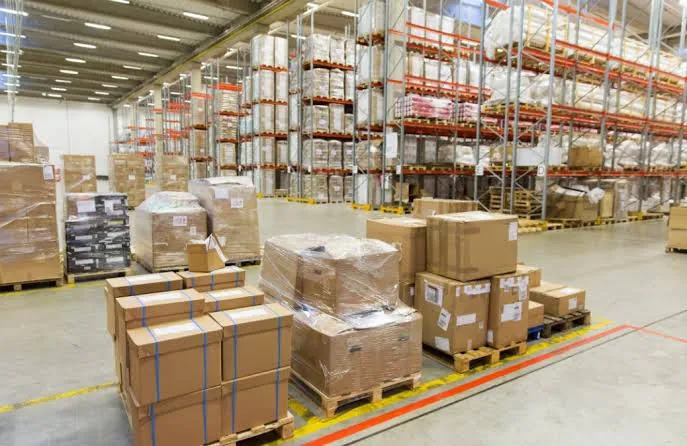 Logistics1 entry multi-factory orders
Consolidation across suppliers
Order from more than one factory and it still moves as a single consignment and a single entry.
- Cartons from several makers merged into one consignment
- One set of documents per entry, not one per factory
- Shipping marks and counts reconciled before loading
- One duty and GST calculation for the whole order
One Value Line, Two Paths
One value line, two paths — how your order clears depends on the AUD 1,000 threshold
Australian imports split at a single customs value: AUD 1,000. Below it, an order is a low-value import; at or above it, a formal entry with duty, GST and biosecurity applies. The same product takes two different routes.
A low-value import: generally no duty at the border, and any 10% GST is collected at the point of sale by a GST-registered supplier. No Certificate of Origin is required.
- Self-assessed clearance (SAC)
- GST at sale, not at the border
- No duty claim to document
A formal import entry: duty assessed, 10% GST paid at the border on value plus duty plus freight, and biosecurity conditions applied to the goods and the packaging.
- Full import declaration
- Duty and 10% GST at the border
- DAFF biosecurity and standards apply
The threshold is measured on the customs value of the whole consignment, not on each item. Splitting one order into parcels to stay under the line is treated as a single consignment and does not avoid duty or GST. Above the line, the formal path is the only honest one.

A Time Zone That Works For You
A time zone that works for you — only 3 hours behind Sydney, with same-day answers
China runs 2 to 3 hours behind Sydney, so the working day overlaps rather than inverts. A question sent with your morning coffee is a question we can put to the factory, sample and answer before your afternoon.
Sydney desk
China desk (Sydney time)
Shared desk hours
Sydney time, 24-hour clock- A morning message reaches a factory the same morning
- Samples and photos land while you are still at your desk
- Nothing waits overnight for an answer
Through daylight saving (roughly October to April) Sydney is 3 hours ahead of China; the rest of the year it is 2. Either way the desks overlap, so a decision is rarely held up by the clock.
Run It in a Straight Line
Run it in a straight line — 7 stages from brief to a cleared, delivered order
One schedule and seven stages, each with a window you can plan around. Nothing here is a surprise at the port, because the border work runs alongside production rather than after it.
- 01 Hours 0–48
Your landed number, in writing
One AUD figure covering the goods, duty, GST and delivery — before you commit.
- 02 Days 2–7
A shortlist you can audit
Only factories we have walked in person go on the list.
- 03 Days 7–14
Spec and compliance locked
The written acceptance spec, the HS code and the label standard are agreed before sampling.
- 04 Days 14–28
Counter-sample, signed off
Built to your written spec and approved before the bulk run begins.
- 05 Weeks 4–8
The run, inspected in stages
The run is inspected at fixed points, then cleared by a final pre-shipment AQL.
- 06 Ship week
Cleared and costed at the border
The border file built at spec stage is lodged and cleared; the goods release to your forwarder.
- 07 Week 9+
Delivered to your address
Goods at your door with the full document set, and one tracking thread to close.
Who Owns the Landing
Three ways in, one that lands it — 17 checks behind a single cleared AU order
Buy from the factory yourself, hand the order to the factory's freight agent, or run it with a team that owns the border. Only in the third case does one party carry the product, the paperwork and the landed cost.
Worked Examples, Labelled
Worked examples, labelled — 2 AU orders, before and after the border was handled
Two categories where reading the border correctly changed the delivered cost. The change comes from the duty claim, the packaging spec and the entry — not from a cheaper factory.
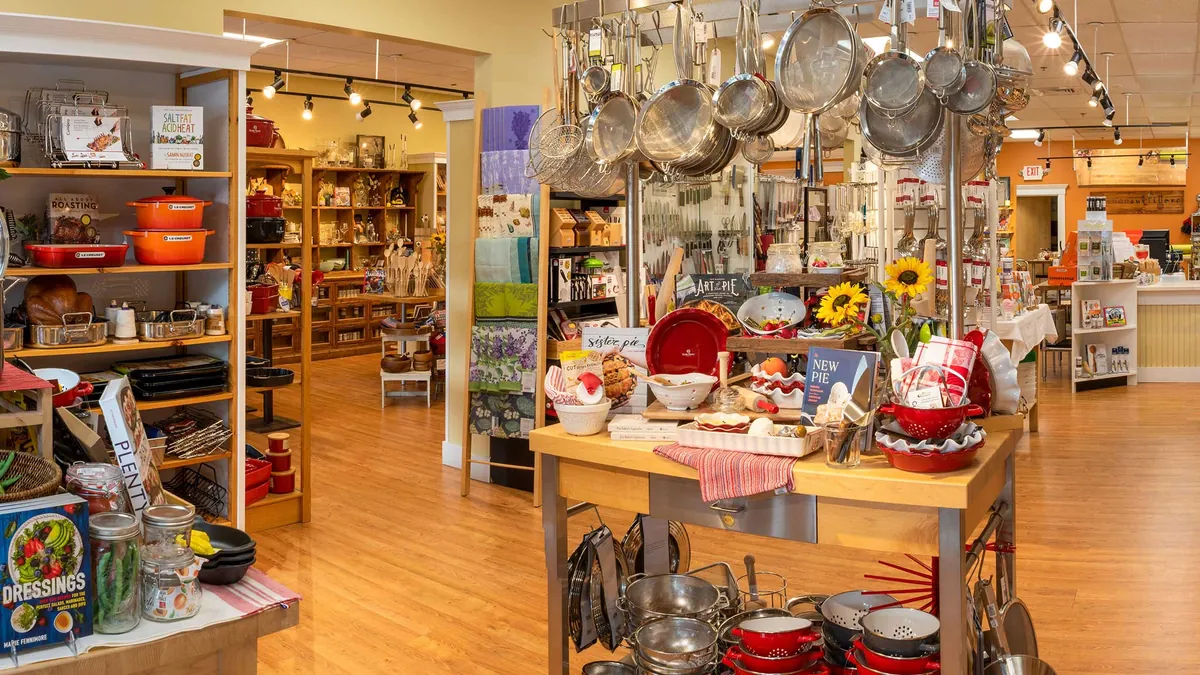
Home and kitchen, the duty claim fixed
Before
Every line carried the base-rate duty, and the freight was booked too late to consolidate.
After
The qualifying lines zero-rated under ChAFTA, one consolidated shipment, the delivered cost set before the PO.
Orders crossed the low-value threshold with no Certificate of Origin, so the full duty was assessed and the freight was booked too late to consolidate.
We arranged the ChAFTA Certificate of Origin for the qualifying lines, classified each SKU, and consolidated the shipment so the duty fell away and the freight dropped.
Clearing the duty the order had been carrying, and consolidating the freight, brought the delivered cost down on the same product from the same factory.
Nothing about the product changed. The origin claim and the entry existed before the PO.
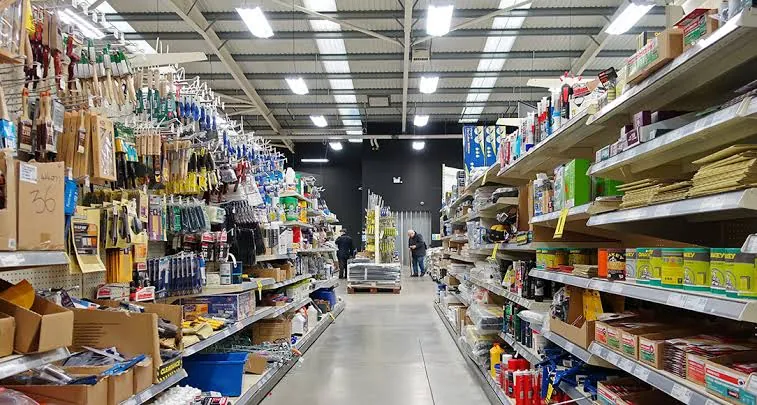
Building hardware, the biosecurity hold cleared
Before
Wood packaging arrived without the ISPM 15 mark, and the consignment was held at the wharf.
After
ISPM 15 packaging declared up front, the duty-bearing lines separated, and no hold.
Wood packaging arrived without the ISPM 15 mark, the consignment was held, and the re-treatment and storage landed on the buyer's account.
We specified ISPM 15 packaging and the packing declaration, reclassified the lines, and separated duty-bearing from duty-free SKUs on the entry.
The hold disappeared and the delivered cost fell once the duty was claimed off the qualifying lines and the packaging was right.
The product was unchanged. The packaging spec and the entry existed before the goods shipped.
Illustrative examples. These two are representative of the change we make, not quoted client results.
The Standards You Can't Skip
The standards you cannot skip — 12 obligations across five product families
Whether a product can legally be sold in Australia is decided by a handful of standards, not by its price. This is what each product family has to satisfy before it can clear and go on sale.
| Product family | RCM mark | EESS registration | ACMA EMC and labelling | ACCC mandatory standard | Test evidence | Correct label |
|---|---|---|---|---|---|---|
| Electrical and electronics In-scope electrical equipment needs the RCM; Risk Level 2 and 3 also register in the national EESS database. | Required | Conditional - depends on the SKU | Required | Conditional - depends on the SKU | Required | Required |
| Toys and children's goods AS/NZS ISO 8124 for toys, and a child-resistant battery compartment for anything that takes a coin cell. | Not applicable | Not applicable | Conditional - depends on the SKU | Required | Required | Required |
| Cosmetics and chemicals Ingredient and labelling rules apply to every SKU; chemistry test evidence is conditional on the formulation. | Not applicable | Not applicable | Not applicable | Conditional - depends on the SKU | Conditional - depends on the SKU | Required |
| Timber and building products Declared timber treatment and mandatory building-product evidence, checked against the standard for the product. | Not applicable | Not applicable | Not applicable | Conditional - depends on the SKU | Required | Required |
| Biosecurity and ISPM 15 packaging Wood packaging must carry the ISPM 15 mark and travel with a packing declaration, or the consignment can be held. | Not applicable | Not applicable | Not applicable | Not applicable | Required | Required |
The filled cells are the obligations that must be satisfied before the goods can be supplied in Australia. Which ones apply to you turns on the SKU, not the category — so we confirm the standard for your product before the order, not after.
Written Down, Not Promised
Written down, not promised — 10 standard documents, and the deal terms behind them
A standard Australian import moves on a known document set, and how we hold those documents and structure the deal is what you approve before any work starts.
- Open-book quote
The factory price and our fee sit on separate lines
Every quote shows what the factory charges and what we charge, on separate lines, so you can see the margin rather than infer it. The price you sign is the price we order at.
- Milestone release
The balance clears against the report
Payment runs on production milestones, and the final balance releases against the pre-shipment inspection report — not a photo of a loaded container. If the report does not clear, the money does not move.
- Importer of record
Every border document is in your name
The border file is issued in your name, not ours. You are the importer of record, you hold the documents, and any duty and GST paid are yours to recover where the law allows.
From Australian Importers
From Australian importers — 16 months on, what they stopped chasing
Two Australian buyers, two product lines, and the same thing they both stopped doing: chasing a duty claim, a label and a landed number that only appeared after the goods had shipped.
Kestrel & Vine sells home and kitchen on Amazon AU, and for two years the landed number only appeared after the container had cleared — duty one month, a labelling fix the next, a biosecurity query the month after.
LeelineGroup priced the duty and the 10% GST before we committed, arranged the ChAFTA Certificate of Origin for the lines that qualified, and had the RCM file and the battery-warning labels built into the pack artwork rather than added once it had landed. They also caught two SKUs sitting just under the AUD 1,000 line and kept them out of a mixed consignment that would have pulled the whole order into a formal entry.
Sixteen months on, I approve one AUD landed cost and the goods arrive matching it. I have stopped budgeting for the surprises.

Harriet Rowntree
Founder, Kestrel & Vine
Heavy freight, an RCM question on anything with a plug, and a duty decision on every line — that is what importing fitness equipment into Australia actually looks like.
Before, we were price-shopping factories and discovering the border only once the goods were booked. LeelineGroup classified every SKU, worked the ChAFTA claim on the lines that qualified, and put the freight, the duty and the 10% GST into a single landed figure we could quote against. The RCM evidence and the responsible-supplier paperwork came with the order, instead of a month of back-and-forth.
What changed is simple: I stopped finding out my real cost at the port and started approving it before the PO.

Callum Kendrick
Operations Director, Southern Cross Fitness
Straight Answers for Australian Importers
Straight answers for Australian importers — every answer in 52 words or fewer
Does a ChAFTA Certificate of Origin guarantee zero duty?
No. It supports a claim only if the goods actually meet ChAFTA's rule of origin and the certificate is valid and covers the shipment. A certificate for goods that do not qualify creates no preference, and a claim without one can be refused.
When does the AUD 1,000 threshold actually apply to my order?
It applies to the customs value of the whole consignment, not to a single item. Below AUD 1,000 the goods are a low-value import with no duty at the border; at or above it, a formal entry, duty and 10% GST apply.
Who can be the importer of record for my shipment?
Usually you, through your own Australian company, which is why the entry and the liability sit with your business. We prepare the data and run the process, but the importer of record is the party the law holds responsible — decide that before the goods ship.
What if my wood packaging isn't ISPM 15 compliant?
Biosecurity can hold the consignment and require treatment, re-export or destruction, all at your cost. The fix is upstream: specify ISPM 15 packaging, confirm the mark, and have a packing declaration ready before the goods leave the factory.
Does a CE mark satisfy Australian standards?
No. Australia runs its own schemes — the RCM, EESS registration and ACCC mandatory standards — and a CE mark does not substitute for them. Electricals and battery products need Australian evidence even when the same item is CE-compliant in Europe.
If my order is small, do I still pay GST and duty?
Under AUD 1,000 in customs value, generally no duty at the border, though a GST-registered supplier may collect 10% GST at the point of sale. At or above the threshold, duty and 10% GST are assessed on the import.
Can goods from several factories still clear on one entry?
Yes, if they are consolidated into one consignment and declared honestly as such. Combining factories usually lowers freight and clearance cost, because you pay for one entry and one delivery rather than several. Splitting an order to dodge duty does not work.
What voids a duty preference after it's been claimed?
A certificate that does not cover the goods, goods that fail the rule of origin, or a shipment routed through a third country in a way the agreement does not allow. A refused claim means back-duty, which is why we check origin before the PO.

Talk to a China-based team close to Sydney time — a cleared first order in 30 days
Send the product, the quantity and the destination. We'll come back with the factory options, the HS code, the duty and GST treatment, and one AUD landed cost — before you place a PO.