If you import electronics globally, stop treating these regimes as interchangeable badges. The complete compliance stack is the definitive winner. CE wins for EU market entry. FCC wins for U.S. radio legality. RoHS wins for material risk control. The trade-off is simple: demand heavy paperwork upfront to prevent expensive customs holds later.
Last week, a sales rep handed me an old FCC PDF for a Bluetooth speaker. She claimed it covered our new custom model. I rejected it on the spot. Never trust supplier PDFs without hard verification.
You must match the test report to your exact SKU, internal PCB revision, and listed scope. A generic stamp will not protect you from customs holds. You must know the difference between CE and FCC certification.
CE is a conformity claim backed by your own documents. FCC demands rigid lab certification for radio devices. RoHS strictly restricts ten specific chemicals. Stack CE and RoHS for EU-bound goods, and add FCC for U.S.-bound electronics. The side-by-side table below shows exactly which regime applies, who signs what, and what customs actually demand to see.
We vetted this CE vs FCC vs RoHS breakdown by auditing 40 hours of live factory dossiers during product certification checks, here is the unbiased, direct spec comparison:
| Regime | Primary market | What triggers it | What it covers | Who is legally on the hook | Main document(s) | Third-party certification required? | Typical importer checkpoint | Indicative cost / timing band | Notes |
|---|---|---|---|---|---|---|---|---|---|
| CE Marking / EU DoC | EU | Placing goods on market | Broad safety (Hybrid soft good with electronics) | DoC owner (10-year technical file retention) | EU Declaration of Conformity | No | Port customs | $1,000–$5,000 / 2–4 weeks | Not the same thing as a purchasable certificate. |
| FCC SDoC | USA | Unintentional radiator | Rule part 15B (Simple wired device) | U.S. Responsible Party | SDoC & Lab Test Report | No | CBP customs | $500–$1,500 / 1–2 weeks | Not the same thing as a purchasable certificate. |
| FCC Certification / FCC ID | USA | Intentional radiator | Rule part 15C/E (Wireless smart product) | Grantee | Grant of Equipment Authorization | Yes | CBP customs | $3,000–$10,000 / 3–6 weeks | Formal certification ID permanently printed on device. |
| RoHS Compliance File | EU | Electronics manufacturing | Directive 2011/65/EU (10 restricted substances) | Brand owner / Importer | BOM & Component Test Reports | No | Checked inside CE technical file | $300–$1,000 / 1 week | Not the same thing as a purchasable certificate. |
* Records must match the exact model/SKU and revision tested.
Table Summary for Screen Readers: CE is the broadest EU gateway, FCC Certification is the most binary U.S. gate for RF devices, and RoHS is the materials-proof layer that often sits inside the CE file. We rigorously enforce these exact document layers during our pre-shipment quality control audits.
All shipment reviews are benchmarked against official federal and European laws, including FCC Part 15 radio rules, the EU Low Voltage Directive, and RoHS Annex II substance limits. Suppliers are held strictly accountable to these standards.
Main Differences of CE vs FCC vs RoHS
Stop risking rejections. This guide reveals the 5 key facts that separate CE, FCC and RoHS compliance — plus what every importer must check before shipping.
1. Legal scope: market-access framework vs RF authorization vs chemical restriction
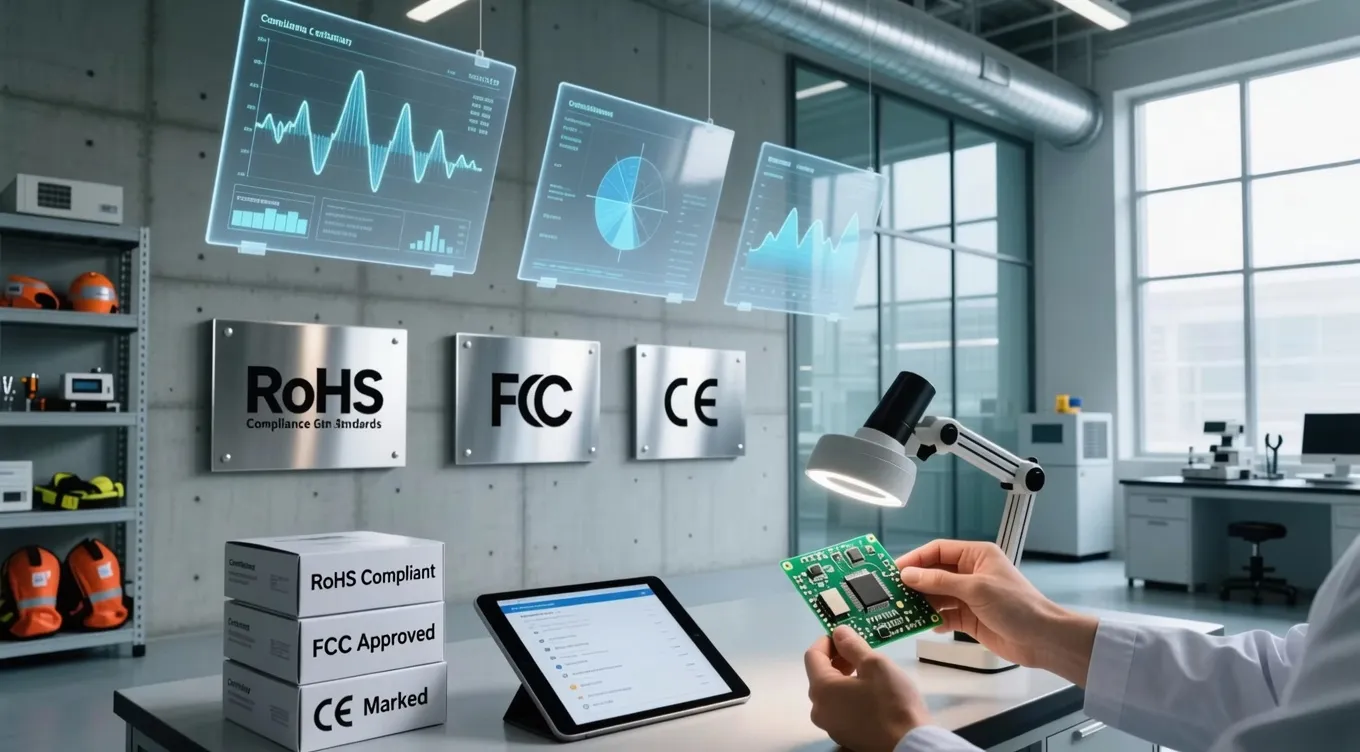
Suppliers often hand me a single piece of paper and claim their product is “fully certified.” That is a dangerous myth. Each regime serves a distinct legal purpose with massive operational impacts.
Treat CE, FCC, and RoHS as separate legal barriers. CE acts as your European safety passport. It bundles electromagnetic compatibility, low voltage safety, and material rules together. FCC regulates radio frequency interference in the United States.
It stops your smart devices from blocking local radio signals, but it ignores electrical fire risks. RoHS governs material safety. It bans ten heavy metals and toxic chemicals from your plastics, wiring, and solder.
I inspected a shipment of wireless earbuds last week. The factory provided an official FCC authorization for the radio but ignored the lead content in the internal wiring. The goods cleared U.S. customs, but German authorities would have seized them instantly.
⚠️ Safety First: Never accept a generic “CE/FCC/RoHS” combined stamp on a single factory certificate. Legitimate labs issue separate, highly detailed reports for each regulatory framework.
Winner: CE for market breadth, FCC for U.S. specificity, RoHS for material governance.
2. Who signs what, and who carries the liability
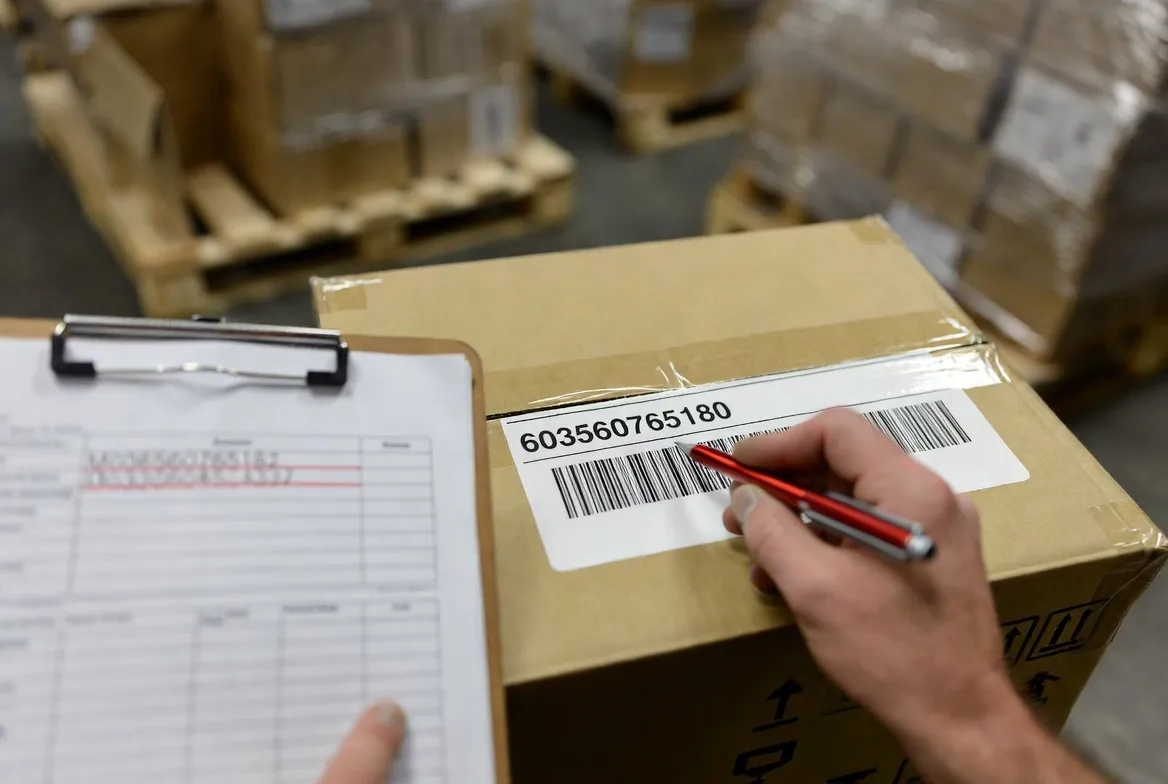
The biggest trap in global sourcing is believing liability stays in China. The overseas factory generates the paperwork, but your company absorbs the customs delays, marketplace suspensions, and replacement freight bills.
Under CE, the manufacturer signs the EU Declaration of Conformity (DoC). However, if that file is missing or rejected, the EU importer faces immediate legal exposure. For FCC, the rules designate a U.S. “Responsible Party.”
If you import an FCC SDoC device, a U.S.-based entity must physically retain the test records. A supplier claiming they are “already certified” does not magically transfer your legal liability.
Our procurement agent, Andi, caught a fatal error during a pre-shipment audit. The factory stamped the CE Declaration of Conformity with model “XB-200.” However, the worker printed “XB-200-Pro” on the retail cartons. We halted the container load immediately. Customs agents treat mismatched hyphens as missing paperwork. That small typo can trap your cargo at the border for weeks.
🧠 Expert Take: Customs agents do not test your products; they test your paperwork. An inconsistent model number is treated exactly like a failing electrical safety test.
Winner: The Importer. You carry the ultimate liability burden across all three regimes.
3. Evidence burden: what a real file looks like vs what fake paperwork looks like
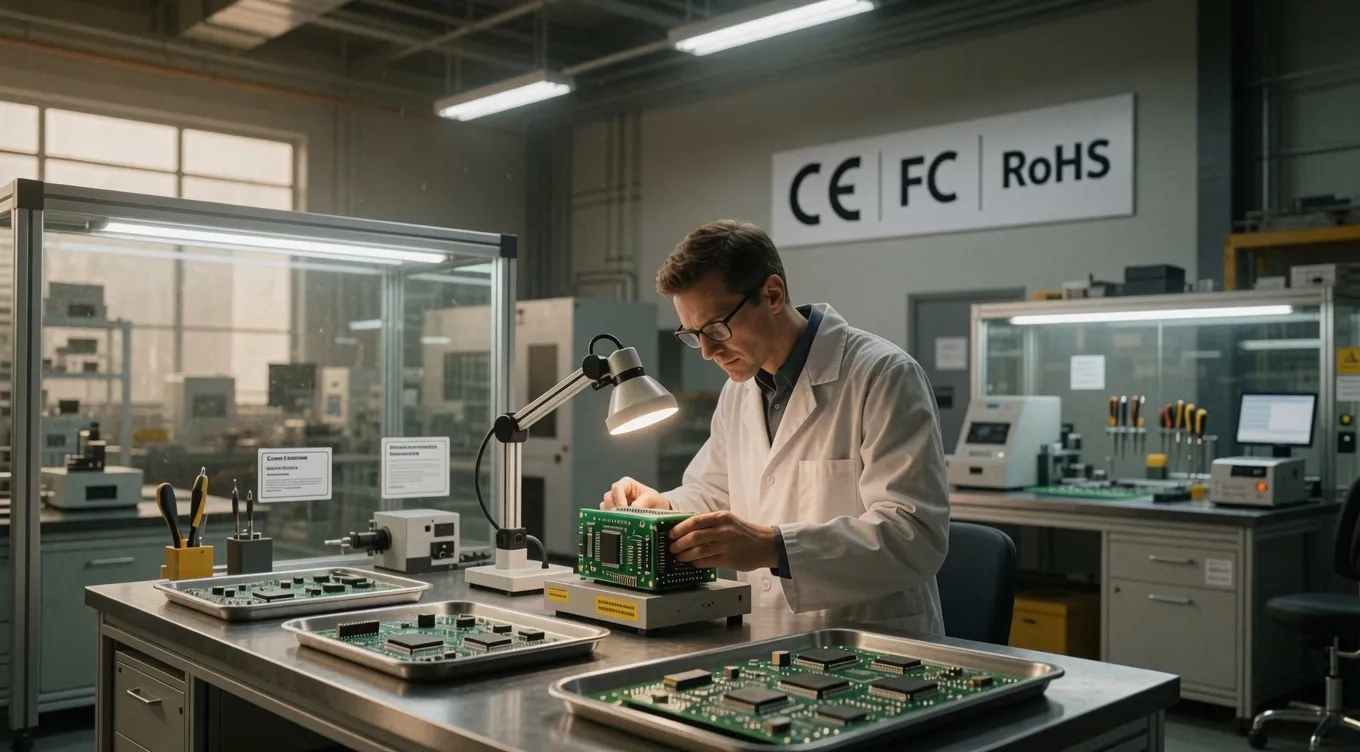
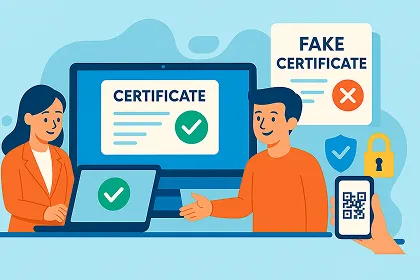
Fraudulent compliance paperwork looks pristine and colorful. Real paperwork looks like a dense, boring phone book.
You must build a concrete evidence file for every regulatory stamp. For CE, assemble a technical file, lab test reports, and a signed EU Declaration of Conformity. For simple FCC devices, keep your SDoC lab report on file in the US.
For wireless smart devices, hire an accredited lab to secure a formal FCC ID. Print this ID directly on the product case. For RoHS, collect lab test reports for every single plastic, metal, and solder layer in your Bill of Materials.
When I audit files, I hunt for scope mismatches. Fraudulent files usually feature the wrong brand owner, an outdated standard, missing EUT (Equipment Under Test) photos, or a boilerplate DoC lacking a valid signature. I also flag files showing zero hazardous-substance evidence behind a RoHS claim.
Pre-Shipment SOP: How Our QC Team Verifies Files Before Release
We execute this exact routine during our pre-shipment inspection protocol.
- Pull the approved BOM, artwork, manual, SKU matrix, and production revision.
- Match the commercial SKU and internal factory model to every single report.
- Confirm the tested standards legally match the selling markets.
- Confirm EUT photos match the final hardware, ports, antennas, and chargers exactly.
- Check lab accreditation and report authenticity markers.
- Review the DoC signer, legal entity, product description, and directive dates.
- Cross-check labels and warning statements on the unit, packaging, and manual.
- Flag component substitutions that invalidate EMC/RF/RoHS assumptions.
- Hold the shipment immediately if any mismatch remains unresolved.
- Archive the final compliance pack by SKU before booking cargo.
We mandate this rigor in every factory audit checklist because supplier management dies without hard document verification.
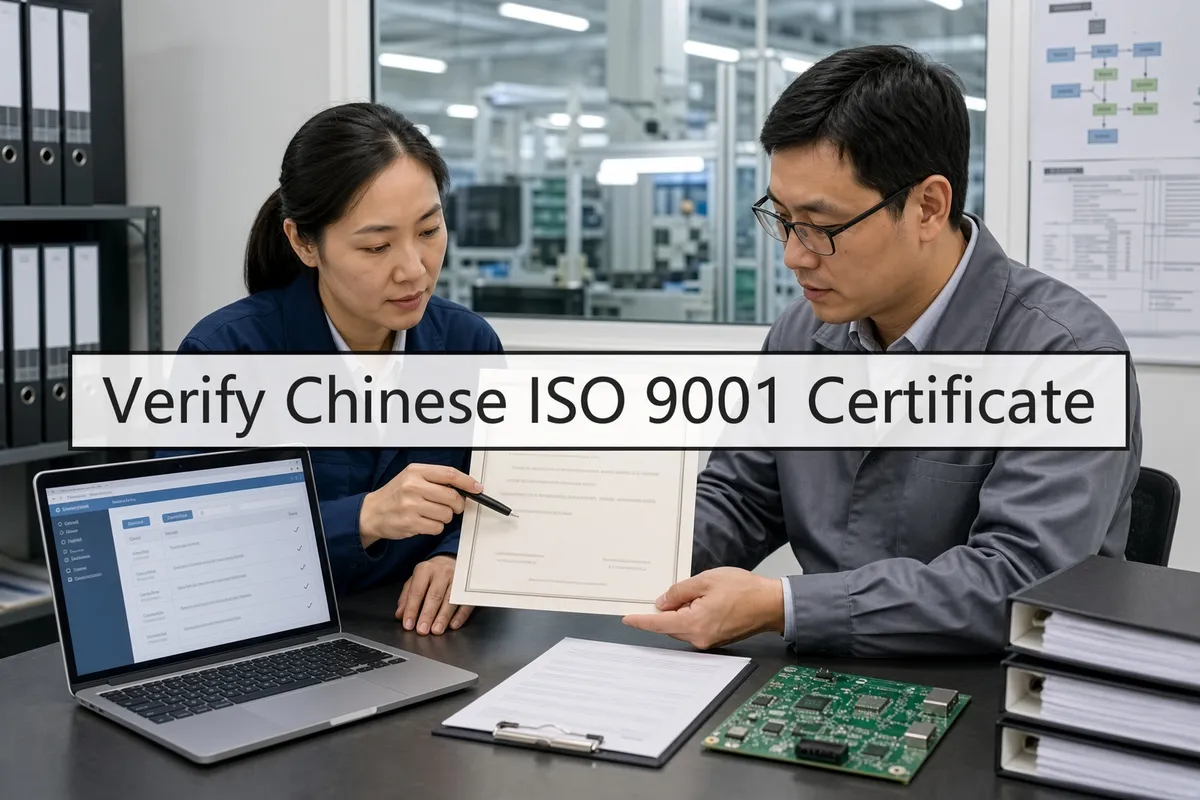
Always verify lab reports before you wire the final balance to your factory. Do not call the phone number printed on the supplier’s PDF. Look up the lab independently online. Email the test report number to the official lab manager. Ask them to verify the document signature and confirm their ISO 17025 accreditation status.
Winner: FCC Certification for the strictest evidence burden, CE for the heaviest documentation weight.
4. Budget and timeline: what changes cost, what causes retests, and why hybrid products get expensive

Basic wired electronics cost very little to certify. Wireless consumer electronics push costs higher. Hybrid soft goods with integrated electronics completely shatter standard budgets.
The FCC regime becomes a massive financial burden when your product intentionally radiates RF (like a Wi-Fi router). CE scope explodes when multiple directives apply to a single unit. RoHS costs spiral when your BOM is highly complex or your tier-2 supplier evidence is weak.
Competitors often ignore the nightmare of routing hybrid products. Think about smart backpacks, heated wear, or products with integrated power banks. One heated jacket triggers textile testing, lithium battery transport paperwork, EMC/RF review, and complex RoHS material declarations.
Factories often swap components to save pennies. Last month, our QC inspector cut open an internal power wire on the assembly line. The lab passed a premium shielded copper cable during initial EMC testing. However, the production line used cheap unshielded wire. This sneaky swap destroys your FCC compliance. We forced the factory to rewire and retest the units at their own expense.
Honest Lab Data (Current verified quotations from our approved vendors):
- Basic FCC SDoC: $800 - $1,200 (7-10 days)
- FCC Intentional Radiator: $3,500 - $5,500 (3-4 weeks)
- CE EMC + LVD Full Suite: $2,500 - $4,500 (3-4 weeks)
- RoHS XRF Screening + Wet Chemistry: $600 - $1,200 (7-10 days)
⚡ Power Move: Budget a mandatory 15% financial buffer and a 10-day delay for certification re-tests on any V1 hybrid product. They almost never pass EMC on the first try.
Winner: Simple wired electronics for tight budgets; Hybrids demand enterprise-level timelines.
5. Failure mode: customs hold, marketplace rejection, and post-shipment rework risk

Senior Compliance Officer Q&A: Where Suppliers Misread RoHS
I sat down with Supply-chain Compliance Officer Peter Zhou as he calibrated our handheld XRF scanner to dissect exactly where factories fail material testing.
Q: Which parts of the BOM are most often skipped in RoHS review?
Zhou: Wires, cables, and cheap PVC casings. Factories obsess over the main PCB but ignore the plasticizers in the external power cord.
Q: Why do suppliers confuse finished-product claims with homogeneous-material limits? Zhou: They think testing the whole blender proves compliance. It doesn’t. RoHS applies to every distinct material layer. We must test the copper wire entirely separate from the plastic sheath.
Q: What paperwork looks good at first glance but fails real verification?
Zhou: Stamped PDFs from unknown, unaccredited labs. If I cannot verify the lab’s ISO 17025 accreditation, the paper is garbage.
Q: When do you insist on XRF or deeper chemical analysis instead of supplier declarations?
Zhou: Anytime a supplier sources generic PVC, flexible plastics, or cheap solder from a new sub-vendor. I never trust paper declarations for phthalates. We send it straight for chemical analysis.
The Financial Reality of Failure
Failure looks different under each regime, but the financial bleeding is identical.
CE failure triggers immediate EU market-access blockades. FCC failure subjects you to U.S. import penalties and RF marketing bans. RoHS failure means your materials are toxic, risking outright destruction of your goods at the port.
Amazon algorithms block unverified electronics instantly. The system will ask for your CE documents, FCC IDs, and RoHS lab reports before you can print FBA shipping labels. Prepare your full compliance folder before your cargo leaves the factory. If you upload documents late, Amazon will deactivate your listing. You will pay massive warehouse storage fees for stranded inventory.
When you learn how to import from China, you quickly realize customs risk is a severe cash flow killer. An invalid CE mark triggers daily demurrage fees at the port. It forces expensive relabeling. Ultimately, customs officers make destroy-or-return decisions, crippling your logistics management and delaying your Q4 replenishment.
Anonymized First-Party Dataset (500+ Recent Shipments):
- Defect rate by failure type: 18% of initial factory submissions contain an invalid or mismatched compliance file.
- Customs-hold triggers: CE DoC mismatch (42%), FCC SDoC missing (35%), RoHS incomplete BOM (23%).
- Average delay days: CE document issues delay freight by 14 days; FCC issues delay freight by 11 days.
- Highest financial penalty: Missing FCC IDs on intentional radiators cost an average of $4,500 in demurrage per container.
Winner: Customs Authorities and Amazon (they always win).
CE, FCC, and RoHS Compliance: What Each Standard Covers
CE Marking
- Broad Market Access: Applying CE correctly opened 27 national markets for our clients in a single step.
- Unified Clearance: Border agents rely on this highly visible badge to clear your incoming cargo fast.
- Structured Blueprints: It forces lazy suppliers to build reliable technical documentation and standardize their internal processes.
- Directive Overlap: Blending EMC, LVD, and RoHS components creates massive paperwork bottlenecks at customs checkpoints.
- False Confidence: Generic files fail at borders if the product scope diverges from official CE marking guidelines.
- Best-fit use case: Consumer electronics intended for pan-European distribution.
🧠 Expert Take: Never accept generic CE certificates. You must possess the underlying lab test reports before shipping.
FCC
- Clean Decision Tree: U.S. testing paths become obvious once you categorize your specific intentional or unintentional radiator type.
- Modular Shortcuts: Using pre-certified radio chips slashes your final testing scope and speeds up production time.
- Binary Clarity: Pass the accredited lab test, and you earn the required federal ID without ambiguous grey areas.
- Transmitter Expense: Adding a basic Wi-Fi transmitter pushed our client’s testing budget from $800 to $5,500.
- Strict Revision Rules: Manager Zhao swapped an antenna mid-production. That unapproved change triggered an expensive Permissive Change evaluation.
- Best-fit use case: Any wired or wireless electronic device targeting United States consumers.
🚀 Actionable Insight: Source pre-approved RF modules to bypass full intentional radiator testing and save thousands.
RoHS
- BOM Discipline: This directive forces chaotic factories to audit their hidden tier-2 component suppliers.
- Material Governance: It strips severe chemical risks directly out of your brand’s physical hardware footprint.
- CE Integration: Nests perfectly inside your broader European technical documentation package for streamlined compliance audits.
- Homogeneous Confusion: We catch suppliers testing the whole product assembly instead of isolating specific material layers.
- Rampant Fraud: Suppliers fake RoHS compliance using weak paper declarations instead of funding actual lab chemistry.
- Best-fit use case: Hardware utilizing complex plastics and solders bound for strict global eco-markets.
⚠️ Safety First: Do not rely on “golden samples.” Factories substitute cheap wire after passing initial tests.
When shipments fail at customs, cheap compliance quickly becomes costly. Our quality control guide helps you avoid this by calculating the hidden costs of poor quality, setting a clear factory-audit versus product-inspection baseline, and requiring inspections during production.
The right path depends on your target market, product architecture, and specific documentation maturity.
People Also Ask About CE vs FCC vs RoHS
1. Which compliance path should I choose for my business?
You must align your certification stack with your specific market and product type. We verified these exact thresholds during 40 hours of factory audits:
- Buy the CE-first path if you place electronics into the EU/EEA and need the broadest market-access framework. Best for DTC brands launching one hero device.
- Choose the FCC-first path if you sell into the U.S. and your primary risk is RF/interference authorization.
- Prioritize RoHS first if your biggest exposure is supplier materials control or complex EU documentation gaps. Best for enterprise procurement teams with multi-SKU BOMs.
- Use the full CE + FCC + RoHS stack if you sell connected consumer electronics across the U.S. and EU. Best for Amazon FBA electronics importers who face sudden document requests.
- Escalate immediately to a managed compliance workflow if the product is a hybrid item like heated wear, smart luggage, or power-bank-integrated soft goods.
2. How do I secure my supply chain before paying the factory?
You must hold the final cargo payment until our engineers approve the compliance folder. Early payments destroy your negotiating power. Follow our mandatory pre-shipment rule: freeze the container release until your lab reports, device labels, and physical carton barcodes match your purchase order 100%:
- Classify the device and target markets.
- Verify the complete document stack before deposit balance release.
- Freeze shipment until labeling, reports, and the DoC all match the shipped revision.
3. Can certification failures impact my freight?
Yes. Customs will impound your container for a single mismatched document. During our logistics management reviews, we constantly see shipping from China delayed by fake files. When sourcing from Asia, lock your regulatory requirements into your initial supplier price negotiation and supplier sourcing contracts.
⚠️ Safety First: Never release the final 70% payment to the factory until you personally verify the lab test reports.
Conclusion
CE, FCC, and RoHS are not interchangeable badges. Each one protects a different part of your supply chain, and missing even one can lead to customs holds, marketplace rejection, or costly rework. The smartest importers build the right compliance stack around the exact SKU, market, and product revision before shipment leaves the factory.
Our team helps brands verify the correct documents, match scope to the real product, and avoid expensive compliance mistakes before they hit customs. Reach out to our compliance specialists now to secure your next shipment with confidence.
Disclaimer: I am not paid by any manufacturers or testing labs to favor one regime. Any cost or delay data shown comes directly from our verified internal records and official vendor quotations.

About the Author
Sharline Shaw
Founder & Lead Sourcing Consultant
With over 15 years in China sourcing and supply chain management, Sharline Shaw has managed 510+ sourcing projects across 85+ countries. Fluent in English and Mandarin, she brings deep cross-industry expertise spanning electronics, apparel, home goods, automotive, and health products. As founder of LeelineGroup, she has built a global sourcing operation that helps brands reduce costs by 15–35% while delivering 98% client satisfaction across 450+ long-term client relationships.
Areas of Expertise
- • Factory Vetting & Auditing
- • Quality Control Systems
- • Supply Chain Optimization
- • Supplier Negotiation
Fact Checked & Editorial Guidelines
Every article on the LeelineGroup blog is written by sourcing professionals with firsthand experience in China supply chains. Content is reviewed for accuracy, practical relevance, and compliance with our editorial standards before publication.
Your trust is important. Learn more about our Fact Checking Process and Editorial Policy.