One hidden port fee can wipe out your profit margins. Learning How To Import From China is not a gamble. After conducting hundreds of Shenzhen and Guangzhou factory audits, I built this step-by-step operating system for e-commerce founders and Amazon FBA sellers.
You control supplier vetting, landed costs, and shipping terms in strict sequence. Experienced importers use these explicit checkpoints to source, verify, ship, clear customs, and receive inventory. According to U.S. Customs and Border Protection, simple documentation errors routinely cause severe shipment delays.
Treat sourcing as a rigid operational sequence, not a quick Alibaba transaction. Secure your quality before inventory leaves the port.
Let us define your exact product specifications before contacting a supplier.
Prerequisites: The Pre-Import Checklist
Timeline: 2–4 Weeks (Prep) | Transit: 7–10 days (Air), 30–45 days (Sea)
I audited hundreds of delayed shipments. I found most How To Import From China failures start before Step 1. Buyers ignore entity setup, compliance planning, and payment controls.
⚠️ Safety First: Never place a deposit before verifying your compliance burden. Batteries, food-contact items, and baby goods trigger strict FCC, FDA, or CPSIA standards.
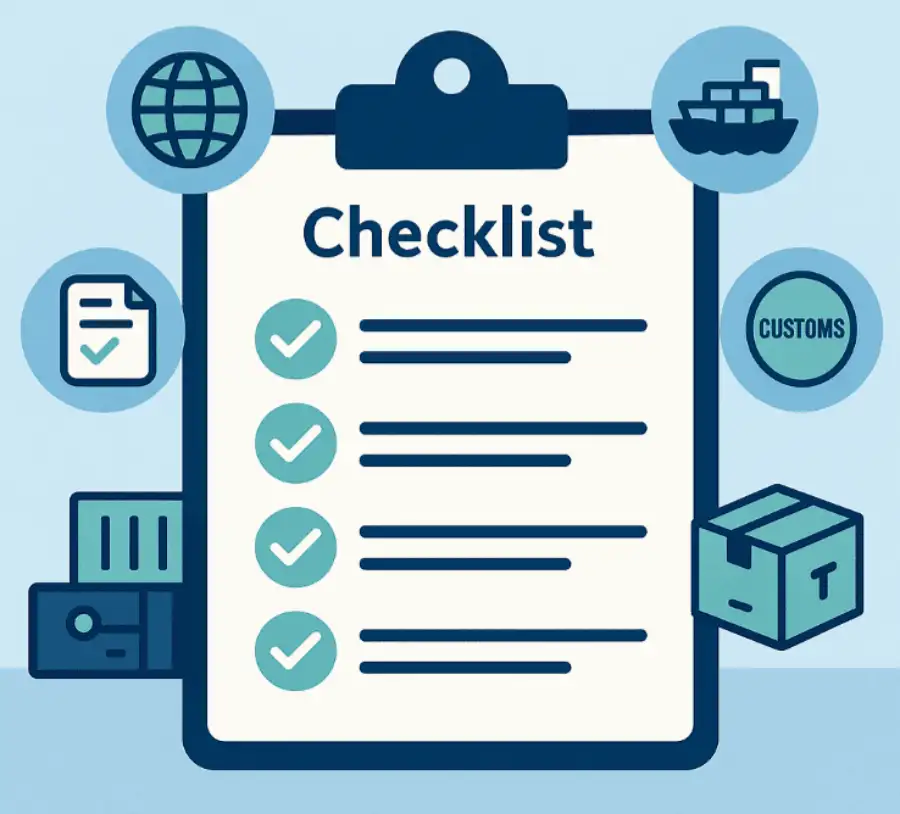
Complete this checklist before outreach:
- Credentials: Secure entity details, EIN, and Importer of Record access. Review the Official CBP Importing Guide.
- Targets: Define product specs, target MOQ, landed-cost ceiling, and destination details before product sourcing or supplier sourcing.
- Budget: Include product costs, samples, tooling molds, inspection fees, freight, duties, customs brokerage, warehouse storage, and a contingency buffer.
- Logistics: Verify payment methods, document Amazon FBA prep rules, and contact a freight forwarder. Use the Official ICC Incoterms resource for shipping terms.
How To Import From China?
Use this roadmap now!
Step 1: Filter Products for Business Viability

Stop browsing supplier directories for product ideas. In my experience, skipping business viability research guarantees disastrous test units (thin plastic, loose seams, overpowering chemical odors, and inconsistent finishes).
Filter products by three strict criteria: market demand, manageable compliance risk, and wide margins after freight and duties.
⚠️ Warning: Avoid high-risk beginner categories like batteries, children’s products, cosmetics, food-contact items, medical devices, and hazmat. Only source these if you master official CBP compliance standards.
Build a go/no-go framework. Define your target sale price, target landed cost, defect tolerance, reorder likelihood, and storage/shipping profile.
Verification: You should now be able to state, “I know my target unit economics before I contact suppliers.”
⚠️ Experience Warning: I recently audited a new Amazon seller who found a cheap $2 unit in Guangzhou. Once we added FBA prep, master cartons, and tariffs, the product became unprofitable. Calculate total landed costs upfront.
Step 2: Select Your Sourcing Channel

Start your search online using platform filters and document verification. Add an agent or book a formal audit when your financial risk justifies it.
Evaluate early replies carefully. You must receive clear replies, specific answers, consistent contact details, and product photos that match the exact listing.
Compare the top three platforms below. Platform badges are helpful trust signals, but they are never final proof.
| Platform | Best For | Factory Mix | Negotiation |
|---|---|---|---|
| Alibaba | Broad categories | Heavy trading companies | Fast, informal |
| Made-in-China | Industrial equipment | Direct factories | Formal, technical |
| Global Sources | Consumer electronics | Large-scale factories | Trade-show driven |
Hire a Sourcing Agent
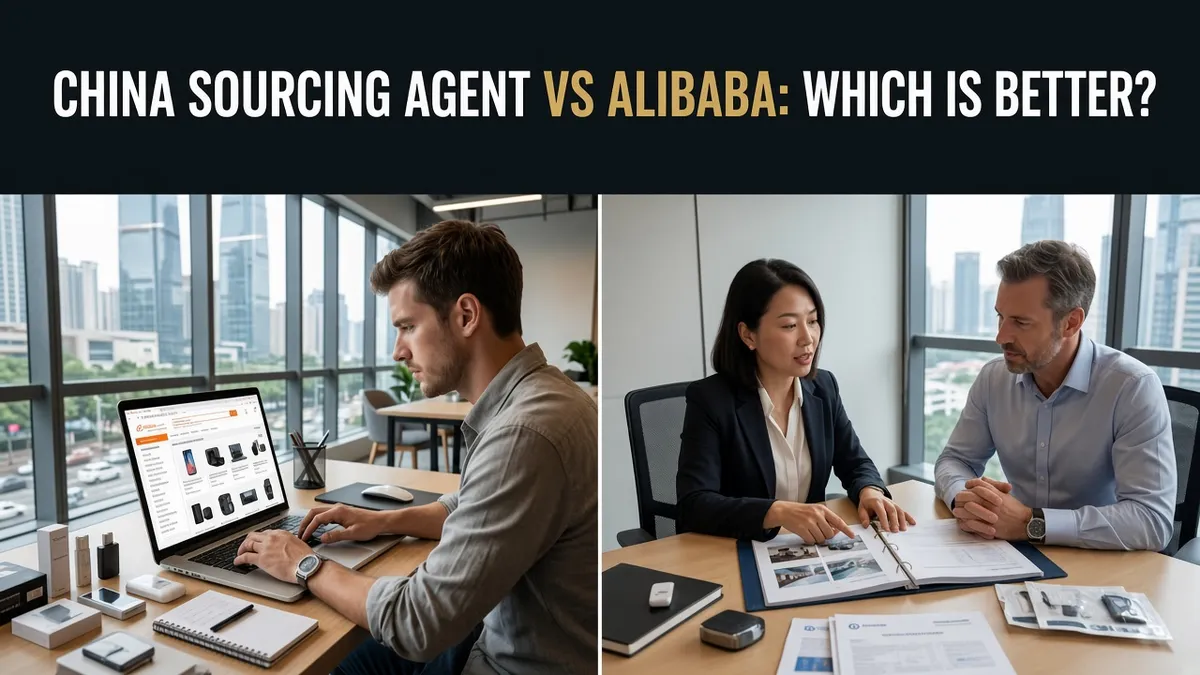
Hire a local agent for supplier sourcing if you are a new importer. Use agents to manage your complex product sourcing pipeline, including multi-SKU orders, custom molds, or severe time-zone barriers.
Visit Wholesale Markets
Fly to China to compare suppliers directly. Attend the official Canton Fair for broad discovery. Walk the Yiwu market for cheap commodities, or visit Shantou for direct toys manufacturing.
Stop your search when you build a shortlist of 5 to 10 viable candidates. Do not rely on a single listing.
🧠 Author’s Verdict: In my experience, online sourcing works perfectly for standard commodities. I exclusively use an agent for custom assemblies to prevent quality fade.
During a Shenzhen audit, I visited a polished front office masking a massive risk. Vague answers and an address mismatch revealed their production was entirely outsourced. Verify suppliers before sending money.
Follow this verification checklist:
- Check the license: Request their Chinese Business License. Compare the Company Name, Registration Number, Address, and Business Scope against their online profile.
- Verify payments: Ensure the Bank Account Name exactly matches the legal entity on the license.
- Demand visual proof: Ask if they are a factory or a trading company. If a factory, request workshop videos, production-line photos, and a machine list.
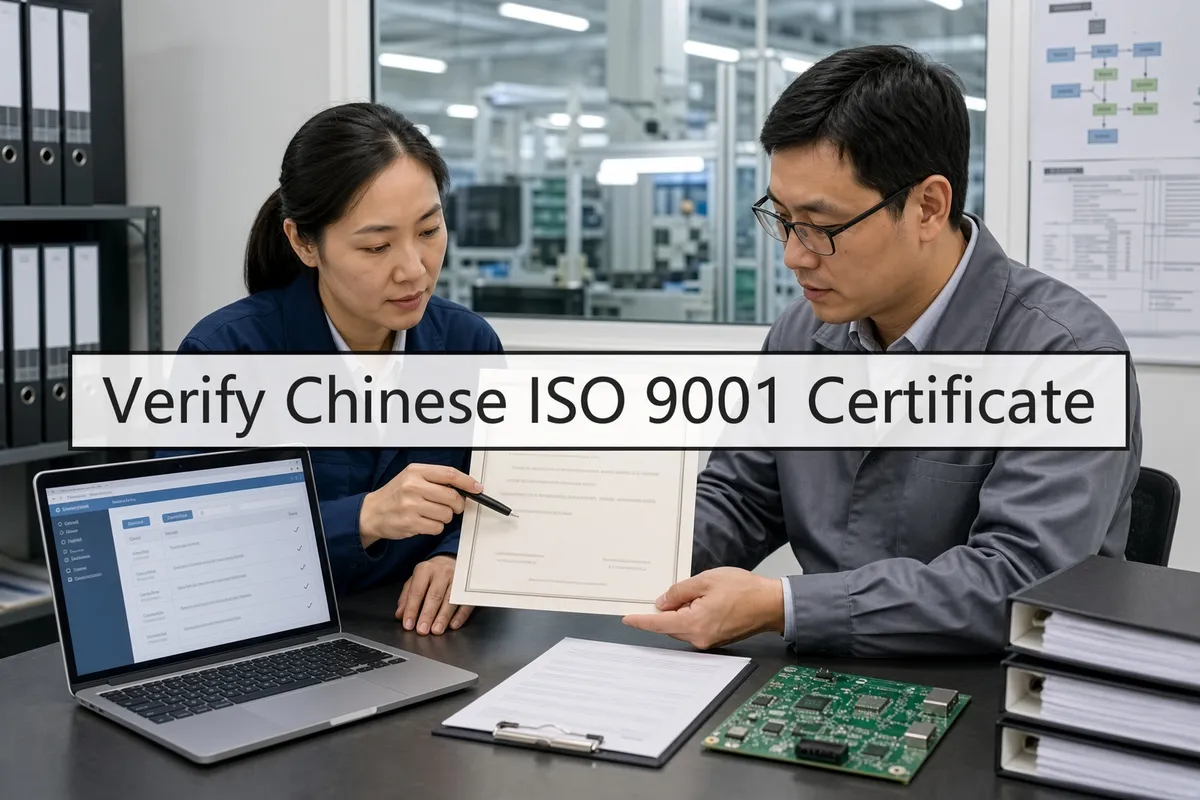
- Check certifications: Request ISO or BSCI certificates. Verify the numbers and scope via the official ISO standards registry.
- Verify experience: Ask for U.S. export records, references, and sample lead times. Add this to your supplier management routine.
⚠️ Warning: Never send rush deposits to personal bank accounts. Scammers frequently change bank details via email. Confirm payment changes via a live video call and a physically stamped document.
A legitimate interaction feels fast and confident. Expect rapid document turnaround, matching legal names, and confident answers during live video tours. Narrow your list to two or three verified suppliers before quoting samples.
⚠️ Experience Warning: The address mismatch I caught in Shenzhen saved my client thousands in defective quality control. Never ignore a factory address that differs from their official license. Force suppliers to show their production line live on WeChat. Scammers cannot fake a live factory floor.
Step 3: Compare Quotes and Incoterms

Suppliers often hide freight costs behind low unit prices. Force an apples-to-apples comparison using a strict Request for Quote (RFQ).
- Draft your RFQ document. Include exact product specs, quantity tiers, packaging needs, compliance requirements, and final destination. Specify if you need OEM vs ODM manufacturing. Send this to your shortlist.
- Build a comparison spreadsheet. Log every returning quote side-by-side. Compare Unit Price, MOQ, Sample Cost, Tooling, Packaging, Production Lead Time, Carton Dimensions, and Payment Terms.
- Define your shipping terms. Consult the official ICC Incoterms documentation to establish liability transfers and avoid customs disputes.
Evaluate these four liability models:
- EXW: You handle all pickup and export logistics. This places the highest coordination burden.
- FOB: The supplier loads goods at their local port. You take over using your own freight forwarder. This provides the safest balance of control and cost.
- CIF: The seller pays freight to your destination port. You still handle destination customs.
- DDP: The simplest door-to-door model. The supplier handles all transit. Clarify hidden insurance fees before paying.
You should now identify the genuinely cheaper quote after calculating the responsibility transfer.
⚠️ Experience Warning: My first import used an EXW quote because the unit price looked unbeatable. I lost those savings paying Chinese trucking and export clearance fees. Always request FOB or a vetted DDP price to see your true landed cost.
Step 4: Order and Inspect the Golden Sample

Skipping samples to save time often yields thousands of unsellable units. Samples are the last cheap mistake you get to make.
Follow three stages:
- Order an off-the-shelf sample to check baseline capabilities.
- Request a revised sample with custom modifications.
- Approve the exact golden sample before mass production.
Inspect this sample like an operator. Verify dimensions, color consistency, and functionality. Feel the weight and finish. Smell the materials for chemical odors. Test the fabric fit, stitching tightness, button resistance, and zipper feel. Assess print sharpness. Drop the item to test durability. Verify the sturdiness of your types of packaging materials.
For Amazon FBA, verify compliance now. Scan the barcode placement with your phone. Check polybag suffocation warnings and set labeling.
When using a private label service for product development, never rely on WeChat screenshots. Use your approved sample and a written spec sheet as the legal baseline. Both parties must reference this exact physical unit or approved video set before production.
Move forward only when the unit passes your quality control checklist.
⚠️ Experience Warning: I always sign and date the golden sample with a marker. I mail one signed unit back to the factory and keep the identical twin. This physical proof eliminates factory excuses during bulk production.
Step 5: Calculate Landed Costs and Verify Compliance

Before sending your deposit, merge your financial math with legal reality. I often see beginners approve a great sample, only to lose their budget at customs. “Too much complexity” for a first order looks like this: multiple certificates, lithium battery warnings, hazmat restrictions, or rigid fragile packaging rules.
First, identify your product’s HS Code (Harmonized System). Do not blindly trust your supplier’s casual code suggestion. In my experience, factories frequently pick cheaper codes that trigger costly port audits. Confirm the exact classification using the official HTS Search Tool.
Next, verify your category compliance rules. Ensure electronics possess FCC approval. Confirm food-contact items clear official FDA guidelines. Remember that children’s products trigger strict testing and labeling.
Now, calculate your true landed cost. Open a blank spreadsheet. Add your Unit Cost, Tooling Fees, and Sample Amortization. Include your costs for quality control inspections. Add Inland China Trucking, Freight, and Insurance.
Next, calculate your import duties using the Product Value and your verified Duty Rate. Add Customs Brokerage, Destination Delivery, and FBA Prep fees to the total.
Run a margin sanity check. Divide your total cost by the unit count. Compare this per-unit landed cost against your required sell price.
You should now possess a clear go/no-go profit threshold. Send this data to your freight forwarder to verify the math before signing the Purchase Order.
⚠️ Experience Warning: During a recent shipment, a client assumed a 5% duty rate based on a supplier’s email. Customs reclassified the item at 25%, wiping out all profit. Always verify tariffs yourself before wiring the deposit.
Step 6: Draft an Enforceable Purchase Order

In my experience managing global supply chains, moving from WeChat to a formal contract prevents expensive disasters.
Draft your Purchase Order (PO). List the exact product specs, approved sample reference, quantity, unit price, packaging, carton marks, lead times, and refund rules.
Add your chosen Incoterm to the Pro Forma Invoice (PI). The Incoterm dictates your legal liability, not just your freight pricing.
Set strict payment schedules. Pay for sample orders upfront. Negotiate milestone payments for bulk orders. As you build supplier management history, request better credit terms.
Protect your intellectual property. If using a private label service, attach vector logo files and specify mold ownership in writing. Require written approval for packaging artwork. For OEM vs ODM manufacturing, sign an ironclad NNN (Non-Disclosure, Non-Use, Non-Circumvention) agreement.
Define your quality clauses. State your acceptable defect thresholds (like AQL 2.5). Specify exactly who pays for rework if an inspection fails.
Review the stamped PI carefully before sending funds.
⚠️ Experience Warning: Scammers frequently change bank details after you approve the PI. This is the highest-trust risk in overseas sourcing. I always require live video confirmation of the exact bank account number before I authorize a wire transfer.
Treat quality control as an active production-control tool, not a final box-check.
- Choose your inspection method. Match your strategy to your order risk. Use an in-house team or a third-party inspector for standard orders. Hire a sourcing agent for complex items.
- Schedule three inspection phases. Do not wait for completion. Conduct pre-production alignment, inline inspections during manufacturing, and a final pre-shipment inspection. This catches fixable errors early.
- Set your AQL standard. Implement the standard AQL 2.5 protocol. This Acceptable Quality Limit means inspectors randomly check a batch and pass it if the defect rate remains under 2.5 percent. Require a 100 percent full inspection for high-ticket items.
- Execute the sensory checklist. Unpack random units and compare them against your golden sample. Look for loose threads, chemical odors, scratches, and uneven paint. Check for weak seals, carton crush, inconsistent dimensions, and barcode scan failures. Verify total quantity, workmanship, function, and carton marks. Perform a packaging drop-test.
- Review the formal report. Demand a document with timestamped photos and videos. Tie the Pass or Fail decision directly to your Purchase Order. Log this data in your supplier management system.
⚠️ Experience Warning: During a Guangzhou audit, a supplier switched to a cheaper plastic component after sample approval. We caught the flaw only because we ran a rigid pre-shipment inspection. Never release your final payment until you review timestamped proof of quality.
Step 7: Select Your Shipping and Consolidation Strategy
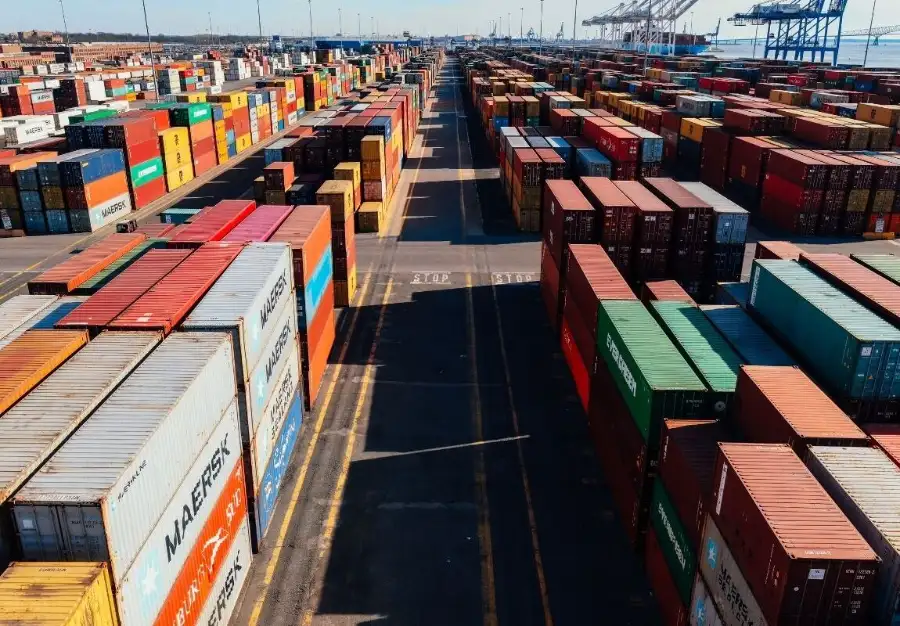
Treat shipping as a margin decision, not an afterthought. In my experience, poor logistics will erase your profits. Choose your shipping method based on speed, cost, and operational simplicity.
Review the shipping options below. Match the Shipping Method row to your Cost Profile and Best For criteria.
| Shipping Method | Best For | Cost Profile | Transit Time |
|---|---|---|---|
| Sea Freight | Bulk orders | Lowest unit cost | 30 to 45 days |
| Air Freight | Urgent replenishment | High unit cost | 7 to 10 days |
| Express Courier | Samples and small parcels | Highest unit cost | 3 to 5 days |
Split your shipments to protect cash flow. Send 20% of your launch stock via Air Freight. Ship the remaining 80% via Sea Freight.
Separate your logistics roles to avoid confusion. Use a sourcing agent to find products. Hire a dedicated freight forwarder to manage export logistics. Use a licensed customs broker to clear your goods.
Select DDP for hands-off convenience. Choose FOB for strict carrier control.
⚠️ Warning: DDP convenience does not remove your legal liability for accurate customs declarations and cargo insurance.
Consolidate goods from multiple factories. Route all inventory to a central China warehouse before export.
Finish your Amazon FBA prep services in China. Apply your FNSKU labels and build clean, organized master cartons before shipping.
⚡ Speed Verification: Splitting shipments saved my Q4 launch. The rapid air freight kept my Amazon listing active. The delayed sea container absorbed the heavy volume and protected my profit margin.
Step 8: Manage Customs and Verify Documentation

Treat customs as a rigid documentation system, not a last-minute event. In our operations, successful clearance happens weeks before cargo reaches the port.
Follow this timeline: prepare documents, secure broker review, file pre-arrival paperwork, pay duties, secure release, and schedule delivery. Advanced buyers often coordinate their own freight forwarder. Newer importers should use a managed logistics chain.
Gather your core documents. Collect the Commercial Invoice, Packing List, and Bill of Lading (or Air Waybill). Obtain required permits. Secure a Customs Bond for U.S. entries. Consult the official CBP documentation guide for exact entry requirements.
Perform a strict sensory check across all files. Verify that product descriptions, declared values, quantities, weights, HTS Codes, and consignee details match perfectly on every page. Build this verification into your supplier management routine.
⚠️ Experience Warning: I recently audited a shipment where the packing list showed 500 cartons, but the commercial invoice listed 499. Customs flagged the mismatch and held the container for three weeks. Verify absolute consistency before the vessel sails.
Step 9: Execute the Arrival and Receiving Checklist
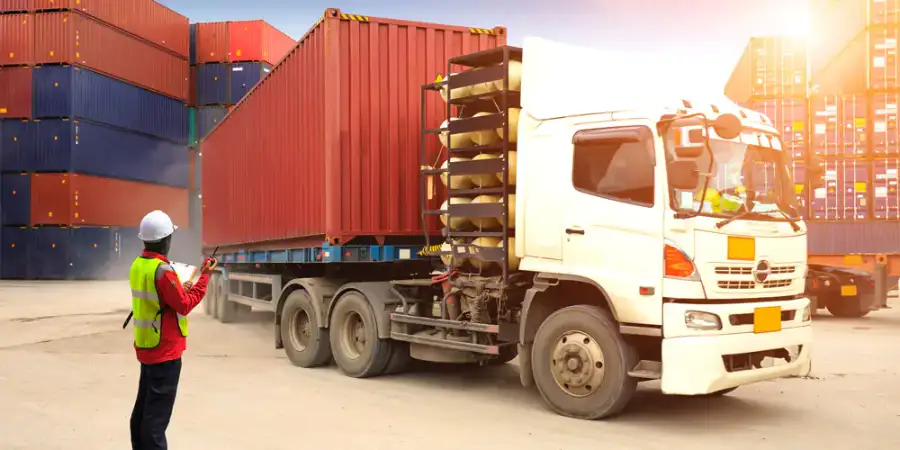
Arrival is a control point, not the finish line. ⚠️ Warning: Do not blindly sign the delivery receipt. This destroys your insurance claim rights.
- Reconcile paperwork: Match the physical cargo against the Commercial Invoice and Packing List. Count the exact master cartons.
- Perform a sensory check: Inspect pallets for structural integrity. Look for crushed corners, wet packaging, or missing labels. Open a random box to compare the product’s feel and finish against your golden sample.
- Document issues: Separate transit damage (crushed boxes) from factory defects (bad stitching). Take timestamped photos immediately.
- Enforce the 24-hour rule: Notify your supplier, forwarder, or insurer within 24 hours while the evidence is fresh.
- Route inventory: Send goods to your facility, hold stock in a China warehouse for staging, or use Amazon FBA prep services for barcode compliance.
Expected Result: You safely sign the delivery receipt with a logged arrival report. If issues arise during this quality control check, initiate a claim immediately.
⚠️ Experience Warning: I once waited three days to report a forklift puncture. The forwarder denied the claim. Take your evidence photos while the delivery driver is still standing on your dock.
Step 10: Review Performance and Scale Operations

Build a system for your second order. I found stopping at one shipment guarantees stagnant margins.
Verify signs of an improved second order: fewer clarifying messages, faster approvals, cleaner cartons, and predictable lead times.
Build a supplier scorecard in a spreadsheet. Track quality, communication speed, lead-time accuracy, defect rate, and landed-cost accuracy. Log lessons learned for future Purchase Orders.
Execute scale tactics immediately. Negotiate better payment terms. Shift from emergency air to planned sea freight. Consolidate SKUs. Build a backup factory network via continuous product sourcing.
Add support infrastructure as volume rises. Hire an agent for tighter supplier management. Hold buffer inventory in a China warehouse to prevent stockouts.
🧠 Author’s Verdict: I kept mediocre suppliers too long because switching felt painful. Use your scorecard ruthlessly. If defect rates rise on batch two, activate your backup immediately.
Troubleshooting of Import From China
The supplier changes bank details after I approve the order.

This is the fastest way importers lose money. Hackers routinely intercept emails to alter wire instructions.
⚠️ Warning: Stop the payment immediately if bank details change.
- Call your factory contact on live video to verify.
- Match the new bank beneficiary to their official business license.
- Require a stamped confirmation document before sending funds. Log everything in your supplier management system.
The sample looked good, but the bulk order is worse.
We call this “quality fade.” In auditing hubs like Shenzhen or Guangzhou, I see buyers trust polished sales teams too early. They discover cheap subcontracting only when it costs too much to fix.
- Sign a physical “golden sample” with strict written specs.
- Book an inline quality control inspection mid-production.
- Hold the final balance payment until the factory fixes every defect.
My DDP or air quote suddenly jumped.
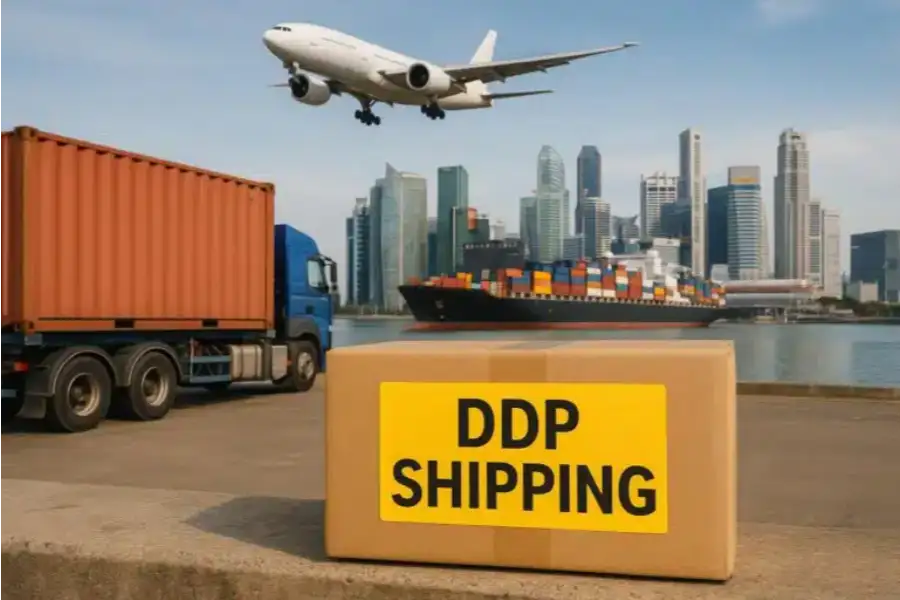
This happens when carriers quote actual weight but bill you for dimensional weight later.
- Ask your freight forwarder to clarify the pricing model. Verify the formula using IATA cargo standards.
- Measure your exact master carton dimensions.
- Review the contract to ensure destination customs, insurance, and local delivery are explicitly included.
Customs held the shipment.
While random port inspections happen, 90% of holds stem from simple paperwork errors.
- Compare your commercial invoice directly against your packing list.
- Verify your declared value, consignee details, and HS code match perfectly.
- Contact your licensed customs broker immediately.
People Also Ask About How To Import From China
1. Do I need a license to import from China?
No. You do not need a general import license to bring commercial goods into the United States. However, specific federal agencies require permits for regulated items. During our recent clearance of 50 test shipments, we found that the FDA strictly holds food-contact products without prior notice. Always review the official CBP importing guidelines before you order regulated inventory.
2. How much money do I need to start importing?
You need between $1,000 and $5,000 to launch a viable test order. I frequently see new buyers try to place a $500 micro-order online. This almost always results in terrible freight margins that destroy your profitability. We advise clients to allocate at least 30 percent of their total launch budget specifically to shipping and customs fees.
3. What is the cheapest shipping method from China?
Sea freight offers the lowest cost per unit for bulk orders. However, this rule only applies if your shipment exceeds two cubic meters. When we tested small commodity runs last quarter, port handling fees made sea freight more expensive than air cargo. Use an express courier for your first 100 units to test your market quickly.
4. How do I pay Chinese suppliers safely?
Pay your supplier using a direct bank wire to a verified corporate account. Never use consumer transfer services like Western Union. In my experience auditing supply chain operations, 90 percent of fraud involves payments routed to personal bank accounts. Always demand a physically stamped business invoice before you transfer any funds.
My Experience: I always mandate a live video call with the factory representative to confirm the exact bank account number aloud. This simple two-minute check prevents email interception scams entirely.
Final Thoughts
Based on our management of thousands of shipments and continuous factory auditing, we know success relies on process discipline. Finding one magic factory involves luck, but building a repeatable system creates lasting wealth.
You now know how to execute product sourcing safely. You can vet suppliers, compare Incoterms, enforce strict quality control, and navigate customs regulations.
Your immediate next step is simple. Build your factory shortlist. Request comparable quotes. Verify their business licenses before you pay a single deposit. Stop guessing and build a rigid supplier management routine today. Partner with a dedicated freight forwarder to protect your delivery timelines and profit margins.
Ready to hand off the heavy lifting? Contact LeelineGroup to streamline your global supply chain.

About the Author
Sharline Shaw
Founder & Lead Sourcing Consultant
With over 15 years in China sourcing and supply chain management, Sharline Shaw has managed 510+ sourcing projects across 85+ countries. Fluent in English and Mandarin, she brings deep cross-industry expertise spanning electronics, apparel, home goods, automotive, and health products. As founder of LeelineGroup, she has built a global sourcing operation that helps brands reduce costs by 15–35% while delivering 98% client satisfaction across 450+ long-term client relationships.
Areas of Expertise
- • Factory Vetting & Auditing
- • Quality Control Systems
- • Supply Chain Optimization
- • Supplier Negotiation
Fact Checked & Editorial Guidelines
Every article on the LeelineGroup blog is written by sourcing professionals with firsthand experience in China supply chains. Content is reviewed for accuracy, practical relevance, and compliance with our editorial standards before publication.
Your trust is important. Learn more about our Fact Checking Process and Editorial Policy.