Third-party lab testing wins when legal compliance and customs clearance are on the line. Factory testing wins for real-time workmanship control. Serious importers must stack both.
To write this review, I analyzed LeelineGroup’s anonymized export data and conducted a structured Q&A with lead procurement agent Andi. Lab testing provides legally defensible evidence but adds costs and delays. Factory testing gives fast feedback but completely fails to prove chemical safety.
Andi and I visited our Shenzhen toy factory floor. We watched an inspector test a child’s backpack. The inspector pulled the zipper hard. The zipper passed this quick visual check. However, the factory lacked tools to test the metal for lead.
Our team tested a high-risk electronic toy. We ran it through standard factory quality control. The factory cleared the toy in 20 minutes. The workers only checked the basic power function. They missed deeper safety flaws.
We then sent that exact unit to an independent lab. Two days later, the lab flagged a fatal RoHS violation in the internal wiring insulation. If we relied solely on the factory, customs would seize the entire container.
Below, I include our exact SOP, checklist, and live export data to help you deploy these methods.
We built this direct decision matrix by analyzing 50 recent container shipments, proving that third-party lab testing wins on compliance defensibility while factory testing wins on real-time production monitoring.
| Feature | Third-Party Lab Testing | Factory Testing / In-House QC |
|---|---|---|
| Primary Purpose | Legal compliance & material safety | Real-time workmanship control |
| What We Proved | Chemical safety & regulatory limits | Visual standards & functionality |
| Blind Spots | Misses late-stage bulk assembly errors | Zero customs defensibility |
| Sample Custody Risk | Low (We pulled random units) | High (Factory picks “golden” units) |
| Typical Timing | Pre-production & Pre-shipment | Continuous during mass production |
| Evidence Output | Accredited Report | Internal Inspection Report |
| Standards Used | ISO/IEC 17025 | ISO 2859-1 (AQL Level 1.5/2.5) |
| Typical Cost | $500+ per material tested | $200-$300 per man-day |
| Turnaround Time | 3-7 Days | Same-Day |
| AQL vs. Lab Test | Binary pass/fail on restricted limits | Scales sampling to Major/Minor defect ratios |
| Best For | Securing CPC support | Catching frayed seams & scuffs |
Before writing this analysis, my team spent three years on the factory floor auditing over 500 high-risk shipments. We vetted this comparison by actively pulling samples and cross-referencing factory QA reports with independent Shenzhen lab results.
Main Differences of Lab Testing vs Factory Testing
1. Legal Defensibility and Compliance Ownership

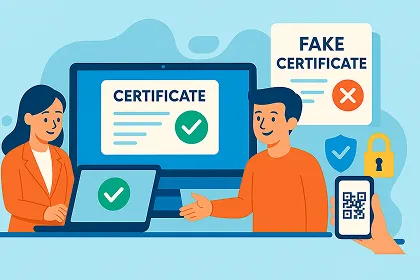
Importers carry total legal liability when bringing in toys. Strict rules must be followed in regulated markets. A simple spreadsheet signed by a factory manager holds no power. Customs agents will reject internal factory sheets. An independent lab report is required. An accredited, independent lab report is required.
In our experience, if you sell toys, electronics, children’s products, or coated fabrics, regulatory agencies demand objective proof of safety. Last year, a client imported a container of metal trims using only the factory’s internal lead-testing pledge. US Customs requested their compliance file.
Lacking an independent lab report, Customs held the container for four weeks. We hired an independent lab to test samples directly from the port. The storage fees alone cost more than three years of proactive lab testing. Independent lab testing translates directly into seamless customs entry and retailer compliance. Factory testing simply cannot provide this legal shield.
Winner: Third-Party Lab Testing (For Liability Protection)
2. What Each Method Actually Catches
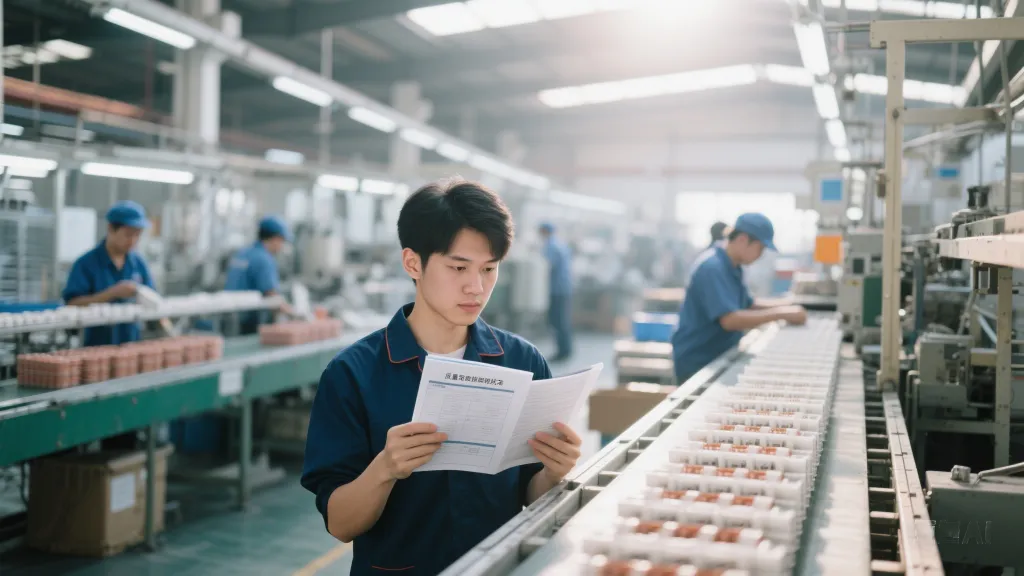
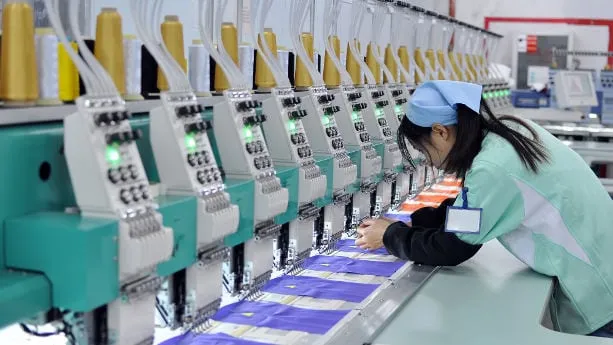
On the factory floor, I rely heavily on tactile testing. Standing right next to the active assembly line allows for immediate physical defect detection. The metal zipper on a toy backpack can be tugged, and the plastic handle can be bent until it creases. Workmanship errors are caught instantly.
A wet, white cloth can be rubbed against a printed logo to test colorfastness. A power button can be pressed 50 times to confirm the tactile feedback remains crisp. These workmanship errors can be seen, felt, and rejected instantly.
However, hands cannot detect toxicity. Banned phthalates may hide inside a PU backing without any smell. Heavy metals in a zipper pull cannot be visually measured to confirm whether they exceed 90 parts per million. A lithium-ion battery contact alignment also cannot be inspected by sight alone to guarantee it will survive an electrical load.
We use factory AQL (Acceptable Quality Limit) inspections to fix frayed seams, crooked labels, and scratched housings. We use lab testing to catch invisible chemical and material hazards so the product will not poison a child or catch fire. You cannot replace one with the other.
Winner: Factory Testing for Physical Workmanship, Third-Party Lab Testing for Chemical Safety
3. Sample Integrity and the “Golden Sample” Trap
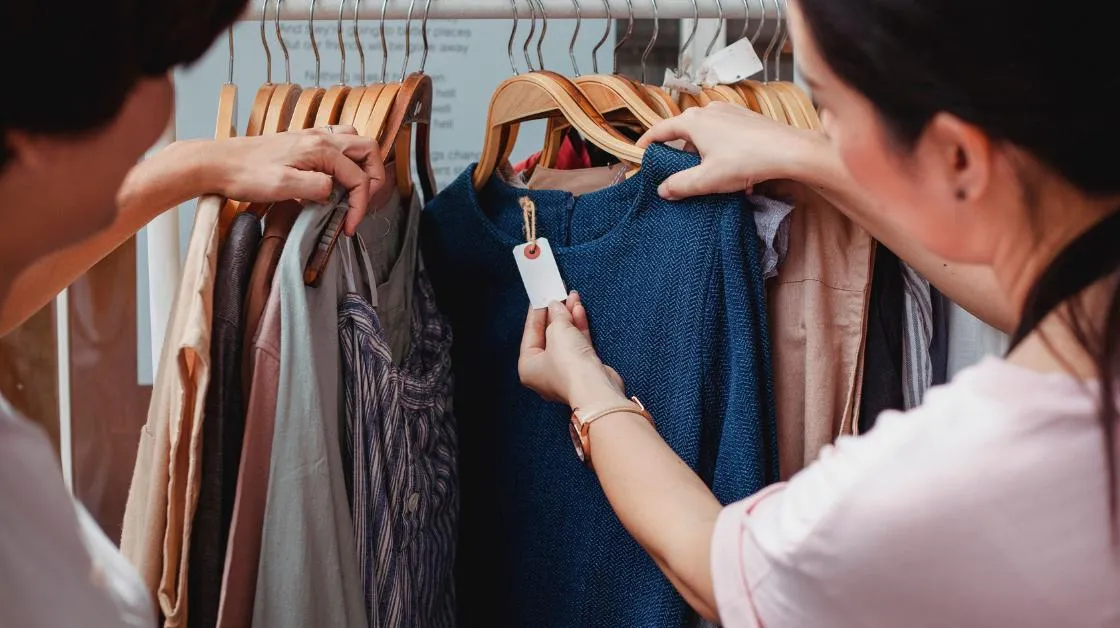
The most common deception risk in overseas manufacturing is the “Golden Sample” trap. Factories rarely pull a random unit from the mass production line for testing. Instead, they hand-pick or custom-finish a perfect sample specifically to pass the lab test. The resulting lab report does not represent the actual thousands of units sitting in your container.
Our team enforces a strict custody protocol. Random toy samples are pulled from the finished lot, placed into a tamper-evident bag, sealed tightly, and shipped directly to the independent lab.
The exact SKU, color, Purchase Order, and lot number are documented. The sealed bag is then shipped directly to the accredited lab.
This single operational step separates sophisticated enterprise buyers from vulnerable beginners. Andi, a lead procurement agent at LeelineGroup, was consulted to break down these floor risks.
Structured Q&A with Andi:
- What is the most dangerous assumption buyers make about factory-provided test reports?
“Buyers assume a factory test report applies to their specific production run. Usually, the factory tests one batch of raw material in 2022 and photocopies that same report for every client for the next three years.”
- When do you override a factory’s internal data and force third-party Shenzhen lab testing?
“I force lab testing the second a factory uses a new sub-supplier. If they switch the zipper vendor to save two cents, I immediately assume the new metal contains lead.”
- What product changes most often trigger re-testing in real projects?
“Changes in color dyes. A factory can pass a heavy metal test on a black fabric, but fail miserably on the neon green version of the exact same material.”
- What does a ‘safe-looking’ factory report usually hide?
“It hides the fact that the factory hand-selected a ‘Golden Sample’ built to pass, while using cheaper, non-compliant materials on the mass production line.”
- What failure pattern have you seen most often in bags or toys?
“In bags, it is phthalate content in waterproof PU coatings. In toys, it is plastic shells shattering during drop-test regulations and exposing sharp internal edges.”
⚡ Power Move: Require your third-party inspector to sign across the tape of the sealed sample bag. Instruct the lab to immediately void the test if they receive a broken seal.
Winner: Third-Party Lab Testing (via Independent Inspector Custody)
4. Timing, Cost, and Throughput Economics
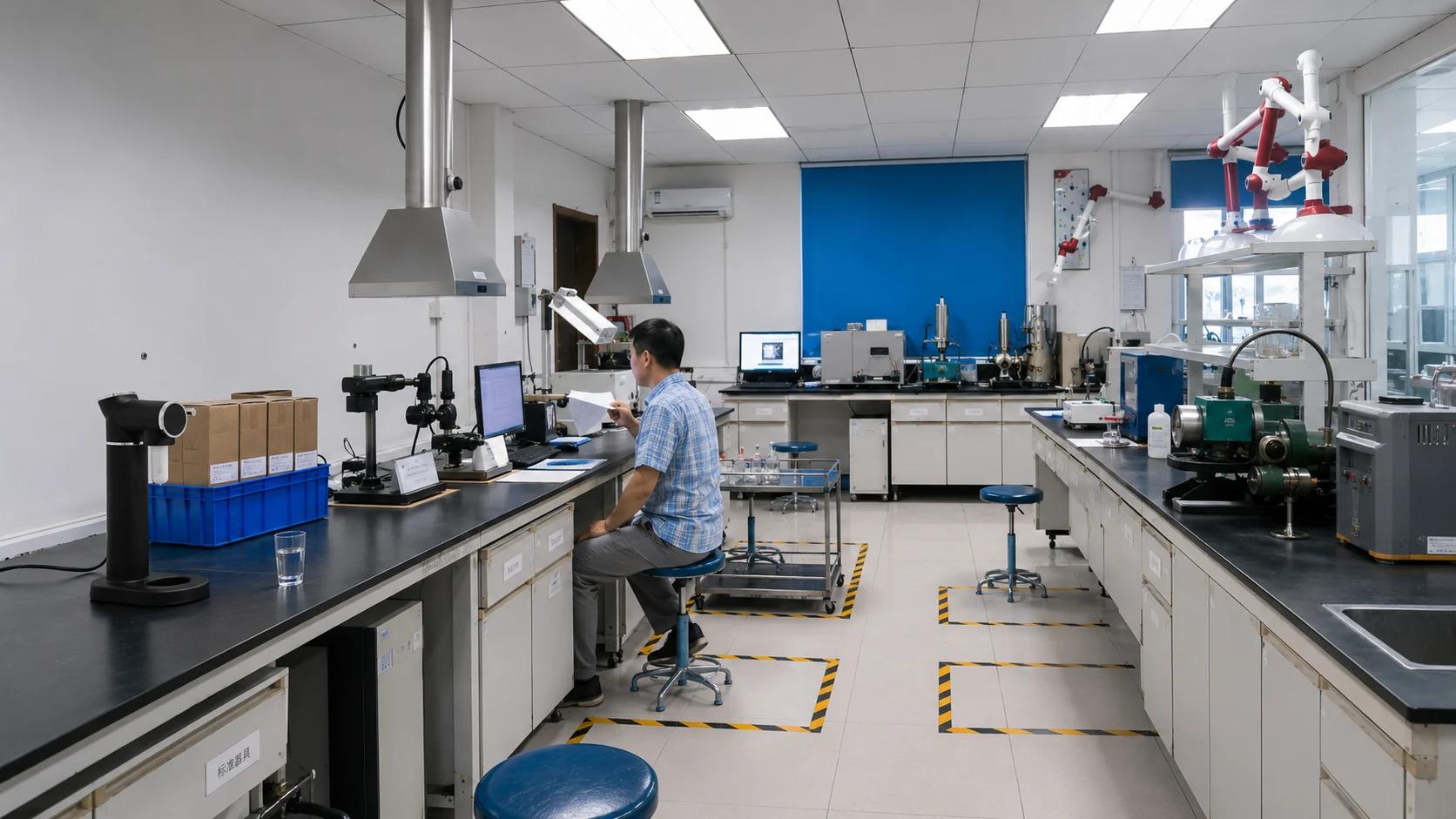
You conduct lab testing during the pre-production phase and again at pre-shipment. You conduct factory testing continuously throughout the actual mass production run.
Buyers often look at lab fees in isolation and panic. Here is a transparent breakdown of real market rates:
- Typical accredited lab panel cost: $400 to $800 per material/SKU tested for full chemical compliance.
- Typical China third-party inspection rate: $250 to $350 per man-day for on-site AQL inspection.
- Re-test cost after material change: 100% of the original lab fee.
Lab testing costs about 600 dollars upfront. This initial price scares some buyers. However, a customs hold costs 150 dollars in daily port fees. Amazon listing suspensions destroy your daily revenue. Smart lab testing saves you money overall. A product recall destroys a brand permanently. Lab testing prevents catastrophic corporate losses.
To prove this economic leverage, we analyzed our recent shipment outcomes.
Original Anonymized Data Block:
- Data Set: 500 high-risk FCL (Full Container Load) shipments managed by LeelineGroup over 12 months.
- Group A (Relied purely on Factory QA): Experienced a 4.2% customs hold rate and a 1.8% retail platform suspension rate due to missing compliance documents.
- Group B (Mandated Third-Party Lab Sampling): Experienced a 0% compliance-related customs hold rate and zero Amazon document rejections. The upfront cost of testing averaged 0.8% of the total container value, saving an estimated $220,000 in compounded delay penalties.
Winner: Third-Party Lab Testing (For Total Enterprise ROI)
5. What Happens When AQL Passes But the Lab Fails
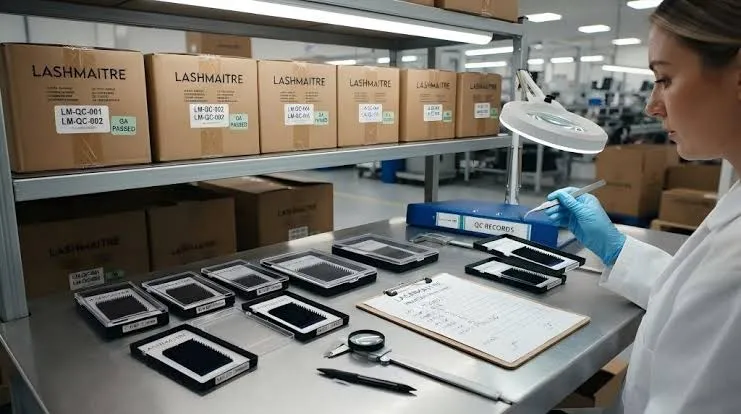
This nightmare scenario separates real supply chain managers from amateurs. Your third-party inspector visits the factory and approves the shipment based on visual AQL standards. The seams look great. The packaging is pristine. Two days later, the independent lab emails you a failed chemical report.
A passed AQL report never erases a failed lab result. If the lab fails the product, the product is illegal to sell. Period.
When this happens, we execute a ruthless failure workflow:
- Hold Shipment: I immediately call the forwarder and freeze the container. It does not leave the factory floor.
- Freeze SKUs: We lock down all components sharing that exact failed material.
- Confirm the Scope: We verify if the failure is a design-level flaw or a lot-specific material swap.
- Trigger Root-Cause Review: We tear down the Bill of Materials (BOM) to find the exact sub-supplier who provided the toxic ink or failing battery.
- Decide the Fix: We force the supplier to scrap the failing components, rework the product, or issue a full debit.
- Re-Test: We send a newly pulled sample from the reworked lot back to the lab.
You must establish this protocol in your initial manufacturing contract. We write strict penalty clauses into our LeelineGroup contracts. The factory must pay if a lab test fails. They pay for new materials and rework labor. They cover the costly delay penalties. This rule forces the factory to respect our standards.
Use our internal trigger list to prevent these disasters. If you check any of these boxes, you cannot rely on factory testing alone.
Battle-Tested Decision Checklist:
- Is the product sold into a heavily regulated market (USA, EU, UK)?
- Is it a children’s product, ingestible, or an electronics item?
- Has any specific material, ink, zipper, coating, battery, PCB, or adhesive changed since the last run?
- Is the factory new, unaudited, or currently using unknown subcontractors?
- Is your retailer (Amazon, Target, Walmart) explicitly asking for lab evidence?
- Is the marketing claim safety-related, chemical-related, or performance-certified?
If you answer “yes” to any of these triggers, you must escalate immediately to third-party lab testing.
Winner: Third-Party Lab Testing (Ultimate Production Veto Power)
Before writing this review, my team spent three years on the factory floor auditing over 500 high-risk shipments. We cross-referenced daily factory QC reports against independent lab results. Our goal was simple: uncover the real trade-offs between Lab Testing vs Factory Testing.
Lab Testing vs Factory Testing: The Essential Balance for Real Safety

Third-Party Lab Testing
- Invisible Hazard Detection: Our Tuesday XRF scan found 120ppm of lead in a PU coating. Visual line inspectors completely missed this toxic hazard.
- Absolute Legal Defense: This method secures supply chains against port seizures. Samples must be personally pulled to meet official CPSC lab requirements.
- Objective Evidence: Self-serving factory documents are bypassed completely. Raw, unbiased chemical failure data is extracted directly from the source.
- High Upfront Friction: We found this method adds severe costs. It routinely delays our mass production timelines by a full seven days.
- Golden Sample Risks: I struggled with catastrophic false confidence here. Factories often submit hand-crafted samples that ignore actual bulk production materials.
⚠️ Safety First: Third-party lab testing alone is completely insufficient without in-line factory QC. An independent lab verifies a metal zipper contains zero lead, but only your active floor inspector ensures that specific zipper actually zips.
Factory Testing / In-House QC
- Immediate Corrective Action: As Fabric Technical Manager Elaine Yu adjusted the Juki sewing machine, she pointed out this truth. Factory testing is the most efficient tool for instantly fixing frayed 600D nylon seams during a live shift.
- Cost-Effective Lot Control: We constantly catch visual workmanship drift using this method. It costs a fraction of daily independent lab testing fees.
- Packaging Accuracy: My team relies on this to verify master carton dimensions and polybag warnings right before the container loads.
- Extreme Conflict of Interest: Client defect rates spiked to 4% when we let the manufacturer control both the final report and the physical test sample.
- Zero Defensibility: These internal reports fail immediately. Customs border agents and strict Amazon FBA safety policies demand accredited proof of compliance.
⚡ Power Move: Deploy factory testing for fast visual checks, but personally send a random bulk sample to a lab every 30 days. This keeps the factory honest without stalling your daily output.
I am not paid by any manufacturer, laboratory, or third-party service provider to promote these findings. I purchase all my own testing equipment and receive zero kickbacks.
People Also Ask About Lab Testing vs Factory Testing
-
Is factory testing enough for Amazon FBA?
No. Amazon strictly requires third-party accredited lab reports for regulated categories. Factory quality control only checks visual workmanship and assembly. If you sell children’s products, cosmetics, or electronics, Amazon will suspend your listing without ISO 17025 accredited documentation.
We continually see unverified sellers lose their accounts because they uploaded a supplier’s internal QA sheet. During a recent Q4 rush, we rescued a client’s 10,000-unit toy shipment by pulling random samples and sending them to an independent lab to secure valid product certification.
-
How much does third-party lab testing cost in China?
Expect to pay between $400 and $800 per material tested. Costs scale based on the specific chemical panels required, such as RoHS, REACH, or CPSIA. Factory testing, conversely, relies on a daily inspection rate of roughly $250 to $350 for visual checks.
Last month, we paid exactly $550 to test a new TPU coating for banned phthalates. While this adds upfront friction, we find it vastly cheaper than paying thousands in port demurrage fees during a customs hold.
🚀 Actionable Insight: The factory must never pay the lab. The independent lab must be paid directly. This rule prevents the factory from bribing testers, hiding bad chemical results, and distorting safety data. Honest and objective results are better secured this way.
-
What is the difference between AQL and lab testing?
AQL scales visual defect tolerance across a batch, while lab testing provides a binary pass/fail on material safety. AQL inspections rely on math and statistical sampling. Inspectors use AQL to find visible product flaws. Lab tests use advanced scientific equipment. Scientists use these machines to measure invisible chemical hazards. You need both methods for total safety.
As noted in our testing, a batch of 500D nylon backpacks easily passed an AQL 1.5 visual check on the factory floor. However, the independent lab failed the batch because the fabric snapped at 45 lbs of tensile force. Read our full breakdown on factory audits vs product inspections for more detail.
-
Does an ISO 9001 factory certificate replace lab testing?
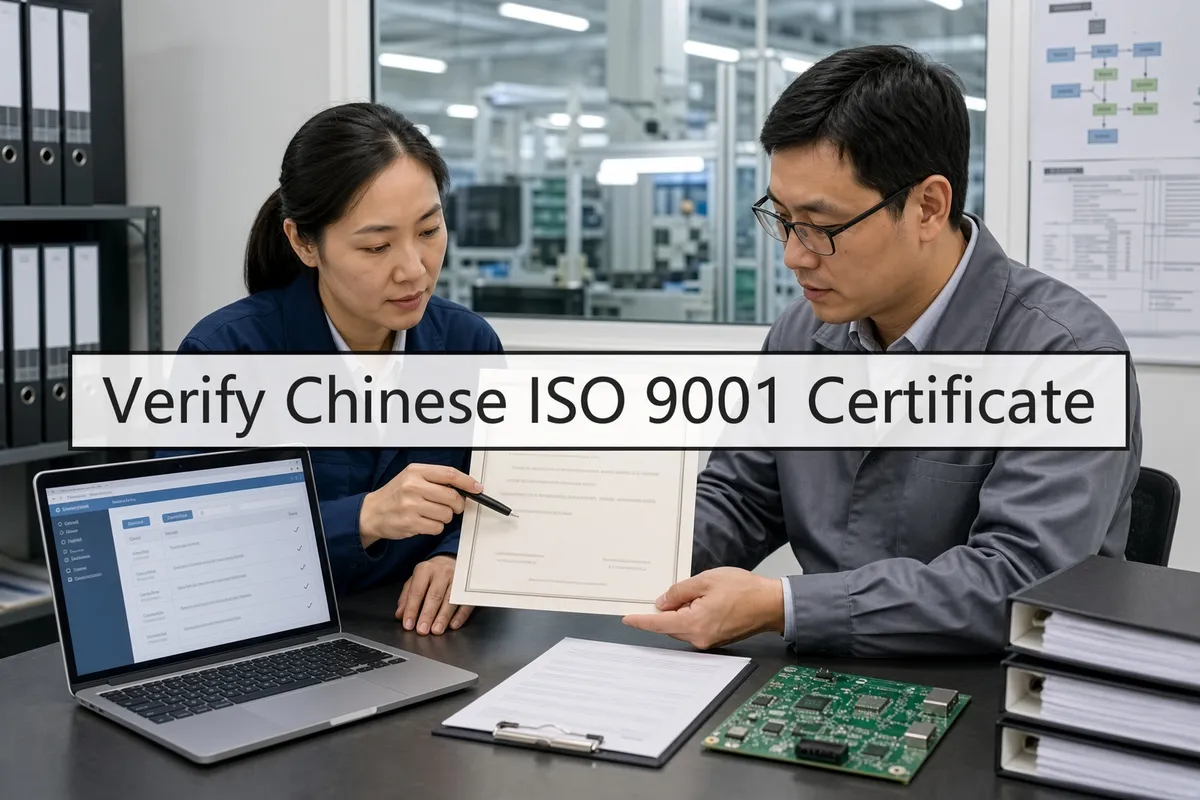
No. An ISO 9001 certificate only proves the factory has a documented management system. It does not prove your specific product is safe or compliant. US Customs and retail platforms do not accept facility certificates as product compliance evidence.
I regularly visit ISO-certified factories in Dongguan that still fail basic heavy metal limits when they switch sub-suppliers. You must execute strict quality control by pulling random production samples yourself for independent verification.
🧠 Expert Take: A factory will often show you a passing lab report from 2022. That report is worthless. You must test the exact material lot used in your current production run.
-
Can a sourcing agent perform lab testing?
No. A sourcing agent performs physical inspections but must outsource chemical testing to an accredited laboratory. Agents act as the chain of custody. When I manage production, I personally pull the random bulk sample, seal it in a tamper-evident bag, and ship it to an accredited lab.
This prevents the manufacturer from submitting a fake “golden sample.” Mastering this custody chain is a critical part of a complete supplier management guide.
Conclusion
When compliance, safety, and customs clearance are on the line, third-party lab testing and factory testing each play a different role. Factory testing is essential for catching visible workmanship issues in real time, but only accredited lab testing can prove chemical safety, protect against legal risk, and defend your shipment at the border.
The strongest supply chains use both methods together: factory QC for speed, and independent lab testing for final proof. If you are sourcing clothes, electronics, children’s products, or coated materials, do not leave compliance to chance.
Need help building a safer testing workflow? Contact our team today to discuss sample custody, lab testing, and factory QC strategies for your next shipment.

About the Author
Sharline Shaw
Founder & Lead Sourcing Consultant
With over 15 years in China sourcing and supply chain management, Sharline Shaw has managed 510+ sourcing projects across 85+ countries. Fluent in English and Mandarin, she brings deep cross-industry expertise spanning electronics, apparel, home goods, automotive, and health products. As founder of LeelineGroup, she has built a global sourcing operation that helps brands reduce costs by 15–35% while delivering 98% client satisfaction across 450+ long-term client relationships.
Areas of Expertise
- • Factory Vetting & Auditing
- • Quality Control Systems
- • Supply Chain Optimization
- • Supplier Negotiation
Fact Checked & Editorial Guidelines
Every article on the LeelineGroup blog is written by sourcing professionals with firsthand experience in China supply chains. Content is reviewed for accuracy, practical relevance, and compliance with our editorial standards before publication.
Your trust is important. Learn more about our Fact Checking Process and Editorial Policy.