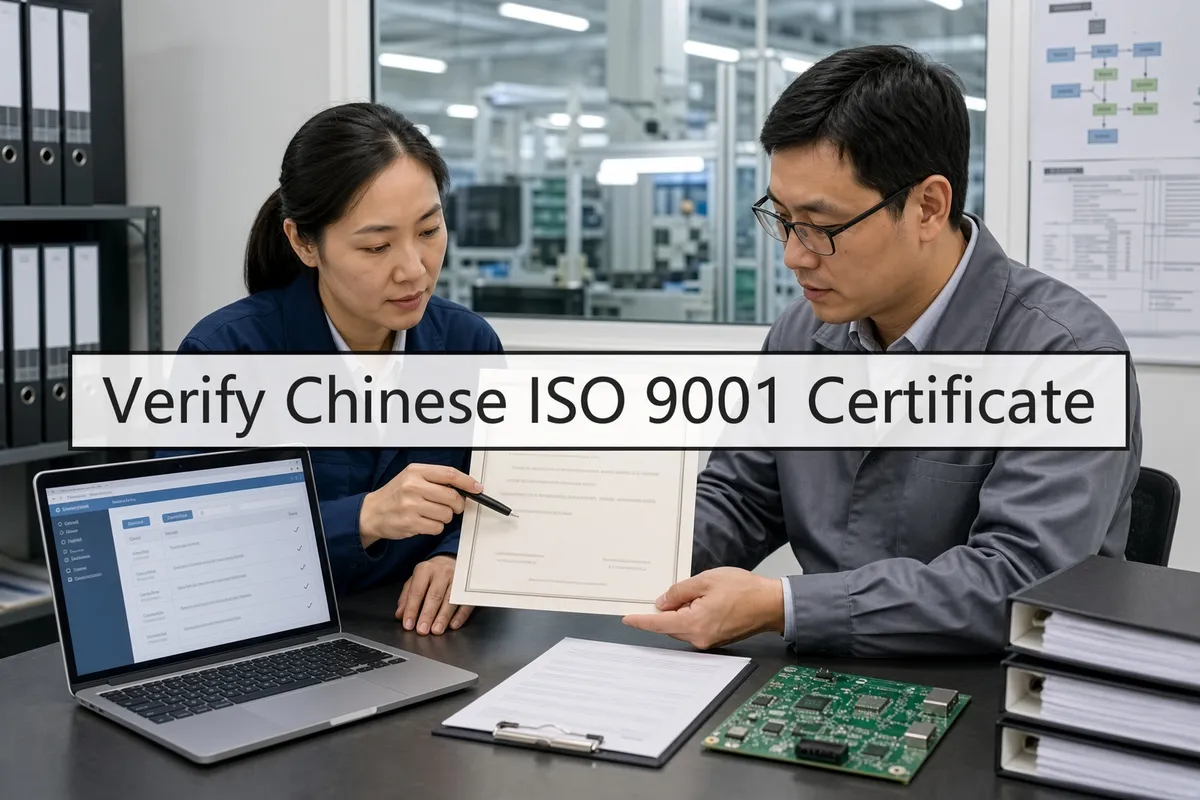
One bad batch triggers devastating Amazon returns, retailer chargebacks, and delayed launches. I once audited a garment factory in Dongguan. The manager promised perfect quality. However, my random check found bleeding dyes on 40% of the fabric. A last-minute visit would miss this. You need a better system to catch these hidden killers.
We selected these 10 Quality Control Methods because they align with strict ISO 2859-1 sampling procedures and ISO 9001 standards. This is the exact stack global buyers use to approve, rework, or reject production.

10 Essential Quality Control Methods
Learn these 10 highly effective quality control methods with step-by-step guidance.
1. Use Acceptable Quality Level (AQL) Sampling to Make Defensible Pass/Fail Decisions
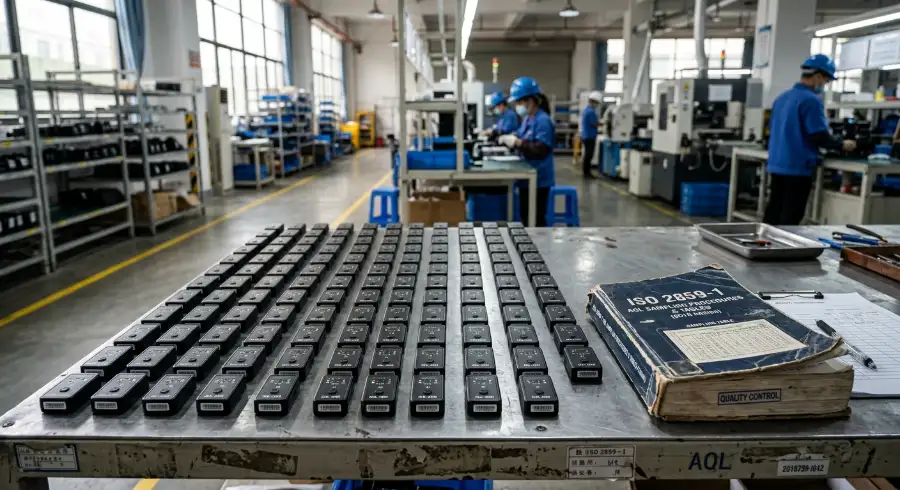
When our clients receive inspection photos showing flawed items, they often ask if they should withhold the final payment. Arguing with a factory over subjective quality always ends in a stalemate. You need a math-backed decision rule. That is exactly what AQL provides.
AQL is not a flat defect percentage. It is a strict sampling framework governed by the ISO 2859-1 standard. We use the ISO 2859-1 standard to remove doubt. Our team maps your lot size to specific code letters like ‘L’ or ‘M’. This math-based system gives you a clear ‘Reject’ or ‘Accept’ result. It forces factories to respect your quality limits
During a recent factory audit for a 10,000-unit electronics order, we used standard General Inspection Level II. On an official AQL chart, this lot size assigns the code letter “L”. This letter dictates a precise sample size of 200 units. We pull those units randomly and categorize issues into three buckets:
- Critical Defects: A severe safety hazard, such as exposed sharp edges or short-circuiting solder bridges. The limit is always zero. Just one critical flaw fails the entire lot.
- Major Defects (AQL 2.5): Flaws that ruin product function, like cracked plastic housings. The chart allows up to 10 major defects. If we find 11, the batch fails.
- Minor Defects (AQL 4.0): Cosmetic issues like slight color bleeding on a hidden logo. We accept up to 14. If we find 15, the shipment fails.
You must set your AQL based on product risk. Leading organizations like the American Society for Quality recommend strict limits for children’s products, electronics, or premium SKUs. Accept more lenient limits for low-risk promotional goods. If a lot fails, demand the factory rework the units or pay for a 100% inspection.
🛡️ Our Verdict: Over thousands of factory audits, we strictly enforce AQL 2.5 for major defects. Factories often ‘cherry-pick’ the best units for their own reports. I call this the ‘Golden Sample Trap.’ Always hire an independent team to pull random samples. Never wire your final payment until you see a third-party report you trust.
2. Run a Pre-Shipment Inspection Before You Release Final Payment
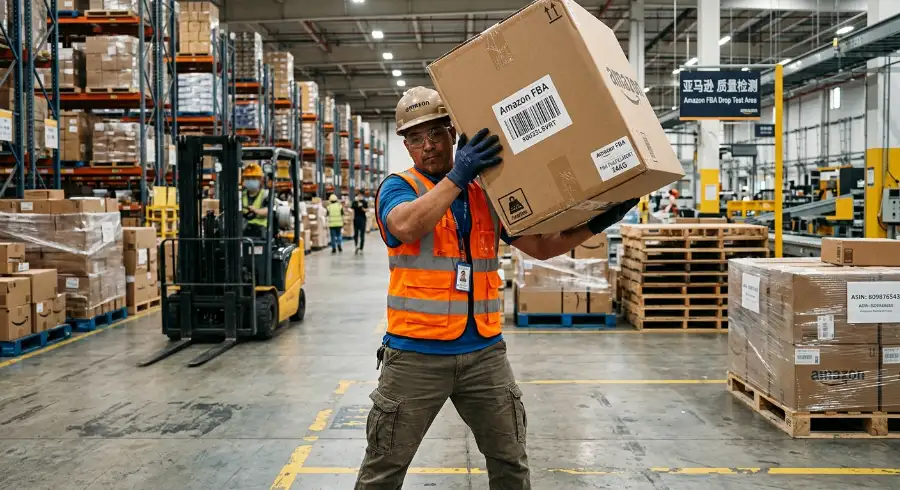
One client ignored a 2.5 AQL limit on stitching. A week later, their lead inspector called me in tears. Their Amazon rating dropped from 4.8 to 3.2 in three days. We now treat even one loose thread as a critical warning sign.
Defective inventory freezes your cash flow and ruins your launch timeline. To protect your brand, we conduct a final random inspection when workers pack at least 80% of your units. You must run this vital check while you still hold the leverage of the final balance payment.
Our team physically visits the factory floor to verify your order. We check:
- Workmanship & Measurements: We look for specific physical flaws like loose threads, crooked prints, or dented gift boxes.
- Accuracy & Labeling: We verify total quantity, assortment mix, and carton labels. Missing manuals or mixed labels cause expensive delays for your freight forwarder.
- Packaging & Barcodes: Accurate FNSKUs ensure your Amazon FBA prep services run smoothly. A single wrong barcode can strand your entire launch.
- Physical Spot Tests: We perform carton drop tests and apparel seam stretch tests according to ISO 2859-1 standards for sampling.
After we deliver the quality control report, you dictate the final decision. You can approve the batch to ship immediately, or you can hold the goods and force the factory to rework minor defects. Factories dislike opening sealed cartons, but they will fix errors to get paid. Alternatively, you can fail the lot entirely and demand a full reinspection at their expense.
🛡️ Our Verdict: Never skip barcode scanning during a pre-shipment inspection. In my experience auditing consumer goods, mislabeled FNSKUs cause over 15% of failed inspections. A product might look perfect, but a wrong carton label will reject your shipment at the port.
Data shows that label errors cause 15% of all customs rejections. Fixing a wrong FNSKU in the US costs $2.00 per unit. In China, it costs nearly nothing. We ensure your labels are 100% correct before the ship leaves the dock.
3. Use Statistical Process Control To Catch Process Drift

Waiting until a pre-shipment inspection to find defects means the damage is already done. Reworking finished goods wastes time and destroys your margins.
Don’t just wait for the final disaster. We use Statistical Process Control (SPC) to kill defects at the source. By tracking live data during production, we spot process drift before your money turns into scrap metal. It tracks process stability to catch variations before the factory builds defects into your product.
We saw this firsthand at an injection molding facility in Shenzhen. The factory charted dimensional drift and machine temperature every hour. A control chart caught a temperature spike early. This simple monitoring prevented the factory from molding 5,000 warped units, saving our client a two-week delay.
You can apply SPC across multiple product categories:
- Electronics: Charting solder temperatures to prevent short circuits.
- Apparel: Tracking fabric shade variations between dye lots.
- Packaging: Monitoring bottle fill weights, cap torque values, and seal strength.
SPC offers a massive payoff for repeatable, high-volume production. It lowers your cost of goods sold by actively reducing scrap. But SPC only works if the factory enforces strict measurement discipline. The ISO 9001 quality management standard emphasizes rigorous process monitoring. The system collapses if line workers fail to log live production data accurately.
When you place repeat bulk orders, ask your supplier for their trend charts. Mature factories gladly share this production data to prove their reliability.
🛡️ Our Verdict: A factory that uses SPC is a highly sophisticated partner. During our initial audits, we always look for control charts on the production floor. If we see workers plotting live data, we know the supplier prevents defects instead of reacting to them. Ask for these trend charts before signing your next purchase order.
4. Use During-Production Inspection (DUPRO) to Stop Systemic Defects Mid-Run

Failing a final inspection because every unit shares the exact same flaw will destroy your launch timeline. You can prevent this disaster using a During-Production Inspection (DUPRO), one of the most effective quality control methods to stop systemic defects mid-run.
We typically schedule a DUPRO when a factory completes 20% of your order. Our inspectors hit the factory floor to review the live line setup, operator habits, and early packaging progress. We compare the very first mass-produced units directly against your approved golden sample.
This intervention catches errors while the factory can still fix them. We actively hunt for unauthorized raw-material substitutions and in-line workmanship defects. In our audits, we regularly spot zipper misalignments, glue overflow, or logos drifting off-center. We also test if one production line sews weaker seams than another. Finally, we verify early carton labeling to meet strict Amazon FBA packaging requirements.
The business case is undeniable. Paying for an early inspection costs far less than discovering unsellable goods at the destination port. If we flag a major issue, we immediately escalate. We force the supplier into containment mode, demand a full rework, or mandate a temporary 100% inspection under ISO 2859-1 standards.
🛡️ Our Verdict: During a recent DUPRO audit in Yiwu, I caught a supplier secretly swapping premium YKK zippers for cheap alternatives. Because they had only finished 500 units, we forced them to replace the hardware without delaying the shipment. If we had waited until the pre-shipment phase, they would have refused. Schedule your DUPRO immediately after the factory completes the first day of mass production.
5. Build Product Testing Protocols for Performance, Safety, and Transit Risk

Your pre-shipment inspection passed. Then, a customer leaves a one-star review because the item broke on day two. Visual checks only catch surface flaws like crooked labels. Advanced quality control methods require rigorous testing protocols. Tests prove whether your product actually performs, survives transit, and meets legal market requirements.
You must define these main protocol buckets for your factory:
- Functional tests: Verify charger safety checks and voltage limits during early product development.
- Durability tests: Mandate 500-pull zipper cycle tests and textile colorfastness checks to prevent wear-related returns.
- Packaging transit tests: Execute ISTA drop tests and carton compression checks on all types of packaging materials.
- Environmental tests: Require salt-spray checks on metal hardware to prevent rust.
- Compliance-linked tests: Verify strict safety triggers for toy manufacturing according to CPSC safety standards, or items requiring official product certification.
To write a usable protocol, eliminate guesswork. We always specify the exact test method and sample quantity upfront. Set a hard pass or fail threshold. Determine the testing frequency. Most importantly, state clearly who pays for retesting if a batch fails.
🛡️ Our Verdict: When our team managed a recent custom hardware project, visual inspections missed a major vulnerability. Weeks later, sea freight humidity rusted 30% of the inventory. Today, I never approve a shipment without a documented ASTM B117 salt-spray test. Always separate your testing protocol from your visual inspection sheet. Force your factory to sign this testing agreement before you pay the initial deposit.
6. Audit the Factory With a Checklist That Goes Beyond the Sales Pitch

You walk into a pristine factory showroom. The sales rep promises flawless quality. Then, your first bulk order arrives full of defects. I see buyers fall for this trap constantly when sourcing from Asia. Slick presentations mean nothing. You need a rigorous audit checklist.
Never rely blindly on an ISO 9001 certificate. That paper just proves a factory maintains a documented quality system. It never guarantees perfect production batches.
To choose the right supplier, break your audit into practical buckets. Before you issue a purchase order, assess their legal identity, total capacity, and subcontracting risks. Then, verify these critical process controls on-site:
- Incoming material control: How do they inspect raw components?
- Traceability: Can they track a defective unit back to its exact production date?
- Corrective action discipline: Do they fix root causes or just patch symptoms?
- Social and compliance records: Do they treat workers legally?
- Management responsiveness: Do line managers actually implement feedback?
When I establish quality control methods during supplier sourcing audits in Shenzhen, I skip the showroom. I walk straight to the production line. I demand to see physical work instructions, version-controlled specs, Corrective and Preventive Action (CAPA) records, and updated training logs. I also check equipment calibration. If a worker uses an uncalibrated scale, your product fails.
🛡️ Our Verdict: Great supplier management requires physical verification. During a recent audit, a factory showed me a valid ISO certificate, but their testing machines lacked calibration stickers for over two years. Never trust paperwork alone.
7. Treat Every Recurring Defect With a Corrective Action Plan (CAPA)

You pay a factory to fix a mislabeled batch of products. Next month, the exact same wrong labels appear on your new shipment. Reworking a single bad batch is just a temporary correction. It does not remove the reason the defect happened.
To stop recurring flaws, integrate a Corrective Action Plan (CAPA) into your quality control methods. This framework forces the factory to solve the root cause. A strict CAPA requires a specific structure. You must document a clear defect description and immediate containment steps.
Next, you identify the root cause using tools like a fishbone diagram or the 5 Whys method. Finally, you need an assigned owner, a strict deadline, physical evidence, fix verification, and a preventive change to the manufacturing process.
I recently managed a custom packaging project where a factory printed the wrong Pantone shade twice. We refused to just ask for a reprint. Instead, we issued a formal CAPA. The root-cause analysis revealed that the printing team used an outdated artwork file.
We forced the factory to build a new file-control system. Before approving the next run, we demanded photo evidence of the deleted old files and the revised standard operating procedure.
🛡️ Our Verdict: Factories hate paperwork, but a CAPA protects your brand. Never approve a new production run after a major defect until you see physical proof of the system change. Demand revised SOPs and verification results upfront.
8. Apply Six Sigma DMAIC When Defects Are Chronic, Expensive, and Measurable
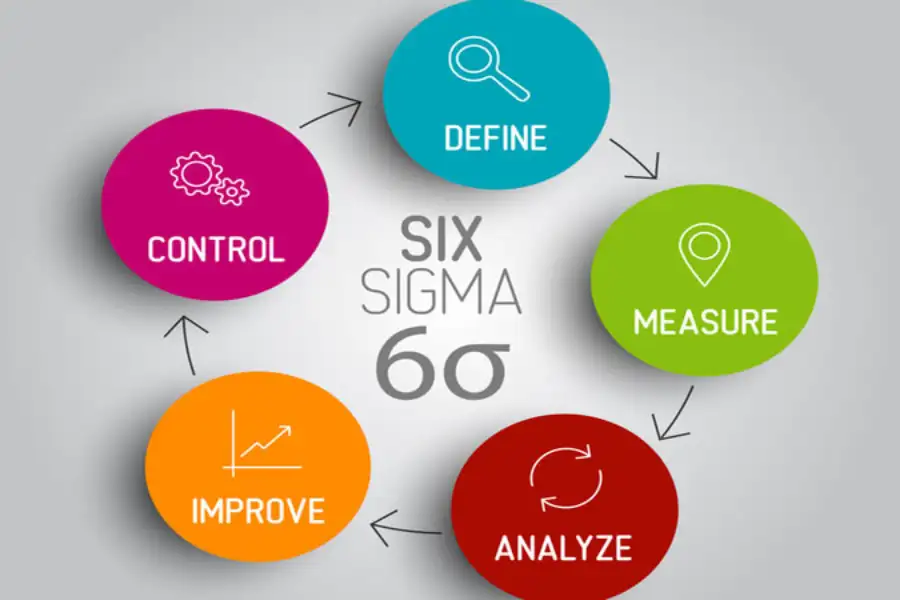
Corporate buzzwords rarely fix broken products. But when you order the same SKU repeatedly and defects destroy your margins, you need a structured solution. Six Sigma is a data-driven method for reducing manufacturing variation to achieve near-perfect output.
According to the American Society for Quality, you execute this methodology using the DMAIC sequence: Define, Measure, Analyze, Improve, and Control.
I once managed a repeat electronics SKU where the battery doors kept snapping off. The factory blamed the raw plastic supplier, but we used DMAIC to organize a real investigation.
We defined the exact failure rate, measured injection molding temperatures, and analyzed factory logs. After discovering the cooling cycle was three seconds short, we improved the machine settings and permanently fixed the defect.
You do not need Six Sigma for every purchase order. If you run a one-off promotional batch of 500 units, standard pre-shipment inspections are enough. This deep-dive method only becomes valuable when you face chronic defects, your margins are tight, and you use the exact same supplier repeatedly.
🛡️ Our Verdict: Six Sigma replaces endless reinspection with permanent fixes. When a factory deflects blame for recurring solder bridges or abnormal return rates, DMAIC forces them to confront hard data. Use this structured approach to stabilize high-volume, long-term product lifecycles.
9. Use Lean Manufacturing Quality to Remove the Waste That Creates Hidden Defects

You approve a perfect golden sample, but the final units arrive covered in mysterious scratches. The factory blames shipping. When traditional quality control methods fail, the real culprit is usually physical waste on the factory floor.
Lean quality prevents defects by removing process waste to ensure less waiting, fewer handoffs, and clearer flow. When factories mismanage work-in-progress, unfinished products collect dust.
Workers mix old and new components on the line, creating endless rework loops. The American Society for Quality (ASQ) confirms that reducing excess inventory directly lowers defect rates.
In my experience auditing assembly lines in Yiwu, cluttered workspaces destroy quality. Workers move products excessively across the floor, and this internal transport scratches delicate surfaces. Rushed repacking dents gift cartons. Tall piles of unfinished goods hide early production errors until it is too late.
You do not need to force a massive lean program on your supplier. Instead, ask for basic 5S organization discipline. Demand clear material segregation, strict first-in-first-out inventory flow, and painted floor lines. These visual boundaries make abnormalities visible immediately.
🛡️ Our Verdict: During a recent furniture audit, workers stacked wooden panels directly on concrete, which chipped 12% of the batch. We forced the factory to use elevated carts and visual floor tape. This simple change dropped the defect rate below 2%. Always ask for photos of the live assembly line.
10. Build Total Quality Management (TQM) So Quality Is a System, Not a Department

Most brands treat quality control as a final checkpoint. This reactive mindset guarantees constant supply chain fires. To scale safely, you need Total Quality Management (TQM). The American Society for Quality (ASQ) defines TQM as an approach where all employees work to improve work culture and products.
Under TQM, quality never just belongs to the inspectors. Your purchasing team, factory managers, and logistics partners must all own the final outcome. We build these frameworks for brands scaling from one-off test orders to massive repeatable programs. In practice, this requires clear specifications, strictly controlled engineering changes, and routine supplier scorecards.
When a customer leaves a bad review, a functioning TQM system feeds that data directly back to the factory floor for immediate action. TQM acts as the umbrella over every method on this list. It connects your early factory audits directly to your final logistics management. By integrating these systems, our teams catch errors long before your goods reach a China warehouse.
🛡️ Our Verdict: During a recent scale-up for a private label client, we linked their return data directly to the factory’s engineering team using a TQM scorecard. Within three months, their overall defect rate dropped by 40%. Stop treating quality as an isolated department. Build a system that connects your entire supply chain.
How to Build a Quality Control Strategy for Overseas Sourcing?
I see buyers waste thousands of dollars on unnecessary inspections. You must match your quality control methods to your product risk, order size, and sales channel.
In our sourcing from Asia projects, we always start by evaluating customer exposure. If you sell high-risk items like electronics or oversee toys manufacturing, you need strict AQL 2.5 sampling limits.
Read the official ISO 2859-1 standards to understand these mathematical inspection limits. You also need heavy laboratory testing and early factory visits. Low-risk promotional goods require much less oversight. Match your strategy directly to your defect cost and supplier history.
Step 1: Audit Suppliers Before You Send a Purchase Order

Do not trust slick online profiles. When you learn how to find a sourcing agent in China, you realize you need physical boots on the ground. First, visit the factory floor. During initial supplier sourcing, verify their production capacity and legal status.
Check their social compliance certification on the official Amfori BSCI database. This early check shows you exactly how to choose the right supplier before you wire a single deposit.
Step 2: Lock Your Specs and Approved Sample
During early product development, lock down every physical detail. Clarify your specific OEM vs ODM manufacturing agreement in writing. Sign off on a physical golden sample.
Define your exact packaging materials clearly. Require official product certification documents upfront. Force suppliers to sign and stamp this specification sheet to prevent sneaky material substitutions later.
Step 3: Run In-Line and Final Inspections

Once mass production begins, monitor the assembly line. Run a DUPRO (During Production) check when the factory completes 20% of your run. Catch errors early. Later, execute a strict pre-shipment inspection.
If you run a private label service, verify all barcodes and retail packaging dimensions. Accurate labels prevent disastrous delays with your freight forwarder. They also ensure your goods move smoothly through your China warehouse.
Step 4: Fix Root Causes and Monitor Repeat Orders
If a batch fails inspection, issue a formal Corrective Action Plan (CAPA). Force the factory to fix the root cause. Do not just accept a discount. If you want to master importing from China successfully, track long-term metrics. Use SPC or Lean manufacturing methods to monitor chronic issues across repeat orders.
** Our Experience: The CAPA Trap.** Our clients often complain about repeat defects on second orders. I found that factory managers frequently sign CAPA documents but change absolutely nothing on the assembly line. Always send an inspector unannounced during the next run to verify the fix.
The Buyer Matrix: Who Needs Which Strategy?
Different business roles require different tools. Use this matrix to assign control priorities:
- E-commerce Brand Owners: You need tight shipment controls. Focus heavily on product sourcing accuracy. Demand strict visual checks for your Amazon FBA prep services before goods leave the port.
- Procurement Officers: Focus on high-level sourcing vs procurement strategy. Great supplier management requires deep audit traceability. Build detailed supplier scorecards and enforce strict legal compliance.
- Operations Managers: Focus on process stability. Prioritize CAPA closure rates and repeat metric data. This data helps you streamline your global logistics management.
Do you need an expert team on the ground to execute this plan? Contact us today and secure your supply chain.
People Also Ask About Quality Control Methods
1. Is AQL just a percentage of defects you are allowed to have?
No. AQL is not a flat percentage limit. It is a strict statistical sampling method. The official ISO 2859-1 standard provides specific tables. You use your total order quantity to find your exact sample size and acceptable defect limit. In my factory audits, clients assume a 2.5 AQL means they can accept 25 bad units in a 1,000-unit order. That is false. The official table might allow only 10 major defects in a pulled sample of 80 units.
2. When should you use 100% inspection instead of AQL sampling?
You should use a full inspection for high-ticket items, complex electronics, or products with severe safety risks. AQL sampling works best for standard, high-volume consumer goods. In our experience, inspecting every single unit costs too much time for cheap items. However, we mandate a full inspection if a factory fails its initial AQL check. The supplier must sort the good units from the bad ones at their own expense before we pay them.
3. Do you still need a pre-shipment inspection if your factory is ISO 9001 certified?
Yes, you do. An ISO 9001 certificate only proves that the factory manages their internal processes well. It does not guarantee perfect products for your specific order. I have visited many certified factories that still pack defective goods during busy seasons. You must send an independent inspector to verify your actual shipment. Never skip this step before you wire the final balance.
4. What is the difference between QA and QC?
Quality Assurance (QA) prevents defects. Quality Control (QC) finds them. QA focuses on the manufacturing process. It includes machine calibration, workflow design, and worker training. QC focuses on the finished product. It includes visual inspections, barcode scanning, and drop tests. I tell buyers that QA builds a reliable factory system. Meanwhile, QC catches the inevitable mistakes that slip through that system. You need both to protect your brand reputation.
5. Which quality control method should a small e-commerce brand start with?
You should start with a practical and affordable strategy. First, audit your supplier. Next, sign a locked specification sheet with your factory. Then, enforce a strict AQL pre-shipment inspection for every order. Add laboratory testing for any high-risk product categories. Our Amazon FBA clients struggle with complicated tools like Six Sigma early on. Keep your strategy simple. As your reorder volume grows, you can introduce formal corrective action plans to fix recurring issues.

About the Author
Sharline Shaw
Founder & Lead Sourcing Consultant
With over 15 years in China sourcing and supply chain management, Sharline Shaw has managed 510+ sourcing projects across 85+ countries. Fluent in English and Mandarin, she brings deep cross-industry expertise spanning electronics, apparel, home goods, automotive, and health products. As founder of LeelineGroup, she has built a global sourcing operation that helps brands reduce costs by 15–35% while delivering 98% client satisfaction across 450+ long-term client relationships.
Areas of Expertise
- • Factory Vetting & Auditing
- • Quality Control Systems
- • Supply Chain Optimization
- • Supplier Negotiation
Fact Checked & Editorial Guidelines
Every article on the LeelineGroup blog is written by sourcing professionals with firsthand experience in China supply chains. Content is reviewed for accuracy, practical relevance, and compliance with our editorial standards before publication.
Your trust is important. Learn more about our Fact Checking Process and Editorial Policy.