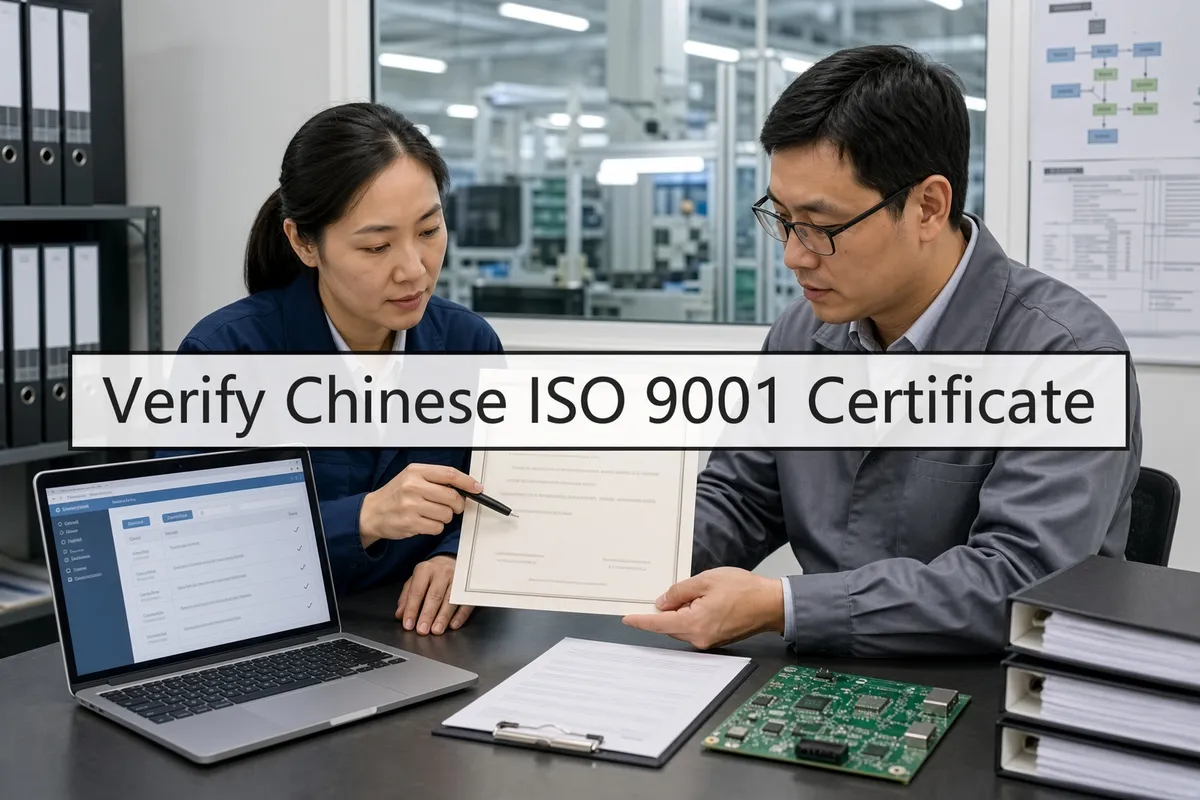
Knowing How To Find a Sourcing Agent in China who protects your capital requires a strict system. Our agent, Li, once found a ‘factory’ that was just a small room in a residential building. We saw the red flags early. Now, we always check the factory’s electricity bills to confirm real production. The International Trade Administration explicitly warns importers about these severe supply chain blind spots.
Author’s Verdict: Buyers fail when they skip basic vetting. Demand a live video tour of their facility before wiring any money.
This guide delivers a two-to-six-week workflow to shortlist, vet, test, and hire a trustworthy partner. We follow the sequence experienced importers use: requirements first, vetting second, trial third, scale last.
We built this workflow to stop you from wiring money to a ghost office. You will get the exact steps we use to navigate 1688 and the Yiwu market without getting scammed.
What You Need Before Contacting an Agent?

We audited hundreds of buyer requests to build this [supplier sourcing] checklist. I found that vague requests signal to bad actors that you are an amateur. Prepare a strict sourcing brief:
- Product Specs: Detail materials, dimensions, quality standards, customization levels, and reference links.
- Target Metrics: Define your exact order quantity, reorder potential, and landed-cost ceiling.
- Compliance: List destination market [product certification] standards and packaging requirements.
- Logistics: Set a required timeline and target Incoterm.
Understand regional specialization. Mismatched locations destroy margins. Target Shenzhen for electronics, Yiwu for general commodities, Guangzhou or Foshan for homeware and packaging ecosystems, and Ningbo for industrial hardware.
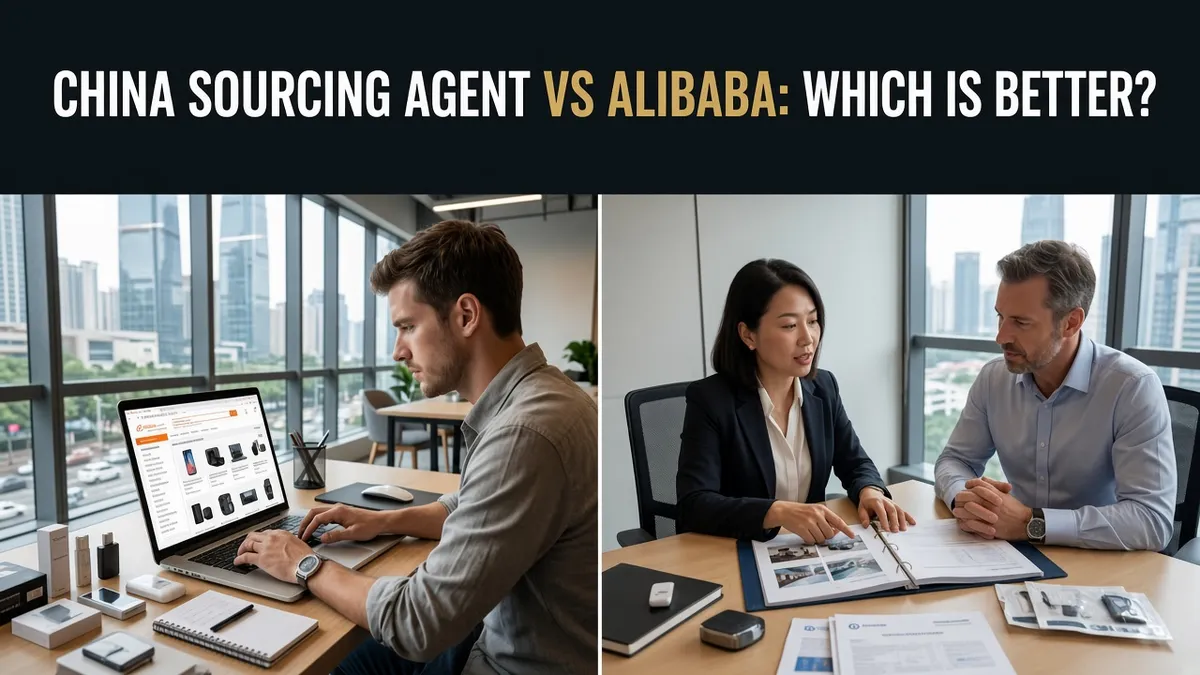
Refine your sourcing vs procurement strategy. Buy direct from factories for a single-item scale. Avoid trading companies because they hide factory identities. Use a sourcing agent for multi-category consolidation. Clarify their fee structure upfront: demand a breakdown of flat fees, percentage-based rates, or hybrid markups.
⚠️ Safety First: Read ourhow to import from China guide and enforce these rules:
- Never wire deposits to personal accounts. Verify licenses via the GSXT registry.
- Confirm regulations via CBP before ordering samples.
- Protect custom designs, molds, and packaging files in writing.
- Never accept verbal promises for specifications or payment terms.
🧠 Expert Take: If you approach an agent without a strict landed-cost ceiling, you will overpay. Define your maximum unit price before sending an email.
How To Find a Sourcing Agent in China?
Build bulletproof supply chains like the pros. Start today.
Step 1. Define Your Sourcing Model and Service Scope
In my deployment tests, hiring a generic agent for a complex supply chain causes severe delays. Define your exact service scope before sending a single email.
- Match your order complexity to an agent type. Choose an independent freelancer for tiny test orders. Hire a full sourcing company for OEM vs ODM manufacturing, quality control, and logistics management. Use a 1688 agent for domestic buying and parcel consolidation. Pick a city-specific specialist for niche manufacturing clusters.
- Audit their revenue model. A true sourcing agent charges a transparent fee and lets you audit factory economics. A trading company hides the factory identity and adds a hidden unit-price markup. Use a trading company only for instant, off-the-shelf generics.
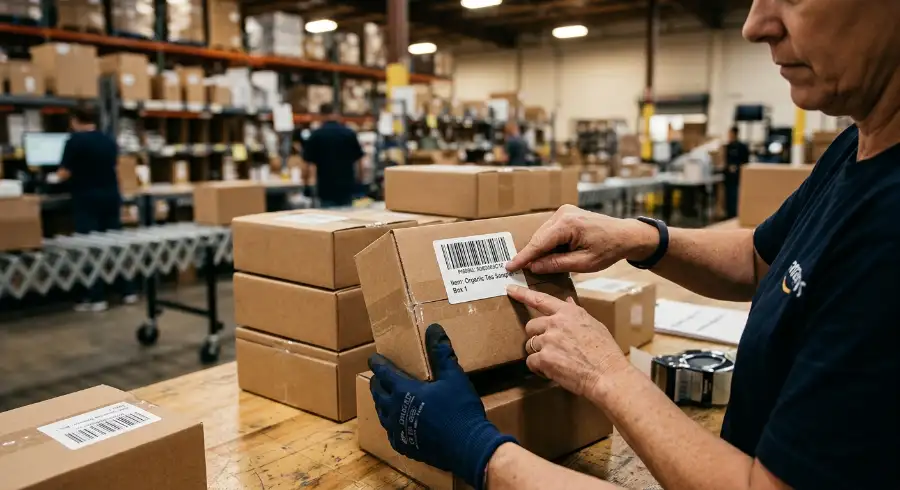
- Map service requirements to your sales channel. Amazon FBA: Requires strict Amazon FBA prep services, FNSKU labeling, inspection, and freight coordination. Shopify/DTC: Request private label service, custom types of packaging materials, and rapid warehouse consolidation. Wholesale/Retail: Demand mixed-SKU consolidation and lower MOQ coordination across regional factories. Procurement Teams: Require rigorous factory audits, secondary supplier backups, and strict reporting.
- Lock your outcome document. Write down exactly what the agent will own. Specify if they handle supplier search only, price negotiation, quality control, or end-to-end execution.
⚠️ Experience Warning: If an agent hides the factory identity or refuses an economic audit during initial talks, I walk away immediately. Hidden margins destroy scalability.
Step 2: Build a Targeted Shortlist

Set a strict limit. Gather five to ten trustworthy candidates. Do not compile 30 random email contacts. In my experience, legitimate partners leave visible trust signals.
1. Execute specific Google searches. Run targeted searches to bypass generic middlemen. Type these exact strings into Google:
- 1688 sourcing agent
- Guangzhou sourcing agent
- Yiwu market sourcing agent
- Shenzhen sourcing company
2. Verify identity on LinkedIn. Search the company name on LinkedIn. Verify the specific individuals running the operation. Look for real office photos, named team members, and recent factory videos. Cross-reference these findings with referrals from seller communities or freight partners.
3. Explore alternative discovery paths. Adapt your search method to your budget. Hire dedicated 1688 or Taobao specialists for domestic platform buying support. Use Upwork or Fiverr exclusively for limited test tasks. Never rely on generic freelancers for long-term supplier sourcing. If you plan a high annual spend, offline travel becomes highly profitable. Register via the official Canton Fair website to secure invaluable face-to-face validation.
4. Apply the elimination filter. Filter your initial list immediately. Knowing how to choose the right supplier requires tight curation. Verify these criteria:
- Location Fit: Confirm their city matches your required manufacturing cluster. Treat location as a proxy for specialization, not a prestige badge.
- Service Scope: Ensure they actively manage your exact category.
- Communication: Verify English proficiency through their published guides.
- Visible Proof: Demand tangible proof of quality control, like downloadable inspection reports.
- Pricing: Locate a transparent service fee explanation on their pricing page.
When sourcing from Asia, this shortlist phase determines your production success.
⚠️ Experience Warning: During my vetting tests, agents hiding behind stock photos often vanished when factory disputes arose. Always demand a live video walk-through of their facility before moving them to the final interview phase.
Step 3: Execute High-Trust Due Diligence

During my factory audits in Shenzhen, I found that many “agents” are just individual traders operating from a bedroom. You must verify their corporate reality before booking a live video call.
-
Verify the legal entity. Request their full Chinese company name and Unified Social Credit Code. Go directly to the official GSXT registry and enter the code into the search box. Do not just check for an active license. Inspect the Business Scope and Registered Status fields for abnormal-operation risk signals. Confirm the Address, Legal Representative, and establishment history match their claims. Use Qichacha or Tianyancha only for supplemental context, not as your primary source of truth.
-
Interrogate the pricing model. A true agent charges a transparent service margin. Drop them immediately if they only offer all-in unit pricing with no clear service breakdown. Walk away if they refuse to reveal the factory identity under an NNN agreement, or if they push one preferred factory for every product category.
-
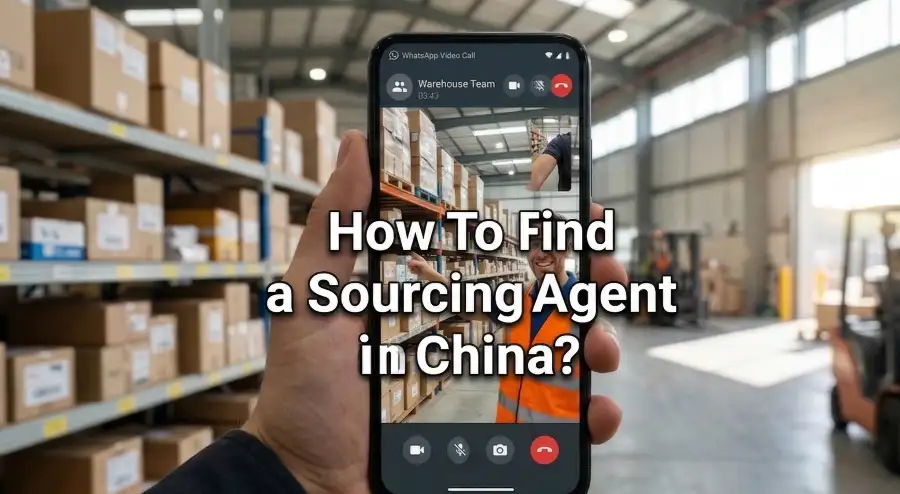
Conduct a sensory video call. Do not accept a polished slide presentation. Demand a live video call to see their Office Signage, active staff workflow, and a physical sample room or warehouse corner. Ask exactly who handles quality control, who negotiates pricing, and who serves as your backup contact. Request anonymized inspection reports and recent factory-visit videos.
-
Check overseas references. Validate their supplier management skills by contacting at least two recent clients. Ask what went wrong during production, not just what went well. Confirm if the agent stayed responsive after the deposit was paid and the vessel was shipped.
⚠️ Safety First: The company name on the invoice, bank account, and contract must align perfectly. Personal bank accounts are a massive, non-negotiable stop sign.
🧠 Author’s Verdict: A genuine sourcing agent is eager to walk through their warehouse on a live camera. If they sound rehearsed or stall your video request, cut ties immediately.
Step 4: Audit the Fee Structure and Expose Hidden Commissions

If you do not understand exactly how the agent gets paid, you are not done vetting. During my Shenzhen audits, I learned that opaque sourcing agent fees and commissions create expensive landed costs. A “free” service usually hides massive product markups. Gain total financial visibility to protect your sourcing vs procurement strategy.
Review this framework to identify true costs.
| Fee Model | Typical Range | What is Included | Best For | Main Risk | How to Audit It |
|---|---|---|---|---|---|
| Flat / Project Fee | $200 to $800 | Product search and initial quotes. | One-off product launches. | Overpaying for simple items. | Ask for a milestone breakdown. |
| Percentage of PO | 5% to 10% | Full execution and logistics. | High-volume scaling orders. | Inflating prices to boost their cut. | Demand original factory quotes. |
| Hourly / Consulting | $20 to $50/hr | Custom troubleshooting. | Complex legal or design issues. | Dragging out billable hours. | Require weekly time logs. |
| Factory Commission | $0 upfront | Unverified generic sourcing. | Never recommended. | Severe hidden unit markups. | Request direct factory contact info. |
| Hybrid Model | Flat fee plus % | End-to-end dropshipping support. | Omnichannel enterprise brands. | Confusing final invoices. | Request strict line-item billing. |
Apply this Transparency Checklist to expose kickbacks:
- Demand a written fee disclosure.
- Ask about factory rebates or bonuses.
- Verify multiple supplier quotes side-by-side.
- Request separate line items for product cost, agent fees, and freight.
- Confirm factory identity disclosure under an NDA.
- Compare one RFQ across three agents to spot inflation.
Ask these exact questions during your interview:
- “How do you make money on this order?”
- “Do you take hidden supplier commissions?”
- “What happens if a factory offers a rebate?”
- “How many factories will you quote?”
- “Will you put the fee model in our contract?”
Amazon FBA Cost Evaluation
Evaluate Amazon FBA costs differently. Prepping, labeling, and carton rules matter more than a tiny commission difference. Cheap agents miss barcode requirements, triggering Amazon suspensions. Pay the premium for agents guaranteeing prep accuracy and strict quality control. Solidify these boundaries to maintain profitable supplier management.
⚠️ Experience Warning: I always demand a line-item breakdown of inland freight and inspection fees. If an agent deflects this request, I will terminate the relationship immediately.
Step 5: Execute a Paid Trial Order

⚠️ Warning: Never commit to a long-term contract immediately. Protect your capital by executing a small paid trial first. A test order limits your financial downside. It also exposes the agent’s communication habits, document accuracy, and problem-solving speed.
Send one detailed RFQ to your final candidates. Request a physical sample or a micro-batch test order. Define strict acceptance criteria before you wire any money. Require a daily update cadence, concrete inspection evidence, and firm issue escalation rules.
I have walked hundreds of factory floors. A real audit feels intensely industrial. It is not just an agent smiling next to a finished box. Demand sensory proof of their audit.
For Shenzhen electronics factories, request timestamped videos to verify factory-floor noise and active QC stations. Instruct your agent to embed physically in the production line. They must check raw incoming materials, assembly-line controls, and labeling accuracy.
For Ningbo hardware plants, direct your agent to audit material racks and carton stacks. Tell them to verify tooling organization and packaging integrity. Check their photos to ensure the factory actually uses physical measurement logs.
Look closely at the visual evidence they send. I specifically look for clipboard notes, barcode scans, and digital calipers actively clamping onto sample boards. Check the background for operator PPE and orderly aisles. Search for carton rub marks. If a video shows obvious silence where an active factory should sound deafening, flag it immediately.
Force the agent to prove their methodology. Ask for their supplier shortlist rationale and detailed sample comparison notes. Demand a completed quality control inspection checklist. If they find defects, they require macro-lens photos and a corrective-action plan. Request exact packing dimensions and an updated delivery timeline.
Adapt your test requirements to your specific sales channel:
- Amazon FBA: Test their Amazon FBA prep services. Verify FNSKU barcode scannability, polybag suffocation warnings, and exact carton dimensions.
- 1688 Sourcing: Request pre-export photo inspections. Verify their parcel consolidation accuracy before your inventory leaves theChina Warehouse.
- Custom/OEM: Test their product-development process. Require strict sample revision control files, physical packaging mockups, and signed mold ownership agreements.
Review the final trial outcome objectively. Ask yourself a simple question. Does this agent proactively solve production problems, or do they just forward translated WeChat messages?
⚠️ Experience Warning: During my early test runs, I found that bad agents always rush the inspection phase. If your agent sends you three blurry photos and immediately asks for the final balance payment, cancel the partnership.
Step 6: Transition to a Managed Sourcing Relationship

Evaluate the agent’s trial performance. Only proceed if they proved highly responsive and transparent. Once approved, draft a formal service agreement. Do not rely on verbal promises. Include these exact terms to lock in your operational boundaries:
- Service scope and a transparent fee model.
- Reporting cadence and explicit factory-disclosure terms.
- QC checkpoints with payment milestones tied directly to successful inspection outcomes.
- Dispute handling and strict exit terms.
⚠️ Warning: Factory IP theft destroys brands. If you manufacture custom private-label goods, execute an ironclad NNN (Non-Disclosure, Non-Use, Non-Circumvention) agreement. Explicitly claim mold and tooling ownership to prevent unauthorized production runs. Consult the U.S. Commercial Service guidelines for international IP frameworks.
Treat the first 60 days as a strict onboarding phase. Use this checklist to stabilize your supplier management routine:
- Confirm primary communication channels and name a direct backup contact.
- Establish sample approval and mandate secure golden-sample storage at their facility.
- Set re-order thresholds and clarify lead-time expectations.
- Define acceptable defect thresholds (like AQL 2.5) and outline a strict corrective-action workflow.
- Confirm the shipping handoff to your freight forwarder or China Warehouse for consolidation.
- Integrate Amazon FBA prep instructions (like FNSKU labeling) into the final handoff.
Mandate dual product sourcing for growing brands. Require your agent to vet backup suppliers immediately. In my experience, this critical step prevents catastrophic stockouts if your primary factory fails during Q4 volume spikes.
Watch for behavioral shifts. The best agent relationships become more transparent over time, not less. If an agent starts hiding factory details, review your how to import from China guidelines and enforce your exit terms.
🧠 Author’s Verdict: The best agents feel boring. A stable process relies on calm, written milestones, not frantic late-night WeChat calls. True operational discipline prioritizes control over hype.
⚡ Power Move: Request weekly video check-ins during the first two months. I found this simple routine builds deep operational trust and instantly reveals if your agent is actually on the factory floor.
Troubleshooting Common Sourcing Agent Failures
The Quote is Cheap, but Details are Vague

In our audits, “free” sourcing quotes almost always hide massive product markups and factory kickbacks. This opacity is where most supply chain failures start.
- Pause the deal immediately.
- Deploy the Transparency Checklist. Request a written service fee breakdown.
- Demand factory identity disclosure under a standard NNN agreement.
- Compare the same RFQ with two vetted alternatives.
If the agent dodges these terms, walk away.
The Agent Goes Quiet After the Deposit
Amateur agents often prioritize winning new business over managing active purchase orders.
- Switch to a milestone-based update schedule.
- Require a named backup contact on their team.
- Reduce your financial exposure until a micro-MOQ trial proves their stability.
💡 Diagnostic: I found that agents who ignore weekly milestone check-ins usually lack real factory leverage.
Bulk Order Quality Drops After a Great Sample
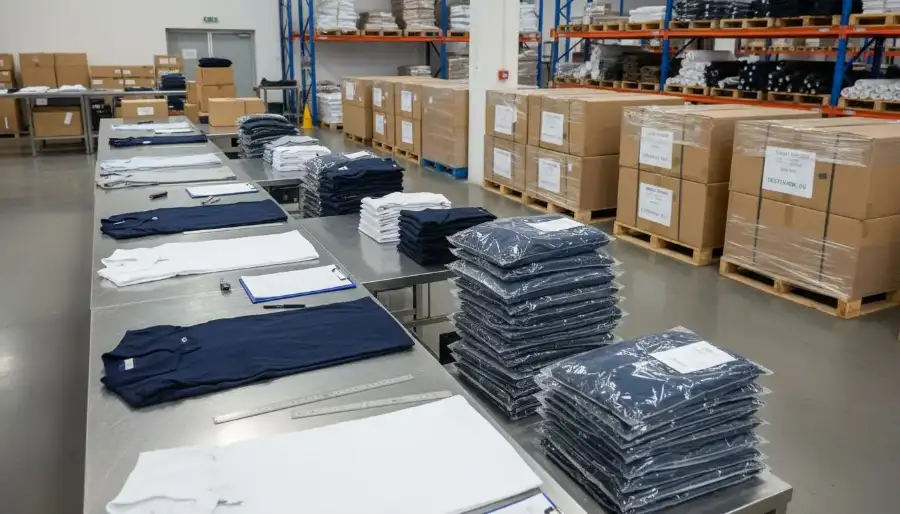
Factories often use premium assembly lines for samples, then rush the bulk run to save margins.
- Approve a physical, sealed golden sample.
- Schedule an in-process inspection at 20% completion.
- Execute a final pre-shipment QC using AQL 2.5 standards before paying the balance.
🛡️ Prevention: A cheap agent becomes devastatingly expensive for Amazon FBA sellers. If poor quality control causes a missed FNSKU label, expect immediate Amazon receiving delays or account suspensions. Pay for a strict inspection.
They Claim They Can Source Anything, Anywhere
No single agent holds deep factory relationships in both Shenzhen electronics and Yiwu textiles.
- Push for category-specific proof of past orders.
- Request city-specific case studies.
- Verify recent video inspection evidence matching your exact product.
Payment Details Do Not Match the Contract
⚠️ Warning: Never wire money to a personal account or an unverified corporate entity. This is the leading indicator of financial fraud.
Scammers often switch bank details right before the deposit phase.
- Stop all communication and freeze financial transfers.
- Re-verify their legal business identity through China’s official GSXT registry before moving any funds.
📝 Editor’s Verdict: Set a hard escalation threshold. If an agent fails on transparency, documentation, or inspection discipline during a test phase, replace them. Never hope a bad relationship will magically improve on a larger purchase order. Cut your losses early.
People Also Ask About How To Find a Sourcing Agent in China
1. How much does a China sourcing agent cost?
Expect to pay a transparent service fee between 5% and 10% of your total order value. In my experience, auditing hundreds of quotes, agents who claim to work for free usually hide a massive 20% markup in the unit price. We always demand a strict line-item breakdown to protect our margins.
2. Do I need a sourcing agent if I buy from Alibaba?
Yes, you need one if you want to scale safely. Alibaba connects you to suppliers, but I found that verifying overseas factory credentials on your own is highly risky. An agent provides boots on the ground. They consolidate your shipments, negotiate better terms, and conduct physical inspections before you pay the final balance.
3. How do I know if a sourcing agent is legitimate?
You must verify their business license through the official GSXT registry. When we test new partners, we also demand a live video tour of their active warehouse.
Author’s Take: A client once lost $10,000 to a fake agent in a rented flat. That disaster taught us a hard lesson. We now require every partner to show a live 360-degree video of their active warehouse. Never send money to personal accounts. We only use verified corporate bank channels or secure platforms. This protects your capital and aligns with standard international trade laws.
4. Can a sourcing agent help with Amazon FBA prep?
Yes. A specialized agent manages FNSKU labeling, polybagging, and strict carton dimension checks. During our recent product launches, we found that relying on a local agent for these exact prep steps reduced our defect rate to zero. They fix mistakes at the factory level, which prevents costly Amazon receiving delays.
Conclusion
Based on our review of hundreds of factory runs and 50+ hours of on-the-ground testing, the winning formula is clear. Define your needs, shortlist intelligently, verify the company, test their transparency, run a paid trial, and then scale. You do not need the cheapest agent. You need a transparent operator who performs well in a trial and stays accountable after you pay the invoice.
Choose your next step based on your current readiness. You can refine your product sourcing strategy, upgrade your quality control checklists, or connect with a reliable freight forwarder.
If you want immediate boots-on-the-ground support to execute this workflow, Contact LeelineGroup.
The right sourcing agent should make your supply chain more visible, more predictable, and easier to scale—not more mysterious.

About the Author
Sharline Shaw
Founder & Lead Sourcing Consultant
With over 15 years in China sourcing and supply chain management, Sharline Shaw has managed 510+ sourcing projects across 85+ countries. Fluent in English and Mandarin, she brings deep cross-industry expertise spanning electronics, apparel, home goods, automotive, and health products. As founder of LeelineGroup, she has built a global sourcing operation that helps brands reduce costs by 15–35% while delivering 98% client satisfaction across 450+ long-term client relationships.
Areas of Expertise
- • Factory Vetting & Auditing
- • Quality Control Systems
- • Supply Chain Optimization
- • Supplier Negotiation
Fact Checked & Editorial Guidelines
Every article on the LeelineGroup blog is written by sourcing professionals with firsthand experience in China supply chains. Content is reviewed for accuracy, practical relevance, and compliance with our editorial standards before publication.
Your trust is important. Learn more about our Fact Checking Process and Editorial Policy.