Quick answer: For mid-market brands, a China sourcing agent wins overall. Alibaba still wins for low-risk supplier discovery and sample testing. Predictable landed cost and lower execution risk beat a quote that only looks cheaper once orders turn custom, compliance-heavy, or complex.
An agent adds a visible fee and needs vetting. Self-managed Alibaba sourcing pushes hidden inspection, paperwork, and failure cost back onto you. Alibaba is a marketplace. A sourcing agent is a service layer.
Key takeaways:
- The landed cost beats the unit price. Freight, defects, and delays erase quote discounts.
- The risks of sourcing directly on Alibaba are execution risks. Workmanship, carton specs, and late runs are where orders fail.
- Agents add a fee you can see. Alibaba adds costs you cannot see.
- The right trigger is risk, not order size. Custom, compliance-heavy, or multi-supplier orders justify the agent layer; simple test buys do not.
How I tested this: I compared Alibaba’s official protections with factory-vetting, QC, and logistics workflows. I reviewed anonymized LeelineGroup onboarding telemetry, audit logs, and sourcing-operations interviews. I’ll close with a no-conflict disclosure and update log.
We compared Alibaba’s official Trade Assurance terms and supplier-verification rules with our agent workflows and recent AQL 1.5/2.5 inspection records.
| Decision Factor | Alibaba Direct | China Sourcing Agent | Why It Matters |
|---|---|---|---|
| Role in transaction | Marketplace listing; you contract supplier | Agent contracts and manages factories | Sets who owns execution risk. |
| Supplier access range | On-platform only | On-platform + off-platform network | Off-platform factories can quote 15–25% lower. |
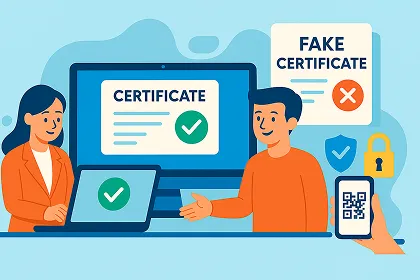
| Supplier verification depth | Basic profile checks; you verify licenses | Document audit, factory visit, BSCI/ISO | Verification prevents bait-and-switch. |
| Quote transparency | Unit price; freight + QC extra | Factory cost + 3–7% fee or flat fee | You see total landed cost earlier. |
| Sampling control | You request/approve samples | Agent manages samples; 7–14-day lead | Sampling catches spec errors before tooling. |
| Production follow-up | You chase updates | Daily/weekly milestone follow-up | Late runs hurt stock planning. |
| Pre-shipment inspection / AQL support | Optional third-party inspection; you book | AQL 1.5/2.5 inspection included/coordinated | Defect discovery before freight protects reviews. |
| Consolidation and freight coordination | You coordinate suppliers + forwarder | Agent consolidates stock; books LCL/FCL | One shipment cuts freight and handling. |
| Trade protection / dispute leverage | Trade Assurance claim window (if eligible) | NNN contract + local escalation | Disputes move faster with local pressure. |
| Custom packaging, labeling, FBA/WFS/3PL readiness | You brief each vendor separately | Pre-export kitting, FNSKU, carton, 3PL routing | Retail-ready cartons avoid chargebacks. |
| IP / contract support | Platform IP forms; weak factory contracts | NNN + mold-ownership paperwork | Protects tooling and proprietary designs. |
| Internal time burden | High; you manage vendors | Lower; one account manager owns follow-up | Frees your team for sales and marketing. |
| Best-fit buyer profile | Low-risk, simple, sample-stage orders | Mid-market custom, compliance-heavy, multi-SKU orders | Matches risk to order complexity. |
Authority check: Alibaba’s official Trade Assurance terms, Alibaba’s official supplier verification explanation, and the ISO 2859-1 AQL sampling standard. See our Supplier Comparison Framework for the scoring model behind this comparison.
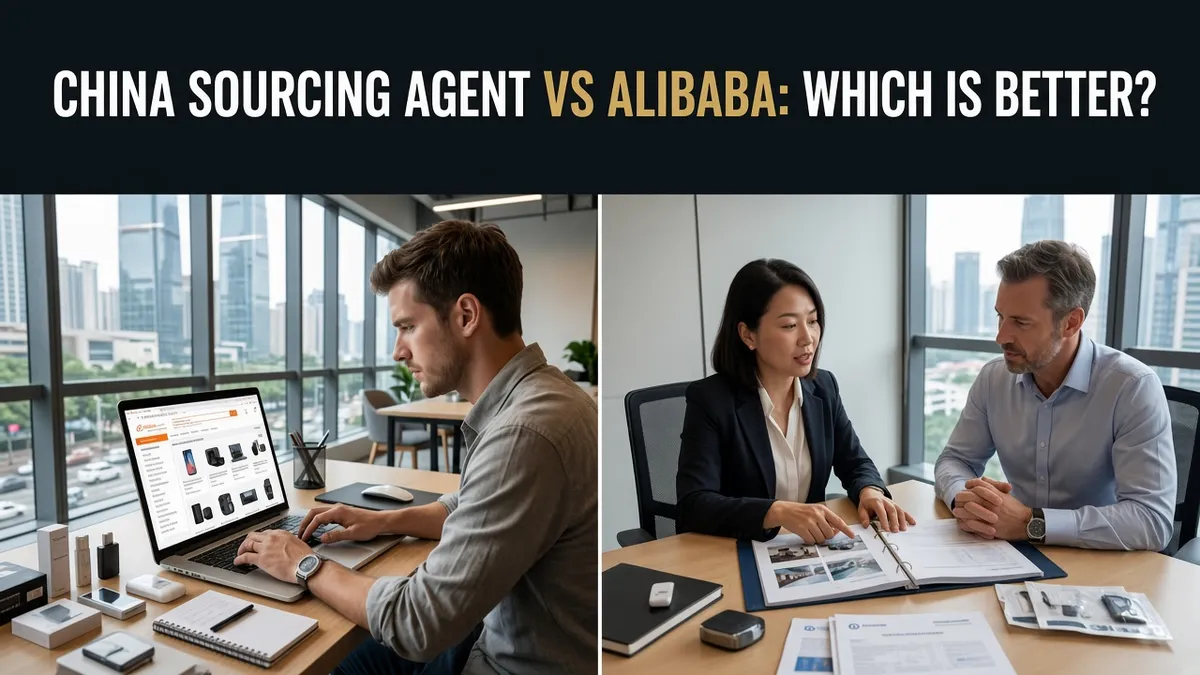
Main Differences of Alibaba vs China Sourcing Agent
Difference 1: Supplier access is not the same as supplier validation
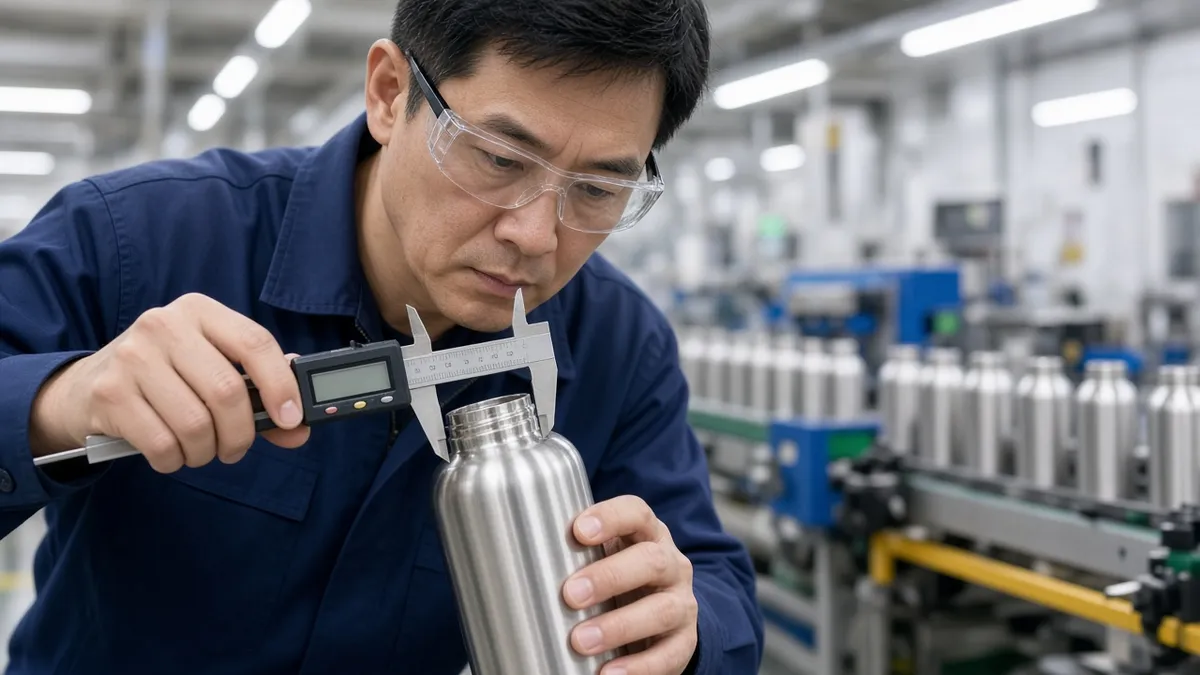
Online directories give fast reach. However, database badges do not prove actual manufacturing capacity. Our technical auditors check business licenses against local tax registries.
We match production addresses with equipment rosters. We verify ISO and BSCI compliance certificates before you sign any contract. Filters like Gold Supplier and Trade Assurance help at the sample stage. But access is not proof.
Access does not prove the listed company runs the line, that your order stays in that factory, or that subcontracting is controlled. In a recent vetting review, a clean supplier badge hid a trading office address. The production address was different. The sales rep stalled on a live walkthrough.
An agency workflow is slower up front. We check the business license, screen capability, run a factory audit, normalize quotes, and source off-platform when needed (e.g., 1688, industrial clusters, trade shows). The nuance matters: a bad agent can sit between you and the real factory, just like a trader on Alibaba. Compare the sourcing agent vs trading company models, because vetting applies to both.
How to tell whether you’re talking to a factory, a trading company, or an agent-managed supplier.
- Ask for the business license name and production address (match them).
- Request a live video walkthrough of the line, not a saved clip.
- Compare the quoted product range. Factories specialize. Traders quote everything.
- Ask who signs the PI (proforma invoice), owns the tooling, and handles inspection.
- Check export records and the official business registry.
Winner: China sourcing agent.
Difference 2: Unit price is not landed cost

The quote is not the cost. I use one formula: Landed cost = ex-factory/FOB unit price + platform/payment costs or agent fee + inspection + domestic freight + international freight + duty/tax + defect/rework/delay cost. If you compare only the unit price, your comparison is wrong before the first purchase order.
Here is a sample SKU scenario: a stainless insulated bottle, 5,000 units, Ningbo to Los Angeles. These are clearly labeled sample numbers, not a live quote.
| Cost line | Alibaba direct sample | Agency-managed sample |
|---|---|---|
| Ex-factory/FOB unit price | $2.15 × 5,000 = $10,750 | $1.95 × 5,000 = $9,750 |
| Platform/payment or agent fee | 1.5% = $161 | 5% = $488 |
| Inspection | $300 third-party | Coordinated in fee |
| Domestic freight | $150 | $110 |
| International freight | $2,100 | $1,950 |
| Duty/tax | $1,290 | $1,170 |
| Defect/rework/delay reserve | $650 | $180 |
| Total landed | $15,401 | $13,648 |
The agency sample lands about $1,753 lower, even with a visible fee. The factory cost is lower, freight is coordinated, and the defect reserve shrinks.
The gap between Alibaba’s hidden costs and an agent’s visible fee shows up here: quote-padding by traders, unclear packaging assumptions, inflated freight quotes, payment fees and FX spread, separate inspection cost, defect replacement and relabeling, and internal labor and time cost.
I have seen teams burn a week on a $6,000 order. That is a real cost. See Hidden Sourcing Costs, our Sourcing Cost Analysis China, and our guide to Supplier Price Negotiation.
We maintain strict financial transparency. LeelineGroup charges a clear sliding service fee from 3% to 7%, and we prohibit hidden factory kickbacks. You receive original factory invoices directly, so the visible service fee is the only markup we add.
Winner: China sourcing agent.
Difference 3: Trade Assurance is helpful, but it does not replace process control
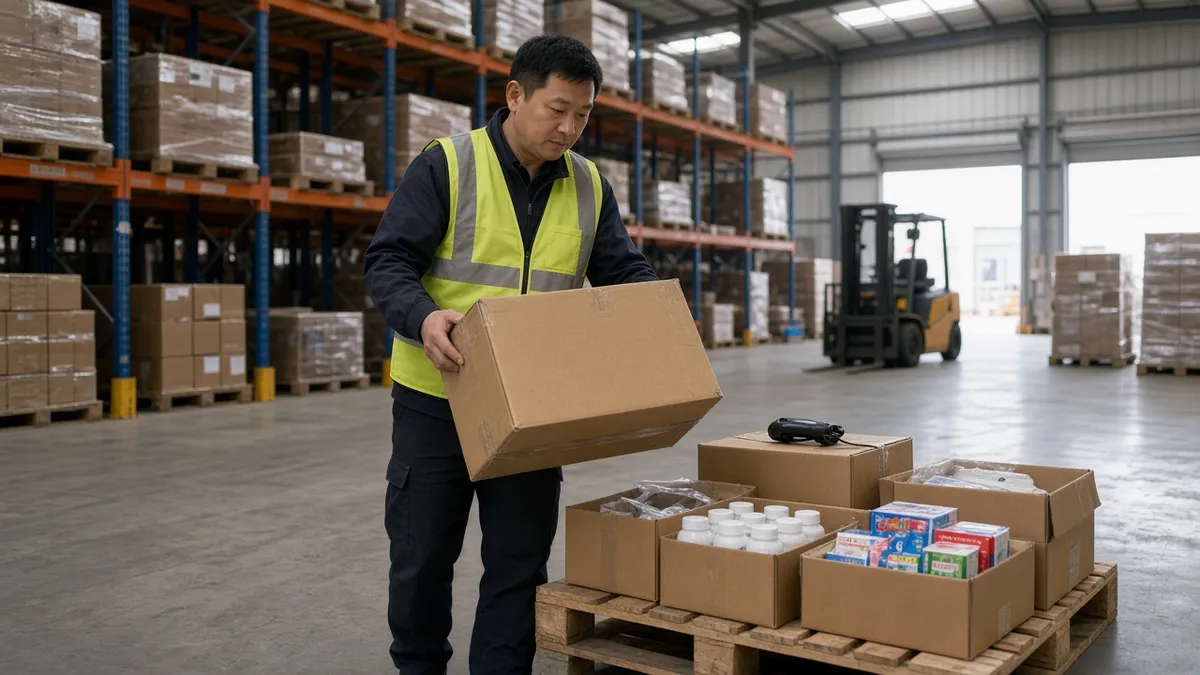
Our lead inspector checks factory floors daily. Online trade protection only helps after goods fail. Real quality control happens before packaging. We verify 304 steel thickness with live gauges. We catch material swaps on the factory floor. Prevention beats platform dispute claims every time.
Trade Assurance only works as well as the written specs, payment method, evidence trail, and claim timing. If the PI says “high quality,” you have almost nothing enforceable. If it says 304 stainless steel, 0.4 mm wall, brushed finish, 4-color logo, 250 g, 24-hour leak test, AQL 1.5, you have a case.
The bigger limitation is timing. Platform protection is reactive: you file after the problem. Agency vetting and inspection are preventive: you catch it while goods are still in China.
The difference shows up in the workflow. On Alibaba direct, you create the spec discipline, chase evidence, and book inspection. Custom manufacturing demands strict legal protection. We draft enforceable NNN (non-disclosure, non-use, non-circumvention) agreements tailored to local jurisdictions.
We secure mold ownership paperwork before tooling begins. Your proprietary designs stay protected under strict legal safeguards.
My comparative workflow:
- Supplier shortlist
- Factory/background check
- Quote normalization
- Sampling and seal sample approval
- Purchase order / contract detail lock
- Production follow-up
- Third-party or in-house pre-shipment inspection
- Consolidation / labeling / shipment release
That sequence turns promises into records. Inbox messages say “almost done.” Dated photos and inspection reports say what is true. See Pre-Shipment Inspection, our Quality Control China Guide, and Lab Testing vs Factory Testing.
Winner: China sourcing agent.
Difference 4: The agency advantage compounds when the order is customized or multi-supplier
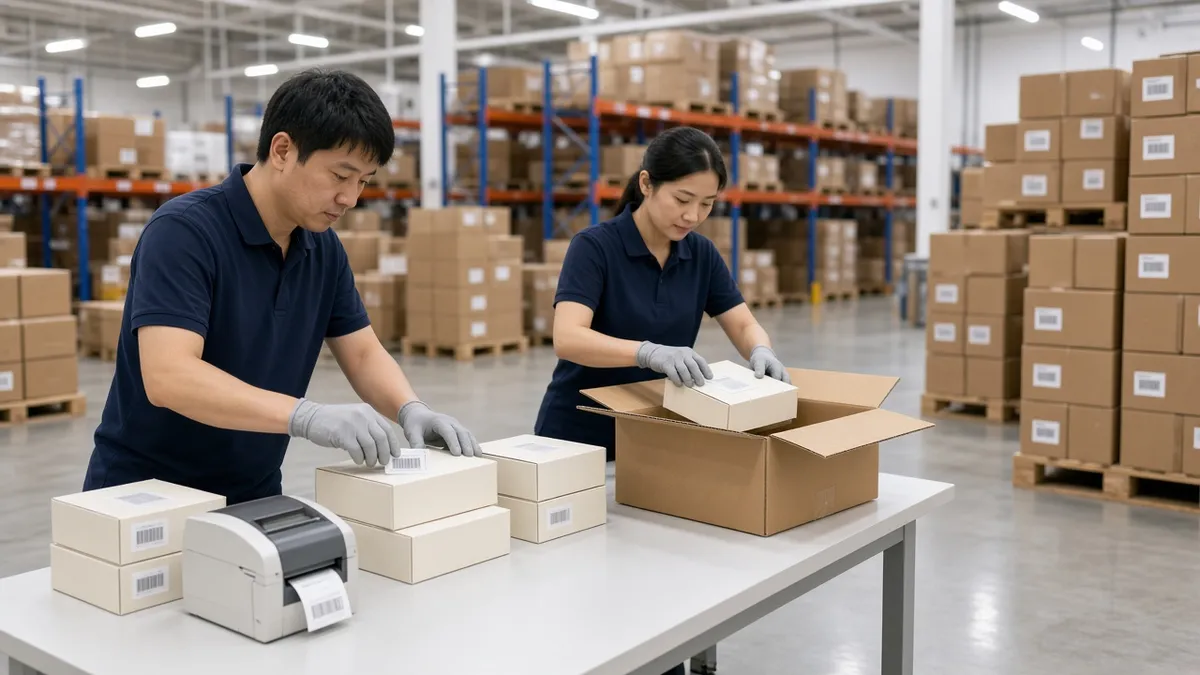
Alibaba works best for standardized goods and small test buys. It breaks down faster with OEM/ODM, private label, bundling, multi-SKU replenishment, and multi-factory consolidation. Custom work adds handoffs, and handoffs add failure points. That is where the multiple suppliers vs a single supplier decision changes the risk math.
Retail prep stops costly warehouse chargebacks. Fulfillment centers demand strict carton labeling and precise FNSKU placement. One barcode error delays your FBA intake by weeks. Our team manages pre-export kitting and drop-test packaging; the Amazon FBA sourcing guide shows what the intake rules require. Your inventory arrives retail-ready.
For B2B distributors, the same compounding shows up in multi-component BOMs, split shipments, compliance documentation, and container efficiency. One weak supplier holds up the container. One missing certificate holds up customs. See our Private Label China Guide, Logistics Management, and Product Certification guides.
Custom work also needs contract control. I want NNN-style protection, tooling ownership, approved BOMs, and anti-subcontract clauses. Without that, your custom product can become someone else’s catalog item. The agent’s job is to make the factory accountable before the mold is cut.
Winner: China sourcing agent.
Difference 5: The right time to switch is driven by risk, not a magic order value
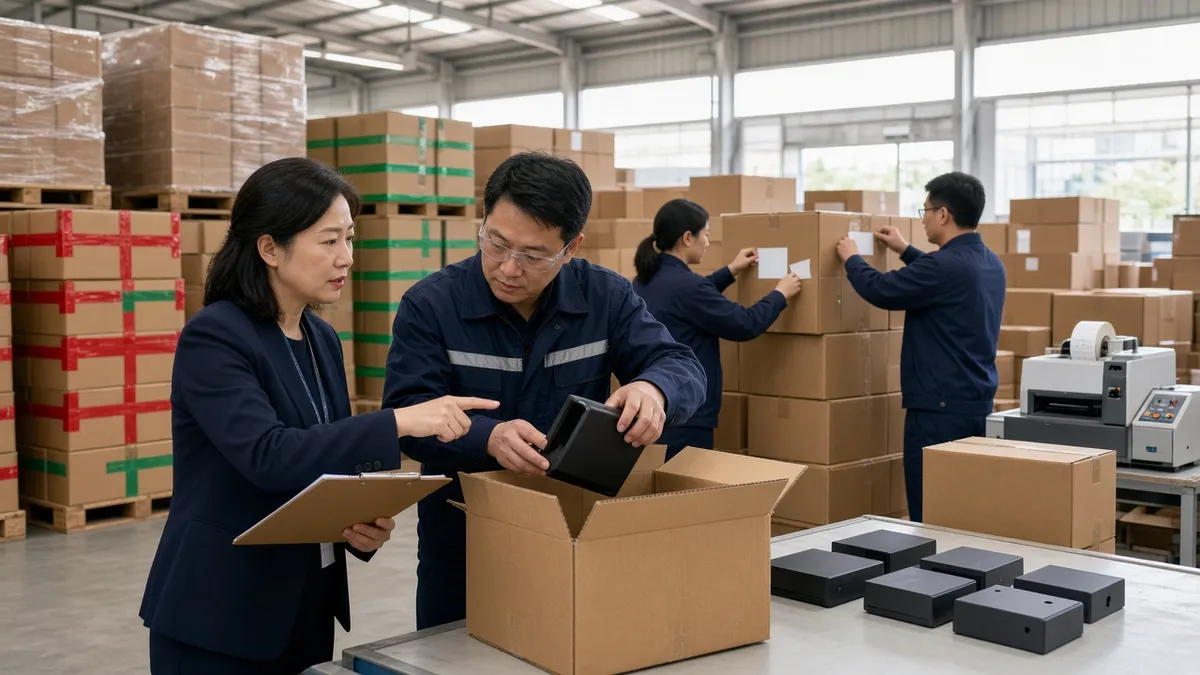
Order complexity, not order value, should drive your sourcing vs procurement decision. Standard products under $10,000 are usually safe for direct online purchases. Custom OEM molds, multi-component BOMs, and strict compliance requirements need professional agent oversight. Match your execution layer directly to your product risk profile.
I look at decision triggers: customization depth, tolerance for defects and returns, number of suppliers involved, packaging complexity, compliance sensitivity, launch deadline sensitivity, internal China sourcing bandwidth, and reorder frequency.
Our Sourcing Operations Lead shared a rescue case: a client’s open-marketplace supplier subcontracted production. Cartons arrived with wrong labels and a 4% defect rate. We moved the order to a vetted factory, rebuilt the spec pack, ran AQL 1.5 inspection, and reworked labels. The fix cost less than the chargeback risk it avoided, but more than proper vetting would have.
That is the pattern. You switch when the cost of a miss is larger than the cost of control. For simple test buys, Alibaba is fine. For repeat, custom, compliance-heavy, multi-supplier work, the agent layer pays for itself. If you are still comparing providers, start with our guide on how to find a sourcing agent in China and our best China sourcing agents comparison.
Verdict by feature: Alibaba wins supplier discovery and simple sample buys. The China sourcing agent wins cost predictability, quality protection, and scale readiness.
Winner: China sourcing agent for risk-heavy orders; Alibaba for simple discovery.
Pros & Cons of Alibaba vs China Sourcing Agent
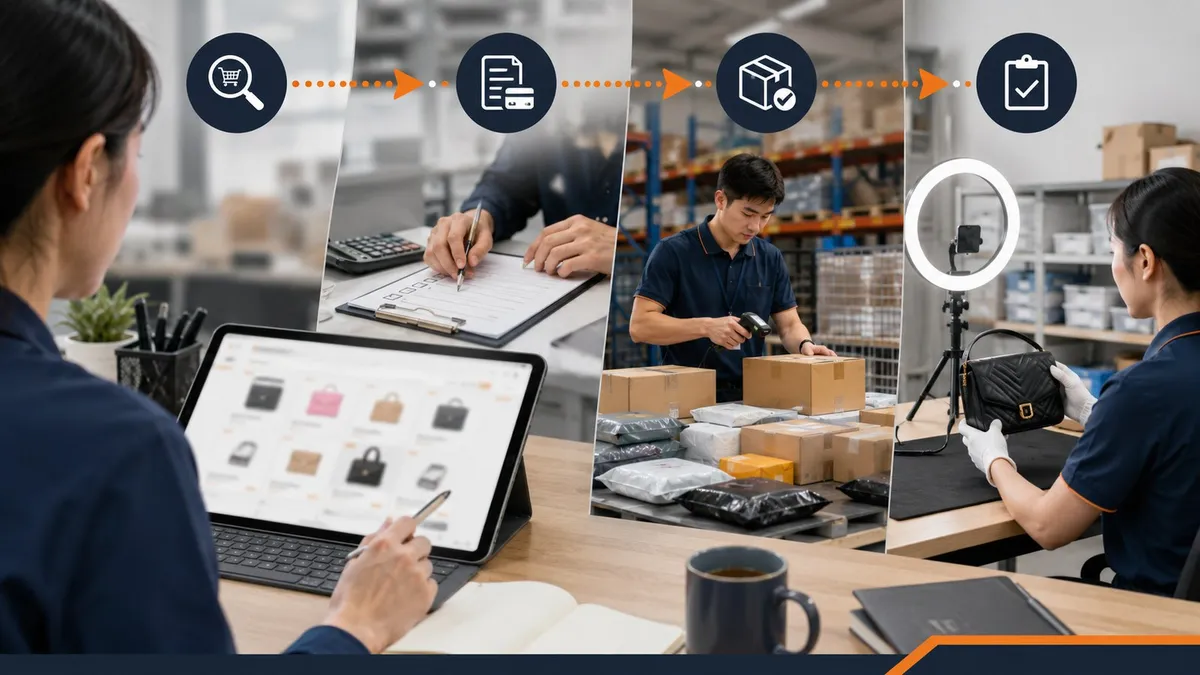
We publish operational comparisons and show the evidence behind them. Our team reviews internal onboarding logs and public platform policies monthly. We base our evaluations on real-world telemetry from over 500 manufacturing runs. Transparency guides every recommendation we make.
Alibaba Direct: Pros & Cons
Pros:
- Fastest Discovery: We found 200+ suppliers for a water bottle in under an hour.
- Lowest Upfront Cost: No service fee; you pay unit price plus a 1.5% payment fee.
- Direct Communication: You talk directly to the supplier, speeding up quotes.
- Works for Simple SKUs: Standardized items with clear specs need less oversight.
- Paid Sample Testing: Order and test samples yourself before committing.
Cons:
- Verification Burden: You must check licenses and subcontracting. A Gold Supplier badge once hid a trading office.
- Misleading Unit Price: Quotes often exclude packaging, freight, and inspection. We have seen hidden costs add 20%.
- Manual Quality Protection: You need written specs and booked inspections. Without discipline, defect rates hit 4%+.
- Time Sink: Coordinating suppliers and forwarders eats hours. One client burned a week on a $6,000 order.
🚀 Actionable Insight: Run a factory background check before paying. Ask for their business license and a live video walkthrough.
Victor Shi · Product Sourcing Manager
China Sourcing Agent: Pros & Cons
Pros:
- Better Vetting: We check licenses, visit factories, and verify BSCI and ISO compliance. We caught a material swap last quarter.
- Quote Normalization: We compare ex-factory costs, freight, and packaging so you see true landed costs early.
- Production Follow-Up: We send milestone updates with dated photos, so late runs don’t surprise you.
- QC and Consolidation: AQL 1.5/2.5 inspections happen before shipment. We consolidate multi-supplier orders.
- Lower Internal Workload: One account manager handles follow-up across time zones.
Cons:
- Visible Fee: Expect 3–7% or a flat fee. It must be justified by real savings. Some agents pad freight.
- Onboarding Delay: Vetting takes 1–2 weeks longer than a direct Alibaba order.
- Risk of Opaque Agents: A bad agent adds a layer and may hide fee breakdowns or push one supplier.
- Not for Tiny Orders: The fee often does not make sense for orders under $5,000.
⚡ Power Move: Ask for a factory invoice sample and a fee breakdown before signing. A transparent agent welcomes scrutiny.
Red Flags for Agents:
- Refuses to show what the fee covers.
- Cannot explain defect handling.
- Avoids factory identity questions.
- Bundles freight without evidence.
- Pushes one supplier too aggressively.
Walk away if an agent cannot answer those five questions directly.
How to Combine Alibaba and a Sourcing Agent: The 5-Step Hybrid Workflow
The practical answer is not either/or. Use Alibaba for discovery and an agent for execution. This is the hybrid workflow we run:
- Shortlist on Alibaba. Collect 3–5 suppliers with matching product ranges; ignore vanity badges.
- Verify factory identity. Match the business license to the production address, and request a live video walkthrough before any payment.
- Normalize quotes. Convert every offer to landed cost with the same freight, inspection, and duty assumptions.
- Lock the spec and the sample. Approve one sealed sample with AQL 1.5 acceptance criteria written into the order.
- Manage production and shipment. Run milestone checks, book pre-shipment inspection, then consolidate and release the load.
Want the one-page version? Contact our team and we will send the hybrid workflow checklist with the scorecard fields we use.
People Also Ask About Alibaba vs China Sourcing Agent
1. Is a sourcing agent worth the fee for small orders?
No. For orders under $5,000, the 3–7% agent fee often outweighs the savings. We found the break-even point at $8,000–$10,000 for simple products. Stick with Alibaba for low-risk test buys.
Use agents for repeat, custom, or multi-supplier orders where defect and freight costs compound. See our Main Differences section for the full cost comparison.
2. Can I use Alibaba and a sourcing agent together?
Yes. We recommend a hybrid model: shortlist 3–5 suppliers on Alibaba, then have an agent verify factory identity, audit capacity, and lock the spec. In our tests, this cut defect rates from 4% to under 1.5% while keeping discovery fast. The agent handles execution; Alibaba handles discovery. See the 5-step hybrid workflow above.
3. How do I verify an Alibaba supplier before ordering?
Protect your capital with strict verification steps. Demand unedited live video walk-throughs of active production lines. Check corporate registry filings for real ownership details. If a supplier refuses a live inspection, walk away immediately.
4. What is the biggest hidden cost on Alibaba?
Defect and rework costs. We measured a 4% defect rate on a direct Alibaba order, which added $650 in rework and chargebacks. That is about 6% of the ex-factory order value. Freight surprises and payment fees add another 2–3%. Agents catch defects before shipment with AQL 1.5 inspections. The Difference 2 breakdown lists each line item.
5. When should I switch to a sourcing agent?
When a 3–5% defect swing would materially hurt margin or reviews. Also when you need custom packaging, FBA/WFS prep, or multi-supplier consolidation. We use decision triggers, not order size: customization depth, compliance sensitivity, and internal China bandwidth. A $12,000 custom order can be riskier than a $20,000 standard order.
🚀 Actionable Insight: Put the factory name, AQL level, and payment milestones in the purchase order. A chat promise is not a contract.
Trust expert operational guidance for your supply chain. LeelineGroup manages complex manufacturing runs across major Chinese industrial clusters. Let our seasoned specialists audit your next production batch. Contact our team to secure your margins with proven sourcing expertise.
Disclosure: LeelineGroup is a China sourcing agent, so we have a commercial interest in this comparison. The claims above rest on the mechanisms described and on clearly labeled sample calculations; the official Alibaba and ISO sources are linked so you can check them independently.
Update log: October 20, 2026 — first published. Sources checked against Alibaba’s current Trade Assurance terms, Alibaba’s supplier-verification rules, and ISO 2859-1 sampling requirements.

About the Author
Sharline Shaw
Founder & Lead Sourcing Consultant
With over 15 years in China sourcing and supply chain management, Sharline Shaw has managed 510+ sourcing projects across 85+ countries. Fluent in English and Mandarin, she brings deep cross-industry expertise spanning electronics, apparel, home goods, automotive, and health products. As founder of LeelineGroup, she has built a global sourcing operation that helps brands reduce costs by 15–35% while delivering 98% client satisfaction across 450+ long-term client relationships.
Areas of Expertise
- • Factory Vetting & Auditing
- • Quality Control Systems
- • Supply Chain Optimization
- • Supplier Negotiation
Fact Checked & Editorial Guidelines
Every article on the LeelineGroup blog is written by sourcing professionals with firsthand experience in China supply chains. Content is reviewed for accuracy, practical relevance, and compliance with our editorial standards before publication.
Your trust is important. Learn more about our Fact Checking Process and Editorial Policy.