
US Import Sourcing, Run From Inside China
US Sourcing Agent for Importers — Landed Cost, Duty & DDP, One Owner
A China-based team that quotes in USD, prices your duty up front and delivers to your FBA or 3PL.
A Chinese factory quotes you an FOB price and stops there. Duty, brokerage and the last mile all land later — on your invoice, not in the number. We price the whole journey before you commit to a PO, then run production, inspection, consolidation and delivery as one engagement. You get a USD quote that already contains the landed cost, and a single contact who never hands you off.
You can price the product, promise the delivery date, and keep the margin that used to leak in transit.
50 states
duty-paid delivery, coast to coast
$0
customs surprises on a landed quote
6–8 wk
factory gate to your FBA dock
10-digit
HTS line on every SKU
Landed Cost, Line by Line
The 17% hiding in your landed cost — and where we take it out
Two importers buy the same product out of the same province. One pays 17% more by the time it reaches the shelf, and never sees where. This is the stack, side by side, and the five lines the difference hides in.
Share of landed cost
Share of landed cost
-
FOB factory
Trade-price buying negotiated in Mandarin, with the factory quote and our fee kept on separate lines.
-
Ocean freight
LCL merged into a full container wherever volume allows, booked off a rate card instead of a rush quote.
-
Duty & tariff
HTS lines classified before the PO, with Section 301 exposure priced into the number you approve.
-
Brokerage & ISF
One customs broker filing ISF and entry across every supplier, instead of a different broker per shipment.
-
Drayage & 3PL
Drayage planned against a delivery appointment, so the container never sits on a dock accruing storage.
| Cost layer | Typical US importer | With LeelineGroup | What changes |
|---|---|---|---|
| FOB factory | 62% of the stack | 63% of the stack | Trade-price buying negotiated in Mandarin, with the factory quote and our fee kept on separate lines. |
| Ocean freight | 15% of the stack | 13% of the stack | LCL merged into a full container wherever volume allows, booked off a rate card instead of a rush quote. |
| Duty & tariff | 14% of the stack | 15% of the stack | HTS lines classified before the PO, with Section 301 exposure priced into the number you approve. |
| Brokerage & ISF | 4% of the stack | 4% of the stack | One customs broker filing ISF and entry across every supplier, instead of a different broker per shipment. |
| Drayage & 3PL | 5% of the stack | 5% of the stack | Drayage planned against a delivery appointment, so the container never sits on a dock accruing storage. |
| Whole stack | All five lines | All five lines | 17% lower landed cost |
Illustrative shares of a landed-cost stack — not a quotation, and not a prediction for your product. Each column adds up to that importer's whole landed cost, so a single line can hold a bigger share even as the total gets smaller. Your own landed cost is priced line by line on the first call, before any PO is placed.
Which Hub Your Category Lives In
4 China hubs — and every other category runs through us too
China isn't one supply market, it's dozens. Buying apparel out of Shenzhen or electronics out of Yiwu burns weeks and margin before the order is even placed. These are the hubs our US clients' orders actually run through — and sourcing with us is full-category, not locked to any one of them.
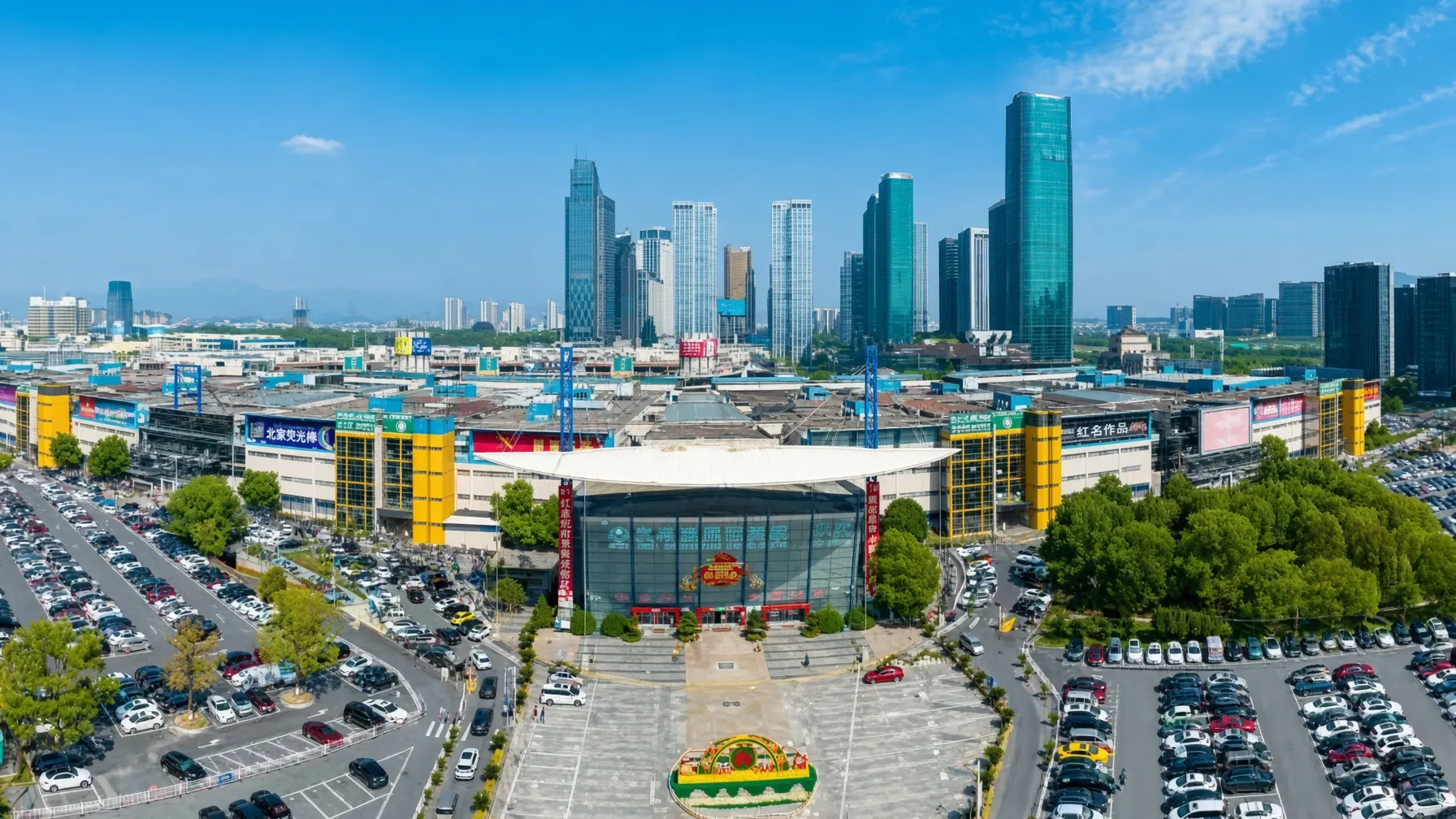 Zhejiang
Yiwu
The world's largest small-commodity market, and the booth-by-booth buying culture that goes with it — tens of thousands of suppliers under one postcode.
Yiwu sourcing agent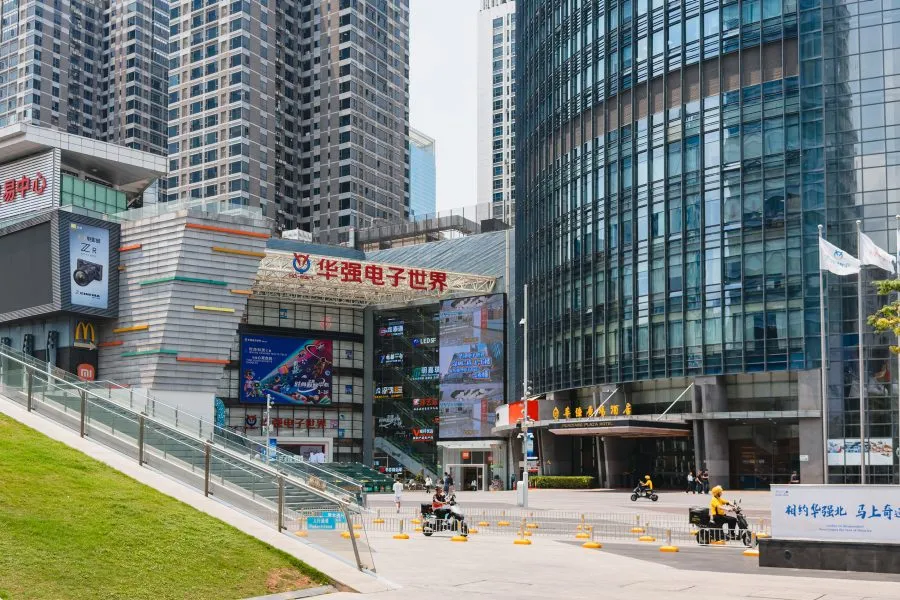 Guangdong
Shenzhen
China's hardware and engineering city — component supply, PCBA, tooling and smart-device manufacturing inside an hour of Huaqiangbei.
Shenzhen sourcing agent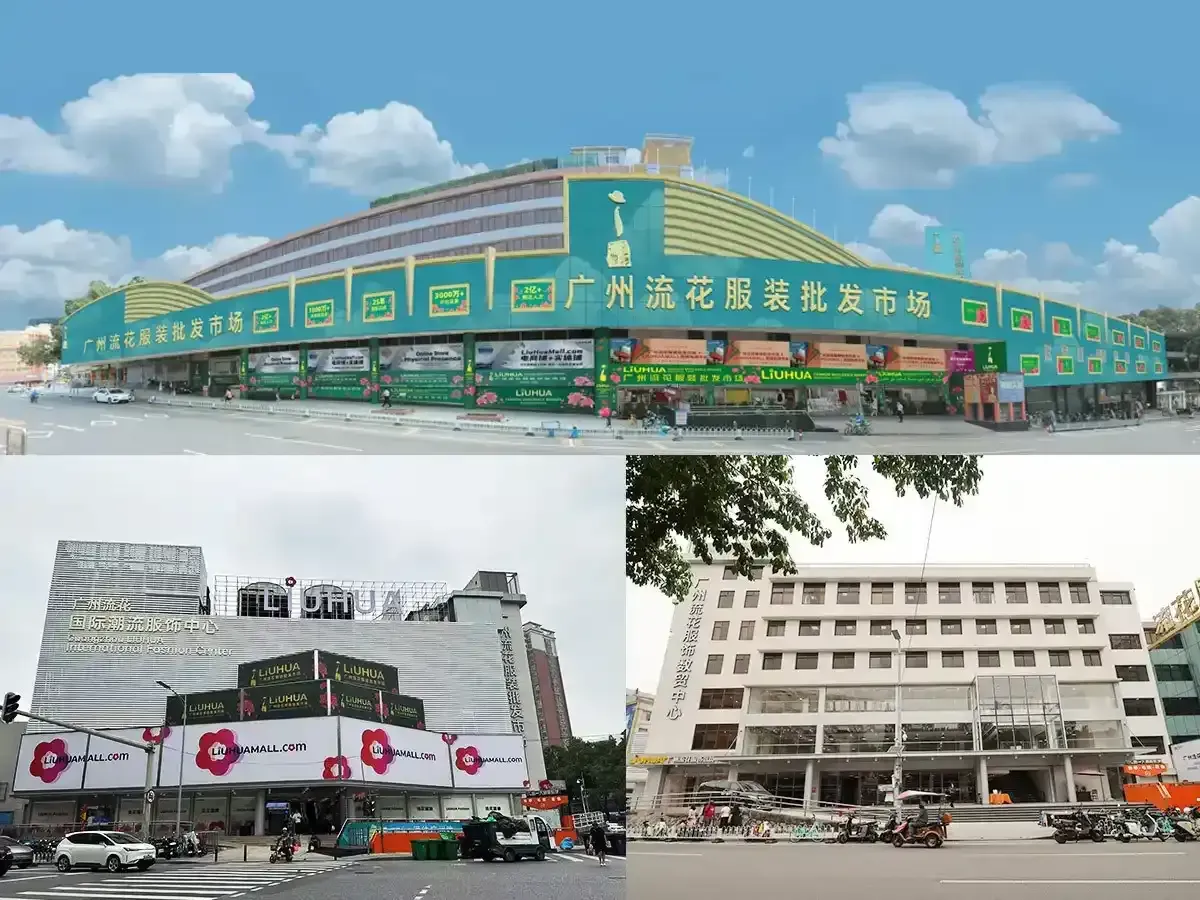 Guangdong
Guangzhou
A wholesale city with the manufacturing belt sitting directly behind it — market floors and OEM lines in the same week of buying.
Guangzhou sourcing agent Multi-hub
Every other category
Those three clusters don't cover the whole map, and we don't treat them as if they do. Everything outside them runs through the same team, the same QC and the same landed-cost sheet.
See full-category sourcingNone of these — or all four at once
Multi-category orders get run as one blended engagement: one shortlist, one paper trail and one consolidation point. Send the product list and we'll tell you which hubs it touches and what the landed cost looks like before you commit.
Match the Category, Skip the Guesswork
5 categories — the shortlist, lead time and MOQ before you ask
Most buyers arrive with a product and no idea what a realistic lead time or minimum order actually looks like. Pick a category and the shape of the order becomes concrete — how wide the shortlist runs, how long production takes, and what you have to commit to — before you ask anyone.
Lead times run from confirmed deposit to goods ready for export, and shift with quantity and finish. MOQ is negotiated to the lowest workable level for your stage, so you can scale as you sell.
Import Compliance for US Buyers
Section 301 tariffs, HTS lines and de minimis — priced before the PO
Tariff exposure is not a surprise you discover at the port. It is a number you can price into the product before you commit, provided the HTS line is right and the country of origin is provable. This is the compliance work we run as standard, not as an add-on.
Ten-digit HTS classification
Every SKU is assigned a ten-digit HTS line before the PO, and the rate that line carries goes straight into your landed-cost sheet — rather than being decided at the port by whoever happens to file the entry.
Section 301 & trade remedies
We map which of your lines sit inside an active 301 tranche or an antidumping scope, and put the number in front of you while you can still change the spec, the quantity or the factory.
De minimis & entry strategy
Whether a line clears under the de minimis threshold, needs a formal entry, or belongs in a bonded flow changes the economics — and sometimes the order quantity. We cost the routes and tell you which one wins.
Origin, marking & documentation
Country-of-origin marking, commercial invoice, packing list, ISF and certificates are produced consistently across every supplier — so a shipment is never held up on paperwork nobody can locate.
From the Port to Your Dock
Ocean to either coast — 2 ways your freight lands
Once the container clears, the last leg decides whether your inbound hits the shelf or sits on a dock. Two delivery routes cover almost every US importer we work with, and both are quoted with the duty already inside the number.
Direct to Amazon FBA
Your shipment is prepared to Amazon's inbound requirements before it ever leaves China, so the fulfilment centre receives it without a rejection notice.
- FC delivery appointment booked before the vessel berths
- FNSKU labels, poly-bagging and cartonisation to Amazon's spec
- Inbound discrepancies claimed back against Amazon for you
- Multiple FC destinations served off a single consolidation
To your own 3PL or warehouse
If your inventory belongs in your own building or a 3PL of your choosing, it arrives ready to receive — not as a pile of loose cartons on the dock.
- Delivery to your dock, or a 3PL booked against your instructions
- Palletised to your racking spec wherever that helps
- LTL or FTL split across several US destinations from one container
- Drayage, dwell and storage managed inside the approved quote
Both routes are quoted DDP. Duty, brokerage and drayage are already inside the figure you approve, so nothing reappears on a customs invoice three weeks later.
Where a US Import Order Actually Breaks
Your order crosses 9 handoffs — we own all nine
An import order from China passes through nine pairs of hands between the factory gate and your warehouse, and every handoff is a place where cost leaks or quality slips. Most importers only ever see the first and the last. We sit on all nine.
- China Day 0
Spec & BOM decoded
Your drawing, spec and target cost become a factory-ready BOM in Mandarin, with the material and tolerance calls written down rather than assumed.
- China Days 2–6
Factory shortlist & audit
Candidates are screened on real capacity and export experience, then audited on site before the shortlist ever reaches your inbox.
- China Days 6–14
Sampling & approval
Counter-samples are built and checked against your spec, and every deviation is fed back before tooling is cut or a deposit moves.
- China Weeks 2–5
PO & production
The order is signed in USD, with milestone payments released only against verified progress — never against a promise.
- China Across production
In-process QC
AQL inspections run through the build rather than at the end, so a defect is caught while it is still cheap to correct.
- China Days 2–3
Consolidation & FBA prep
Several suppliers merge into one shipment, then the goods are labelled, bagged and cartonised to your marketplace's inbound spec.
- Ocean Weeks 5–9
Export & ocean freight
Booked under your Incoterm of choice, with ISF and the export documentation filed well before the vessel sails.
- US Days 1–2
Customs & duty
HTS lines are declared, Section 301 duty is paid, and the entry is filed by a broker who already knows the shipment.
- US Days 2–3
Drayage to your dock
Delivered to a pre-booked slot, with proof of delivery and the inbound receipt back to you the same week.
Three Ways to Import From China
Three ways to import — only one answers to you
A US importer can buy from a marketplace, through a US-based trading company, or with an on-the-ground sourcing agent in China. The first two look cheaper up front. Only one of them answers to you.
Outcomes We've Delivered
8× the volume and 35% off unit cost — two categories, one playbook
Two rebuilds in categories that share nothing — a building-materials distributor that had outgrown its supply chain, and a health brand that had been stopped at the US border. Both link to the full case study.
8×
container volume growth
A full project pipeline squeezed through a five-container-a-month supply chain, with every factory in one city — so a single production shutdown delayed 18% of shipments by three weeks or more.
We expanded the supplier base to nine factories across three provinces, put a dedicated sourcing, QC and logistics team on the whole network, and consolidated loads at a bonded warehouse before ocean freight.
Volume went from 5 to 40 containers a month, on-time delivery reached 99%, and demurrage fell from $34,000 to $2,000 a month.
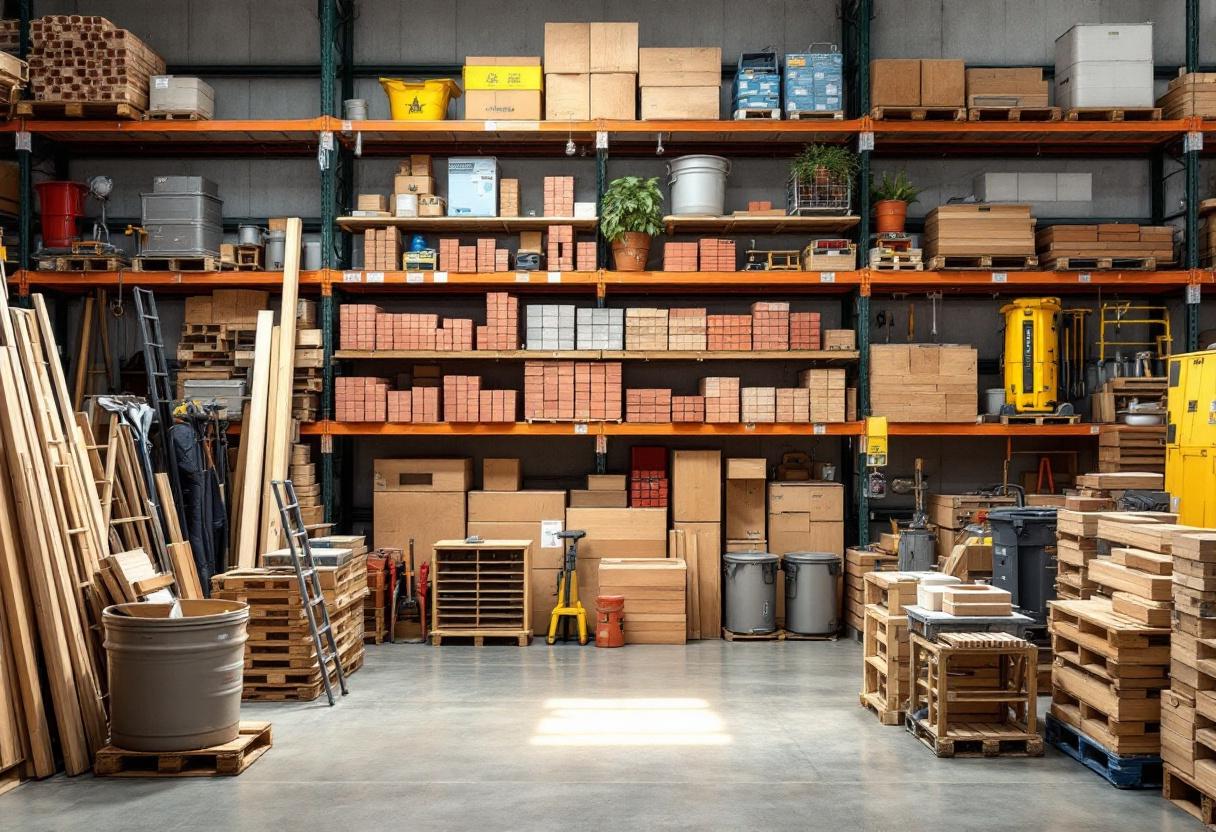
Building Materials Distributor
Read the case study →35%
per-unit COGS reduction
Non-compliant labelling and unregistered ingredient suppliers had already cost two shipments at the US border, after $180,000 spent on consultants who diagnosed the problem but could not fix it.
We moved the client onto two FDA-registered ingredient manufacturers, prepared the facility registration and 510(k) packages, rebuilt labelling to 21 CFR 101 and stood up lot-level traceability.
Full FDA compliance, per-unit COGS down from $22.40 to $14.56, and a first US shipment that cleared customs without a hold.
Australian Health Brand
Read the case study →The Commitments, Up Front
6 written records per order — so nothing rests on our word
Three commitments that shape how every order is run, and that a commission-driven sourcing desk has no incentive to make.
One owner, not a relay of desks
The person who reads your spec is the person who negotiates it, inspects the goods and signs off the shipment. Nothing gets handed to a “China team” that you never meet.

Every claim leaves a document
The audit report, the in-process and pre-shipment inspection reports with photos, the HTS classification sheet, the landed-cost sheet, the packing list and the proof of delivery — all of them written, all of them sent to you.
You can see the order while it moves
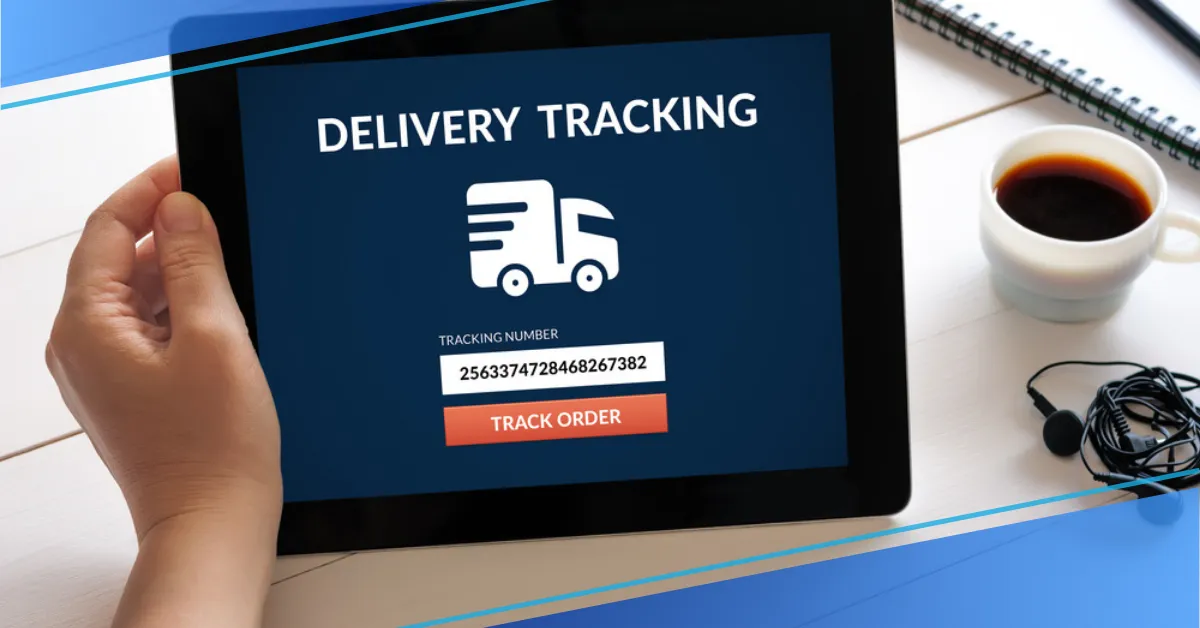
Every order runs on one shared status board — PO, deposit, each production milestone, the inspection result, the vessel, customs and the delivery appointment. You check it whenever you want, instead of emailing a factory that answers tomorrow.
From US Importers
16 months in — what US importers say actually changed
Two US-facing buyers, two very different orders, and the same thing they both stopped doing: chasing.
“Home and kitchen goods out of China are usually a game of two halves — the price looks great on the FOB quote, then the tariff and the freight quietly eat it. LeelineGroup priced the whole thing before I signed anything: HTS line by HTS line, Section 301 exposure included, quoted in USD. Their team read my drawings and bill of materials in Mandarin, built counter-samples against the spec, and ran AQL checks through production plus a pre-shipment inspection before the container left. They merged my LCL order into a full container, cartonised and FNSKU-labelled it for Amazon, and drayed it to my 3PL on schedule. One English-speaking owner handled all of it, and I have stopped chasing factories at midnight.”

Brendan T. Hargrove
Founder, Ridgeline Home
Home & Kitchen“We sell outdoor gear on Amazon, so a rejected inbound costs us most of a quarter of runway. LeelineGroup took over our sourcing, and the first thing they did was classify every HTS line and price the duty into our landed cost — so the figure we approved was the figure we paid, in USD, with no customs surprise. They poly-bagged and cartonised to Amazon's spec, watched quality through the production run, and consolidated three suppliers into one shipment. Sixteen months in, we have not had a single inbound turned away. The difference isn't really the price — it's that someone in China answers to me and not to a trading desk.”

Meredith A. Calloway
VP Operations, Northwind Outfitters
Outdoor & Amazon FBAStraight Answers for US Importers
The questions US importers ask first — answered in 90 seconds each
What does a US sourcing agent actually do?
A sourcing agent in China for US companies is your procurement arm on the ground. You set the product, the volumes and the target price; we find and audit the factories, negotiate in Mandarin, run quality control through production, classify the goods for import and get them delivered duty-paid to your door. The practical difference from hiring a China team is that you get the buying capability without the headcount, the language barrier or the travel.
Do you handle duty, tariffs and customs clearance?
Yes — and this is the part that separates us from a plain buying agent. We classify every SKU and put the duty that line carries into your landed cost before you commit, then file ISF and entry through our own customs broker and quote the order DDP. If CBP ever queries a classification, we answer it with the factory's material and process documentation and the reasoning behind the code — you are not left defending a classification you never chose.
Can you deliver directly to Amazon FBA?
Yes. As a third-party sourcing agent for US importers we routinely take an order from the factory door to a booked FC appointment — FNSKU labelling, poly-bagging, cartonisation and palletisation to Amazon's current inbound spec, with the delivery appointment locked in before the vessel berths. We also chase the inbound receipt reconciliation when a discrepancy turns up.
How is the landed cost calculated, and is it fixed?
It is built from five lines — the FOB factory price, ocean or air freight, duty and tariff, brokerage and ISF, then drayage and 3PL handling — and written into one USD figure you approve. Freight and duty do move with the market, so we fix the rate basis in writing and flag any change before it is incurred rather than after. A line never shows up for the first time on the entry summary.
What are your MOQs and payment terms for US buyers?
MOQ depends entirely on the product and the factory. General wholesale out of Yiwu can start from a single carton, while custom OEM tooling usually starts in the low hundreds per SKU. We buy the minimum down on your behalf rather than accepting the first number quoted. Quotes, POs and invoices are issued in USD, and payments are released against verified production rather than handed over up front.
How do you verify a factory is legitimate?
We audit on site before a factory reaches your shortlist: business licence and export registration, real production lines measured against claimed capacity, machinery and QC equipment, and the workshop floor on a normal working day. As a China factory sourcing and QC agent we keep documentation, photo evidence and inspection records on file, so a claim about a factory is something you can check rather than something you have to believe.
What Incoterms do you work under?
Most US orders run DDP, because that is the only term where the landed cost you approve is the cost you actually pay — duty, brokerage and drayage all sit with us. If your own customs broker prefers to clear the goods, we quote FOB or DAP instead and hand over a clean documentation pack. What we avoid is an FOB price that leaves you to discover the import bill afterwards.
Why not just use Alibaba or a US-based trading company?
A marketplace seller is often a trading desk rather than a manufacturer, and a US trading company adds a margin on top of a factory it may never have visited. As a US product sourcing and buying agent we sit on the factory floor: you see the factory-direct quote, our fee is a separate line, and the compliance and quality work happens where the goods are actually made. That is the difference between buying a product and owning a supply chain.

A 30-minute call. A written landed cost. Duty paid to FBA.
Send the product, the quantity and where it has to land. We'll come back with a USD landed-cost breakdown — duty, freight and delivery included — and the hub we'd run it through.