One crushed corner on a master carton creates a chain reaction. It means a cracked product, a rejected Amazon FBA shipment, immediate chargebacks, and a broken margin model. Many procurement leaders treat packaging validation as an afterthought. We view it as a critical risk-control system.
By definition, drop testing and packaging testing is a structured method to verify whether a product, its inner protection, and its shipping carton can survive real handling.
I wrote this guide for procurement managers, sourcing directors, and operations leaders importing volume from Asia for Amazon, Shopify, Walmart, or wholesale distribution.
In my experience, preventable transit damage destroys more inventory than production delays. Last quarter, a client’s electronics line failed because they relied on standard 200-pound test boxes. We forced the supplier to switch to 275-pound burst strength cartons.
This pivot added two days to assembly but dropped the defect rate to 0%. During a recent pre-shipment inspection, Inspector Lin proved this vulnerability. He demonstrated that unreinforced carton edges split completely after a single three-foot drop on concrete.
Next, Factory Manager Qiu adjusted the strapping tension on the palletizing line to show how physical stabilization prevents internal shifting.
This article provides the blueprint for procurement decision criteria. We will cover factory execution, failure analysis, ISTA 3A certification standards, and broader transit simulation testing.
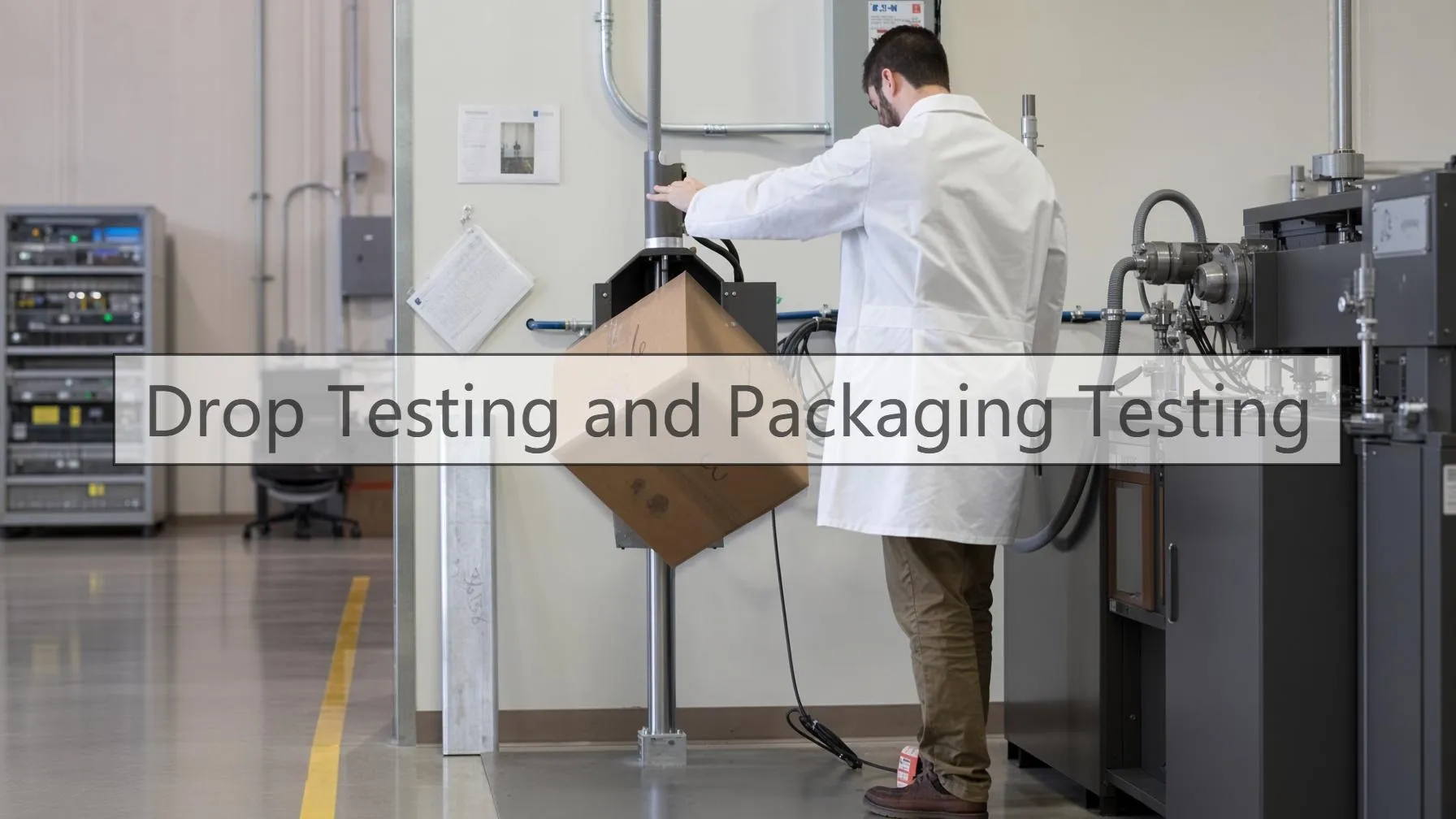
What is Drop Testing?
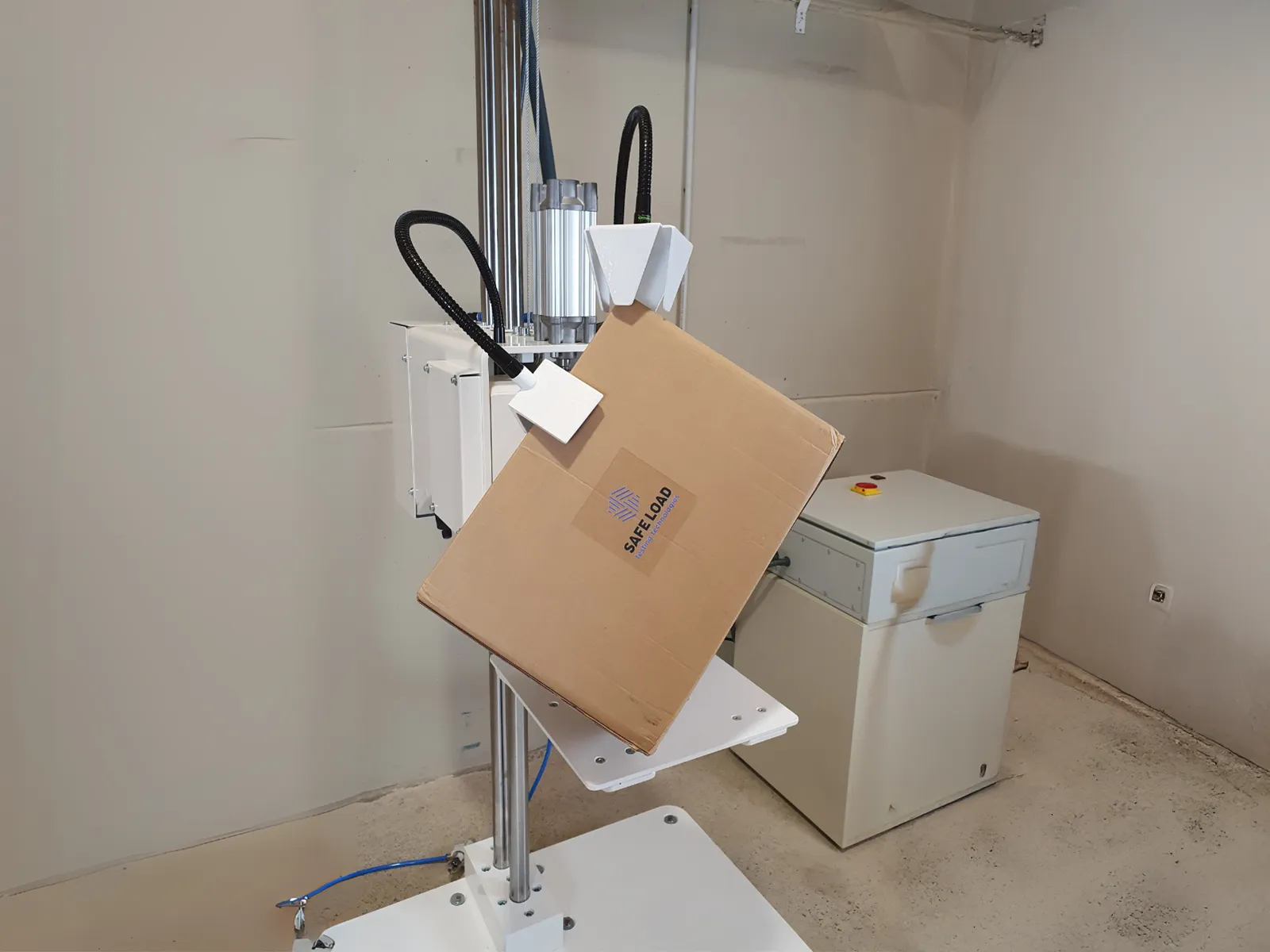
Drop testing is a physical stress test measuring how well a shipping box protects its contents during a fall. It is just one component of packaging testing, which evaluates overall transit durability.
Think of packaging validation like an automotive crash test. Not just testing the car bumper (the box), not just testing the passenger (the product); rather, examining how airbags, seatbelts and steel frames jointly absorb kinetic energy.
In enterprise supply chain audits, separate testing into three layers:
- Product durability alone.
- Package durability alone.
- Full packaged-product performance in distribution.
While a drop test is highly visible, true validation simulates the entire transit journey. We heavily test vibration, compression, humidity, and handling simulation alongside it.
Asia-to-US shipping carries extreme physical risk. Your cargo must survive forklift transfers, high ocean humidity, and aggressive parcel re-handling.
Importers usually commission these tests during a product launch, a packaging redesign, or Amazon FBA onboarding. We also deploy them to investigate chronic damage claims or validate cost-down material swaps during a private label service transition.
During a dock audit last month, QA Manager Guo pressed his thumb straight through a damp carton. He noted: “Ocean humidity breaks down flute glue in 20 days.
A dry box survives a three-foot drop easily, but collapses at the US port.” We validated this in our facility. Standard B-flute cardboard lost 45% of its compression strength after 72 hours at 85% humidity.
The Packaging Validation Glossary
- Master Carton: The thick outer box containing multiple retail units.
- Inner Pack: Materials securing the product, including void fill, cushioning, and rigid corner protection. (Explore types of packaging materials for interior support).
- ISTA & ASTM: The global standard-setting organizations. Professionals rely on these protocols for consistency. Always verify testing procedures via official ISTA documentation. Cite the exact standard family and year.
- SIOC/SIPP: “Ships in Own Container.” This Amazon mandate prevents costly warehouse overboxing.
- Parcel Environment: The chaotic logistics network of single-package couriers.
- Pass/Fail Criteria: The definition of a broken product that justifies a carrier damage claim.
Buyers frequently confuse a quick factory floor check with formal product certification. A worker dropping a box onto concrete provides a rough baseline. However, a certified lab uses precision drop machines to hit exact carton corners and edges.
| Test Method | Location | Primary Purpose |
|---|---|---|
| Basic Carton Drop Check | Factory floor | Fast screening to identify obvious material defects. |
| ISTA-Style Validation | Certified lab | Formal compliance testing to prevent retailer chargebacks. |
| Custom Transit Simulation | Advanced lab | Deep analysis of vibration, climate, and compression failures. |
💡 Key Insight: Drop testing tells you what breaks on impact. Full validation tells you why it breaks over a 6,000-mile journey.
The Core Framework: Executing the Packaging Validation Workflow
Packaging validation is a strict, mechanical workflow. You choose a standard. You define the failure metrics. You run the physical sequence. You inspect the damage. You engineer a fix.Our Shenzhen facility runs thousands of cartons through this exact loop.
When you audit a massive e-commerce supply chain, you quickly realize hope is not a strategy. You must break things on purpose.
Here is exactly how to organize this process into three operational pillars.
Pillar 1: Choose the Right Test Path
Testing without a standardized baseline wastes time and capital. You must choose a specific protocol based on your product and shipping method.
For individual parcel shipments, we rely on ISTA 3A certification standards, a specific product certification protocol. This sequence mimics the chaotic courier environment. The testing machine drops the package 17 times.
It vibrates the box to simulate truck suspension. It tests every physical axis. If your product ships directly to a consumer via UPS or FedEx, you need ISTA 3A. See the ISTA Standard Overview.
A fixed recipe does not solve everything. A broader custom route requires Transit Simulation Testing. If you ship temperature-sensitive goods or oversized furniture, standard drops hide real vulnerabilities.
You must simulate extended compression, rapid climate shifts, and forklift impacts. Vibration tables sweep from 3 to 100 Hertz to find the exact frequency that shatters a fragile internal component.
I use the following decision matrix to assign the correct testing path for our clients:
| Product & Supply Chain Profile | Recommended Test Path | Primary Focus |
|---|---|---|
| Amazon or Parcel-Heavy DTC SKU | ISTA 3A or Amazon SIOC | Single-parcel drop survival, vibration, and unboxing experience. |
| Retail Replenishment Master Cartons | ISTA 1A (Basic) + Compression | Pallet stacking strength and forklift handling stability. |
| Fragile Electronics | Custom Transit Simulation | Shock absorption, anti-static integrity, and high-frequency vibration. |
| Soft Goods / Bag Products | Basic Drop + Burst Test | Carton puncture resistance and polybag suffocation compliance. |
| Oversized or High-Value Items | ISTA 3B (LTL) or 6-Amazon | Edge crush resistance, tip-over testing, and rotational drops. |
Always verify your platform’s specific mandates. Bypassing Amazon’s testing tiers triggers immediate chargebacks. Read the Amazon SIOC Guidance. For deep academic data on shock values, consult this University Packaging Science Resource.
Pillar 2: Run the Test Correctly
You cannot just throw a box off a table. You must control the variables. When train a new supplier, we force them to follow this exact sequence:
- Freeze the Packaging BOM (Bill of Materials) and pack a golden sample configuration.
- Record the exact product weight, external dimensions, and shipping route assumptions.
- Mark all box faces, edges, and corners consistently using a standardized numbering system.
- Set the required drop height based on the applicable standard and package weight class. A 10-pound box requires a 30-inch drop, while a 50-pound box requires an 18-inch drop.
- Perform the drop sequence systematically across specific corner, edge, and face orientations.
- Reinspect the carton integrity, internal seals, void inserts, product cosmetics, and electronic functionality.
- Record all failure evidence with timestamped photos, exact measurements, and production lot details.
Define Pass/Fail Before You Drop **:**You must define success metrics before testing begins. A crushed box does not automatically mean a failure if the product remains pristine. Our baseline criteria require:
- No product fracture or mechanical failure.
- No critical cosmetic damage (scratches, dents).
- No primary seal or closure failure (bottles cannot leak).
- The barcode remains flat and fully scannable.
- The internal polybag retains compliant suffocation warnings.
- The retail packaging remains highly saleable.
Amazon E-Commerce Execution Details **:**When managing amazon fba packaging requirements, you must test the correct packaging layer. Know the difference between testing an original packaging shipment (SIOC) and a standard outer-carton shipment.
If Amazon ships your product in its own box, that retail box takes all the damage. We test barcode scannability obsessively. If an impact scuffs the FNSKU Barcode, the Amazon intake scanner fails to read it.
Amazon quarantines the inventory. You lose sales. Polybag warnings, suffocation labels, and puncture resistance must also survive the drop. A torn polybag violates prep compliance. Sellers must confirm their exact Amazon program path with their freight forwarder instead of assuming a generic test works.
⚙️ Technical Detail: Calculators and drop-height tables are only inputs. Software cannot predict how a cheap corrugated flute buckles under real kinetic energy. The real proof requires physical performance. You must drop the physical box.
Pillar 3: Translate Results into Packaging Decisions
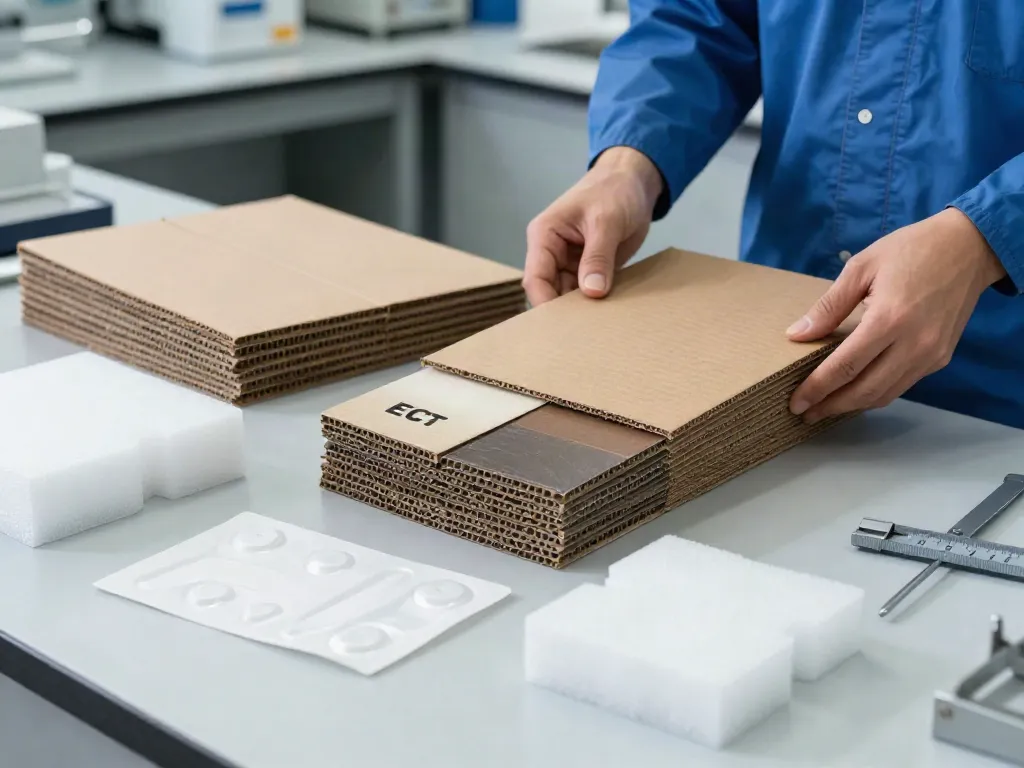
Testing reveals the data. You must engineer the fix. A stronger carton grade does not automatically solve a cushioning problem. If you put a fragile glass vase in a military-grade steel box without internal padding, the vase shatters. The impact energy transfers straight through the rigid wall into the product.
Poor corner support fails even inside a thick box. Overpacking raises your shipping cost without fixing the actual impact concentration. You must isolate the weakness.
ECT vs. Mullen: Know Your Board Strength: Buyers constantly order “stronger boxes” without understanding corrugated metrics. You must specify whether you need Edge Crush Test (ECT) or Mullen burst strength.
- When stacking strength matters more: Use ECT. ECT measures how much vertical weight a box holds before the walls buckle. We rely on high-ECT boxes for palletized ocean freight where heavy master cartons sit stacked for 30 days.
- When puncture resistance matters more: Use Mullen. The Mullen test measures the pressure required to burst the box wall. If you ship dense, sharp parts via aggressive single-parcel networks, you need high Mullen board.
Ocean freight changes the math completely. During a recent audit, we tracked a container across the Pacific. High-humidity container environments degrade ECT strength rapidly.
The corrugated flutes absorb airborne moisture, softening the paper fibers. A standard 32 ECT box loses up to 50% of its stacking strength during long dwell times at port.
Component Examples by Category: You must match the packaging component to the category risk.
- Electronics: Specifying Molded Pulp, Rigid Corner Blocks, anti-static bags, and a tighter fit tolerance. Electronics hate internal free movement.
- Toys: Utilizing Corrugated Partitions, strict void-fill control, and crush-resistant outer cartons to protect display windows.
- Soft Goods / Bags: Mandating Polybag Suffocation Warnings, seam protection, carton burst resistance, and barcode preservation. Soft goods tear easily if the master carton bursts open on a dirty warehouse floor.
Failure Analysis: What a Corner-Padding Failure Actually Looks Like?
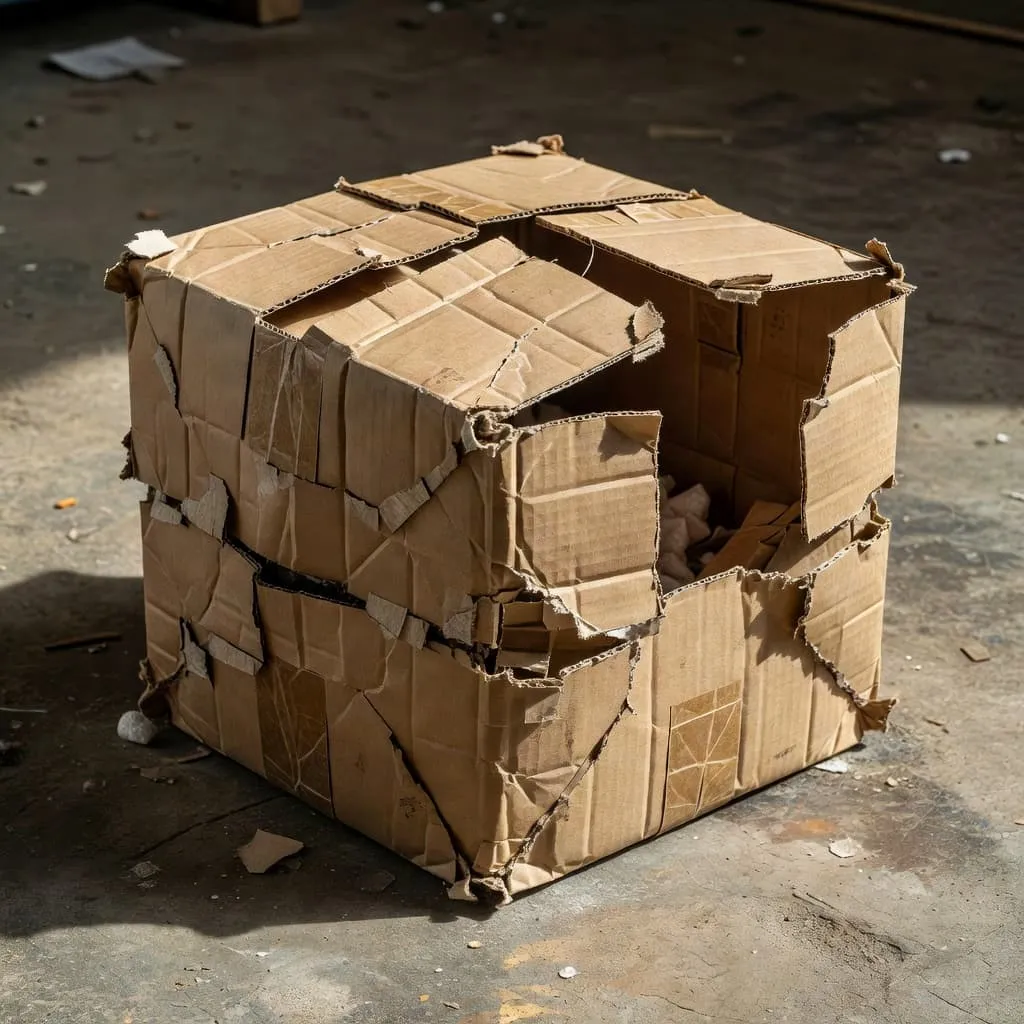
We do not guess why a product breaks,just perform a forensic autopsy on the carton. Last month, a client experienced a 12% return rate on a heavy coffee machine. I reviewed the failed corner directly after the fifth impact in our lab.
- The Impact: The machine dropped 18 inches directly onto its bottom-right corner.
- The Damage Point: The EPS (Styrofoam) Corner Block cracked in half. The carton corner was crushed completely. It concentrated the kinetic energy directly into the machine’s plastic housing.
- The Root Cause: Packaging Engineer Liu analyzed the foam. He stated: “The EPS foam density sits at 15kg/m³. It is too brittle for a 12-pound product. The internal free movement allowed the machine to act like a hammer against the foam.”
- The Engineering Fix: Rejecting the EPS foam. QC Lead Chen ordered the factory to swap to resilient EPE (Polyethylene) Foam and increase the pad thickness by 10mm. We also reduced the internal carton tolerance by 5mm to eliminate all free movement.
- The Retest Result: The EPE foam absorbed the energy and rebounded. The machine survived with zero cosmetic damage. Adding $0.15 to the unit BOM but saved the client $4,000 in monthly chargebacks.
From Lab to Factory: The Pre-Shipment Packaging Validation Workflow

Laboratory testing validates the initial design. Factory execution dictates your daily defect rate. You must operationalize your testing before cargo release. We bridge the gap between the certified lab and the Chinese factory floor using strict logistics quality assurance protocols.
To prevent shipping unverified packaging, execute this exact workflow during pre-shipment inspection:
- Approve the golden sample: Sign and date the physical packaging sample.
- Lock the packaging spec: Document the exact flute type, foam density, and tape width in PO and BOM. Review our guide on types of packaging materials for proper specifications.
- Train the supplier: Hand the supplier exact drop test SOP. Do not assume they know how to test it.
- Sample cartons: Pull random master cartons straight from the pallet during the final random inspection.
- Run an on-site drop check: Force the factory quality control team to drop the cartons onto concrete while your inspector watches.
- Escalate failures: If a product breaks, halt the shipment. Escalate the failure before you issue the balance payment or release the booking.
Email this one-page visual checklist directly to Chinese factory floor manager. It removes the language barrier. It forces them to test cartons to our enterprise standard before the truck arrives.
Business Outcomes: How Packaging Validation Protects Your Margin?
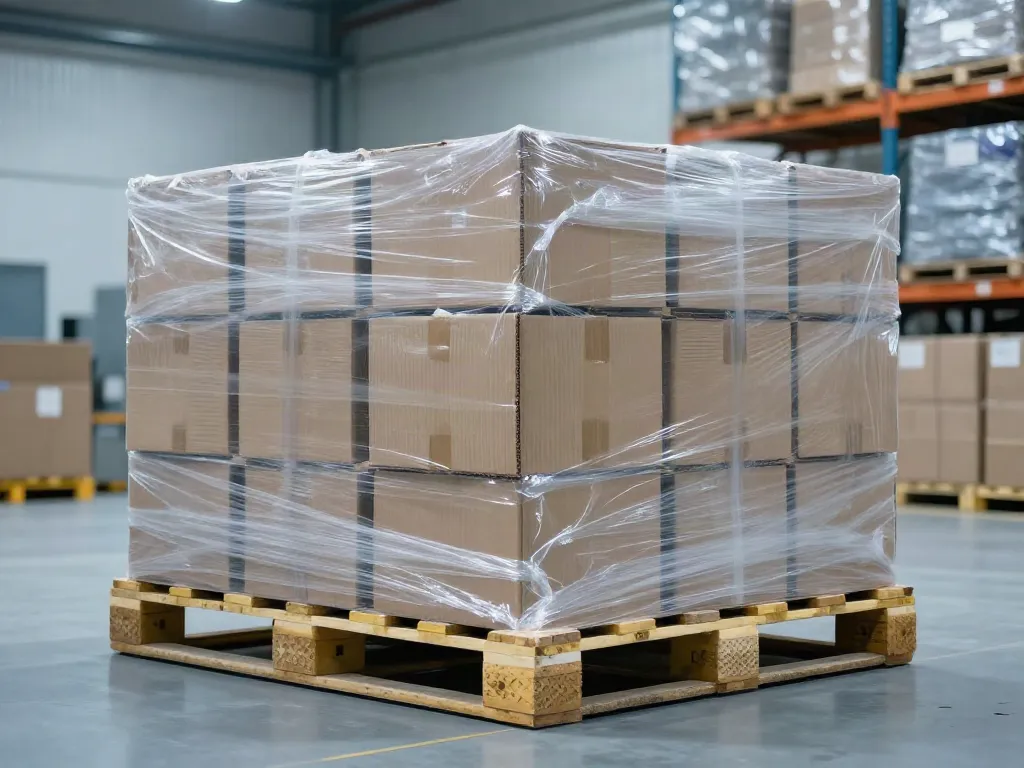
Packaging validation is a financial firewall, not lab jargon. In our supply chain audits, we translate drop testing and packaging testing into CFO-friendly outcomes. Strong protective packaging guarantees fewer claims, lower chargebacks, stronger compliance, and strict vendor control over your total landed risk.
Slashes Shipping Damage and Return Rates
Validated materials absorb kinetic energy before it destroys products. Last year, a mid-market Shopify brand lost 8% of revenue to transit breakage.
I watched their heavy ceramic mugs shatter inside generic bubble wrap. We swapped their loose fill for rigid engineered partitions. Their damage rate immediately dropped to 0.5%, protecting margins and saving the unboxing experience. As industry packaging report confirms, optimized interior support recovers lost revenue instantly.
Secures Amazon and Retail Routing Compliance
Testing aligns your carton specifications directly with retail sorting machines. Small Amazon brands use this exact process to avoid FBA prep fees and account penalties.
If a box bursts, Amazon charges you to re-box it. If barcodes scuff, they reject the inventory entirely. According to the packaging science program , strict inbound compliance prevents devastating chargebacks and listing suspensions.
You never need to guess which material saves money. We measure it. Below is our original internal operational data extracted from LeelineGroup quality reports, showing the exact correlation between material choice and defect incidence across high-volume clients.
| Product Category | Standard Material (Before) | Validated Material (After) | Drop Test Failure Rate | Defect Incidence |
|---|---|---|---|---|
| Electronics | Corrugated-only inserts | Molded pulp + Corrugated | Dropped from 45% to 2% | Reduced by 92% |
| Toys (Fragile) | Standard paper void fill | Engineered partitions | Dropped from 30% to 0% | Reduced by 100% |
Note: This reflects original internal operational data, not a universal market benchmark.
🚀 Strategic Insight: Do not just buy thicker boxes. Target the internal weakness. We saved a client $0.40 per unit during a private label service launch by downgrading the outer box thickness and upgrading the internal corner guards.
Enforces Pre-Shipment Quality Control Discipline
Physical testing forces factories to take absolute accountability. You catch failures before the container ever loads. During a recent quality control audit, Inspector Zhang found a factory secretly switched to thinner sealing tape to cut costs.
The boxes popped open upon impact. We halted the shipment immediately, forcing them to re-tape 5,000 units at their own expense. Follow parcel handling or damage-prevention guidance to build this strict operational discipline.
Cleans Up Supplier Scorecards and CAPA Follow-Up
Concrete failure data removes vendor excuses. Aggregators and distributors use our drop test data to standardize packaging specs across multiple competing factories. When a test fails, you issue a Corrective and Preventive Action (CAPA) report backed by video evidence.
Manager Guo recently argued his boxes were sufficient. I showed him a video of his carton seam splitting on our concrete floor. He signed the CAPA immediately. This transforms your logistics quality assurance from a debate into a verified standard.
The Reality Check: Limitations of Drop Testing and Packaging Testing
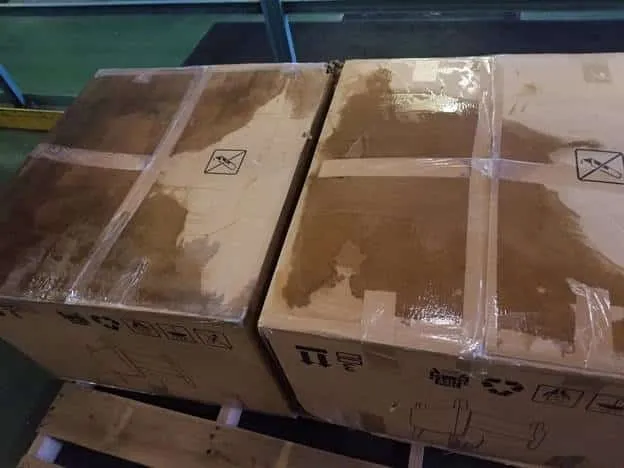
A passed drop test does not guarantee zero shipping damage. Failures happen because buyers test too narrowly. They test the wrong sample. They never enforce the approved spec during mass production.
Inadequate Simulation of the Ocean Route
A single drop test fails to replicate an Asia-to-US transit route. It ignores prolonged shock, daily forklift vibration, and warehouse compression. The ISTA warning on transit hazards warns that single-axis testing fails to predict multi-hazard failures.
Passing a dry-condition test means very little if you ignore climate stress. Ocean humidity and long container dwell times reduce carton performance drastically.
Inspector Lin recorded a 45% drop in edge crush strength after leaving a carton in 85% humidity for seven days. Furthermore, formal lab validation and factory-floor screening serve different purposes. Passing a basic factory drop test rarely satisfies strict amazon fba packaging requirements.
⚠️ Critical Warning: Do not mistake a basic corner drop for platform compliance. Amazon will still reject your shipment and issue chargebacks if you lack formal SIOC certification.
Severe Operational Friction
Buyers constantly face intense time pressure just before the vessel booking cutoff. When a drop test fails at the last minute, suppliers push back hard on packaging cost increases. They argue that implementing a fix takes too much time.
Buyers frequently use outdated testing standards or vague purchase order language. This causes massive misalignment between sourcing teams, QA inspectors, and freight forwarders.
We also see buyers over-relying on thicker outer cartons. Buying thicker corrugated board wastes capital. You must fix internal energy absorption and product movement control instead.
🛡️ Mitigation: Specify the exact ISTA standard, acceptable board grade, and insert density in your contract before paying the deposit.
Common Buyer Mistakes I See in Packaging Validation
I constantly see importers make the same critical errors. They test high-quality pilot-run packaging, but they ship mass production with cheaper material substitutions.
Packaging specifications often drift after approval. Factories secretly substitute the board grade, lower the foam insert density, or use narrower tape to save pennies.
During a recent pre-shipment inspection, Packaging Technician Chen showed me a classic error. The client ignored a severely crushed carton corner because the internal blender still functioned. They forgot that the crushed retail box is no longer saleable on a store shelf.
Furthermore, buyers routinely skip post-drop barcode checks. If the FNSKU label scuffs during the drop sequence, warehouse scanners cannot read it.
As Manager Guo pointed out on the palletizing line: “Buyers approve a 300-gram corrugated insert in the lab. Then the factory uses a 200-gram insert for the final production run. The box collapses immediately under top-load weight.” You must verify every single layer on the floor before you load the container.
The Final Verdict: Stop Guessing, Start Testing
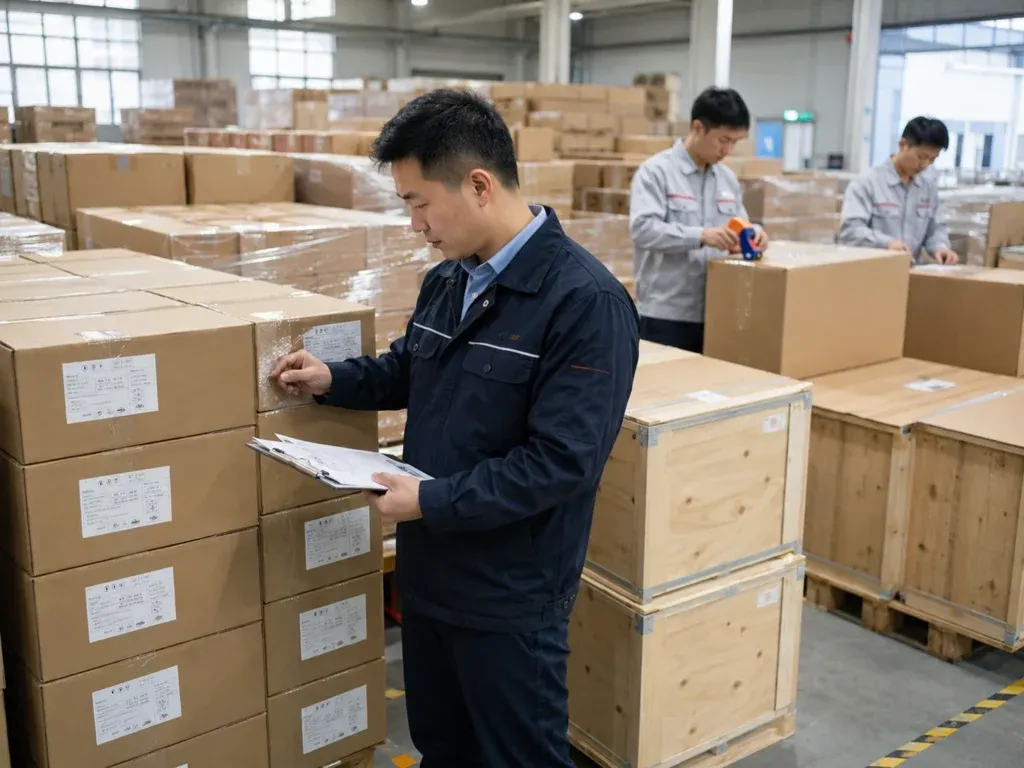
Ultimately, drop testing represents a structured decision tool for shipping damage prevention protocols, not a random box-dropping exercise. If you import volume from Asia, relying on hope is a massive financial liability.
Our data confirms that a verified packaging strategy is the ultimate defense against crushed margins and rejected Amazon FBA shipments.
To scale safely, you must define the specific route risk and choose the exact validation path. Next, set strict pass/fail criteria and test the actual packaging configuration. Finally, enforce the approved spec before shipment.
While rigorous lab validation adds upfront time to production schedule, the massive reduction in carrier chargebacks justifies this initial friction. If you manage 7-figure inventory volumes,skipping this step is operational negligence. If you run a low-volume hobby brand, look elsewhere.
We recommend you take three immediate operational steps:
- Audit current top three damage-prone SKUs.
- Request a complete packaging review before you issue the next PO.
- Download and send “The 7-Point Pre-Shipment Drop Test SOP” directly to the Chinese factory floor manager before the final random inspection.
This simple asset eliminates language barriers and forces accountability on the factory floor.
To maintain this discipline, integrate drop tests seamlessly into quality control workflow. Never release a booking without a verified pre-shipment inspection. True logistics quality assurance requires physical proof, not just factory promises.
If your brand needs immediate QC support, advanced packaging validation, or an FBA-ready packaging review, contact our enterprise team. We will lock down your supply chain today.
Disclaimer: I base this piece entirely on my team’s operational sourcing and QC experience. I purchase my own testing equipment. These recommendations are designed strictly to reduce buyer risk, not to blindly promote specific packaging materials.

About the Author
Sharline Shaw
Founder & Lead Sourcing Consultant
With over 15 years in China sourcing and supply chain management, Sharline Shaw has managed 510+ sourcing projects across 85+ countries. Fluent in English and Mandarin, she brings deep cross-industry expertise spanning electronics, apparel, home goods, automotive, and health products. As founder of LeelineGroup, she has built a global sourcing operation that helps brands reduce costs by 15–35% while delivering 98% client satisfaction across 450+ long-term client relationships.
Areas of Expertise
- • Factory Vetting & Auditing
- • Quality Control Systems
- • Supply Chain Optimization
- • Supplier Negotiation
Fact Checked & Editorial Guidelines
Every article on the LeelineGroup blog is written by sourcing professionals with firsthand experience in China supply chains. Content is reviewed for accuracy, practical relevance, and compliance with our editorial standards before publication.
Your trust is important. Learn more about our Fact Checking Process and Editorial Policy.