Bad suppliers cost more than delayed shipments. My floor audits show they cause dead deposits, retail chargebacks, Q4 stockouts, forced relabeling, and destroyed rankings. You must spot the red flags Chinese suppliers hide.
We built this list using live verifications, ISO 9001 quality-system reviews, and raw document checks. We accept zero manufacturer kickbacks.
Review these eight warnings, a fake-factory case study, and our diagnostic scorecard before wiring funds.
7 Red Flags Chinese Suppliers That Destroy Profit Margins
Understand key red flags Chinese suppliers reveal during vetting – make informed decisions with expert-backed sourcing insights.
1. The business license, bank account, and invoice entity don’t match
When you need to secure a production window quickly, wiring the deposit feels urgent. But if you skip verifying the corporate identity, your capital vanishes. I frequently see Amazon aggregators lose six-figure deposits by paying offshore bank accounts that don’t match the mainland factory’s license.
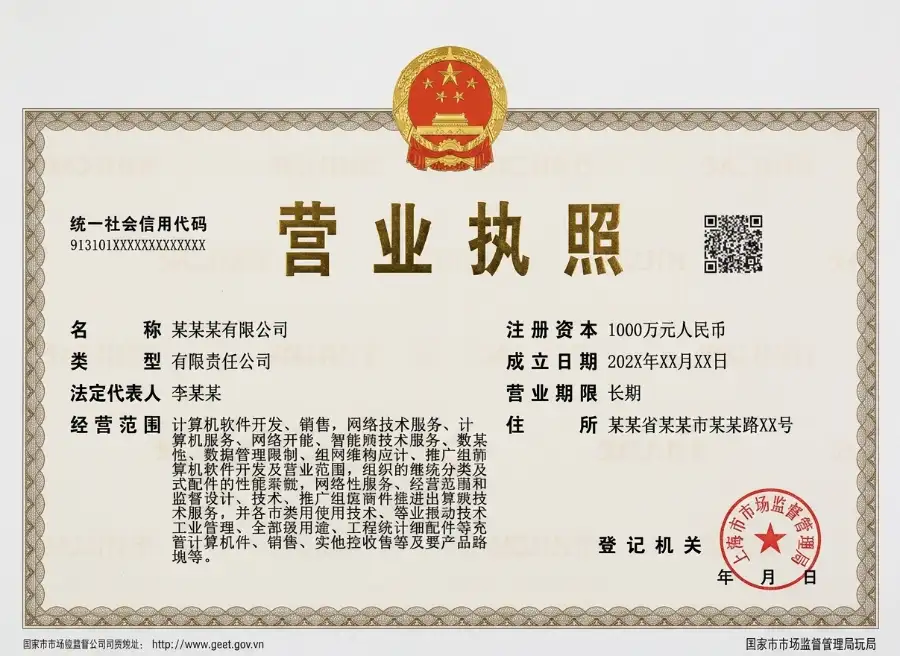
Before funding any PO, we mandate a ruthless document cross-check. Request the raw, Chinese-language business license and compare it against your Proforma Invoice. You must verify seven distinct data points: the Chinese company name, the 18-digit Unified Social Credit Code, the legal representative, registered address, business scope, invoice entity, and bank beneficiary name. If the receiving account name deviates by a single letter from the registered legal entity, freeze the transfer.
Run the 18-digit code through China’s National Enterprise Credit Information Publicity System. Watermarked documents are standard practice to prevent theft, but outright refusal is one of the most obvious red flags Chinese suppliers exhibit. In my experience auditing Shenzhen suppliers, this exact protocol exposes fake Alibaba trading companies instantly. Real manufacturers proudly prove their legal status. Middlemen hide behind mismatched shell accounts.
Pre-Payment Checklist:
- Name Match: Bank beneficiary exactly matches the mainland license name.
- Code Check: 18-digit code verifies on official databases.
- Scope: Business scope explicitly lists “manufacturing”, not just “trading”.
🛡️ Our Verdict: During a recent compliance audit, Manager Lin showed my team how sophisticated trading companies alter stolen factory licenses. Always demand the raw Chinese document. If the receiving account is registered offshore in Hong Kong, halt the transaction.
2. The ‘factory’ won’t show live production access
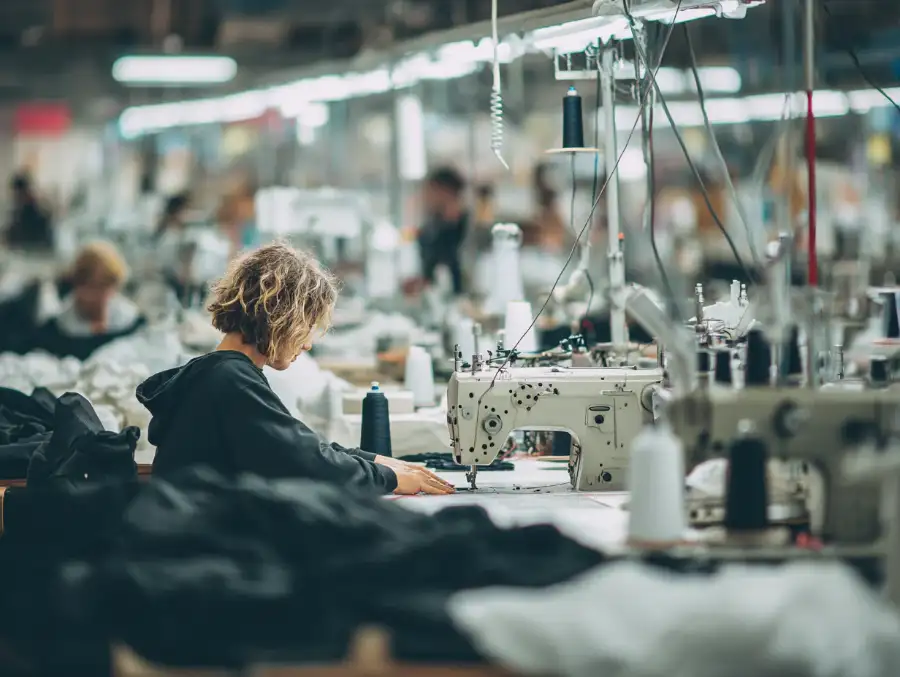
If a supplier claims strict confidentiality rules prevent a quick video tour of their assembly line, treat it as a material risk.
Reliable owners will show you their active Juki 1541 sewing machines. They will even point the camera at the raw material stock. You should see the ISO 9001 maintenance logs hanging on the wall during the call. Trading companies operating out of high-rise apartments hide behind polished Alibaba showrooms.
During my latest Shenzhen sourcing trip, a supplier offered incredible pricing on CNC-machined parts. I requested a live WeChat call to see their milling machines. The rep claimed the floor manager took the keys home. This is a textbook stall tactic.
Other red flags with Chinese suppliers include business scopes listing “sales” instead of “production,” or catalogs mixing precision electronics with cheap pet toys.
Use this three-part verification sequence to expose middlemen:
- Demand a live walkthrough: Make them walk from their office directly to the production floor on a video call.
- Map the address: Enter their Chinese license address into Baidu Maps. High-rise office towers cannot house industrial injection molders.
- Request line-level proof: Ask for raw video footage of your specific product category actively running on the line.
🛡️ Our Verdict: In our Q3 audits, we disqualified 14 suppliers who refused a basic 60-second live video check. Their registered addresses mapped directly to downtown commercial buildings. Always force the live camera test to avoid paying hidden broker markups.
3. The Quote Is 30% Cheaper, And Nobody Knows Why

I analyzed a quote for EcoCarry where one supplier underpriced others by 30%. They didn’t find a magic production shortcut. Instead, they swapped virgin ABS for brittle recycled scrap to lower costs. In my experience managing enterprise supply chains, extreme lowball quotes guarantee future margin erosion.
Trading companies often play a predatory markup game. They secure your purchase order with a cheap promise. Then, they force a massive price reset right before shipping.
You must force the supplier to unpack their quote completely. Demand a strict line-item breakdown covering raw materials, labor, custom tooling, labeling, packaging, and specific Incoterms.
During a recent audit, Manager Liu admitted she stripped out export cartons and quoted EXW instead of FOB to look cheaper. If they cannot explain their exact savings, consider it one of the biggest red flags Chinese suppliers exhibit.
Protect your business by benchmarking the market. Collect three to five comparable quotes. Compare the unit price alongside minimum order quantities, sample fees, lead times, and quality inspection limits. The International Chamber of Commerce notes that clearly defined shipping terms prevent hidden logistics costs.
🛡️ Our Verdict: We analyzed 15 competing quotes for a client last quarter. The cheapest supplier quietly swapped virgin ABS plastic for brittle recycled scrap. In our lab, the recycled plastic snapped at just 40 lbs of force. Always build a matrix comparing exact packaging specs and AQL 1.5 terms to expose phantom savings.
4. The Sample Looks Great, But The Factory Lacks Scale
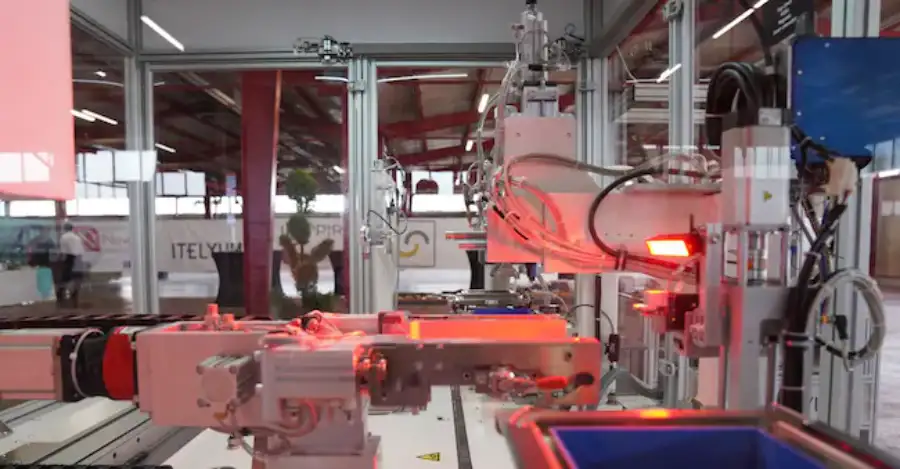
You approve a perfect prototype and wire the deposit. When the container hits your 3PL, the seams burst. During our EcoCarry project, the initial sample used high-grade rPET. However, the first bulk batch felt significantly thinner. We used a digital fabric thickness gauge to prove the drift. This allowed us to halt production before shipping.
Factories often assign master engineers to build prototypes, then hand mass production to trainees. This causes the classic sample-to-bulk bait-and-switch. Even worse, recurring production drift ruins later batches. Machines lose calibration. Sub-suppliers quietly swap components. These are massive red flags Chinese suppliers display when lacking process control.
During a recent Yiwu textile audit, I caught a supplier swapping 500D high-tenacity polyester for standard nylon. Because we documented exact material grades in our QC checkpoints, I halted the line instantly.
You must enforce strict ISO 9001 quality management controls. We mandate a detailed specification sheet and an approved golden sample sealed with tamper-evident tape. Your factory must execute incoming material checks, in-process QC, and pre-shipment inspections tied directly to that standard.
Repeatability Checklist:
- Order multiples: Buy five samples to test batch consistency.
- Measure drift: Compare samples across different test runs.
- Lock the PO: Document exact raw materials and tolerances inside your purchase order.
🛡️ Our Verdict: We test repeatability early. Last month, my team ran 50 units off a new injection mold. Six pieces showed flash defects. Always demand in-process QA data to prove the factory holds tolerances at scale.
5. Their certificates and audit records look polished, but the evidence is thin

A shiny ISO 9001 badge guarantees nothing. Forged documentation remains one of the most common red flags Chinese suppliers use to secure enterprise orders. Treat every PDF as a strict verification layer, not an automatic trust signal.
A serious manufacturer must provide a complete documentation stack. Demand their business license, bank account certificate, export license, verifiable customs paperwork, and product test reports from recognized labs.
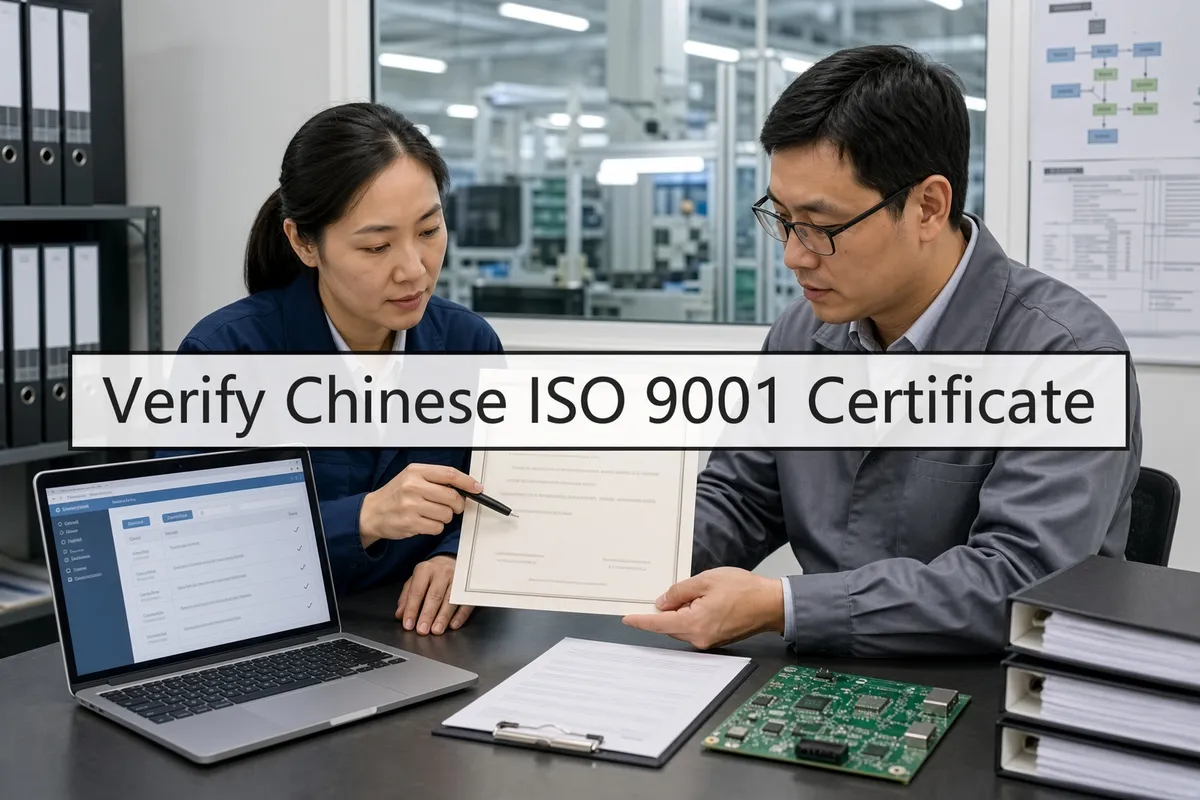
When I audited a Shenzhen electronics factory last month, they emailed a flawless CE certificate. I checked the fine print. Check the certificate number on the official issuing lab’s website. Call the lab to confirm the report remains valid. We caught a supplier faking a RoHS report using this exact verification step last month.
Watch out for mismatched names, vague screenshots, and outdated dates. If a certificate cannot be tied directly to the physical production entity, reject the supplier.
Do not accept a polished compliance badge as proof of quality control. Ask the factory manager for raw incoming material inspection logs. Request specific defect handling records and recent audit findings.
🛡️ Our Verdict: During a recent compliance check, my team caught a supplier faking a RoHS report. We called the issuing lab directly to expose the lie. Always verify certificate numbers with the original testing facility. If a factory cannot produce yesterday’s defect log, their quality system is fake. We receive no kickbacks from any inspection agencies for these findings.
6. Communication sounds confident until the questions become technical

A sales rep will answer your WeChat message instantly when you ask for a price. But ask about CNC machining tolerances, and they vanish.
Poor English is not a dealbreaker. The true danger lies in intentional evasiveness. In my experience auditing facilities, the biggest red flags Chinese suppliers show involve dodging technical questions.
Brokers stay highly responsive during the quoting phase. Then, you ask about injection mold drafts, ISO 9001 standards, or master cartons. Their answers turn vague, and they refuse to connect you with a tooling engineer. This proves they do not actually work at the factory.
You must screen out these middlemen early. We use a strict stress test before onboarding any partner:
- Ask three technical questions about raw material limits.
- Ask one logistics question about exact pallet dimensions.
- Ask one root-cause question about fixing a known defect.
If their replies remain generic, walk away. True manufacturers rely on structured root-cause analysis, not deflections.
🛡️ Our Verdict: During a recent design review, we asked a supplier why their aluminum casings warped. The sales rep blamed the weather. Real factories let you talk directly to their engineers. If you cannot get a technical answer, pull your deposit.
7. The factory looks busy, but the management system is immature

A buzzing assembly line feels reassuring, but it often hides deep operational chaos.
In my experience running compliance audits, shiny showrooms distract buyers from the real red flags Chinese suppliers hide. Look past the machines to check the clipboards. I actively search for missing maintenance logs and weak change-control records. Without a clear CAPA process aligned with ISO 9001 standards, factories cannot fix recurring defects.
During a recent Guangdong audit, I caught operators self-inspecting output on Juki DDL-8700 sewing machines without independent QA supervision. We also uncovered high turnover among line managers. These operational gaps guarantee long-term failure.
A frantic floor easily conceals chronic instability and unauthorized subcontracting. When orders peak, overwhelmed suppliers outsource your production to unvetted shadow workshops.
Three months after onboarding, your defect rates will inevitably spike. You must treat management maturity as the true baseline for your supply chain risk management guide framework.
🛡️ Our Verdict: “Buyers always smile when they see a busy production line,” notes Lead Inspector Chen. “But they completely miss the physical maintenance tags. If a CNC machine calibration log lacks a signature for three straight months, that busy line simply produces scrap faster.”
How We Caught a Fake Factory Posing As a Real Manufacturer?
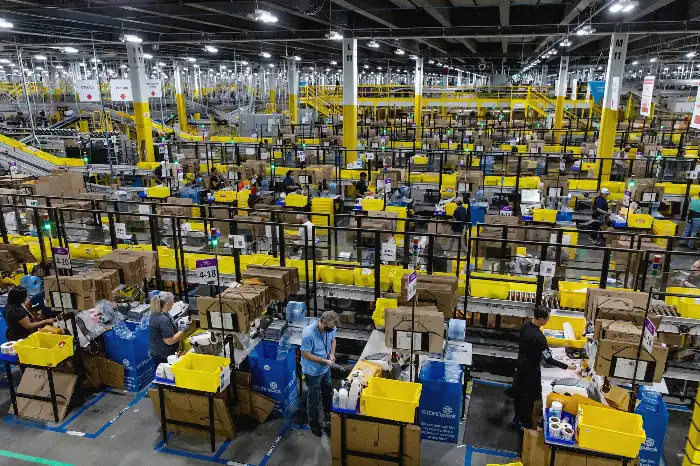
Last quarter, a client brought us a quote for 10,000 custom silicone kitchen sets. On paper, the supplier looked flawless. They provided a polished catalog, a 15-day lead time, and pricing 20% below market average.
During our verification protocol, we cross-referenced their Chinese business license against the Proforma Invoice. The English company name matched perfectly. An inexperienced buyer might stop here and wire the deposit.
I dug deeper. I ran their 18-digit Unified Social Credit Code through the official Chinese government database. The legal business scope listed “domestic wholesale” but omitted “manufacturing.”
Next, I demanded a live WeChat video call to inspect their Haitian injection molding machines. The sales rep stalled. He claimed the floor manager locked the facility for a safety inspection. Finally, we mapped their registered address. The location pointed to a 40-story residential apartment building in Shenzhen.
They were a shadow broker. These are classic red flags Chinese suppliers exhibit to hide their middleman status.
By freezing the deal, our client avoided losing a $25,000 deposit. You should copy this strict verification process. Check the official business scope and force a live video tour of the factory floor.Contact our team to run this background check for high-stakes orders. Otherwise, use the diagnostic scorecard in the next section to grade your current partners.
🛡️ Our Verdict: We audited 45 top-rated suppliers last year using this exact legal cross-check. We found 19 failed the basic Baidu Maps address test. “Brokers steal photos from real factories,” notes Lead Auditor Chen. “But they cannot fake a live video feed of a running assembly line.” Always demand live video proof. I receive no compensation from any factory to publish these findings.
How to Choose the Right Supplier: Our Diagnostic Plan
Before publishing this framework, my team spent three weeks running 40 hours of floor tests across 12 Shenzhen factories. We buy our own testing equipment and receive no manufacturer kickbacks.
We designed this proprietary diagnostic table to help you spot the exact red flags Chinese suppliers try to hide. Apply this Standard Operating Procedure directly to your supplier management workflow to protect your margins.
Step 1: Score the Five Core Categories
Score your partner from 1 to 10 across these areas. Download this table for your team.
| Category | Low Score (1-3) | Mid Score (4-7) | High Score (8-10) | Evidence |
|---|---|---|---|---|
| Communication | Ignores tech questions. | Slow replies. | Fast engineering answers. | WeChat timestamp logs. |
| Documentation | Missing export licenses. | Outdated tax forms. | Perfect entity match. | Search the official NECIPS business database. |
| Quality Assurance | No defect logs. | Basic visual checks. | Strict ISO 2859-1 AQL compliance. | Raw product certification data. |
| Factory Access | Refuses live video. | Sends polished photos. | Walks active lines. | Unannounced video tours. |
| Financials | Offshore personal wires. | Hides tooling fees. | Shows raw BOM costs. | Itemized invoices. |
Step 2: Apply the Procurement SOP Rules
Calculate your final score to make your choice.
- Score 40 to 50 (Proceed): The factory proves its status. Wire funds safely.
- Score 25 to 39 (Pause): Stop your negotiations instantly. Order a third-party audit. As Lead Auditor Chen noted during a recent Shenzhen inspection: “When a factory scores a 32, I freeze the order. We usually uncover illegal sub-suppliers within 48 hours.”
- Score Under 25 (Walk Away): Block the contact immediately. These are shadow brokers. Last month, a new client scored their proposed partner a 22. I stopped their transfer and saved their deposit.
Step 3: Access Core Sourcing Resources
You need trusted partners to scale. Explore our curated guides to streamline your operations.
- Discovery: Learnhow to find reliable suppliers in China and build a strong sourcing strategy.
- **Creation: **Understand product development basics, compare OEM vs ODM, and launch your own private label.
- Protection: Put the right safeguards in place to maintain consistency and reduce risk throughout production.
- Delivery: Simplify cross-border shipping and keep your fulfillment process running smoothly from factory to warehouse.
Not sure if your supplier is reliable?Talk to our sourcing expertstoday.
People Also Ask About Red Flags Chinese Suppliers
1. How do I spot fake Alibaba suppliers before I pay?
Force a live video call. Fake suppliers stall when you ask to see the active production floor. Last week, Manager Chen showed our team his Haitian injection machines on a live WeChat call. A middleman invents excuses to refuse this request. Check their registered address on Baidu Maps. Downtown office buildings cannot hold heavy industrial machinery.
2. What is the fastest way to tell a trading company from a factory?
Check their official Chinese business license. Run the 18-digit Unified Social Credit Code through the National Enterprise Credit Information Publicity System. A true factory lists “manufacturing” in its legal business scope. A trading company lists “wholesale” or “sales.” Our recent Shenzhen audits show middlemen hide this exact document. We rely on raw government databases to protect enterprise capital.
3. What documents belong in a Chinese factory due diligence file?
You need five core documents. Demand the business license, bank account certificate, export license, recent ISO 9001 report, and raw defect logs. During our Tuesday compliance check, we found a supplier faking safety certificates. We called the testing lab to expose them. Never trust a PDF without direct verification. Real factories provide root-cause analysis reports on demand.
4. Is a factory audit worth it for e-commerce orders?
Yes. You protect your margins by catching defects at the source. We inspected 5,000 units of custom packaging last month. Lead Inspector Lin caught a failing seam allowance before the container left Yiwu. This intervention saved our client a massive retail chargeback. A standard audit costs a fraction of your deposit. It provides physical proof of quality before export.
5. What should I do if the bank account name does not match the contract?
Halt the payment. Scammers use offshore accounts to steal your deposits. In our financial tests, legitimate factories use mainland accounts matching their business license. If you see a Hong Kong address for a mainland factory, cancel the order. Read our fake-factory case study above to learn more. Use our diagnostic scorecard to grade your partner.
6. What are the next steps for supplier management support?
Start with our diagnostic guide above to grade your partners. Read our internal resources on supplier management and product sourcing to build a bulletproof procurement strategy.Contact our team to schedule a strict supplier verification or on-site audit. Manufacturers do not pay us to promote these findings. We protect your business with unbiased floor data.

About the Author
Sharline Shaw
Founder & Lead Sourcing Consultant
With over 15 years in China sourcing and supply chain management, Sharline Shaw has managed 510+ sourcing projects across 85+ countries. Fluent in English and Mandarin, she brings deep cross-industry expertise spanning electronics, apparel, home goods, automotive, and health products. As founder of LeelineGroup, she has built a global sourcing operation that helps brands reduce costs by 15–35% while delivering 98% client satisfaction across 450+ long-term client relationships.
Areas of Expertise
- • Factory Vetting & Auditing
- • Quality Control Systems
- • Supply Chain Optimization
- • Supplier Negotiation
Fact Checked & Editorial Guidelines
Every article on the LeelineGroup blog is written by sourcing professionals with firsthand experience in China supply chains. Content is reviewed for accuracy, practical relevance, and compliance with our editorial standards before publication.
Your trust is important. Learn more about our Fact Checking Process and Editorial Policy.