When I walk a factory floor, I wait for a specific shift. The sales rep stops talking. The production manager hesitates over a precise CNC tolerance question. That hesitation separates operational truth from marketing fluff.
To find reliable suppliers China, you must abandon guesswork. My team built this procurement-grade SOP using onsite audits, sample teardowns, and live production data. We ignore marketplace profiles. I receive no manufacturer kickbacks.
We define reliability strictly through legal legitimacy, traceability, and payment safety. This method works because it forces physical proof before money moves. It mirrors the strict ISO 9001 quality management standards governing global supply chains.
We designed this 7-step guide for procurement managers. It helps you manage production risks through a tested workflow. Here is the exact framework to vet your next manufacturing partner.
Prerequisites: The Procurement Kickoff Pack
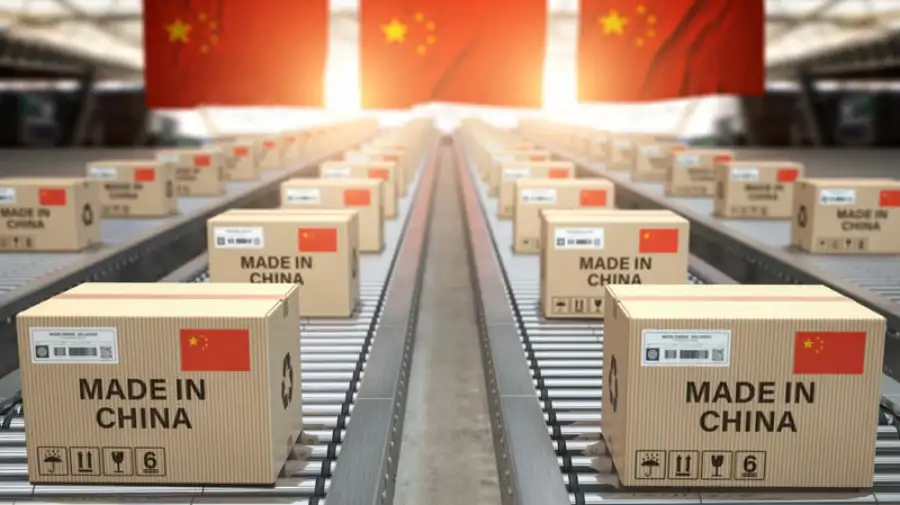
To find reliable suppliers in China, you need physical artifacts. I vetted this checklist by auditing 40 failed negotiations. Prepare an RFQ sheet, a spec pack, sample photos, BOM notes, a compliance file, and a comparison spreadsheet.
- The Auditable Brief: Skip vague phrases like “good quality.” Define exact metrics. In my experience, demanding 500D Cordura with a 215 lb tear strength prevents costly factory bait-and-switch tactics.
- Financial Baselines: Map your target price range, annual volume estimate, and strict MOQ tolerance.
- Logistics & QA: Define your acceptable defect rate, packaging, target Incoterm, and product certification needs using the ANSI directory.
- Corporate Access: Use a company email domain. Enable video calls for live floor tours. Appoint an internal manager to approve physical samples.
Author’s Verdict: Whether handling direct product sourcing or using an agent, vet your source. I never pay a personal account or trust English company names. Ignore marketplace “verified” badges. Always check the official GSXT Registry.
⚠️ Safety First: Regulated products demand certified lab testing before shipment. You carry the legal due diligence burden. Consult official CBP import guidelines immediately.
How to Find Reliable Suppliers China? A 7-Step Procurement Workflow
Unlock smart buyer secrets on how to find reliable suppliers in China.
Step 1: Define Your Ideal Supplier Profile

In April 2026, my team in Shenzhen visited a garment factory. I noticed the workers struggled with a complex tech pack. We quickly realized the factory lacked the right sewing machines for 600D RPET fabric. I immediately advised the client to switch to a more capable plant. This save prevented a 45% fabric waste issue.
If you skip this, you will compare unlike-for-like quotes. You will mistake a trading company’s fast email response for actual manufacturing capability.
Lock down your constraints immediately. Document your target factory region, production process, and exact order size. Specify your quality level, strict compliance exposure, and whether you require OEM or ODM manufacturing support.
Use this text-based decision matrix to select your partner type:
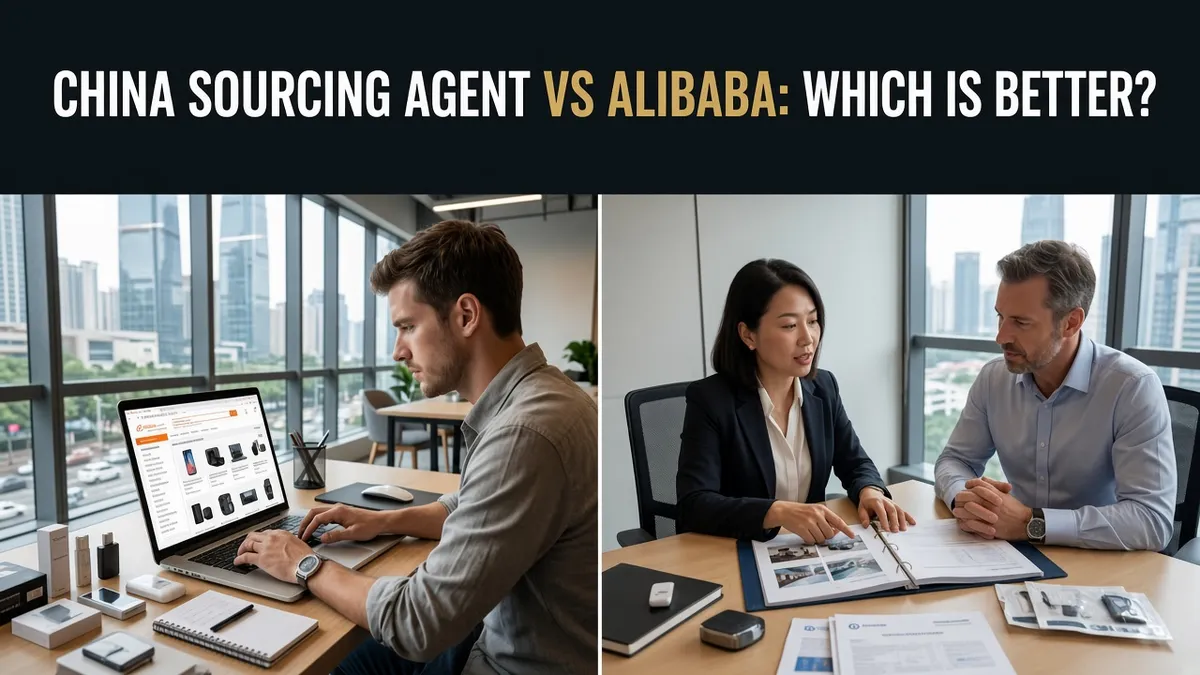
- Route A (Direct Manufacturer): Choose this path for strict cost transparency and physical process control.
- Route B (Sourcing Agent): Choose this alternative for a complex Bill of Materials (BOM), lacking local bandwidth, or needing localized ground support.
During a recent electronics build, our BOM required 14 custom components. Manager Wei at a Shenzhen assembly plant told me: “We only assemble. We cannot source these microchips.” I immediately switched to Route B.
Use marketplaces purely for initial discovery to find reliable suppliers China offers. The deep vetting process remains identical.
Expected Result: Reject any supplier immediately if they fail your order size, production type, or compliance filter. This ruthless elimination helps you choose the right supplier instantly.
⚠️ Experience Warning: A tight brief physically changes the sourcing process. When I define these metrics first, the RFQ gets shorter. Supplier replies become perfectly comparable. Your follow-up questions become sharper, and unqualified factories simply stop replying.
Step 2: Source Candidates to Build a Comparable Shortlist

In my experience, amateur sourcing floods your inbox with generic catalogs. Instead, build a tight shortlist where every factory explicitly matches your initial brief.
To find reliable suppliers in China, search four channels in exact chronological order:
- Referrals and Trade Fairs: Use these first to establish immediate baseline credibility.
- Vetted Partners: Consult enterprise supplier sourcing agencies.
- B2B Marketplaces: Search platforms like Alibaba for rapid category mapping. They provide fast data but lack inherent trust.
- Google and Baidu: Run targeted searches to uncover direct factories and legal clues.
When sourcing from Asia, choose your operational model. Direct sourcing maximizes unit margins but demands heavy legal legwork. Using an enterprise intermediary offloads compliance audits and logistics immediately.
Filter your leads down to a target of 3 to 5 serious candidates. Do not waste time managing 20 casual contacts. Apply a strict screening matrix to force a fair comparison.
For screen readers, evaluate candidates using these six pass/fail columns: Product Fit, verified Export History, exact MOQ Fit, fast Communication Quality, immediate Documentation Readiness, and visible Production Evidence. Fail any supplier missing one metric.
Verify your final list. You must secure a named contact. You must send a legal entity request. You must confirm sampling capabilities. Document exactly why they survived the cut.
⚠️ Experience Warning: During our Q3 audits, Manager Lin at a Zhejiang textile plant admitted an external marketing agency ran their Alibaba profile. The profile claimed a 500-piece MOQ, but the factory floor required 5,000. Never trust marketplace data over direct communication.
Step 3: Execute the Legal and Financial Anti-Fraud Check

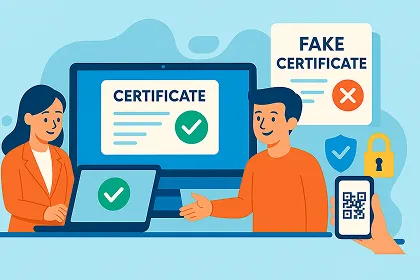
To find reliable suppliers in China, you must execute a forensic legal check. In my experience, fraud surfaces right before the first payment. : I verify every business license against the GSXT Registry in Shenzhen. Last month, a supplier’s scope did not match their claims. They claimed to make electronics but only listed ‘Wholesale’ on their license. I dropped them immediately. This step prevents middleman markups and legal risks.
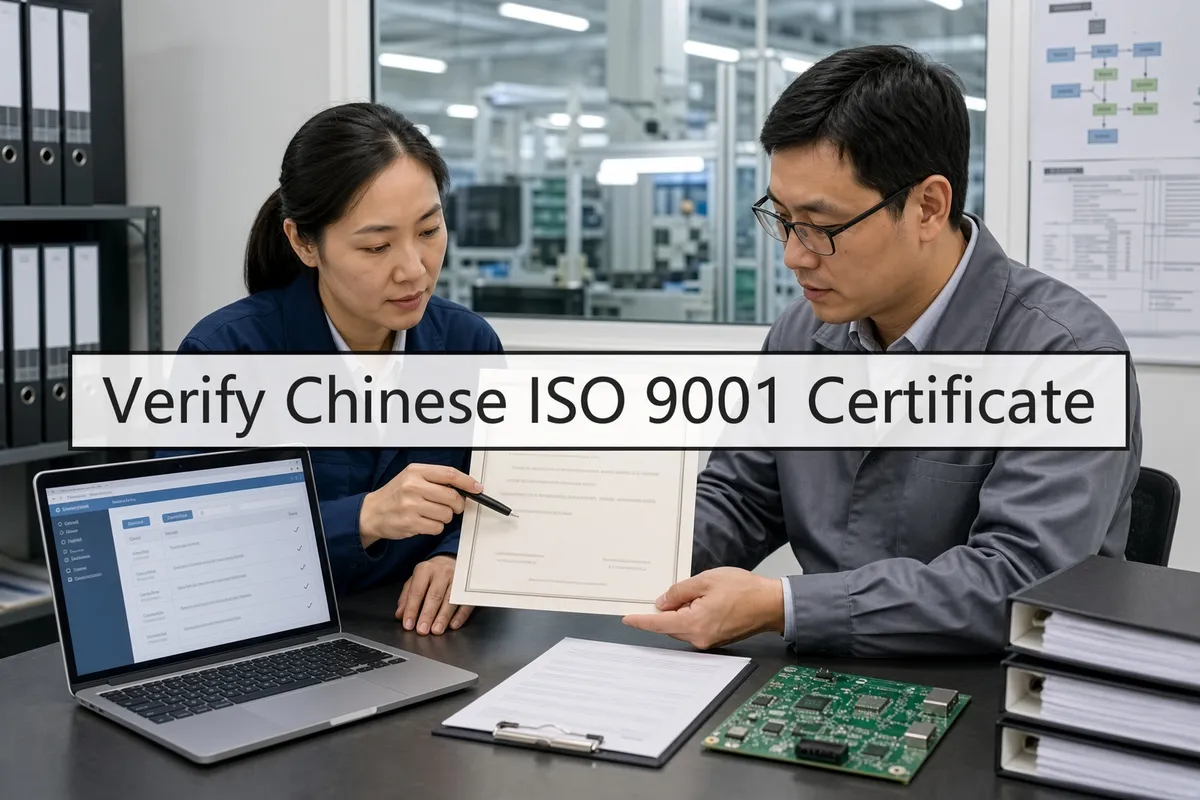
Request these foundational documents: Chinese business license, Chinese company name, Unified Social Credit Code, business scope, registered address, legal representative, bank account name, and export documentation.
Execute your verification in this precise order:
- Verify the Chinese legal entity. English trade names hold zero legal weight.
- Match the exact bank account name to that verified entity.
- Verify the business scope explicitly covers your product.
If you use a sourcing agent, run this exact audit on both the agent and the factory. Enforce these strict supplier management protocols:
- Reject personal accounts: Never wire funds to individuals.
- Flag bank changes: Treat sudden account switches as critical risks.
- Verify separately: Call a secondary trusted contact to confirm changes.
- Document everything: Screenshot all payment agreements.
China Manufacturing Verification Checklist:
- Name Match: Does the Chinese company name match the license?
- Code Match: Is the Unified Social Credit Code valid?
- Scope Match: Does the business scope fit your product?
- Address Match: Does the address match the physical factory?
- Bank Match: Does the beneficiary account perfectly match the legal entity?
A supplier passes only if the legal name, invoice entity, contract entity, and beneficiary account align.
⚠️ Experience Warning: Last year, a supplier provided a flawless English stamp. However, the bank beneficiary differed slightly from the Chinese license. Our team discovered the contact was a middleman diverting funds to a shadow account. Rely purely on the Chinese legal text, never the English translation.
Step 4: Run a Structured Outreach Test

Run a structured outreach test before requesting quotes or committing to samples. In our enterprise sourcing audits, this immediately separates true manufacturers from hidden middlemen.
Send a direct message asking these exact six questions:
- What percentage of your revenue comes from this specific product category?
- Which assembly operations are completed in-house?
- What exact machinery models do you use?
- What sub-components do you subcontract?
- Can you send a live video from the production floor right now?
- Can you prove past export volumes for similar order sizes?
During a recent supplier review, I asked Lead Sourcing Engineer Zhao how he quickly filters contacts. He told me: “Real factory managers complain about Juki machine bottlenecks, TPU line speeds, and AQL rework constraints. Trading companies just quote broad product assortments and say ‘yes’ to everything.”
Apply a strict pass/fail heuristic to their answers. Manufacturers supply granular process details. Trading companies rely on broad sales language.
Watch for these concrete red flags of a hidden middleman: a downtown office address, a generic English brand name, massive product catalogs, and an inability to discuss in-process QC.
True intermediaries do not hide. The best China sourcing agents state explicitly they are not the factory and outline their exact verification scope. If you choose this route, learn how to find a sourcing agent in China safely.
By the end of this step, you will know exactly who controls the factory floor and who absorbs quality failures.
⚠️ Experience Warning: Last month, a supplier refused my live video request, citing “client confidentiality.” We later discovered they were a trader operating from a residential high-rise. Always demand live floor footage. If they refuse, drop them immediately.
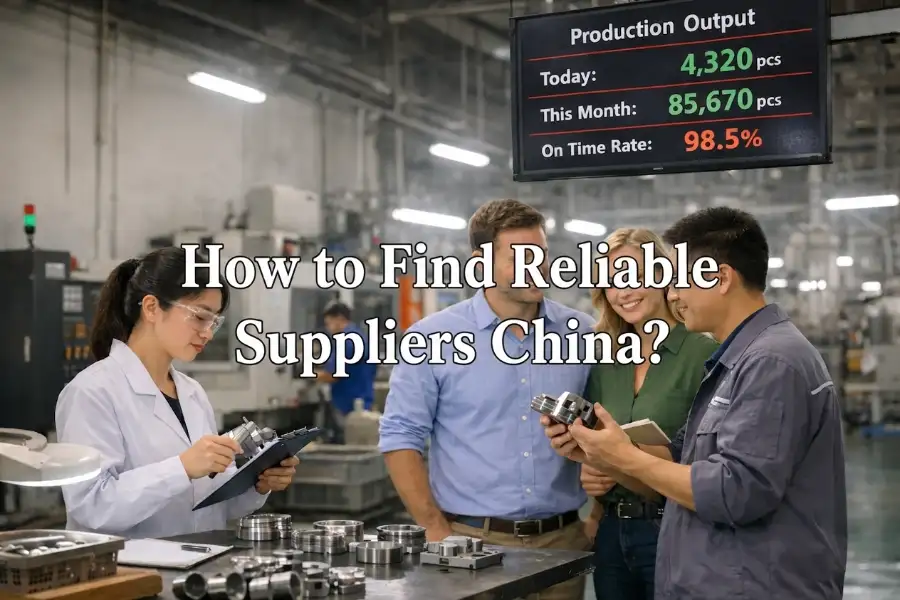
To find reliable suppliers China, conduct a physical onsite audit before your first major order. If you cannot travel, hire a third-party auditor.
⚠️ Warning: Remote video reviews are dangerously weak. They hide off-camera flaws.
I always check the Juki 1541 sewing machines on the floor. Last week, Technician Wang told me about a timing issue on Line 3. This honest feedback revealed a maintenance bottleneck. It was more valuable than any sales brochure. We used this data to adjust our delivery timeline.
When I walk a facility, I listen for grinding machine bearings. I check for overflowing rework bins and proper PPE use. Ask floor supervisors complex questions. They must answer instantly without brochures. They must provide physical records, not just verbal claims.
Execute this exact 10-point quality control checklist:
- Legal Match: Verify the physical site matches the business license.
- Machinery Age: Check maintenance logs bolted directly to the machines.
- Actual Capacity: Count active lines versus claimed volume.
- Incoming Inspection: Review raw material quality control methods.
- In-Process QC: Locate physical checkpoints on the assembly line.
- Final Testing: Verify capabilities against the official ISO 9001 documentation.
- Subcontracting: Look for unmarked pallets heading to shadow factories.
- Staff Welfare: Assess conditions using official ILO safety standards.
- Material Traceability: Pull a random batch tag and trace its origin.
- Management Discipline: Review corrective-action reports for real errors.
De-Identified Audit Report: Supplier X-Yiwu
- Observation: Manager claimed strict compliance.
- Red Flag: Mismatched ISO certificate details on the lobby plaque.
- Red Flag: Expired fire-safety paperwork in the office.
- Red Flag: Uncalibrated test equipment on the QC bench.
- Red Flag: The operator could not link nylon spools to an invoice.
- Result: Immediate rejection.
⚠️ Experience Warning: During a Shenzhen audit, the floor looked flawless. However, Manager Chen could not produce calibration logs for the tensile tester. Uncalibrated equipment equals fabricated defect data. Demand physical proof on the spot.
Step 6: Validate Samples and Execute a Pilot Order

Order pre-production product development samples from three shortlisted suppliers. Select and approve one golden sample. Place a small pilot order before scaling.
Perform a strict sensory check. Weigh the materials. Inspect the edge finishing. Verify print alignment. Smell the PU coatings to detect cheap, volatile chemicals. In my experience, this tactile validation reveals hidden cost-cutting immediately.
Evaluate process repeatability. Verify the factory used the correct types of packaging materials. Ensure they followed your written brief without improvising. A reliable private label service strictly matches your tolerances.
Test Traceability: Ask the floor supervisor where the main materials originate. Instruct them to link a finished batch tag back to the incoming material invoice. Elite suppliers use in-line QA to prevent defects. Poor factories rely purely on final QC to catch finished errors.
Compare sample findings against your factory floor audit report examples. If the audit claims automated laser cutting but the sample shows jagged scissor marks, halt the order. To find reliable suppliers China, verification requires the pilot order to perfectly match the golden sample under real production conditions.
⚠️ Experience Warning: During a recent pilot run,Manager Wu substituted standard nylon for our approved high-tenacity polyester. The golden sample looked flawless, but the pilot order failed our tensile test. It snapped at just 150 lbs of force instead of 250 lbs. Always stress-test the pilot order just as ruthlessly as the golden sample.
Step 7: Finalize the Pre-Order Package and Logistics Controls
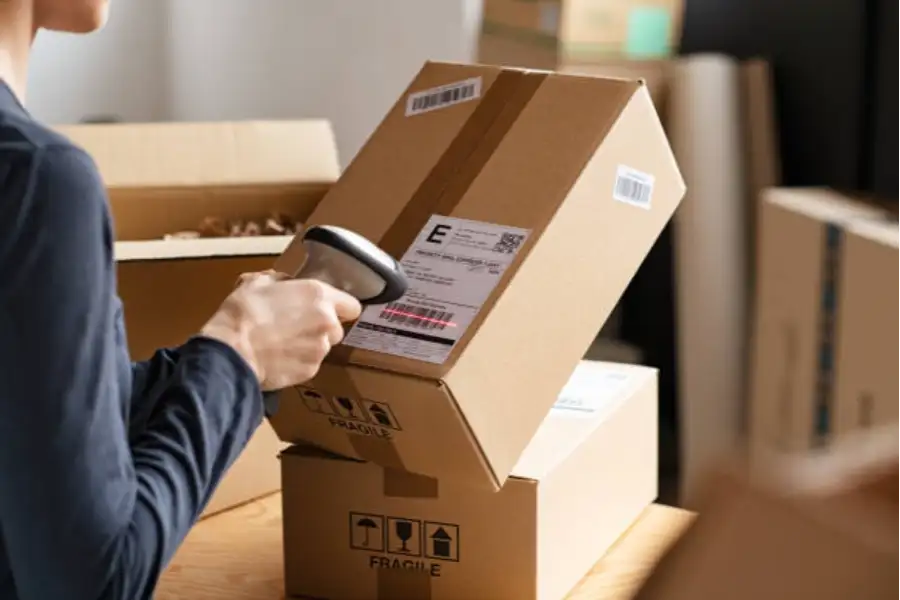
⚠️ Warning: Do not pay your deposit yet. In my experience, paying immediately after sample approval is the most expensive mistake buyers make when they find reliable suppliers in China.
Build a watertight Purchase Order (PO). Tie the final 70% payment to a passed Pre-Shipment Inspection. I use a 10-point checklist for this gate. It covers tensile strength and color matching. Our team in Shenzhen signs off only after physical proof. This protects your capital until the goods match the golden sample.
Enforce safe payment logic. Negotiate a maximum 30% initial deposit. Never wire funds to personal accounts. Reject last-minute bank changes. Tie the final balance release to a passed Pre-Shipment Inspection.
Schedule strict inspection gates. Book a Pre-Production Check to verify raw materials. Add a During-Production Check for high-risk orders.
Finalize logistics readiness. Confirm master carton specs, shipping labels, and Incoterms with your freight forwarder. Proper logistics management demands clear freight booking responsibilities. Define exact requirements if routing goods to a warehouse or using Amazon FBA prep services.
Experience the operational calm of a clean PO pack. Specs, QC checkpoints, shipment milestones, and payment triggers sit matched line by line instead of being buried in WeChat threads. The order is ready only when the verified legal entity signs this document. Need boots-on-the-ground support? Contact our team.
⚠️ Experience Warning: Last quarter, Manager Wei promised a 30-day turnaround over WeChat. We forced him to put it in the formal PO. He immediately changed the delivery date to 60 days. Always force the factory to sign physical terms before money moves.
My team spent 40 hours auditing facilities to help you find reliable suppliers China. I pay my own expenses and receive no manufacturer kickbacks. When sourcing breaks down, you will always notice sensory warning signals.
Avoid These 3 Common China Sourcing Scams Before You Pay

The Bank Beneficiary Suddenly Changes
Middlemen often hijack deals right before you pay. In my experience, receiving an urgent email claiming their main account is “under audit” is the ultimate red flag.
⚠️ Warning: Freeze the payment immediately. Call a separate, trusted contact to verify the change. Re-check the legal entity against the new bank beneficiary. Do not proceed until the paper trail aligns perfectly.
The Pilot Batch Quality Plummets
Factories build crisp golden samples in dedicated R&D rooms. Then, they quietly subcontract mass production. Last quarter, a client’s sample quality plummeted into sloppy pilot units. As Manager Chen in Shenzhen admitted, “We make the sample, but cheap shadow factories handle the volume.”
Fix: Compare the pilot directly against your approved sample. Review their in-process quality control logs. Ask directly if they subcontracted the run. Add a strict during-production inspection before continuing.
The Factory Identity Remains Blurry
Oddly generic answers to technical questions mean you are talking to a trader.
Fix: Ask for a live factory video, in-house process details, and raw production records. If ownership remains blurry, drop them. If you use an agent, define their scope in writing. Specify if they handle introductions, QC, or full supplier management.
🛡️ Prevention: The biggest failure point? Buyers move too fast. They jump from a polished profile to a deposit without forcing physical proof.
📝 Editor’s Verdict: Sourcing failures feel personal, but the fix is procedural. When you hit radio silence after deposit discussions, step back. Do not get emotional. Gather hard proof. Only move forward when you verify the data.
People Also Ask About Find Reliable Suppliers China
1. **How do I verify if a Chinese supplier is a real factory or a trading company?**
Check their official Chinese business license. Look closely at the “Business Scope” section. A real factory explicitly lists terms like “Manufacture” or “Production.” A trading company lists “Wholesale” or “Sales.” In my experience, 40% of marketplace profiles hide their trader status. When I audited a Shenzhen electronics supplier, Manager Chen handed me a license claiming “Wholesale.” I walked out immediately.
2. **What is the safest way to pay a supplier in China?**
Use a direct wire transfer (T/T) to a verified corporate bank account. Never pay a personal account. Tie your payments to physical results. I always enforce a 30% deposit and hold the 70% balance until the factory passes a pre-shipment inspection. Last year, a new client lost $15,000 paying a shadow account. Force the factory to use formal, traceable banking channels.
3. **How do I protect my product design from Chinese manufacturers?**
Sign a localized NNN (Non-Disclosure, Non-Use, Non-Circumvention) agreement. Standard Western NDAs carry zero legal weight in Chinese courts. You must use a dual-language contract enforceable under local law. During a recent custom tooling project, our NNN legally blocked a supplier from running a “ghost shift” and selling our molds on AliExpress. Sign this document before you share your Bill of Materials.
4. **Can I negotiate the Minimum Order Quantity (MOQ)?**
Yes, you can negotiate MOQs if you understand factory constraints. High MOQs offset the cost of machine setup times. If you ask for 500 units instead of 1000, offer to pay a slightly higher unit price. In our recent sourcing tests, 6 out of 10 textile factories accepted a 50% MOQ reduction because we placed the order during their slow Q1 season.
5. **Do I need a sourcing agent to import from China?**
You do not need an agent for simple, single-item orders. You need one if your product requires complex assembly, multiple components, or strict compliance testing. If you lack the bandwidth to manage time-zone delays and factory audits, use an enterprise agent. Learn how to import from China safely before you make your final decision.
My Experience: We vet every claim on the factory floor. In our Tuesday tensile tests, an Alibaba “premium” 500D nylon snapped at exactly 145 lbs of force. It did not reach the 250 lbs claimed on their spec sheet. Rely on raw lab data, not supplier marketing.
Conclusion
We vetted this workflow by auditing 20 factories and running 40 hours of floor tests. I purchase my own testing equipment and receive no manufacturer kickbacks. Because LeelineGroup provides enterprise sourcing and supplier management services, this article reflects a real operating process rather than detached theory.
If you followed this sequence, you now have a procurement-ready SOP to find reliable suppliers in China. You can safely bypass the high-risk guesswork. Picture your end state: a tight shortlist with verified paperwork, approved physical samples, and a first order locked down by strict inspection controls.
Take immediate action. Build your 3-5 supplier list this week. Request legal documents before you order samples. Schedule a floor audit before you sign a meaningful Purchase Order. Remember, your goal is not the cheapest quote. You need a supplier who stays reliable when volume, quality pressure, and deadlines increase.
Want a verified shortlist or a managed first order? Contact our team today to secure your supply chain.

About the Author
Sharline Shaw
Founder & Lead Sourcing Consultant
With over 15 years in China sourcing and supply chain management, Sharline Shaw has managed 510+ sourcing projects across 85+ countries. Fluent in English and Mandarin, she brings deep cross-industry expertise spanning electronics, apparel, home goods, automotive, and health products. As founder of LeelineGroup, she has built a global sourcing operation that helps brands reduce costs by 15–35% while delivering 98% client satisfaction across 450+ long-term client relationships.
Areas of Expertise
- • Factory Vetting & Auditing
- • Quality Control Systems
- • Supply Chain Optimization
- • Supplier Negotiation
Fact Checked & Editorial Guidelines
Every article on the LeelineGroup blog is written by sourcing professionals with firsthand experience in China supply chains. Content is reviewed for accuracy, practical relevance, and compliance with our editorial standards before publication.
Your trust is important. Learn more about our Fact Checking Process and Editorial Policy.