
China Sourcing, Halal & Duty Paid for Malaysian Importers
Sourcing Agent Malaysia — Factory Sourcing, Halal and Duty-Paid Delivery From China
The price you're quoted is not a landed cost — import duty, SST and the SIRIM or JAKIM file are what the Malaysian border adds, and we price all three before you commit.
LeelineGroup runs the buying and the Malaysian border as one engagement: factory sourcing and vetting, AQL quality control through the run, Halal and conformity evidence, private label and packaging, then consolidation and clearance through Port Klang or Tanjung Pelepas to your warehouse, 3PL or marketplace.
Quote in ringgit, land duty-paid, and keep the margin that used to leak between the factory and your door.
Where Malaysian Orders Stall
Where a Malaysian order stalls — 27 checks, and the ones that catch you out
A Malaysia buying agent earns their fee before the goods reach the port. These are the four places a China-to-Malaysia order fails, and what we do about each.
The listing that is really a trading office
A polished shopfront, a quick quote and a clean sample — with no production line behind any of it. The sub-contracted work is nobody's responsibility.
We audit on site before a shortlist reaches you, and tell you which steps a factory sub-contracts — so whoever quoted you is who actually makes the goods.
The grade that drifts between sample and bulk
The sample is exactly right; the bulk is a cheaper near-version of it. A lighter fabric, a thinner gauge, a substituted component — invisible until it reaches your store.
The spec is written down and becomes the acceptance criteria, and the goods are inspected against it through the run rather than once at the end.
Approval sought after the goods are booked
SIRIM, MDA and halal approval are applied for once the container is on the water, so the consignment sits at the port accruing storage while a certificate is chased.
The product is mapped to the right scheme in Malaysia and the application prepared before the goods ship, so the release is a formality rather than a scramble.
A quote that stops at the factory gate
A price in dollars for the goods, with duty, SST, freight and the ringgit conversion still to be discovered — which is where the margin quietly disappears.
Duty, SST, freight and FX are folded into one ringgit figure before the PO — what the border adds is settled before you commit, not discovered at the port.
Five Scopes, One Owner
23 checkpoints across the whole engagement, run by one accountable owner
Twenty-three checkpoints across sourcing, quality, halal and conformity, packaging and the border — all run by one named specialist who answers to you.
-
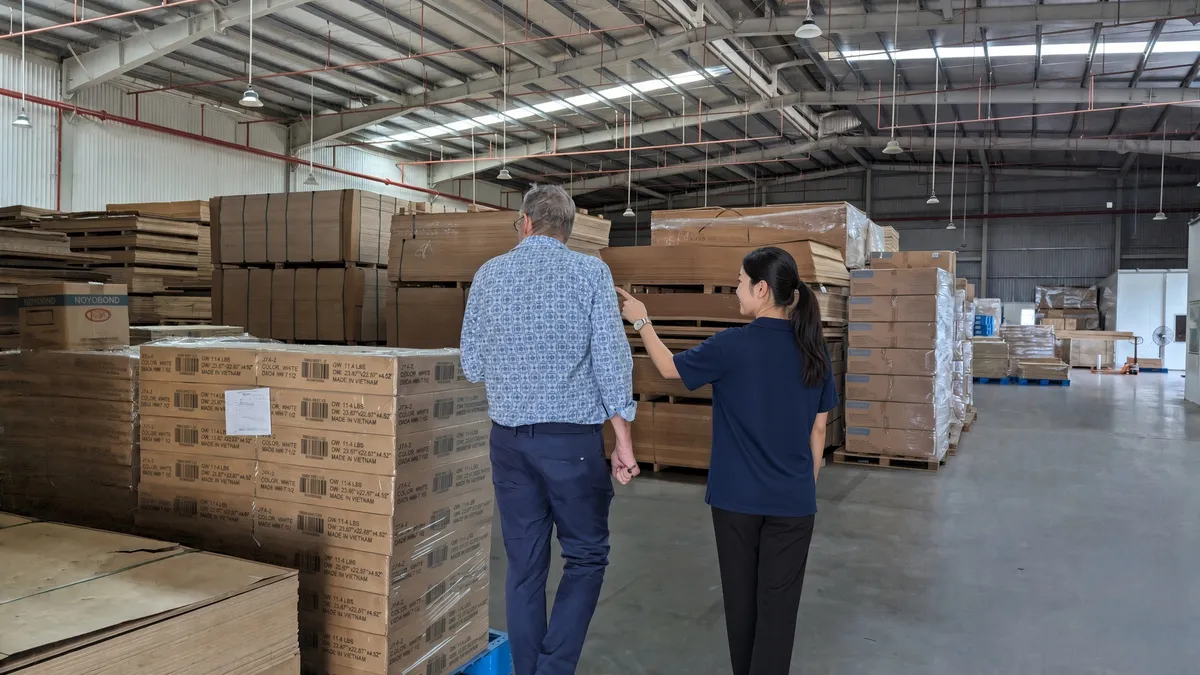 01 Sourcing FOB · DDP quote basis
Factory sourcing and vetting
Your brief becomes a factory-ready spec and BOM in Mandarin, and every candidate is audited on site before the shortlist reaches you.
- Brief decoded into a factory-ready spec and BOM
- Vetted candidates compared per brief, never a single quote
- On-site audit: licence, real line capacity, sub-contracting
- Sample validated against the written spec before tooling
- Price, MOQ and payment terms negotiated in Mandarin
-
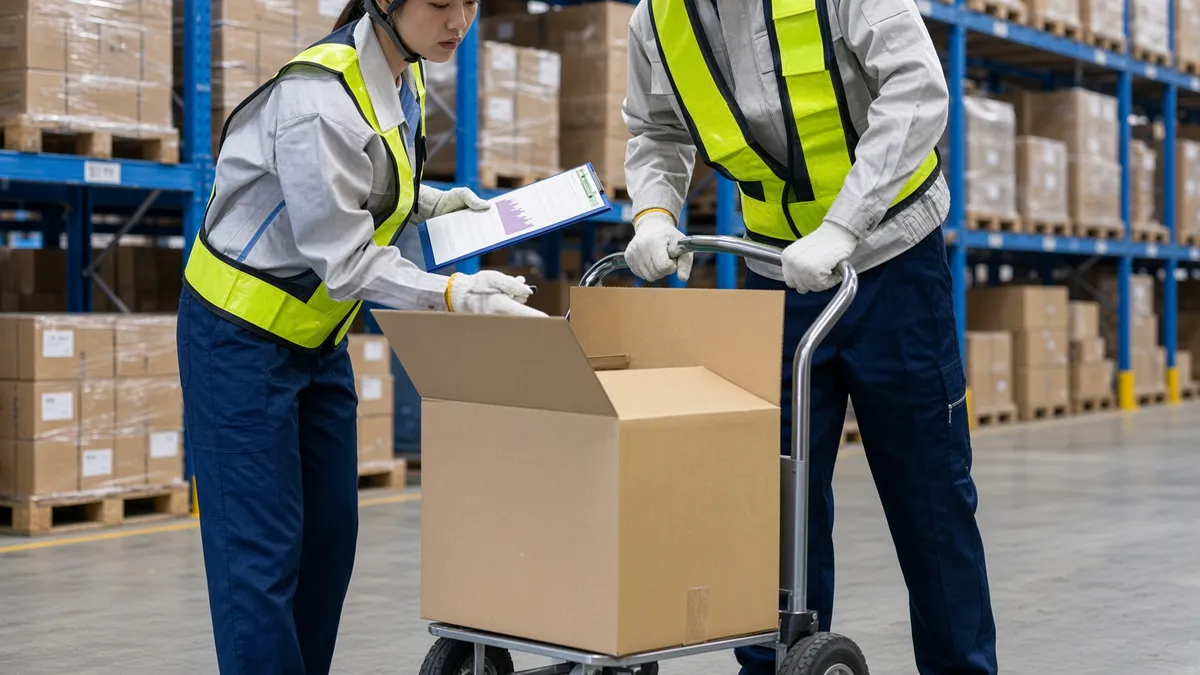 02 Quality Control AQL 0.4 inspection standard
AQL quality control
Quality is held through the run rather than judged at the end, so a defect is caught while it is still cheap to correct.
- Material and component checks before production opens
- In-process inspection at 25%, 50% and 75% of the run
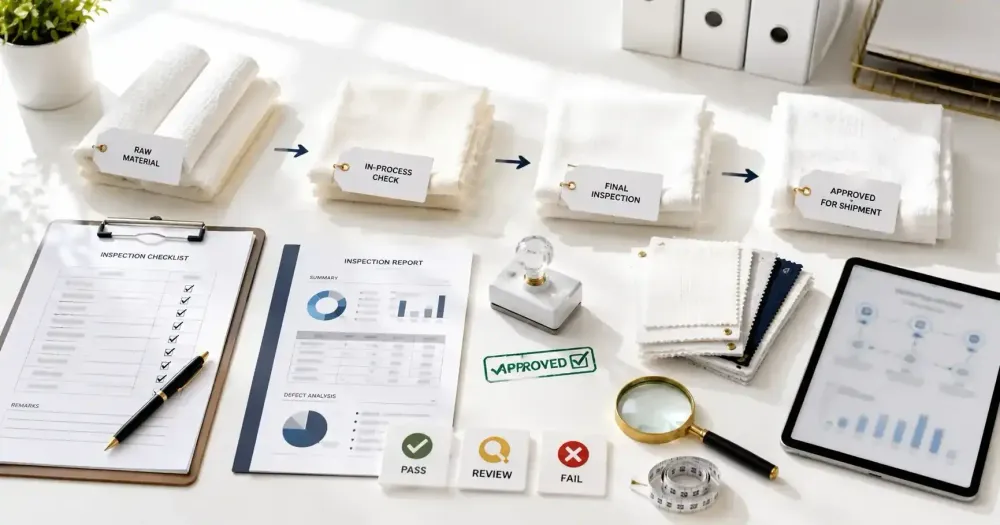
- A final pre-shipment inspection before the balance clears
- Photo and video evidence at every milestone
- Corrective actions tracked to closure, not to a promise
-
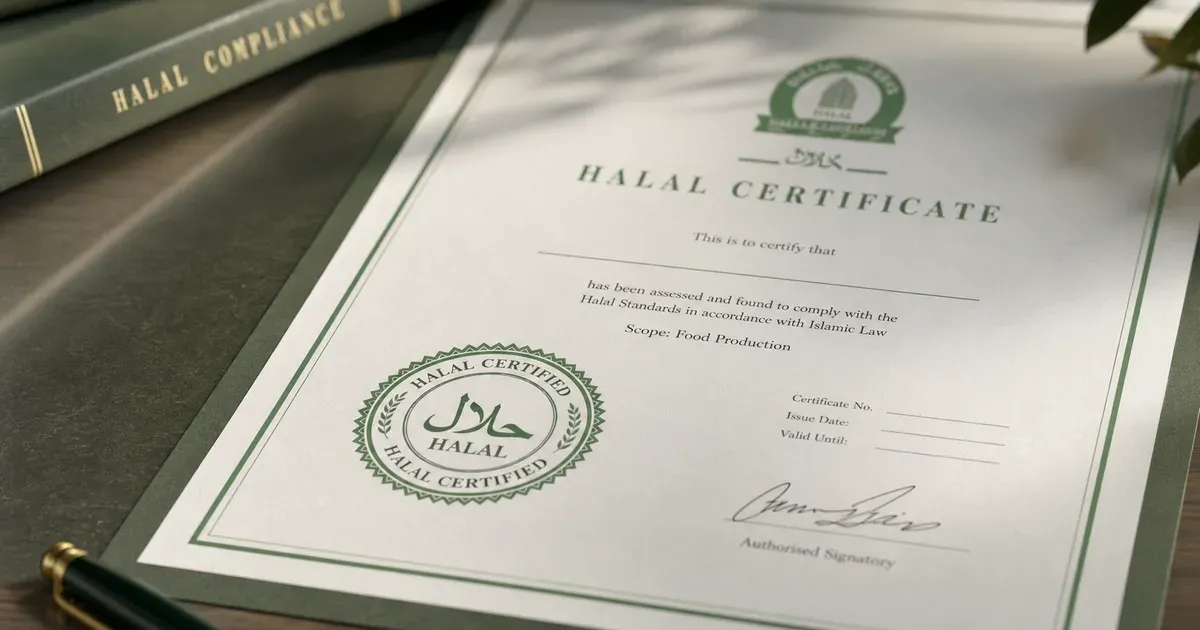 03 Compliance SIRIM · JAKIM approval routes
Halal and conformity file
Approval is settled before tooling rather than after artwork, and the file is built to what the Malaysian scheme actually asks for.
- Product mapped to SIRIM, MDA or the applicable scheme
- Halal chain documented from ingredient to label
- Ingredient and material records gathered from the mill
- Certificate and label claims checked against the standard
- Application drafted for the recognised certification body
-
 04 Private Label GS1 · FNSKU barcode formats
Private label and packaging
The retail pack, the transit carton and the bilingual label are produced with the order, so nothing arrives in a later run.
- Logo, colour and finish proofed on the real material
- Retail and transit packaging developed to your size and weight
- Labels carrying the halal mark and any import warnings
- GS1 barcodes and marketplace labelling where retail needs them
-
 05 Freight & Customs K1 declaration form
Freight, duty and Malaysian delivery
Several suppliers become one shipment and one entry, so you clear once instead of five times.
- Suppliers consolidated into one export shipment
- HS code, origin and preference declared per line
- Duty and SST calculated before the goods move
- K1 entry filed and delivery booked to your address
Who We Run Orders For
The Malaysian buyers we run for — 18 segments, one sourcing plan
A product sourcing agent in Malaysia works across very different briefs. These are the four we run most, and what each one needs from a China partner.

E-commerce and marketplace sellers
Shopee, Lazada and TikTok Shop sellers who need repeatable quality at a price that still leaves a spread after duty, SST and platform fees.
- • Small first runs with room to scale
- • Marketplace-ready labelling and cartons
- • Replenishment timed to your sell-through

Importers, distributors and wholesalers
Buyers supplying the trade who need a landed cost in ringgit they can quote on, and a supplier base that holds its grade across repeat orders.
- • Container-scale pricing and MOQ
- • Grade locked to a written acceptance standard
- • Consolidated shipments from several factories
DTC and private-label brands
Brands building their own label who need the product, the pack and the compliance file developed together rather than bolted on later.
- • Own-brand packaging and bilingual labelling
- • Product development and sampling support
- • Conformity and halal evidence for the claim
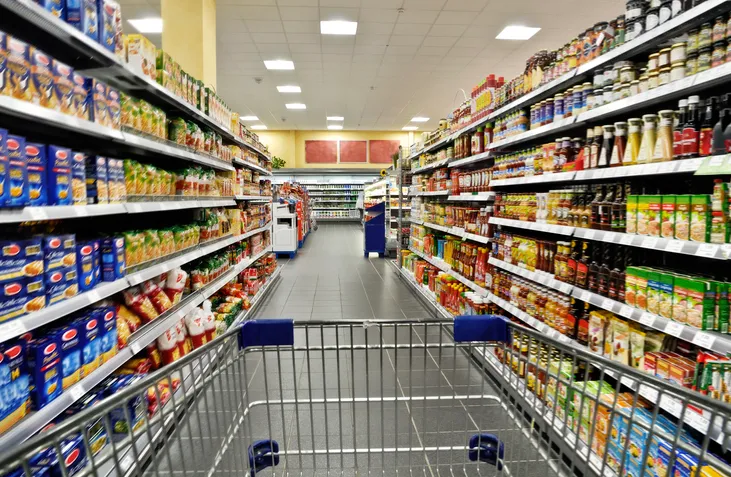
Retail chains and halal-market suppliers
Suppliers to supermarkets, pharmacy chains and halal retail who need the certificate, the label and the delivery window to line up every time.
- • Halal documentation that satisfies the buyer's audit
- • Shelf-ready packs and store-planogram sizing
- • Delivery dated to a promotional calendar
The Gates at the Malaysian Border
13 states, one border — the gates a Malaysian import has to pass
Malaysia is a single federal customs territory, so the same gates apply in every state. Each one is a place where an order either clears or waits, and we prepare all of them before the PO.
Import duty
Customs duty on the CIF value, at the MFN rate or a preferential rate for your HS code.
We classify every line to the Malaysian tariff and check ACFTA, RCEP or CPTPP preference before the rate goes into your quote.
SST and excise
Sales and Service Tax charged on import, plus excise where the category attracts it.
SST and any excise are priced into the landed cost, so the ringgit figure you approve is the figure the port applies.
SIRIM or MDA approval
A standards approval or a device registration before certain goods can be released at all.
We map the product to the right scheme, prepare the application and gather the test evidence before the goods ship.
This is general guidance, not a legal ruling on your product. The rate, the scheme and the approval route depend on the HS code and the category — confirm each one against the current Malaysian rules before tooling is cut or artwork is signed off.
How Duty Comes Down
MFN, ACFTA, RCEP, CPTPP — 11 parties and where your origin lands
Chinese-origin goods do not have to sit on the base duty rate. Where they can travel under a valid origin claim, the rate steps down — and the certificate is what unlocks each step.
Most-Favoured-Nation
No certificate required
The default duty rate for any origin. This is where a shipment lands when no preference is claimed.
ASEAN-China Free Trade Area
Form E certificate of origin
11 parties: the 10 ASEAN economies and China. The most common route for China-origin goods, and the one buyers most often leave on the table.
Regional Comprehensive Economic Partnership
RCEP proof of origin or declaration
A wider agreement that can lower the rate further or matter where ACFTA does not apply to the specific line.
Trans-Pacific Partnership
CPTPP origin declaration
Relevant when the goods or the inputs originate in a member economy rather than in China itself.
The ladder is illustrative — the rate that applies to your goods depends on the HS code, the origin and whether the certificate is valid at the time of entry. We confirm the route and the evidence per shipment.
The Halal Chain, End to End
One halal claim, 57 markets — the chain JAKIM wants to see
A halal claim is only as strong as the weakest link behind it. JAKIM looks at the whole chain from material to label, so we document each link before the run rather than after a query.
- 01
Ingredients
Every input traced to a halal-compliant source, with the mill's records on file.
- 02
Processing
Production lines dedicated or cleaned to avoid cross-contact with non-halal material.
- 03
Factory audit
The site inspected for handling, storage and separation, not just the paperwork.
- 04
Formulation
The recipe reviewed against the standard, including any processing aids and coatings.
- 05
Certification body
Applied through a body recognised by JAKIM, with the correct scope on the certificate.
- 06
Standards
Evidence built to MS 1500, or MS 2424 for cosmetics and personal care.
- 07
Labelling
The halal mark and the on-pack claims checked against what the certificate actually covers.
Certification is issued by a recognised body, not by us. We prepare the chain, the evidence and the application so the audit is a review of the work rather than a list of gaps.
Where a Ringgit Goes
Where a ringgit goes — 14 lines in a landed cost, and the ones that move
A private label sourcing agent in Malaysia has to price the whole journey, not just the goods. This is how one ringgit of landed cost breaks down on a typical sea-freight order — and what we compress.
-
Factory (FOB)
63%The goods themselves, negotiated in Mandarin on a written spec.
-
Import duty & SST
15%Preference applied where origin allows, then SST on the import value.
-
Ocean freight & insurance
10%Consolidated into one consignment so you pay for one lane, not five.
-
Port, forwarder & haulage
7%K1 entry, terminal handling and delivery to your address.
-
FX & banking
5%The ringgit conversion and transfer costs, priced rather than guessed.
The split is illustrative and not a quotation. Your own numbers depend on the HS code, the Incoterm and the shipping lane — we send the full worksheet with the quote.

China First, ASEAN Too
China first, then ASEAN — 41 categories in one sourcing plan
Most of what a Malaysian importer needs is best bought in China. Where it is not, running the ASEAN and local lane to the same standard keeps the plan in one place instead of three.
Scale, range and price
- Wide category coverage and competitive unit cost
- Deep supplier base for tooling and private label
- The main lane for electronics, home, textiles and packaging
Proximity, duty and proof
- Shorter lead time where the category allows it
- Regional origin that can change the duty outcome
- Local capability in Malaysia for consolidation and last-mile
One team runs both lanes against the same spec, the same inspection standard and the same written acceptance criteria — so the sourcing base can move without the quality plan changing.
From Brief to Cleared Delivery
19 working days from brief to a signed-off sample — then dated milestones
You get the number first, and the schedule with it. Every milestone carries a window, so nothing arrives as a surprise and the port is never the first time you hear about a problem.
- 1 Hours 0–48
Written quote issued
Priced in ringgit, with duty and SST already inside the number.
- 2 Days 2–7
Vetted shortlist ready
Candidates audited on site before you see a quotation.
- 3 Days 7–19
Sample approved
Counter-samples checked against your written spec.
- 4 Weeks 3–6
Production complete
Checks at 25/50/75%, then a final pre-shipment AQL.
- 5 Week 6 onward
Cleared and delivered
K1 entry filed, duty and SST paid, goods delivered.
Who Carries the Risk
37 checks behind one cleared Malaysian order — marketplace, trading desk or agent
Buy off a marketplace, order through a trading house, or run it with a team inside China. Only in the third case does someone on your side own the factory, the quality file and the entry into Malaysia.
Outcomes in Two Malaysian Verticals
28% off landed cost — rebuilt line by line for Malaysian importers
Two categories where the border decides the margin. The change comes from the duty treatment, the classification and the factory behind the order — not from a cheaper product.
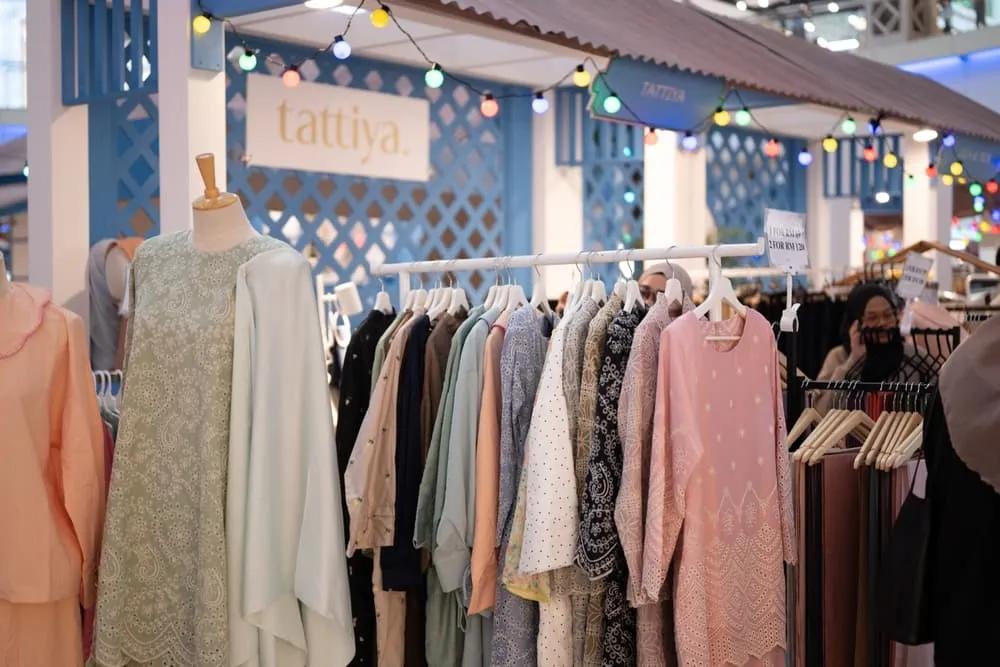
Modest Wear & Muslim Fashion
Before
MYR 39
Unit landed cost
After
MYR 28
Unit landed cost
Every shipment landed on the base duty rate, and the fabric moved between the sample and the bulk — a lighter weight after the first order, invisible until it reached the store.
We classified every style to the textile HS codes, claimed ACFTA preference with a valid Form E, wrote the fabric weight into the written acceptance spec, and inspected the goods mid-run as well as before shipment.
One landed cost in ringgit the buyer could plan on, the grade held across repeat orders, and the unit landed cost down 28% on the same factory price.
Nothing about the product changed. The classification, the origin claim and the fabric spec simply existed before the shipment did.
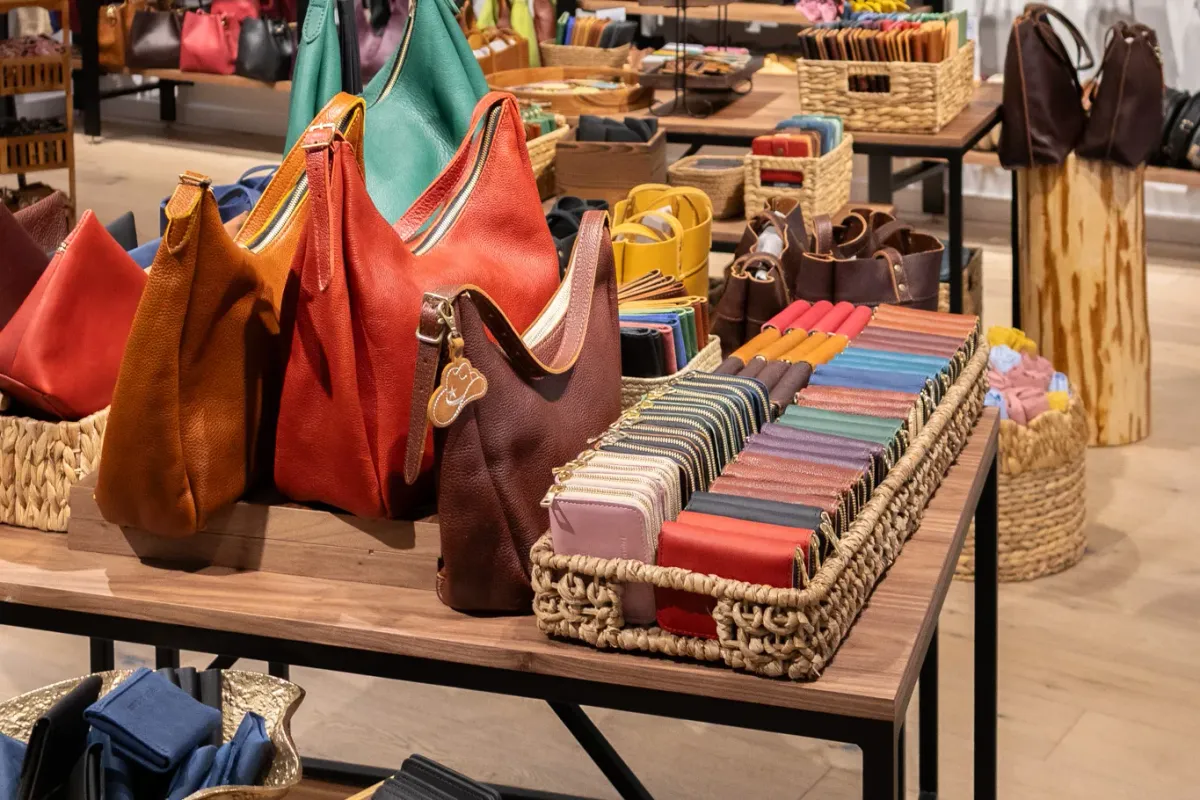
Handbags & Small Leather Goods
Before
MYR 58
Unit landed cost
After
MYR 42
Unit landed cost
One in five units arrived as a reject — a failing zip here, a colour batch that did not match there — so the effective cost per sellable unit sat far above the quoted price.
We wrote the material, hardware and colour spec into the acceptance criteria, moved inspection into the run at 25/50/75%, and held the balance until the pre-shipment report cleared.
Defects fell to almost none on repeat orders, and the effective unit landed cost is down 28% on the same factory price.
Nothing about the product changed. The spec and the inspections simply existed before the balance did.
Illustrative figures. These two examples are representative of the change we make, not quoted client results.
For a documented project, read the full case study: Automotive CNC Precision Parts
The Commitments Behind the Order
43 import categories, and the commitments behind every order
Across 43 import categories, the same commitments shape how the deal is structured — so you know what you are approving before the work starts.
-
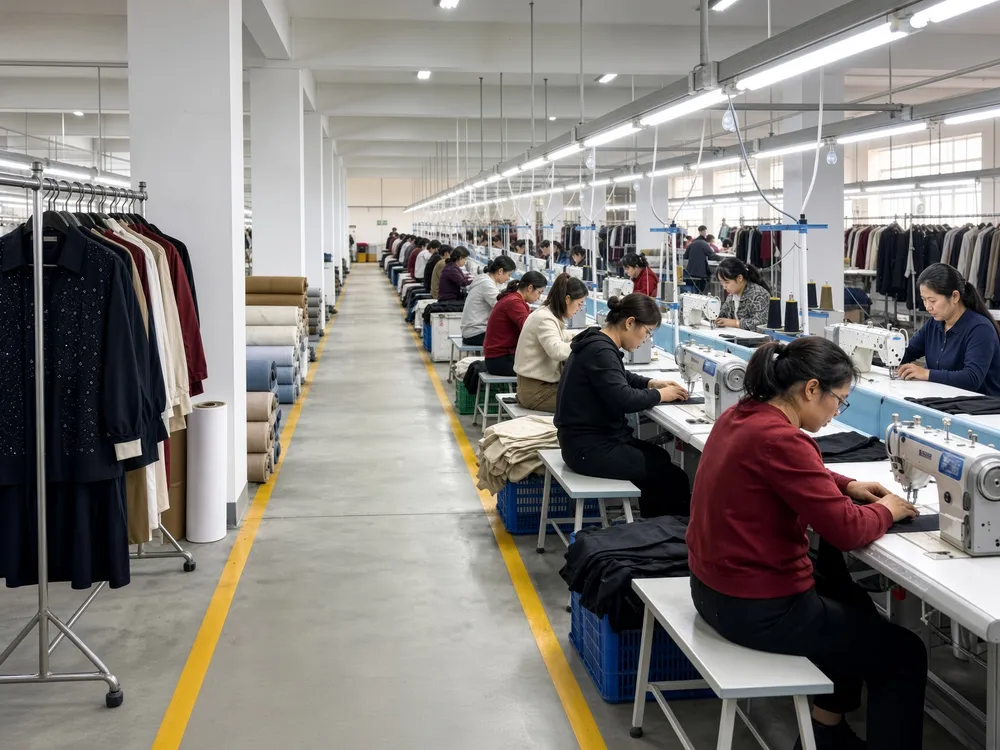 Commitment 01
Open-book: the factory price, and our fee on its own line
Every quote shows what the factory charges and what we charge, on separate lines, so you can see the margin instead of guessing at it. The number you approve is the number that goes on the purchase order.
-
 Commitment 02
The balance clears against the report, not the promise
Payment runs on production milestones, and the final balance is released against the pre-shipment inspection report — not against a photo of a loaded container. If the report does not clear, the money does not move.
-
 Commitment 03
Your SSM company is the importer of record
Your customs record stays yours, and every classification is on the record with us standing behind it — but the entry itself is yours, so nothing about your supply chain gets trapped inside an agency.
From Malaysian Importers
31 months on — what our Malaysian importers stopped doing
Two importers, two different product lines, and the same thing they both stopped doing: chasing a certificate or a classification after the goods had already shipped.

“Home storage and light outdoor gear are categories where the duty rate quietly decides your price, and we had been paying the base rate on almost everything because nobody claimed the preference. LeelineGroup classified every line, got us a valid Form E for the China origin, and moved us off a trading office onto a factory they had audited themselves. They priced duty and SST into a landed cost in ringgit before we committed, and inspected through the run plus a final pre-shipment check. Four months in, our unit landed cost is down by more than a quarter and I price a launch on a real number instead of a guess.”
Ingrid Sorensen
Founder, Havn Interiors
Home Storage & Light Outdoor
“Selling into halal retail means the certificate and what is printed on the pack have to match, and ours did not — we were applying for certification after the goods had already left China, and twice a consignment sat at the port while we waited. LeelineGroup documented the chain to the standard, applied through a recognised body before production, and rebuilt the label to match the certificate scope. On the sourcing side they negotiated in Mandarin, consolidated three suppliers into one shipment, and classified every SKU so duty and SST were inside the price. Months on, no consignment has been held, and the certificate clears the buyer's audit first time.”
Wesley Gallagher
Managing Director, Bracken Import Co.
Importer & DistributorStraight Answers for Malaysian Importers
Answers in 46 words: what Malaysian importers ask before a PO
Do I need a Malaysian company to import?
For a commercial order, yes — the importer of record must be a Malaysian entity, usually an SSM-registered company with the right licence. We prepare the declaration data and the entry instruction, but the import sits in your name, not ours.
Is Form E always cheaper than the base rate?
Not always. Preference lowers the rate when goods qualify for China origin and the certificate is valid at entry. A Form E with the wrong origin statement, or a lapsed one, is worthless — where a line does not qualify, RCEP or the base rate applies.
Does a CE mark replace SIRIM or MDA approval?
No. A CE mark is for the European market and carries no standing with SIRIM or the Medical Device Authority. Malaysia runs its own approval for the categories that need it, so a CE-marked product still needs that scheme handled before release.
What happens if goods arrive without SIRIM or MDA approval?
They are held at the port until the approval is in place — the storage and demurrage are yours, and in the worst case the goods are re-exported or destroyed. We prepare the application before the goods leave China for this reason.
Is JAKIM halal required to sell, or only to claim halal?
It depends on the claim. A halal claim on the pack, or a listing in halal retail, generally requires certification through a JAKIM-recognised body — the chain, the certificate and the label have to agree. A product with no halal claim does not need it.
Who carries the ringgit exchange-rate risk?
Whoever the contract says does — so write it down, not assume. If we quote in ringgit, the FX buffer is built into the price and the risk sits with us to delivery. A dollar factory quote leaves the conversion, and the risk, with you.
Is SST charged on top of import duty?
Yes — this is the part buyers get wrong. Import duty is charged on the customs value, then SST on the value; the two stack rather than replace each other. Some categories are exempt for SST, which is worth confirming per HS code before you price.
My supplier is in Vietnam or Indonesia — is it the same process?
The Malaysian end is the same: duty, SST and the approval scheme still apply. What changes is the origin claim — ASEAN-origin goods travel under the ATIGA form rather than Form E. We run the ASEAN lane to the same spec and inspection standard.

Talk to a Malaysia-focused team — a cleared first order in 45 days
Send the product, the quantity and where it lands in Malaysia. We'll come back with the HS code, the duty and SST treatment, and the landed cost in ringgit — before you place a PO.