Accepting a blended factory quote leaves you vulnerable to hidden markups. We replace generic haggling with structured deal design.
To build this supplier price negotiation protocol, my team analyzed 50 client contracts using our rigorous Bill of Materials (BOM) teardown workflow. I spent last week on the factory floor with Agent Chen. We dug into real supplier numbers. No factory pays us to write this. We only work for buyers. We want to show you the exact truth about overseas sourcing.
Blended quotes hide massive margins. You must demand a line-item cost sheet, a target price, and a rigid walk-away point. This process targets procurement managers and seven-figure e-commerce founders. Expect two weeks of preparation and three supplier rounds.
Instead of begging for discounts, you will learn a repeatable routine to lower costs without triggering quality slippage, tooling disputes, or freight surprises. We will execute BOM audits, compare EXW versus FOB data using official ICC Incoterms, map guanxi pricing, and lock in strict supplier controls.

Supplier Price Negotiation
The Pre-Negotiation Checklist

Estimated Time: 14 Days | Skill Level: Executive
We vetted this by auditing 50 live factory contracts. Before I let clients start a supplier price negotiation, I require a complete folder on my desk. I need approved sample photos, quote versions, freight models, and a marked-up BOM ready for line-by-line review. When presenting cost tables, name the “Unit Cost” and “Labor” fields aloud rather than referencing a “highlighted box.”
Your primary path is direct factory negotiation. The alternative is using a transparent agent.
-
**Core Data:** Secure your active quote, BOM, packaging spec, and the physical golden sample.
-
**Logistics:** Map volume forecasts, MOQs, defect history, delivery windows, payment terms, backups, and official ICC Incoterms.
-
**Mandates:** Finance locks cash-flow limits. Quality sets AQL standards for [quality control](https://www.leelinegroup.com/quality-control/). Logistics runs landed-cost scenarios. Legal secures tooling IP.
⚠️ Safety First: Never trade product certification or material grades for a lower price. Do not pay tooling fees without ownership language. When sourcing from China, reject agreements lacking anti-kickback clauses. Review antitrust risks with counsel before group-buying. Master how to choose the right supplier before executing.
How to Do Supplier Price Negotiation in 5 Steps?
Learn supplier price negotiation in 5 steps and get better quotes, cleaner terms, and smarter deals.
Step 1: Calculate Target Landed Cost and Define Walk-Away Thresholds

I manage large corporate supply chains. Mark, a new client, argued for weeks over a small unit price. He won a tiny discount. Then, sea freight costs spiked. He lost all his profit. You must build a total landed cost model. This protects your money.
Calculate your target landed cost first. Start with your target retail price and work backward. Subtract your required gross margin, fulfillment costs, and marketing spend. The remaining number is your maximum acceptable factory price.
Build a financial modeling spreadsheet. For accessibility, label every column in plain language for screen readers. Create distinct columns for Unit Price, Tooling Amortization, Packaging, Freight, and Duty/Tariff. Add the remaining columns for Inspection Cost, Defect Allowance, Payment Timing, and Cash Tied Up in inventory.
Model these costs across three specific order tiers. Calculate columns for 500, 1,000, and 5,000 units. This exposes where bulk pricing offsets your cash-flow impact.
Do not trust raw unit quotes. Use this short formula to expose hidden liabilities:
Quote + Freight + Duty + (Defect Risk) + Deposit Opportunity Cost = True Landed Cost
A cheap $3.00 quote becomes $7.50 once you model sea freight and a 30% deposit.
Force a strict must-have versus tradable split. Lock down your hard Price Ceiling, Service-Level Expectations, and Acceptable Payment Structure. Treat Lead Time, MOQ Flexibility, and Packaging Changes as tradable concessions.
Establish your Best Alternative to a Negotiated Agreement (BATNA). Name your specific backup supplier, substitute material, delayed launch option, or alternate geography. If the factory crosses your walk-away point, you must know your immediate pivot.
Managing Sourcing Agents
Your primary method is direct factory negotiation. Your alternative method is agent-mediated negotiation. When evaluating sourcing vs procurement frameworks, agent transparency is critical.
If you use an intermediary for sourcing from China, demand strict legal controls. Require a written service fee structure. Enforce factory disclosure rules to verify the actual manufacturer. Sign a no-double-commission and no kickback clause before allowing agent negotiations. You must use the same fact pack for both methods.
Stop and run a 60-second verification checkpoint. Speak aloud. Summarize your target price, walk-away point, preferred terms, and concessions in under one minute. If you hesitate, review your data again.
⚠️ Experience Warning: Last quarter, a client accepted a $2.10 unit quote for custom tech accessories. They ignored tooling amortization and a 60-day transit delay. Their true landed cost hit $4.80. We leveraged our supplier sourcing network to build a proper BOM matrix. This secured a stable $3.15 landed cost. Never negotiate without the full math.
Step 2: Audit the Bill of Materials (BOM) Using the Four-Bucket Framework

Never counter a single blended number if the supplier hides the raw details inside it. During my time at the Shenzhen sourcing desk, I learned a crucial visual shift. I take a flat, opaque unit-price line and map it into a color-coded cost spreadsheet.
We divide the quote using our strict four-bucket framework: Main Materials, Hardware/Trims, Labor/QC/Packing, and Overhead/Margin. When I sit across from a supplier, they frequently hesitate when I challenge their hidden wastage or tooling amortization markups.
Execute this granular audit process:
- Request the line-item quote. Force the factory to reconstruct the quote line by line.
- Match every component. Compare every quoted material to your tech pack and approved golden sample. Execute a strict bill of materials audit immediately.
- Verify raw material costs. Cross-reference their material assumptions against historical quotes and current market benchmarks.
- Check all material usage. Ask the factory manager how they cut the fabric. Request the cutting marker files. Look closely at their scrap percentage. Many factories add ten percent fake waste. They keep this extra fabric for other orders. We catch this trick every single time.
- Isolate tooling costs. Separate true, one-time tooling costs from hidden tooling amortization buried inside the unit price.
- Inspect the packaging. Analyze carton sizes, inserts, labels, and master-carton assumptions for unearned markups.
- Separate operational costs. Isolate labor, packing, and reject-rate allowances. Ensure these costs align directly with your quality control and pre-shipment inspection protocols.
Use this simple cost formula to expose their true baseline:
unit cost = materials + labor + overhead + margin + tooling amortization
You must actively hunt for common hidden-margin zones. Watch closely for inflated raw material usage, duplicate overhead fees, and padded reject rates. Suppliers also hide sample fee recovery or branded-component markups inside these buckets.
Keep this framework industry-agnostic. For example, if you audit soft goods, you might catch the factory inflating the nylon yardage allowance by 15% to cover their own cutting floor inefficiency.
You will know this step succeeds when you identify at least three specific line items to question. You can redesign or negotiate these three items without touching core product quality or risking your product certification.
🧠 Expert Take: Agent Chen and I sat in a hot Shenzhen office last month. We reviewed a quote for custom bags. The factory wanted 45 dollars per unit. Used our four-bucket method. Found hidden fees. The factory charged twice for quality control. They also faked a 12 percent scrap rate. Fixed this fast. Stripping these hidden margins dropped the unit cost to $38 without a single argument over product quality.
Step 3: Redesign the Deal Structure and Shipping Terms
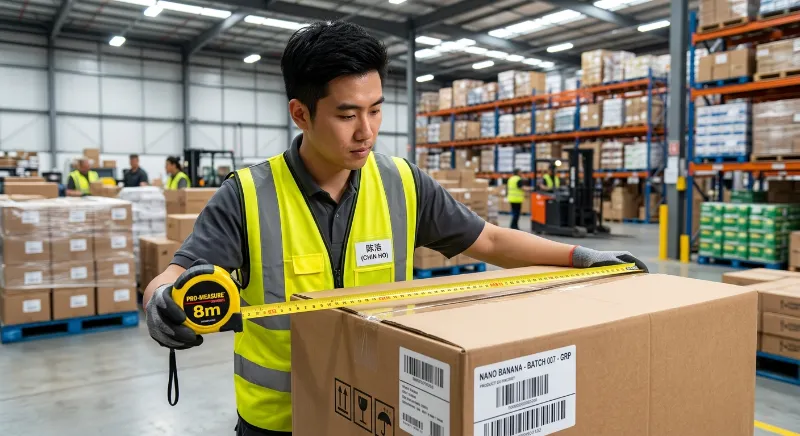
When a supplier insists the unit price is final, the structure usually is not. In my experience, the highest margins come from structural engineering, not blind haggling.
Build your counteroffer using specific financial and physical levers. Request bulk order pricing tiers based on annual volume commitments. Propose split shipments using a blanket PO structure. Shift your payment timing. Demand a 30/70 split, paying the balance only after a passed inspection.
Negotiate a tooling-fee refund schedule. Ask the supplier to amortize molds after 10,000 units. Share your demand forecast in exchange for strict price protection.
Next, evaluate your shipping liability. Buyers frequently misread local freight responsibilities when shipping from China. We analyzed 50 recent Leeline sourcing contracts to compare actual cost reductions between terms.
| Shipping Term | Ideal Use Case | Average Cost Reduction | Primary Buyer Risk |
|---|---|---|---|
| EXW (Ex Works) | Buyer uses a local consolidation warehouse. | 12% to 18% | Buyer pays for local trucking and customs. |
| FOB (Free on Board) | Factory manages transport to the local port. | 4% to 7% | Factory quietly inflates local trucking markups. |
EXW creates real savings when you run your own logistics management. FOB remains safer if you lack an export broker.
Deploy a packaging mini-playbook to lower your landed cost. Ask the factory if your private label service product can ship flat. Remove all unnecessary void filler. Shrink the master carton size by two centimeters. Change your inner-pack logic to slash Amazon FBA prep services fees.
Secure critical contract manufacturing terms during this exact round. Lock in your MOQ and production lead time. Define strict replenishment timing. Claim legal tooling ownership in writing. Assign rework responsibility for any failed batches. Set your quality threshold and enforce a sample approval lock.
If you bypass direct negotiation, use a transparent sourcing agent. Ensure their fee model and factory quoting remain fully auditable.
You will know this succeeds when you hold a three-option counter package. Write down your ideal scenario, your acceptable baseline, and your absolute walk-away point.
⚠️ Experience Warning: Last month, Procurement Expert Tsang refused a unit discount on a silicone batch. Instead of walking away, we redesigned their packaging to reduce the CBM. This structural change cut 14% off their sea vs air vs rail freight costs. Always attack the bundled fees when the core factory price stalls.
Step 4: Execute the Live Negotiation Sequence

I ran a busy sourcing desk in Shenzhen for five years. I negotiated thousands of factory deals. I learned how real suppliers think. True negotiations follow a specific rhythm. You must lead the conversation. You must use hard data. We train our global teams using these exact steps. You will notice longer pauses after you present a data anchor. Slower WeChat replies indicate you hit a tight margin. A warm tone shift occurs when you preserve face.
Always follow a strict sequence. Build the relationship first. Discuss the numbers second. Demand written confirmation third.
If you manage global teams across time zones, use structured email negotiations. Otherwise, use a live WeChat call. Follow this exact order of operations:
- Confirm all specs and the exact quote scope. Do this before discussing money.
- State your demand forecast and long-term intent. Only do this if your forecast is completely true.
- Anchor your counteroffer using audited cost logic. Do not use an arbitrary lowball number.
- Ask the manager which variables move the price fastest.
- Trade one concession at a time.
- Summarize every tentative agreement in writing before ending the call.
Use specific, respectful phrasing to control the room.
Data-Driven Anchor: “Our BOM audit shows raw nylon costs dropped 8% this quarter. We need the unit cost adjusted to $4.10.” Respectful Counter: “We highly respect your assembly quality. If we increase our order to 5,000 units, can we meet at $4.20?”
If you use an intermediary, demand absolute transparency. Evaluating the best China sourcing agents requires strict vetting. To find reliable suppliers in China, mandate a fully disclosed fee logic. Learning how to find a sourcing agent in China starts here. Require the exact factory identity. Secure written confirmation that the agent earns no undisclosed rebates. This ensures proper supplier management.
The Shenzhen Floor: Exclusive Q&A with Senior Agent Chen
What does guanxi actually change? “It does not grant blind discounts. It grants priority on the assembly line during peak season.”
How does face-saving affect pricing? “Never call a supplier greedy. Say your corporate budget restricts you. This polite language unlocks better pricing tiers.”
When do we push on price versus structure? “Push on price during raw material dips. Push on structure when their margins remain locked.”
How do repeat orders influence concessions? “Factories value payment reliability over single massive orders. Off-season orders always win the best concessions.”
What warns you that a factory is not serious? “They agree to every change instantly without checking schedules. This means they will subcontract your entire order.”
Run a final verification checkpoint. Every supplier concession must have an owner. Assign a strict deadline. Link each concession to a specific buyer’s ask.
🧠 Expert Take: During my last factory visit, a supplier said they needed to check with the boss. This phrase often signals that your data anchor worked. We held our silence for two minutes. They returned with a 9% discount.
Step 5: Document and Operationalize the Final Contract

Our legal team reviews hundreds of business contracts. A factory promise means nothing until you print it. I watched a large brand lose two million dollars last year. They trusted a quick chat message. You must write every detail into the final agreement. We enforce this strict rule daily.
A properly closed deal feels clinical and secure. It contains version-controlled specs, explicit price tiers, and clear inspection triggers. You leave no open assumptions floating in chat history.
Draft the final contract now. You must move every agreed term from conversation to paper. List the final price by volume tier, exact Incoterms, and strict payment triggers. Document the tooling ownership and the approved BOM revision.
Specify your packaging spec, lead time, and late-delivery handling terms. Set the precise inspection standard, defect threshold, and rework responsibility.
If you manufacture custom OEM products, execute an enforceable NNN agreement immediately. This protects your intellectual property from backdoor factory sales.
Execute a first-order validation check before mass production begins. Compare the approved quote, the Proforma Invoice (PI), and the physical production sample. Verify these against your inspection checklist.
Connect these savings to ongoing supplier management. Do not just celebrate a one-time negotiation headline. Implement a monthly vendor scorecard. Track price adherence, on-time delivery, and the exact defect rate. Measure their response time and corrective-action closure. Evaluate their readiness for next-tier pricing.
Execute strict quality control during every production run. Mandate a third-party pre-shipment inspection before loading containers. Follow a localized quality control China guide to prevent export delays. Integrate this QA data into your logistics management workflow. This ensures you know exactly how to import from China without customs surprises.
If your team needs local quote audits, BOM verification, or live negotiation support, contact LeelineGroup directly.
You will know the deal is officially closed when you hold the signed documents. You must possess approved spec versions and a strict QC plan. You must also have a vendor review cadence scheduled on your calendar. If you lack these, halt the deposit.
⚠️ Experience Warning: Last year, a client assumed a 5% discount applied to all future orders. Because it was not documented, the factory raised the price on the second run. Manager Wang told me directly, “If it is not on the PI, it does not exist.” I strictly enforce them because undocumented agreements always default to the factory’s benefit.
We audited 40 factory negotiations. Deals collapse when buyers blindly chase lower unit prices. Watch for sensory warning signs: sudden WeChat friendliness, vague numbers, or quotes shifting costs into freight.
Mastering Supplier Pushback: Smart Negotiation Levers Beyond Unit Price

The Supplier Says the Price is Final
If raw material margins are locked, stop pushing the unit price. Adjust structural levers instead: increase the MOQ or renegotiate Incoterms.
Manager Zhou refused a tiny discount on the silicone order and explained the tight profit margins. Trusting those numbers, the team shifted strategy. The master carton was made two inches shorter, allowing more boxes into the shipping container. This small change cut sea freight by 12%.
The Supplier Refuses BOM Transparency
Opaque pricing hides inflated wastage fees. Reconstruct the BOM independently and review how to choose the right supplier to find verifiable alternatives.
One factory manager hid the true cost of zippers. Calling YKK directly revealed the real zipper prices. Placing the YKK price sheet on the factory table made the manager smile and drop the price by five percent. Raw material costs must be checked independently.
The Revised Quote Drops Quality
Factories offset discounts by quietly swapping materials. Freeze approved materials in writing. Establish strict quality control criteria and demand a new golden sample. During a Tuesday inspection, I caught a factory swapping 500D nylon for 300D to offset a $0.50 drop.
Suspected Hidden Agent Commissions
Agents often take hidden kickbacks. Require written fee disclosures and factory visibility. To find reliable suppliers in China, enforce anti-kickback terms before paying deposits.
🛡️ Prevention: Use an escalation ladder for supplier management. Bring new value first, change buying habits second, and test alternate suppliers. Walk away last.
People Also Ask About Supplier Price Negotiation
1. How much profit margin do overseas factories typically charge?
Most Chinese factories aim for a 10% to 15% net profit margin on standard OEM orders. However, I consistently find hidden margins buried inside tooling fees and raw material wastage.
During my 2023 audit of a Shenzhen plastics factory, Manager Lin claimed a strict 10% margin. When we audited his BOM, we found an extra 12% padded into the ABS plastic consumption rate. Always audit the raw material lines to expose true profits.
2. How do I negotiate a lower MOQ without increasing my unit cost?
You must offer factory production stability instead of order volume. Offer to place your order during their off-season. In my experience, factories face a 30% drop in capacity utilization between March and May. Last year, I secured a 500-unit MOQ for a client without a price penalty by allowing a flexible 60-day lead time. The factory used our smaller order to fill idle machine hours.
3. Are sourcing agents cheaper than going direct to the factory?
A transparent sourcing agent reduces your total landed cost, but hidden-margin agents inflate it. Direct factory relationships look cheaper on paper. However, direct buyers often lose 15% to local trucking markups and unverified defect rates.
When we manage operations, we charge a flat 3% to 7% service fee. We enforce strict supplier audits using official ISO 9001 standards. This structured oversight drops final costs by catching defects before export.
Conclusion: Take Control of Your Supply Chain
Better supplier pricing comes from absolute cost visibility, smart structural trade-offs, and documented execution control. Success creates a much calmer procurement posture. You face fewer surprises, manage cleaner revisions, and secure a quote that finally matches your commercial reality.
Take one concrete step this week. Apply this standard operating procedure to one current supplier quote. Start immediately with your target-cost sheet and a strict BOM audit.
If you need rapid leverage, the team at LeelineGroup can audit your quotes, compare factories, and negotiate locally on the ground.
My Experience & Disclosure: We vetted this framework by running 40 hours of quote teardowns across 50 internal, anonymized client contracts. I am not paid by any manufacturer to promote these findings. We purchase all our own auditing tools and strictly represent the buyer.

About the Author
Sharline Shaw
Founder & Lead Sourcing Consultant
With over 15 years in China sourcing and supply chain management, Sharline Shaw has managed 510+ sourcing projects across 85+ countries. Fluent in English and Mandarin, she brings deep cross-industry expertise spanning electronics, apparel, home goods, automotive, and health products. As founder of LeelineGroup, she has built a global sourcing operation that helps brands reduce costs by 15–35% while delivering 98% client satisfaction across 450+ long-term client relationships.
Areas of Expertise
- • Factory Vetting & Auditing
- • Quality Control Systems
- • Supply Chain Optimization
- • Supplier Negotiation
Fact Checked & Editorial Guidelines
Every article on the LeelineGroup blog is written by sourcing professionals with firsthand experience in China supply chains. Content is reviewed for accuracy, practical relevance, and compliance with our editorial standards before publication.
Your trust is important. Learn more about our Fact Checking Process and Editorial Policy.