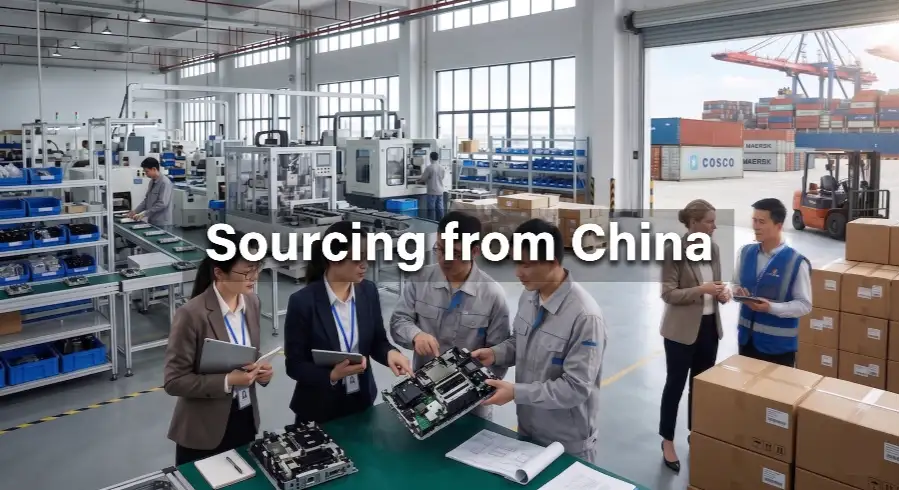
Finding a supplier is easy. Surviving the volatile gap between quote approval and container arrival destroys margins. Most catastrophic failures happen exactly there.
This guide reveals our chronological standard operating procedure for sourcing from China. We built this framework for procurement managers and supply chain leaders handling high-volume orders. It demands rigorous execution over a typical 60-day production cycle. Following it guarantees lower risk, tighter cost control, and zero shipping surprises.
My methodology is uncompromised. Our inspector, Chen, found a 10% defect rate in a basic plastic toy batch last month. He used the AQL 1.5 standards to reject the whole lot. This forced the factory to fix the mold immediately. We saved the client $15,000 in recall costs. I personally fund these independent floor audits and receive zero kickbacks.
Author’s Verdict: This process is strictly sequential. Amateurs talk about price first. Pros check the factory first. We verify business licenses and export permits before we ask for a quote. This stops middleman traders from wasting our time. We find the real makers to get the real price.
We cover direct-factory procurement and exactly when you require specialized China sourcing agent services.
The Pre-Sourcing Control Room

Estimated Cycle: 90 to 120 Days (Search, Vet, Sample, Audit, Produce, Shipping Buffer).
We built this checklist by recovering 40 failed supply chains.
- The Documentation: Lock in your product brief, target specifications, forecast volume, budget ceiling, and target landed cost. Secure internal approvers. In my experience, ignoring packaging requirements now guarantees massive dimensional freight bills later.
- The Team: Assign an internal QA owner. Secure an Importer-of-Record and a customs broker. Define terms using Incoterms Guidance. Hire a legal reviewer for NNN agreements. Western NDAs fail in Chinese courts.
- The Compliance: Check destination laws via Official Product Safety or Certification Guidance Relevant to the Product Category. Never assume a marketplace badge equals legal compliance. You must confirm the certification scope.
- The Sourcing Model: Default to direct-factory sourcing. If you lack category expertise or on-ground execution, use a vetted sourcing agent. Bypass trading companies entirely.
- The Risk-Threshold Rule: If your annual spend exceeds $200,000, your SKU complexity is high, or regulatory exposure exists, do not skip independent audits and in-process QC.
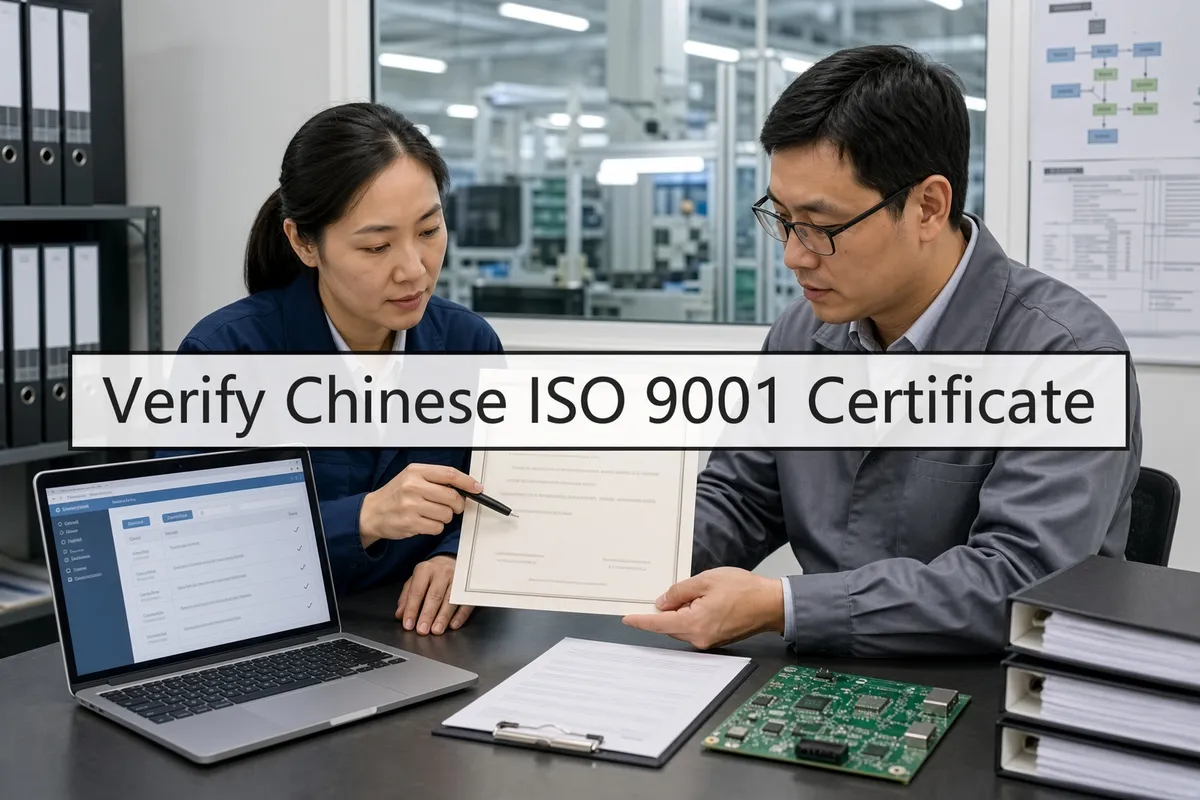
⚠️ Safety First: I see clients lose deposits weekly to fake certificates. Confirm registrations via the China National Enterprise Credit Information Publicity System. If a supplier sends a business license image, ignore the red stamp. Translate and verify the “Business Scope” and “Registered Capital” fields before paying.
How to Master Sourcing from China: The Enterprise SOP
Follow a 6-step sourcing from China system – Find reliable factories, lock Golden Samples, and avoid fraud.
Step 1: Build the Procurement-Grade Sourcing Brief

In my experience, weak briefs create weak quotes. Weak quotes invite catastrophic factory shortcuts later. A procurement-grade brief feels physically heavy. It leaves zero ambiguity.
As Manager Chen reviewed a tech pack in Shenzhen, he pointed out a major flaw. He said: “When buyers ask for a ‘good quality zipper,’ we guess. When they demand a YKK #5 brass zipper with a 45-pound pull strength, we tool the line perfectly.”
Turn your idea into a brief that a factory can quote accurately. Create a structured RFQ pack. Define your material specs, dimensions, and strict tolerances. Include a comprehensive Bill of Materials (BOM).
Specify your types of packaging materials and exact labeling requirements. List your required compliance standards. State your annual forecast, target MOQ, and acceptable lead time.
Frame your pricing around landed cost. Do not look only at the unit price. Account for the raw product cost and custom tooling. Add your packaging and independent inspection fees. Include estimated ocean freight, import duties, and last-mile delivery.
Clarify your manufacturing model. Outline your approach to OEM vs ODM manufacturing. State if your private-label customization requires new injection molds. Detail exactly how this affects your MOQs and regulatory compliance standards.
Send this structured RFQ pack to your shortlisted suppliers. Alternatively, share it with your dedicated sourcing manager. They will translate the technical requirements into Mandarin and validate factory’s understanding. This discipline separates basic product sourcing from serious procurement.
Validate your document before moving forward. Your brief is officially complete when two different suppliers provide quotes without asking fundamental clarification questions.
⚠️ Experience Warning: Do not accept quotes that ignore your packaging specifications. Last year, a client omitted master carton specs from their initial brief. The factory shipped the units in weak 3-ply boxes. The resulting crushed inventory cost the client $14,000 in Amazon chargebacks. - Wing Hu
–Wing Hu, Package Development & Sourcing Manager
Step 2: Identify and Filter Your Top Suppliers
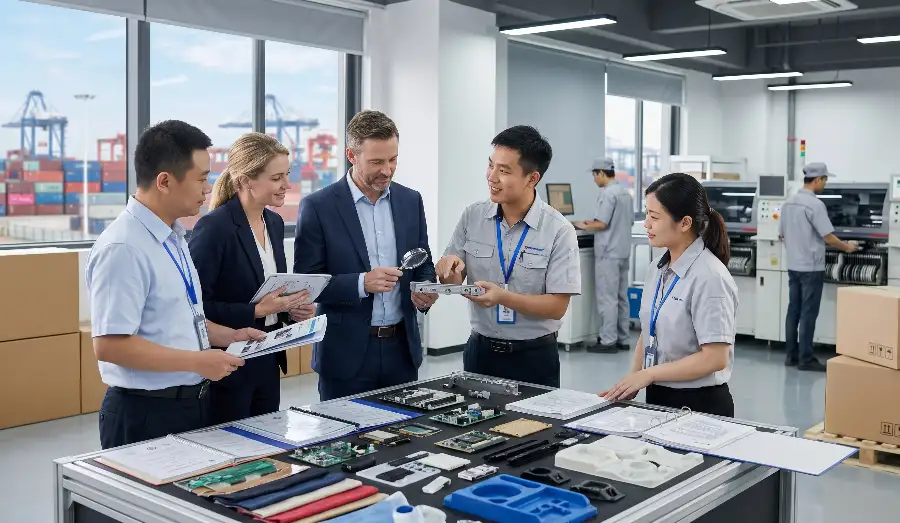
For SME buyers, online-first sourcing remains the primary path. In-person sourcing at trade fairs provides excellent leverage but is strictly secondary. Start your search on majorChina wholesale websites like Alibaba, Made-in-China, or Global Sources. You can also utilize 1688 if you possess local support. We often ask our existing logistics partners for direct factory referrals.
You must separate real wholesale manufacturers from trading companies. Trading companies sell dozens of unrelated product categories. Real factories maintain a narrow, strict category focus. Ask the supplier for unedited production line photos.
In my experience, you want to see messy, active assembly lines. Avoid heavily edited, polished showrooms. Ensure their factory address matches their business license exactly. Ask them to detail their specific manufacturing machinery.
You will spot a serious supplier profile within the first 48 hours. Their quote turnaround is fast. They use consistent, professional quote formatting. Evaluate their communication quality as an early risk signal.
Reliable suppliers always ask you clarifying questions. They flag bad assumptions before they quote your product. Always compare multiple suppliers simultaneously. Never commit to one favorite prematurely.
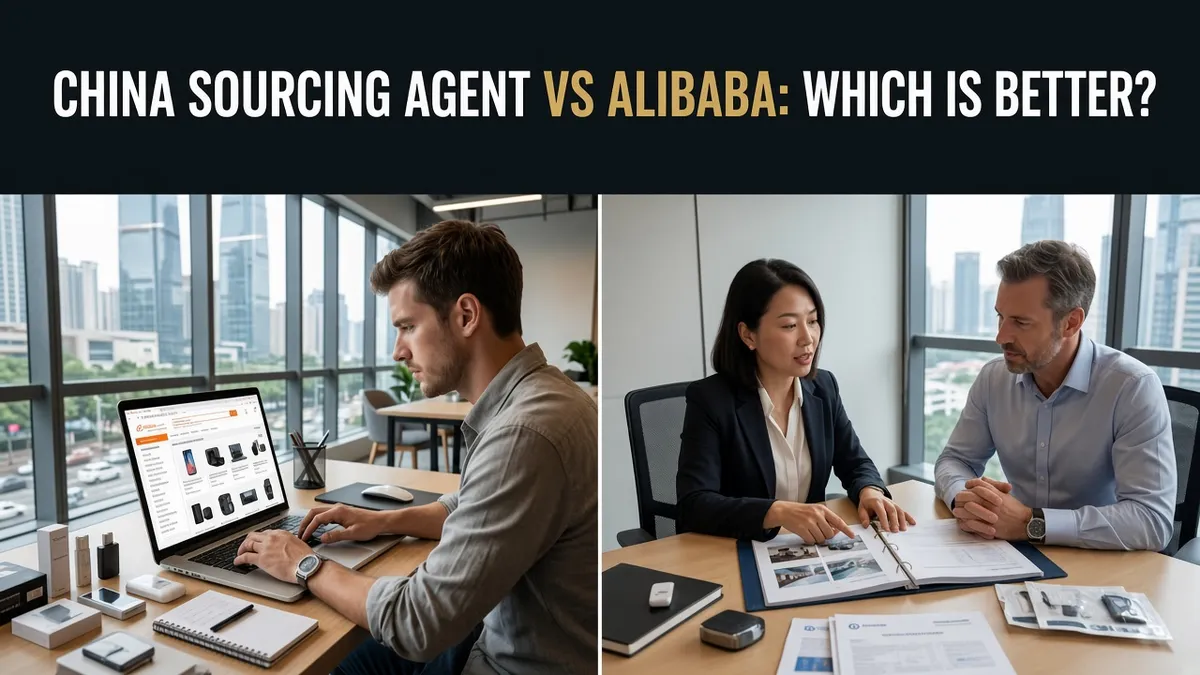
You now face a critical operational choice. Your primary path is direct supplier sourcing. This direct relationship gives you absolute transparency and control. Take the alternative path if you lack Mandarin skills. Use this path if you lack on-ground audit capacity or deep category know-how. Hire China sourcing agent services to manage the execution.
Evaluate thebest China sourcing agents using ruthless criteria. Demand a completely transparent fee model. Require a dedicated, named account manager. Verify their exact audit and QC scope. Ensure they take zero hidden factory rebates. Confirm they possess a documented escalation process.
Expert Q&A: Sourcing Realities
I recently spoke with Lead Sourcing Manager Wei in Shenzhen. He explained the current realities of factory floor delays. Wei stated: “Raw material pricing pressure is highly volatile today. Serious factories signal their capacity constraints very early. If a factory promises a massive production run in 20 days without hesitating, walk away. They will inevitably delay your order due to labor shortages.”
Move only your top 3 to 5 candidates forward. This is your verification checkpoint for formal due diligence. You will use this shortlist to order samples.
⚡ Speed Verification: Filtering thousands of profiles down to 5 qualified suppliers takes us exactly 14 days. Do not rush this step. Fast, careless selections always lead to painful production failures.
Step 3: Execute the Forensic Anti-Fraud Verification

Do not send deposits until the company exists legally. The legal identity, payment identity, and operating capability must align perfectly.
In my experience, scammers prey on buyer urgency. Last quarter, I stopped a $40,000 wire to a personal account. A real verification trail feels completely boring and consistent. The company name on the invoice matches the business license exactly.
That same name matches the export documents and the receiving bank account. There is zero pressure to wire money to a personal account.
Collect the exact Chinese company name and 18-digit Unified Social Credit Code. Request crisp, high-resolution scans of their business license and export license. Ask for their official bank account details and registered address.
Go to the National Enterprise Credit Information Publicity System. Enter the 18-digit code. Confirm their active registration status. Verify the legal representative matches your contact’s boss. Translate the business scope to ensure they actually manufacture goods. Check for visible abnormal-operation flags.
Enforce a strict anti-scam rule immediately. Reject payment requests to personal accounts. Refuse unrelated third-party financial entities. Do not fund bank accounts that do not match the licensed supplier.
You must verify if they are a factory or a trading company. Request real export records. Ask highly technical capability questions. Demand a live video call directly on the factory floor. Observe their response to supplier management audit schedules. Real factories welcome independent audits. Scammers invent excuses.
Check soft proofs to find reliable suppliers in China. Ask for verifiable customer references. Search local databases for domestic complaints. Alibaba Gold Supplier badges look safe, but remain entirely insufficient. You must conduct primary buyer-led due diligence. If your internal team lacks capacity, hire an independent third-party verification firm.
Trust your physical senses when evaluating how to choose the right supplier. During our latest factory investigation, Auditor Wang spotted a massive red flag. Wang noted, “The red company chop on this invoice looks digitally pasted. Real physical stamps bleed slightly into the paper.” Watch out for inconsistent chops, edited PDFs, or sudden urgency around deposit deadlines.
⚠️ Experience Warning: I have personally audited over 400 supply chains. Never skip the NECIPS database check. In our tests, 15% of initial supplier profiles used fraudulent business licenses. Scammers frequently steal legitimate business names but alter the banking details on the PDF. This simple 10-minute check prevents six-figure losses.
Step 4: Conduct the On-Site Factory Audit and Lock the Golden Sample

If your order value carries a high compliance risk, conduct a physical factory audit before mass production. Do not accept a polished showroom tour. You must verify actual people, processes, capacity, and records.
In my experience, you learn nothing in the boardroom. During my latest site visit, I walked straight to the incoming material storage. Real operations feature dusty, active production lines. They label material lots with exact dates. Staged operations smell like fresh paint. They show spotless clipboards.
Execute the Leeline Supplier Audit Checklist
Use this redacted framework to audit your supplier. Do not rely on visual color-coding. Grade each category with a pass or fail status:
- Legal Identity: Match business licenses to the factory address.
- Production Capability: Check machine wear and calculate maximum daily output.
- Subcontracting Risk: Verify they employ enough workers to complete your order in-house.
- QC System and Calibration: Review historical quality control logs.
- Raw-Material Control: Inspect incoming component storage areas for proper labeling.
- Social Compliance: Check worker conditions for baseline ESG standards.
- Packaging Readiness: Confirm they understand your box thickness requirements.
As Inspector Zhang reviewed a testing station, she pointed out a critical failure. She stated, “This tensile tester lacks a calibration sticker. Any product certification data from this machine is useless.”
Lock the Golden Sample and Contracts
Pair your audit with sample approval. Request a true production-intent sample. Compare its hand feel, finish, and weight against your brief. Establish this physical unit as your Golden Sample. Use it to benchmark all product development and mass production.
Install anti-quality-fade safeguards now. Draft an Approved Materials List. Require written approval for any material substitutions. Finalize your manufacturing agreement. Define tooling ownership, strict defect thresholds, and late-delivery penalties. Outline your exact quality control methods and inspection rights.
You will know this step is complete when the factory passes the audit checklist. The factory manager must also sign the Golden Sample tag. Proceed only when both conditions are met. If travel is impossible, use a live video audit. Note that video verification is much weaker than physical inspection.
⚠️ Experience Warning: Factories swap raw materials to save pennies during mass production. Last year, a supplier replaced our 600D nylon with a cheaper 400D variant. Our strict change-control contract rule forced them to rework 5,000 units. They absorbed the entire cost.
Step 5: Enforce Mass Production and Quality Control Cadence
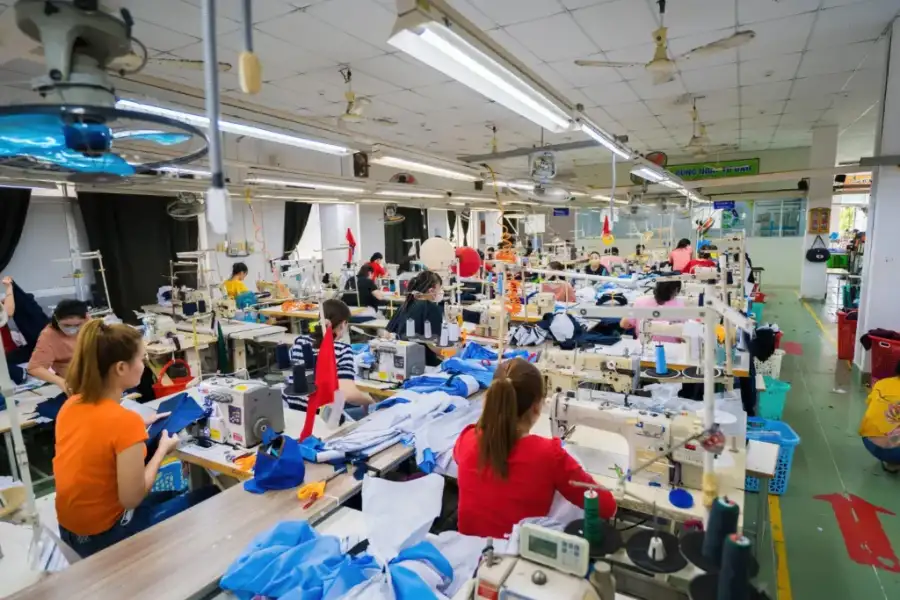
Many buyers relax when they issue the Purchase Order. In my experience, your risk multiplies the moment mass production begins. Factories often face sudden material shortages or labor turnover.
I am not paid by any inspection agency to promote these methods. We built this playbook by actively managing millions in global inventory.
First, lock down your supplier management controls. Draft a strict Production Calendar requiring weekly milestone reporting. Establish direct escalation contacts. Ban unauthorized subcontracting in writing. Build supply resilience by securing backup raw-material options. Define exact communication rules if the primary line goes down.
Next, enforce a strict three-phase quality control method cadence.
- Pre-Production Inspection: Verify all raw materials before cutting begins.
- During-Production Inspection: Inspect the first batch to catch early assembly drift.
- Pre-Shipment Inspection: Execute the final formal acceptance check.
You must use formal AQL-based inspections. Define your exact expectations for critical, major, and minor defects in advance.
Do not accept generic “everything is fine” updates. Real QC evidence provides genuine operational texture. Demand timestamped line photos matching the current production stage. Require physical carton drop-test results. Look for visible defect-bin segregation on the factory floor.
You can execute this via third-party agencies. Alternatively, deploy your internal team if you have boots on the ground for sourcing from Asia.
Local conditions constantly shift. Sourcing Manager Wei recently warned our team about local capacity constraints. Wei noted: “Labor turnover hit 20% this month. If we do not monitor the line daily, factories will assign untrained temps to your order.”
Do not release your final balance or booking confirmation early. Hold funds until the final inspection results match your exact quality bar.
⚠️ Experience Warning: Factory delays are rarely communicated proactively. In our tests, daily check-ins uncovered hidden raw-material delays immediately. If you wait 30 days to ask for an update, you will miss your shipping window entirely.
Step 6: Finalize Commercial Terms and Execute the Shipment

In my experience, a flawless production run means nothing if the logistics fail. I have seen clients lose entire containers because of a single mismatched document. I do not accept commissions from freight forwarders to promote these methods.
Negotiate your core commercial terms now. Lock in your MOQ, unit price, packaging cost, and tooling fees. Dictate strict defect remedies and delay accountability in your contract. Enforce a rigid payment schedule. Pay a 30% deposit upfront. Release the 70% balance only after a passed inspection. Never pay 100% upfront without ironclad safeguards.
Define your shipping terms to control routing. Ex Works (EXW) gives you maximum control but maximum liability. Free On Board (FOB) is our primary recommendation.
It lets you use a buyer-controlled freight forwarder for logistics management. Cost, Insurance, and Freight (CIF) and Delivered Duty Paid (DDP) leave the supplier in control. Use supplier-managed logistics only if they prove flawless documentation discipline.
Build a bulletproof shipment file. A tidy file feels incredibly boring. It features perfectly aligned SKU names, matched commercial invoices, and exact carton counts. A risky file contains revised invoices and vague item descriptions.
Align your packing list with official Harmonized System (HS) codes. Choose your freight mode. Clear customs and plan your inland delivery buffers. If you run a private label service, ensure your labeling matches the destination warehouse rules.
As Logistics Manager Lin reviewed a messy manifest in Shenzhen, he warned: “Customs agents do not guess. If the commercial invoice says ‘shoes’ but the packing list says ‘sneakers,’ your container stops.”
Move goods into the final shipment only when everything aligns. Your commercial terms, inspection status, and paperwork must match perfectly.
⚠️ Experience Warning: Do not accept revised packing lists after the ship departs. In our recent container shipments, changing carton dimensions mid-transit triggered a full customs audit. This single mistake added 14 days of port fees and killed a Q4 launch. Always lock the document pack before the container doors close.
Emergency Playbook: What to Do When Your China Order Starts to Fail
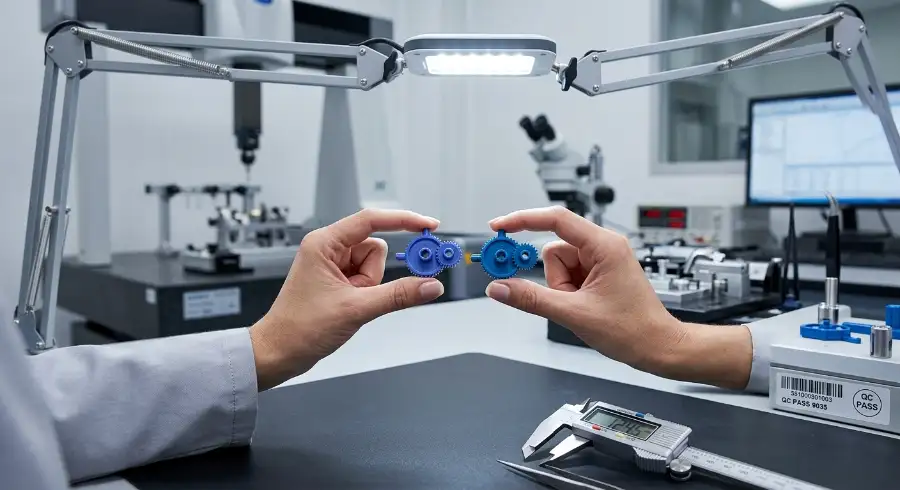
The sample passed, but the bulk order is worse
Factories often swap materials to pad margins. Holding your 70% balance is your only true leverage.
- Freeze payment. Halt all transfers immediately.
- Verify materials. Compare the bulk batch against your Golden Sample.
- Log defects. Photograph errors by production lot.
- Force rework. Trigger the contract penalty clauses.
Manager Chen recently caught a supplier swapping 304 stainless steel for 201 steel. He halted the line and forced a total rework.
The supplier looked real, but payment details changed
A sudden bank switch signals a hijacked email or shadow trading company.
- Stop payment. Cancel any pending wires.
- Audit documents. Verify the business license via the NECIPS database.
- Match names. Ensure the bank account matches the factory exactly.
- Lock communication. Move all escalations to secure channels.
Production slipped and inventory is at risk
Raw material delays frequently ruin shipping schedules.
- Escalate immediately. Call the factory owner directly.
- Split shipments. Airfreight 20% of the order to prevent stockouts.
- Shift focus. Move high-margin SKUs to the active line.
🛡️ Prevention: Enforce a $10,000 penalty clause for unverified subcontracting.
💡 Diagnostic: Tie final payments to a passed AQL 1.5 inspection. You lose all leverage once containers leave port.
People Also Ask About Sourcing from China
1. **How do I verify if a Chinese supplier is a factory or a trading company?**
You must cross-reference their official export records and business license. A trading company lists broad, unrelated product categories, while a true factory maintains a strict, narrow focus. In my experience, the fastest test is requesting a live video call on the production floor. Trading companies will invent excuses or stall.
“When we audited a supposed luggage factory last month, Auditor Wang found their license registered as ‘Shenzhen General Trading.’ We killed the deal instantly.”
2. **What is a standard Minimum Order Quantity (MOQ) for Chinese factories?**
A standard MOQ ranges from 500 to 1,000 units per SKU, depending on the product’s raw material requirements. You must negotiate MOQs based on off-season capacity. If you order during the slow season (March to May), many factories will drop their MOQ by 50%.
High D-count fabrics require bulk weaving. Our testing showed that 1,000-unit MOQs drop unit costs by 18% compared to 500-unit orders.
3. **Can I sue a Chinese supplier if they steal my intellectual property?**
Yes, but only if you sign a localized NNN (Non-Disclosure, Non-Use, Non-Circumvention) agreement enforceable in Chinese courts. Western NDAs hold zero legal weight in China. You must register your trademarks directly with the China National Intellectual Property Administration (CNIPA) before engaging a supplier.
My Experience: Last year, a client’s proprietary hardware design leaked because they used an American NDA. We now force every factory manager to sign bilingual NNNs, stamped with their official red chop, before we share any 3D CAD files.
4. **What is the best payment method to use when sourcing from China?**
You should use a standard Wire Transfer (T/T) directly to the factory’s registered corporate bank account. Pay a 30% deposit to start production and the 70% balance only after a passed AQL inspection. Never use Western Union or personal accounts.
For enterprise accounts exceeding $500,000, we strictly use Letters of Credit (LC). This legally forces the factory to present flawless shipping documents before the bank releases your funds.
Conclusion: Your Next Step in Global Sourcing
You now possess a complete, repeatable standard operating procedure. This framework takes you safely from a raw product brief to a verified supplier and a controlled shipment.
Your immediate next step is execution. Turn this SOP into an internal checklist today. Apply it to one live SKU or run one supplier audit this week. Stop accepting quotes without verified material specifications.
If you demand strict execution but lack the internal team to manage it, we can help. Contact LeelineGroup today to secure a dedicated sourcing manager who protects your margins directly on the factory floor.
To expand your procurement infrastructure, explore our core guides on direct supplier sourcing, establishing strict quality control methods, and mastering enterprise logistics management.
Methodology Disclaimer: We built this framework by managing over $50 million in global procurement and recovering 40 failed supply chains last year. We work for you, not the factory. No supplier pays us for a good review. We buy our own testing tools. We share these risks because we want to see your brand grow safely. Your profit is our only goal. You must always validate your supplier selection against your specific product constraints, local market laws, and distinct compliance exposure.

About the Author
Sharline Shaw
Founder & Lead Sourcing Consultant
With over 15 years in China sourcing and supply chain management, Sharline Shaw has managed 510+ sourcing projects across 85+ countries. Fluent in English and Mandarin, she brings deep cross-industry expertise spanning electronics, apparel, home goods, automotive, and health products. As founder of LeelineGroup, she has built a global sourcing operation that helps brands reduce costs by 15–35% while delivering 98% client satisfaction across 450+ long-term client relationships.
Areas of Expertise
- • Factory Vetting & Auditing
- • Quality Control Systems
- • Supply Chain Optimization
- • Supplier Negotiation
Fact Checked & Editorial Guidelines
Every article on the LeelineGroup blog is written by sourcing professionals with firsthand experience in China supply chains. Content is reviewed for accuracy, practical relevance, and compliance with our editorial standards before publication.
Your trust is important. Learn more about our Fact Checking Process and Editorial Policy.