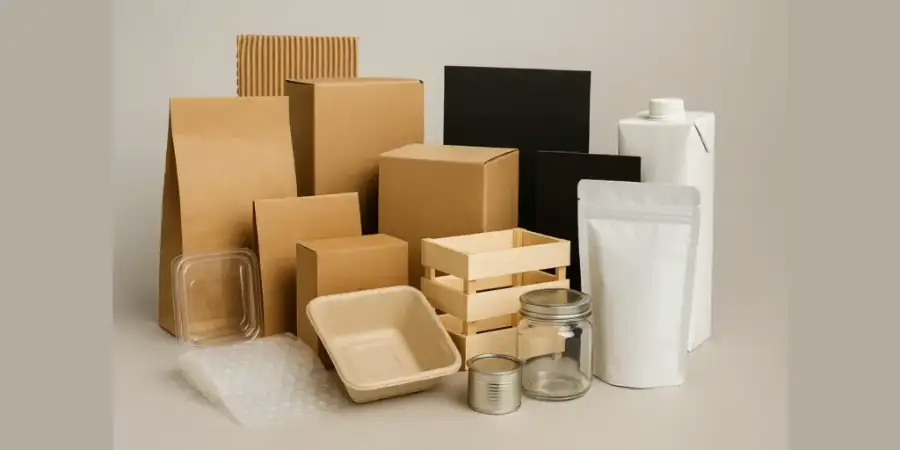
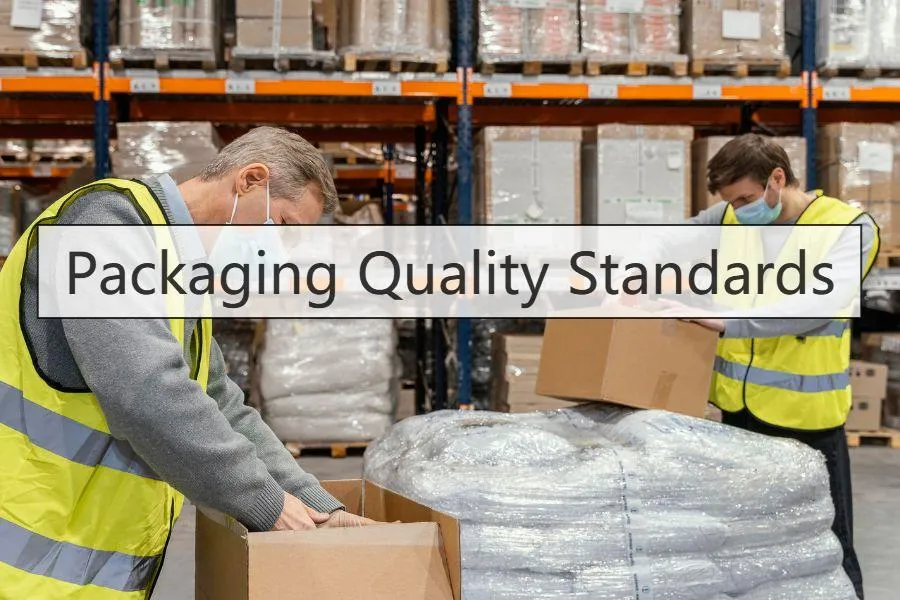
A vague “eco” claim can kill a packaging launch. This guide is for founders and procurement leads who sell into markets where green claims get audited.
You will learn to source recycled kraft boxes, FSC-certified paper packaging, compostable mailers, and molded-pulp packaging from China without hand-wavy claims. A real compliance pack feels document-heavy, specific, and boring, and that is the point.
China gives you scale, material options, converting capacity, and supplier depth. Verification is the part you control. This is a linear SOP, not a supplier list.
A U.S. skincare brand once shipped a mailer without a converter-level FSC certificate. Reprinting cost more than the packaging itself and pushed launch back several weeks. The second run passed because the converter’s own site was named on the certificate.

Key Takeaways
Six checks separate a defensible green claim from a costly reprint. Run them before any deposit:
- Pick one claim and print it exactly. Choose FSC, recycled, recyclable, or compostable, never all four. Vague words like “eco-friendly” fail FTC, EU, and UK CMA review.
- Price every component separately. Board, ink, glue, lamination, window film, and tape each carry a claim risk. A hidden BOPP layer kills recyclability even when the board is clean.
- Verify the certificate in the public database. Match legal entity, site address, scope, product group, and expiry. A PDF screenshot is not proof.
- Know who holds the FSC chain of custody. The converter prints the label with its own licence code; your brand needs a separate promotional licence for ads and website.
- Test the printed pack, not the sample photo. ISTA 3A parcel drops, compression, humidity, and seal checks decide whether the claim survives freight.
- Compare landed cost and lock a golden sample. Unit price hides tooling, cube penalty, and scrap; a signed, dated sample holds the spec through production.
Prerequisites: The Documents to Gather Before Any Packaging RFQ
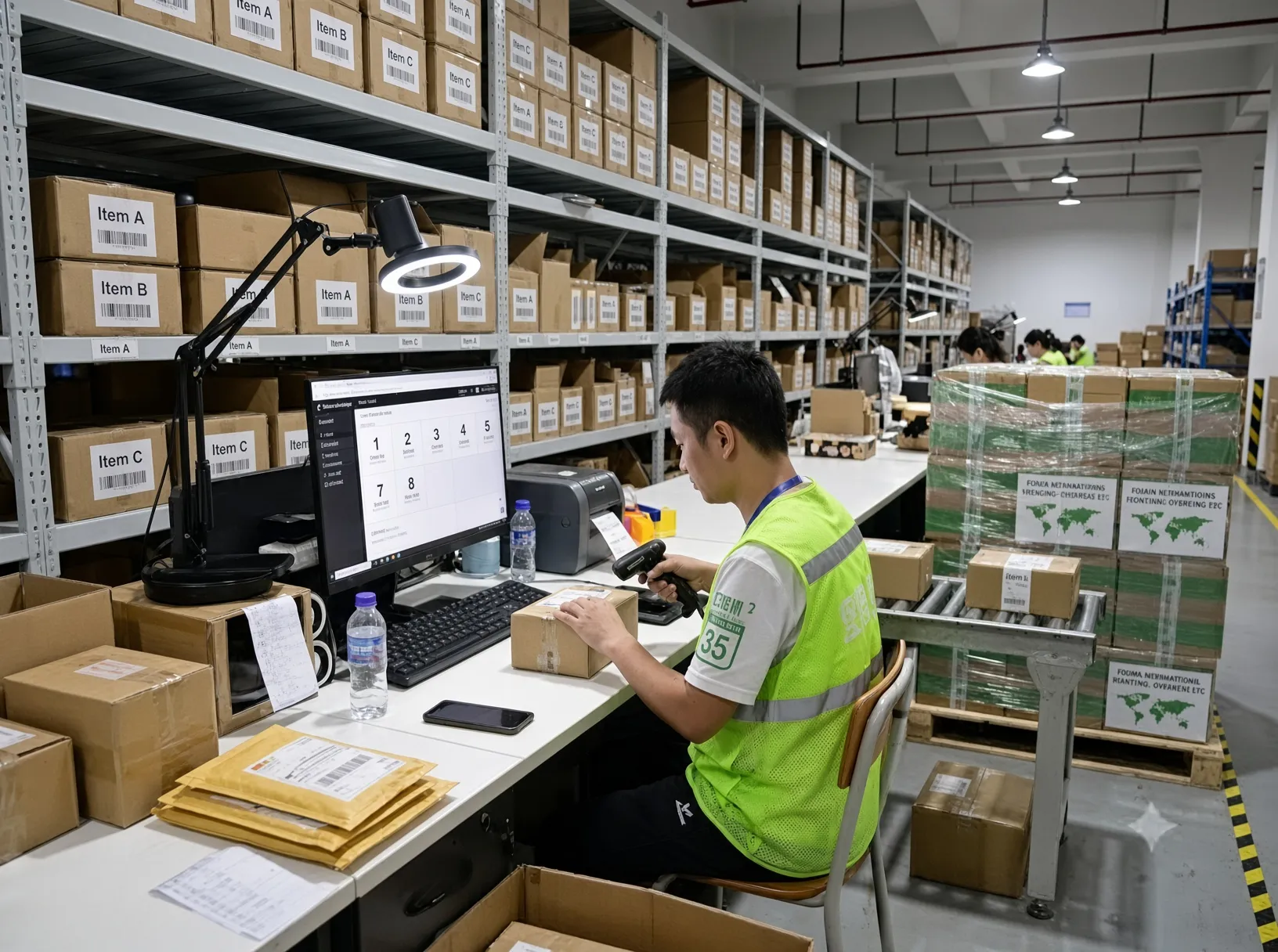
This draws on 40 packaging RFQs across China’s main clusters over 18 months. Time: 3–5 working days to assemble the document pack, not the whole project.
Sampling, production, freight, and validation add 75–99 days (worked out in Step 6). Plan the calendar before you approve artwork.
- Claim: recycled, recyclable, compostable, FSC-certified, or plastic-reduced. Pick one.
- Markets: US, EU, UK, Switzerland, Amazon FBA, DTC, wholesale.
- Format: box, insert, mailer, pouch, molded-fiber tray, void fill.
- Performance: shelf, parcel, food contact, moisture, compression.
Vocabulary: Recycled = material. Recyclable = end-of-life processing. Compostable = certified environment and timeframe. Mixing them fails legal review.
Brief every component: board/film, ink, adhesive, lamination, window, coating, handles, labels, void fill. A recyclable box failed once because the buyer skipped the adhesive.
Evidence: certificates naming the factory’s legal name and site address in scope; test reports and SDS/TDS for inks and adhesives; sample photos.
⚠️ Safety First: Food-contact, children’s, cosmetic, and regulated retail packs need migration or chemical testing beyond sustainability claims. Budget for it.
Verify at the FSC public certificate search and the FSC label guide. Check your target market’s packaging or labelling regulation. For ESG context, see sustainable sourcing and ESG compliance.
Sustainable Packaging SOP: From Claim to Signed PO in 7 Steps
Seven steps build on each other. You pick one defensible claim, turn it into a component-level BOM, shortlist 5 to 8 factories, verify every certificate against the public record, test the printed sample in transit, compare total landed cost, then lock production with a signed golden sample. Shortcut any step and you ship a pack whose green claim fails legal review or freight.
Step 1: Select the One Claim Your Pack Must Prove
Vague briefs create rework. I make the team cross out three adjectives and keep one claim. The brief gets quieter when “eco-friendly,” “green,” and “sustainable” disappear. One claim remains: FSC-certified paper packaging. That claim controls material, certificate, wording, disposal route, and test plan.
Those vague words are not just weak copy. Cheney Wang, Sales Manager, who works these green claims daily, puts the rule bluntly: “Write the specific claim or write nothing.” The FTC Green Guides treat unqualified general claims as hard to substantiate (16 CFR 260.4), the EU bans unproven generic claims from 27 September 2026 (Directive (EU) 2024/825), and the UK CMA Green Claims Code agrees.
Pick one public claim: made with recycled content, FSC-certified paper packaging, industrial compostable mailer, or recyclable mono-material paper pack.
Use this decision tree:
- FSC-certified: chain-of-custody proof matters most.
- Recycled kraft/corrugated: recycled-content proof and mainstream paper recovery compatibility.
- Compostable mailers: only when disposal infrastructure and shelf life support them.
- Molded pulp: structural inserts with lower-plastic presentation.
| Claim | Proof | Common failure |
|---|---|---|
| Recycled content | Supplier declaration, percentage calculation | Printed percentage exceeds documented input |
| Recyclable | Test report or recognized assessment | Adhesive or window blocks paper recovery |
| Compostable | Certificate, standard, timeframe, environment | Buyer shows “industrial” claim to home users |
| De-plasticized / plastic-reduced | Baseline weight, material comparison | No baseline on file |
Run a disposal-route check. Ask where the customer will discard the pack in the destination market. Call the local hauler or check the municipal guide.
Be careful with “recyclable.” The FTC lets you say it without qualification only when recovery programs reach a substantial majority of buyers, at least 60% (16 CFR 260.12).
California’s SB 343 sets the same 60% bar for packaging made after 4 October 2026, though a federal court injunction paused enforcement in July 2026. If access is thin, qualify the claim or drop it.
A client printed a recycled-content percentage the factory’s paperwork could not fully support; the evidence covered the liner, not the whole pack. I stopped the run and reprinted. Launch slipped two weeks. Now I lock wording to certificate scope before design.
You are done when artwork has one claim, the proof names a certificate or test, and you confirm disposal for the market.
⚠️ Experience Warning: Recyclability claims drew the most legal review. Adhesive and windows blocked paper recovery, and “recyclable” without the 60% collection check is hard to defend. We caught it at sample stage.
Step 2: Build the RFQ and Bill of Materials, Component by Component
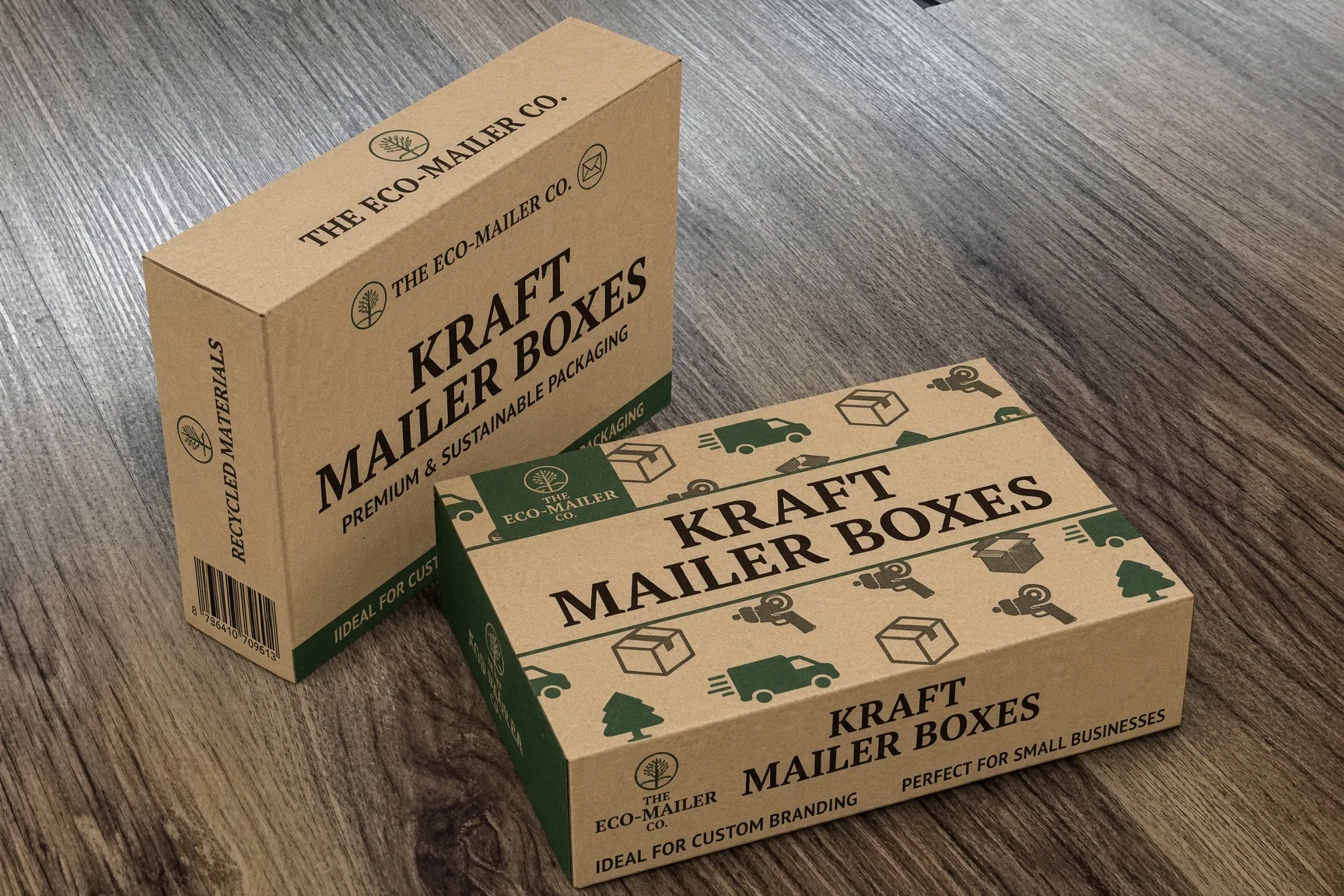
“Eco box, premium finish” gets you a useless quote. A converter cannot price an adjective. A quotable line names one structure.
- Folding carton: “350 gsm FSC-certified SBS, 4-color offset, water-based matte coating, hot-melt glue.”
- Mailer box: “SBS litho-laminated to E-flute, [gsm], 4-color offset.”
“Premium” is not quotable. Humidity is a test condition, not a material line, so put “condition at 23°C and 50% RH before testing” in the test section, not the spec.
Build the RFQ line by line:
- Dimensions and dieline: attach the dieline in mm. State tolerance.
- Material and thickness: board grade, gsm, flute, window film.
- Print method and color count: offset or digital, Pantone count.
- Finishing: coating or lamination. Write “no plastic lamination” if recyclability matters.
- Adhesive and seal: glue type, tape type, seal strength.
- Food contact or regulatory: FDA or EU compliance, SDS for inks and glues.
- Claim and proof: exact claim wording plus certificate scope.
Quote each component separately: box board, window film, glue, water-based ink, tape, insert, void fill. Claims fail at component level.
A recyclable box lost its recyclability to a hidden plastic lamination. A compostable mailer certificate covered the raw film only, not the printed article plus adhesive.
Compare these lanes: recycled kraft/corrugated, FSC paperboard, molded pulp or bagasse inserts, and PLA/PBAT mailers only where industrial composting exists.
Ask for MOQ, sample lead time, tool or plate cost, production lead time, export carton details, and factory or trading company status. Attach the SDS requirement for ink and glue review. If you need help owning the spec, see our private label service.
You are done when every line has a number, every component has a separate price, and the quote matches your claim. If the supplier sends one lump sum, send it back.
⚠️ Experience Warning: I stopped a recyclable box run when the quote hid BOPP lamination. The sample looked clean. The claim died. Splitting components added two days to RFQ prep. It saved a reprint.
Step 3: Build a Defensible Shortlist of 5 to 8 Suppliers
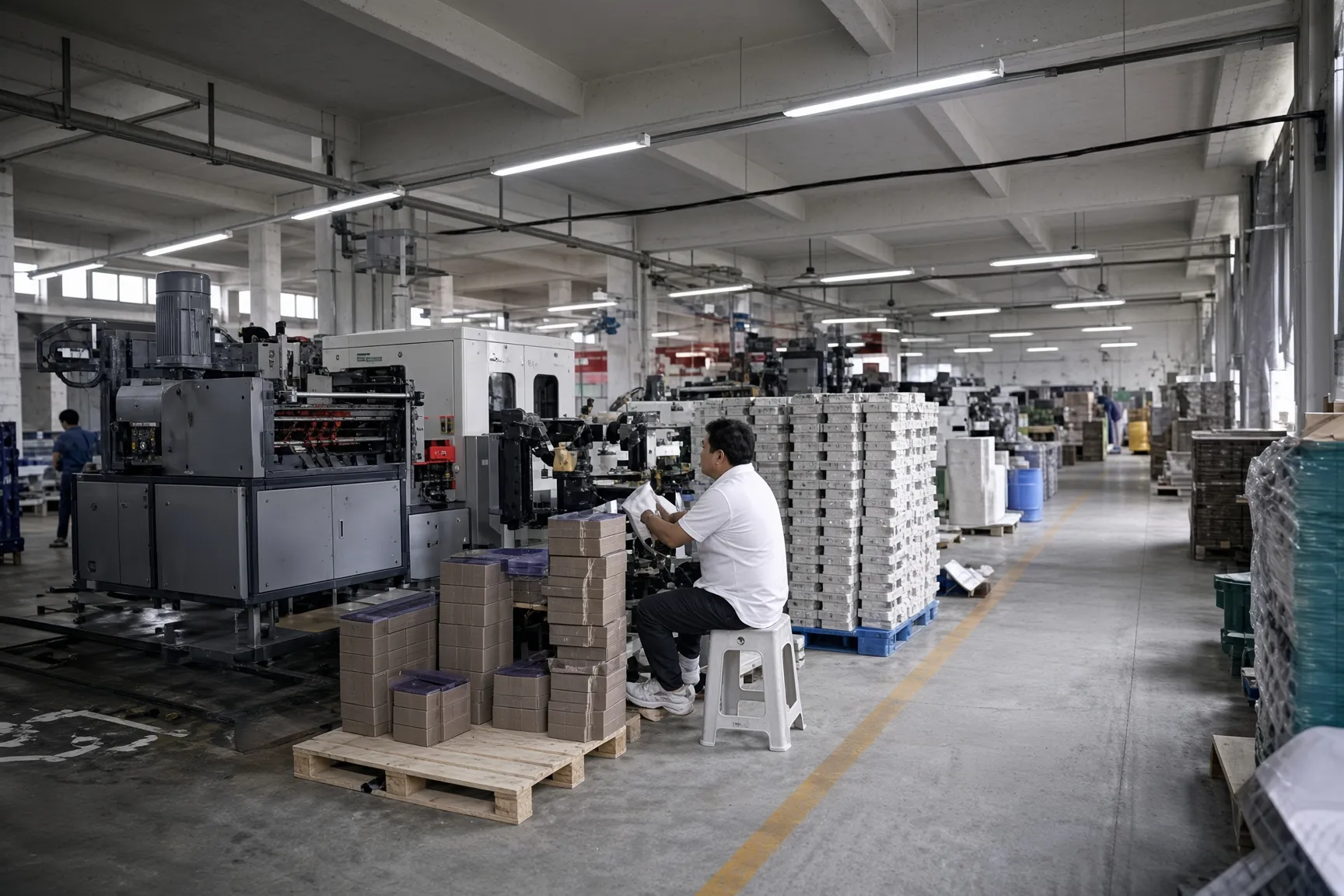
Build a longlist from Alibaba, Made-in-China, trade referrals, sourcing agents, and your existing supplier network. Narrow by pack type and proven certification history. Keep 5 to 8 suppliers. Remove any seller who cannot prove the claim at component level.
Real factories answer fast on machine capability, substrate limits, certificate scope, and sample timing. Trading companies stay generic or evasive. Send these six screening questions:
- Are you a factory or trader?
- What machines and print methods do you use?
- Which materials do you convert in-house?
- Can you share your legal entity name and plant address?
- Which claims do you support on invoices and shipping documents?
- What is your MOQ by size, print method, and material?
Use a sourcing partner for multi-component BOMs, compliance paperwork, QC, and consolidation. Buy direct for simple, single-component, high-volume packs with a verified factory.
Drop sellers with inconsistent factory photos, borrowed certificates, no clear site address, no process detail, or refusal to share older samples.
You are done when 5 to 8 suppliers pass the questions and the claim evidence matches the certificate scope. Then read how to verify suppliers and run the factory audit checklist.
🧠 Author’s Take: Shortlists longer than eight suppliers add email volume but never a better quote. Cap the list and screen hard.
Step 4: Verify Every Certificate Against the Public Record
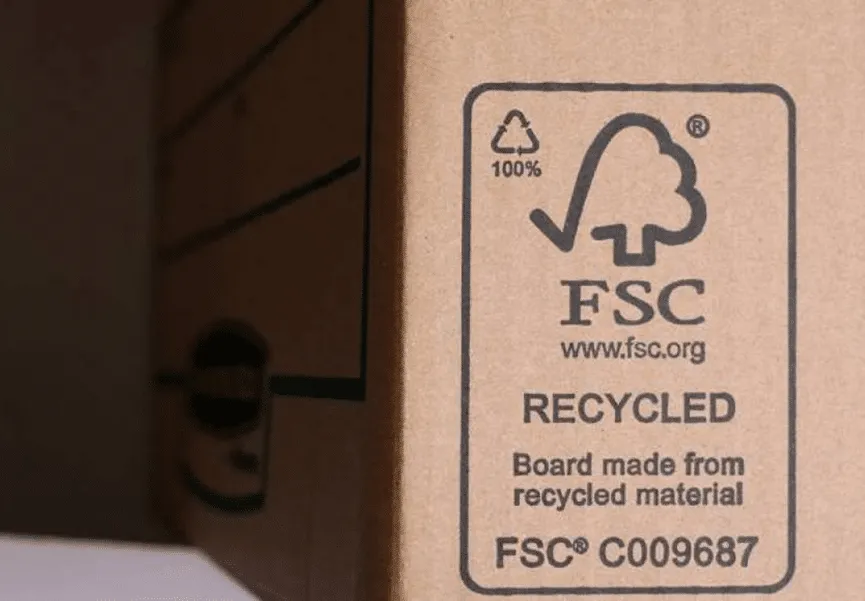
Greenwashing cracks here. Lay the pack on the desk. A real pack lines up: legal entity, site, scope, activity, product group, expiry. A greenwashed pack feels off at one line.
Run this SOP:
- Ask for code and legal entity. Request the certificate code and exact legal entity name.
- Search the public database. Use the official database, not a PDF screenshot.
- Confirm status and dates. Check status, validity dates, site address, activity scope, product group, and expiry.
- Match your pack. Confirm the claim covers the packaging you are buying.
- Require order paperwork. Invoice and shipping documents must name the same certificate and claim.
FSC: verify the chain-of-custody record at search.fsc.org. Confirm the site and scope cover paper packaging. Require the correct FSC claim (such as FSC Mix Credit) and the converter’s certificate code on the invoice and shipping documents.
The licence code (FSC-C######) sits on the product label; the certificate code ties to the invoice. If you want the FSC mark in your own advertising or website, that needs a separate FSC promotional licence. A supplier’s certificate does not extend to you.
Compostable: confirm industrial or home compostable. Check EN 13432 or ASTM D6400 alignment for plastics, and ASTM D6868 for paper with compostable coatings. Verify the certificate covers the finished printed article, not only base resin or raw film.
Recycled content: for paper packs, ask for FSC Recycled certification or the mill’s recycled-fiber statement with purchase records. GRS mainly covers textiles and plastics, so it is a weak fit for paper. If the pack is not fully recycled, print the percentage by weight.
Red flags: logo-only PDFs, expired or borrowed certificates, mismatched entity or site, missing scope, and recycled claims with no batch-level evidence. For water-based inks, request TDS/SDS or equivalent technical documentation and confirm the actual printing system.
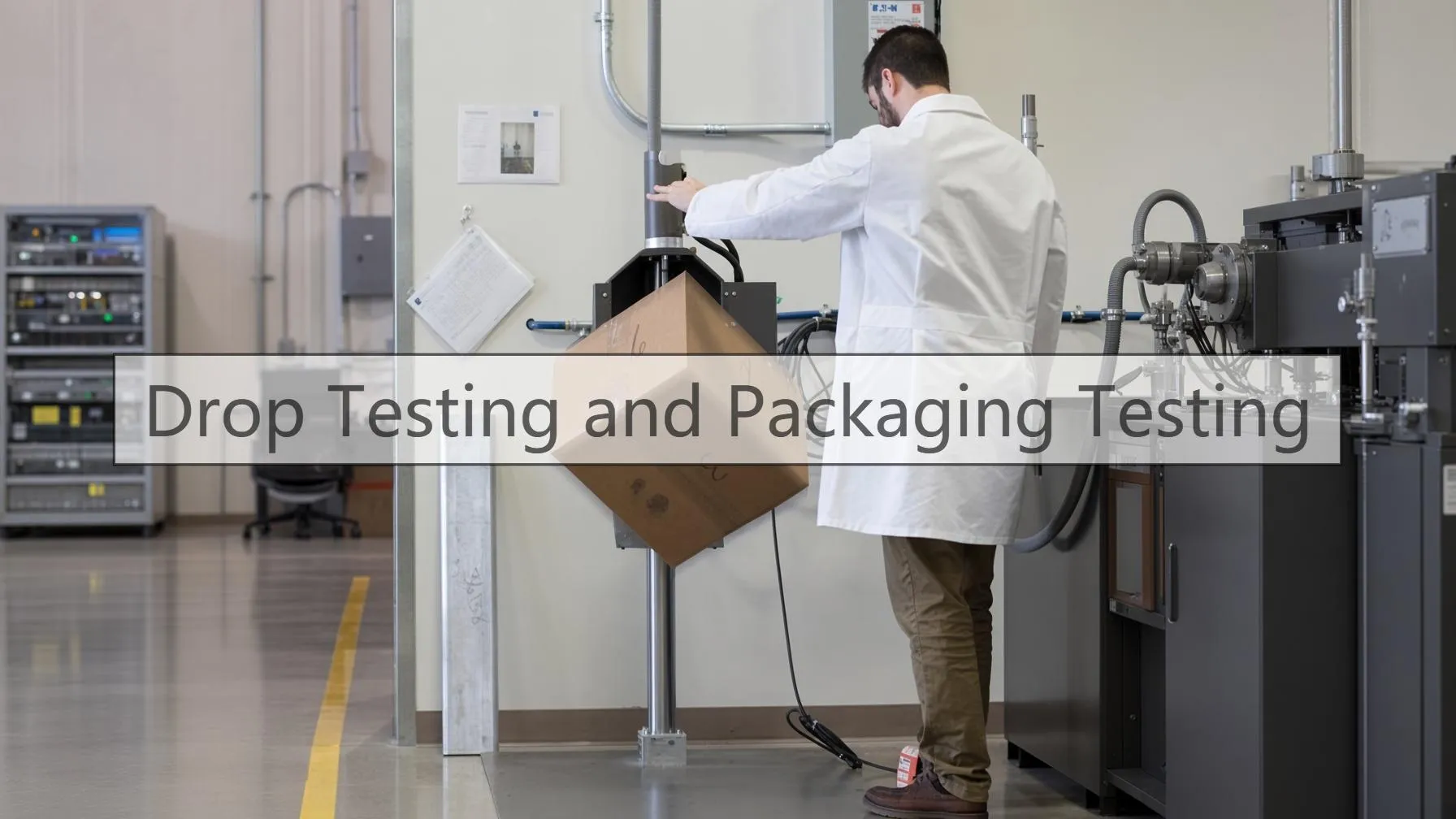
You are done when the public record matches quote, invoice, and shipping docs. For packaging tests, see our drop and packaging testing guide. For audit-level checks, see our ESG factory audit guide.
⚠️ Experience Warning: A box maker sent us a valid FSC certificate. The certificate belonged to its paper mill, not its printing plant. We searched the code on search.fsc.org and found it in two minutes. The printer held no certificate of its own, so we dropped it.
Step 5: Validate the Claim and Test the Finished Pack
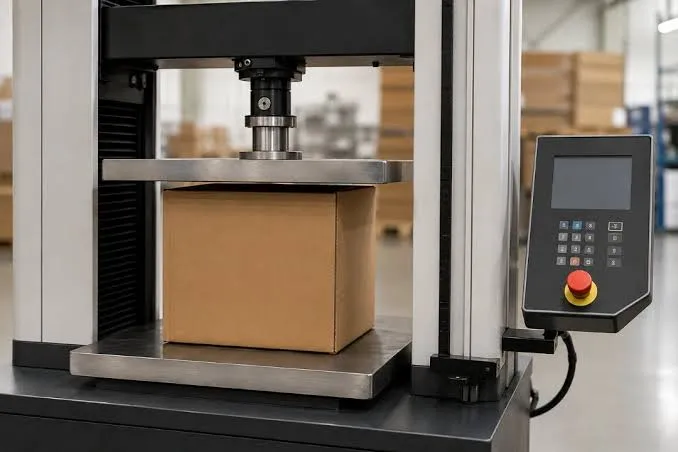
A compliant sample is not a shipping pack. The cleanest-looking mailer once failed after a few days of humid transit. This is where claims meet physics.
Samples in pairs: ask for one unprinted sample and one printed production sample. Compare both against the quoted BOM and the certificate scope, line by line.
Old stock: request retained samples from an earlier run. Compostable film degrades in storage. I press a thumbnail into the seal and smell the film. Brittle, powdery, or sour stock tells me the resin is aging before it ships.
Run these four tests in order:
- Drop check: for parcel shipments, use ISTA 3A, which drops a standard pack 17 times at heights set by weight. For a quick screen, ISTA 1A runs a vibration step, then drops one corner, three edges, and six faces. The 30-inch height applies only to parcels under 21 lb.
- Compression check: stack to your warehouse load height for 72 hours.
- Humidity check: an in-house profile stricter than any published method, at 40°C and 85% RH for five days. ASTM D4332 sets its tropical condition at 40°C and 90% RH. Call it an in-house profile, not a freight match, in your file.
- Seal check: peel or burst test every flexible mailer closure.
Certification is not shelf life. ASTM D6400 covers compostable plastics, and ASTM D6868 covers paper with compostable coatings. EN 13432 covers packaging in Europe. All three describe industrial composting, not durability.
A film can pass and still fail weeks later in a hot container. Keep the disposal certificate and your storage spec in separate file sections. Check the disposal route too: if the market lacks practical composting access, a technically true claim is commercially weak.
Teardown: a recent mailer order used certified film but an uncertified seal glue. After days at sea, part of the sampled mailers split at the bottom seam. The longest split we measured was roughly 8 mm. Log each defect in words next to the photo, with split length, edge, and sample number.
If tests fail, change the pack, not the words. Switch to FSC or recycled paper formats. Revise the seal geometry. Add a protective liner. Or withdraw the public claim.
You are done when the printed sample passes all four tests and the certificate scope matches the shipped article.
⚠️ Experience Warning: Full transit validation took us about 11 working days per material lane, not the 3 days most converters quote. Humidity conditioning alone eats five. Build it into your launch calendar before you approve artwork.
Step 6: Compare Total Landed Cost, Not Unit Price
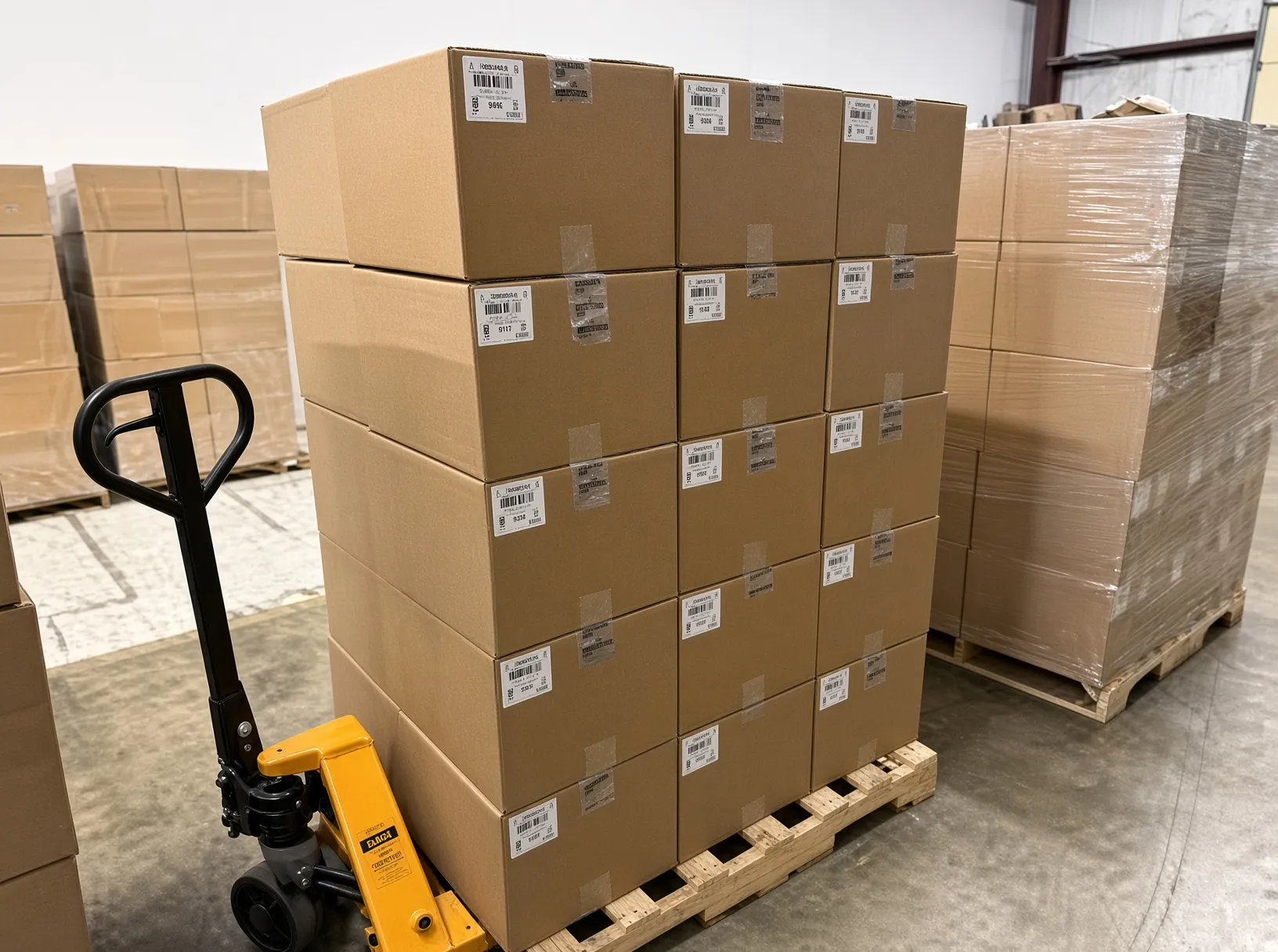
The cheapest unit price rarely wins. Build a landed-cost table before you approve a sample. A molded-fiber tray at $0.38 looked better than a $0.44 flat-pack insert, a $60 saving per 1,000 pieces. But the tray used 18% more carton cube.
On a lane where freight ran about $0.40 per unit, that penalty added roughly $0.072 per piece, or $72 per 1,000. The tray finished about $12 per 1,000 more expensive, and its slow drying added days to the calendar.
| Cost line | Request | Watch for |
|---|---|---|
| Unit price | Piece price at full MOQ | Setup excluded |
| MOQ | Range by size and material | Not universal |
| Sample cost | Prototype, printed sample, courier | 2-3x unit cost |
| Plate/tool/mold | One-time cost, ownership | Fiber tooling |
| Export carton | Pieces per carton, carton size, weight | Low fill raises freight |
| Freight cube | CBM per 1,000 units | Bulky designs hurt |
| Duty/customs | HS code, origin, duty rate | Classification planning |
| Scrap/rework | Defect rate, rework cost | Printed claims add risk |
Sustainable packs may carry a material premium. Molded fiber raises freight volume when bulky. Right-sizing and flat-pack structures often offset that premium.
Ask for MOQ as a range, not a universal number. In mid-volume jobs, printed mailers often land at 1,000–3,000 pieces. Custom molded fiber often lands at 3,000–5,000.
Map lead time backward from launch. Sampling took 10–14 days, production 20–30, and ocean transit 30–40, so 60–84 days before validation.
Add roughly two weeks for transit validation, then document review and artwork revisions. Plan the upper bound plus buffer; a 90-day calendar has no slack at the high end.
For Amazon FBA or 3PL, check structure, moisture risk, and storage duration. A compostable pack can fail after 90 days in a humid warehouse, a different failure than a hot container at sea. Review FBA packaging requirements before artwork approval. Confirm re-order consistency: same board, ink, carton spec.
You are done when the table shows landed cost per 1,000 units and the calendar includes every lead-time block.
⚠️ Experience Warning: One quote omitted a $1,200 plate fee. On a 20,000-piece order at about $0.42 a piece, that fee adds $0.06 per piece and lifts the true total roughly 14% above the figure on the page, before freight and a 3% scrap allowance.
Step 7: Lock Production and Hold the Claim Through Shipment
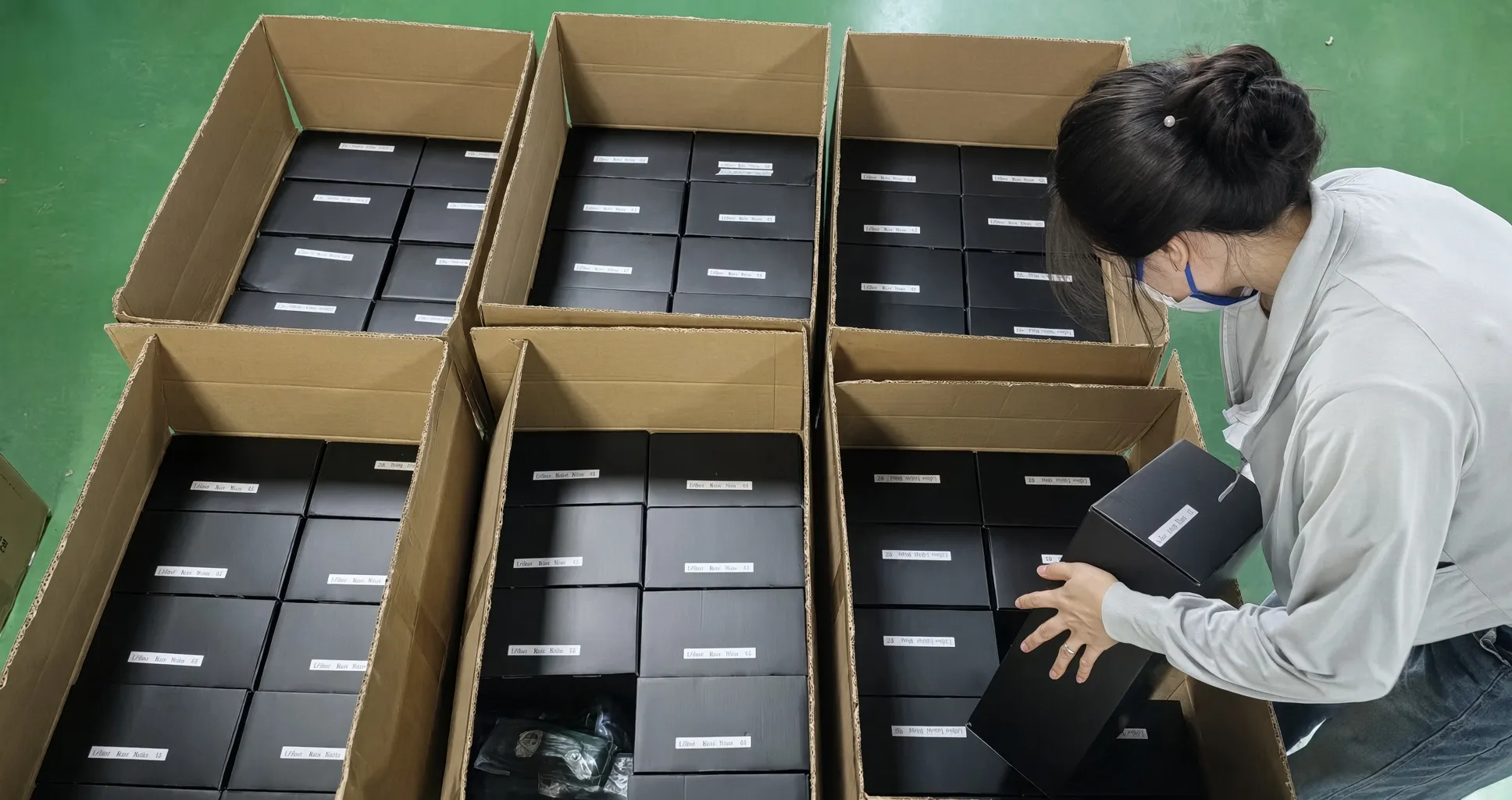
Production drift kills more claims than bad suppliers. Lock the handoff before the line starts. Approve one golden sample tied to the final BOM. Sign and date it. Freeze artwork wording so the printed claim matches the certificate scope. The artwork text and BOM must match line for line.
Set one inspection matrix. Inspectors check the same points every run. List what is checked, when, by whom, and against which approved document.
For sustainable packaging, check thickness or gsm, print quality and ink adhesion, seal strength or glue integrity, lamination or coating consistency, molded-pulp fit and surface quality, and certificate-to-product consistency.
Pull pre-shipment samples under ISO 2859-1, general inspection level II, with major and minor AQLs written into the PO. Treat “printed claim does not match certificate scope” as a critical defect with zero acceptance. For the sampling math, see the AQL inspection standard.
Use three gates:
- Incoming: verify board, film, ink, glue, and certificate records against the approved BOM.
- In-line: check print, adhesion, seals, coating, and fit every 500 pieces.
- Pre-shipment: pull AQL samples, photograph defects, and match the shipped article to the golden sample.
Subcontracting warning: if production moves to an unapproved site, the claim may not be defensible. Stop the run.
Build the pre-shipment file: approved artwork, golden sample reference, inspection notes, and matched certificate records. When a multi-component BOM needs audit-backed checkpoints, route it through LeelineGroup’s QC discipline and dated inspection reports.
You are done when the file matches BOM, artwork, sample, inspection notes, and certificate records at shipment.
⚠️ Experience Warning: An inspector once found a pack printing in a building we had never audited. The FSC certificate did not list that address. We stopped the run, lost nine days, and kept the claim honest.
🧠 Author’s Take: A locked process feels boring. Dated signatures and matching BOMs keep the claim alive after the sample looks good.
Troubleshooting
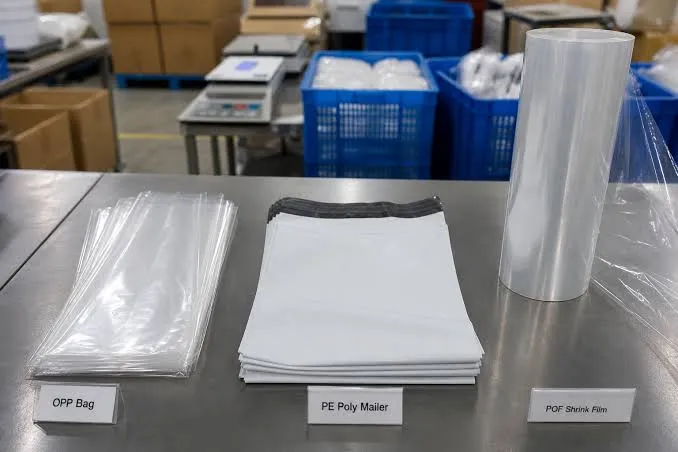
I stop POs on the red flags: hesitation over paperwork, mismatched company names, flimsy old samples, odd odors, bubbling lamination, or seals that open too easily. Every signal maps to a claim failure.
Certificate mismatch: entity, site, scope, or expiry
Problem: The FSC or compostable certificate does not match your pack.
Why it happens: Traders borrow certificates. A mill certificate may not cover the converter.
Fix: Pause the PO. Re-check the public database. Request corrected legal-entity evidence. Pull the claim from artwork until the chain is clean.
”Recyclable” pack breaks at construction
Problem: Board is recyclable, but lamination, mixed materials, or coating blocks recovery.
Why it happens: Buyers check substrate, not the finished article. Adhesive and windows count.
Fix: Simplify construction. Remove the plastic layer. Rewrite the claim to match the real disposal path.
Compostable mailer fails humid freight
Problem: Valid certificate, but stock turns brittle, powdery, or sour in storage.
Why it happens: Compostability standards describe disposal, not shelf life. Heat and humidity age the film.
Fix: Shorten inventory age. Add storage controls. Revise structure. Switch to paper if the freight profile is wrong.
Water-based ink claim with no paper trail
Problem: The website says water-based ink, but the factory cannot show a technical data sheet (TDS) or safety data sheet (SDS).
Why it happens: Sales copies a marketing line. The printer never documents the ink.
Fix: Request the TDS/SDS. Match the batch to the spec. Cut the claim until proof arrives.
Escalation ladder: sales rep → factory QA → plant manager → third-party inspector → hold production.
🛡️ Prevention: Lock certificate code, legal entity, site, claim wording, and BOM on one page before artwork approval.
| Decision | Trigger | Action |
|---|---|---|
| Re-spec | Construction breaks the claim | Remove layer |
| Re-test | Documents match, transit fails | Rebuild sample |
| Re-source | Entity, site, scope, or expiry mismatch; ink claim lacks TDS/SDS | Hold PO |
People Also Ask About Sustainable Packaging Sourcing in China
1. How much does sustainable packaging sourcing in China really cost?
Expect more than the unit price. Price six lines: piece cost, plate or mold fee, sample and courier cost, export carton fill, freight cube, and duty.
A molded-fiber tray at $0.38 lost to a $0.44 flat-pack insert once its 18% carton-cube penalty cleared the $60 per 1,000 saving. A $1,200 plate fee once pushed a “cheaper” quote about 14% above the page. Total landed cost per 1,000 units decides.
2. What MOQ should I expect for custom eco packaging from China?
For printed mailers, plan on 1,000 to 3,000 pieces. Custom molded fiber usually starts at 3,000 to 5,000 because of tooling cost.
Factories quote a range, not one fixed number, and the floor moves with size, print method, and material. Ask during a factory’s open-capacity window, not its pre-holiday peak.
3. How long does the whole process take?
Budget the upper bound plus buffer, not a round 60 days. Sampling takes 10–14 days, production 20–30, and ocean freight 30–40, so 60–84 days before validation.
Add about two weeks for transit validation, then document review and revisions, and you are at 75–99 days. A 90-day plan has no slack at the high end.
4. Can I print the FSC logo if my supplier holds a certificate?
Yes, if your converter holds FSC chain of custody for the printing site. The converter applies the label with its own licence code, and its certification body approves the artwork first.
The invoice must show the FSC claim (such as FSC Mix Credit) and the converter’s certificate code. To use FSC logos in your own ads or website, apply for an FSC promotional licence.
5. Are compostable mailers actually compostable where my customers live?
Only where customers can reach the right facility. “Compostable” is a disposal claim, not a durability claim.
ASTM D6400 and EN 13432 describe conditions inside a commercial facility; ASTM D6868 covers paper with compostable coatings. Home compostability is a separate mark, such as OK compost HOME.
The FTC asks you to state when a pack is not suitable for home composting and to note that local facilities may not exist (16 CFR 260.7). A mailer once passed certification, then split at the seam during humid transit. Call the local hauler before you print.
6. How do I check if a supplier's green claim is real?
Open the certifier’s public database and match six lines: legal entity, site address, activity scope, product group, status, and expiry. Then confirm the scope covers your finished printed article, not just raw film or base board.
Borrowed and expired certificates were the most common failure. A PDF screenshot proves nothing. The FTC Green Guides at 16 CFR Part 260 spell out what “recyclable” and “recycled” must mean, so read them before you write claim copy.
🧠 Author’s Take: My fastest rejection took four minutes. The supplier sent a valid certificate, but the plant address sat in a different province from the printing line. The database confirmed it. We cut the supplier that afternoon, not after the container loaded.
Conclusion: Sign the Packaging PO With Evidence
A defensible green claim rests on five controls: the claim, the component spec, the certificate scope, the sample test, and the production file. That order never changes.
Recap the file in one pass. Pick one claim, build a component-level BOM, shortlist 5 to 8 factories, check every certificate against the public record, run four transit tests on the printed sample, compare landed cost per 1,000 units, and lock a signed golden sample before the line starts. Plan 75–99 days plus buffer, not 60.
Bring in a sourcing partner when you run multi-SKU programs, sell into regulated markets, face retailer scrutiny, hit urgent deadlines, lack internal QC bandwidth, or have already failed a claim audit.
Signing that PO feels quiet. A dated golden sample, matched documents, and an inspection plan sit in one folder. No green logo and hope.
Next step: send your brief and BOM to LeelineGroup for supplier vetting, packaging verification, factory audit support, and production control. Building the frame? Start with sustainable sourcing and ESG compliance, how to verify suppliers, and the factory audit checklist.
Disclosure: LeelineGroup sells supplier vetting, factory audits, and packaging QC. We wrote this guide from our own sourcing projects. I receive no manufacturer kickbacks for these findings. You can run every step yourself with the free public databases linked above.

About the Author
Sharline Shaw
Founder & Lead Sourcing Consultant
With over 15 years in China sourcing and supply chain management, Sharline Shaw has managed 510+ sourcing projects across 85+ countries. Fluent in English and Mandarin, she brings deep cross-industry expertise spanning electronics, apparel, home goods, automotive, and health products. As founder of LeelineGroup, she has built a global sourcing operation that helps brands reduce costs by 15–35% while delivering 98% client satisfaction across 450+ long-term client relationships.
Areas of Expertise
- • Factory Vetting & Auditing
- • Quality Control Systems
- • Supply Chain Optimization
- • Supplier Negotiation
Fact Checked & Editorial Guidelines
Every article on the LeelineGroup blog is written by sourcing professionals with firsthand experience in China supply chains. Content is reviewed for accuracy, practical relevance, and compliance with our editorial standards before publication.
Your trust is important. Learn more about our Fact Checking Process and Editorial Policy.