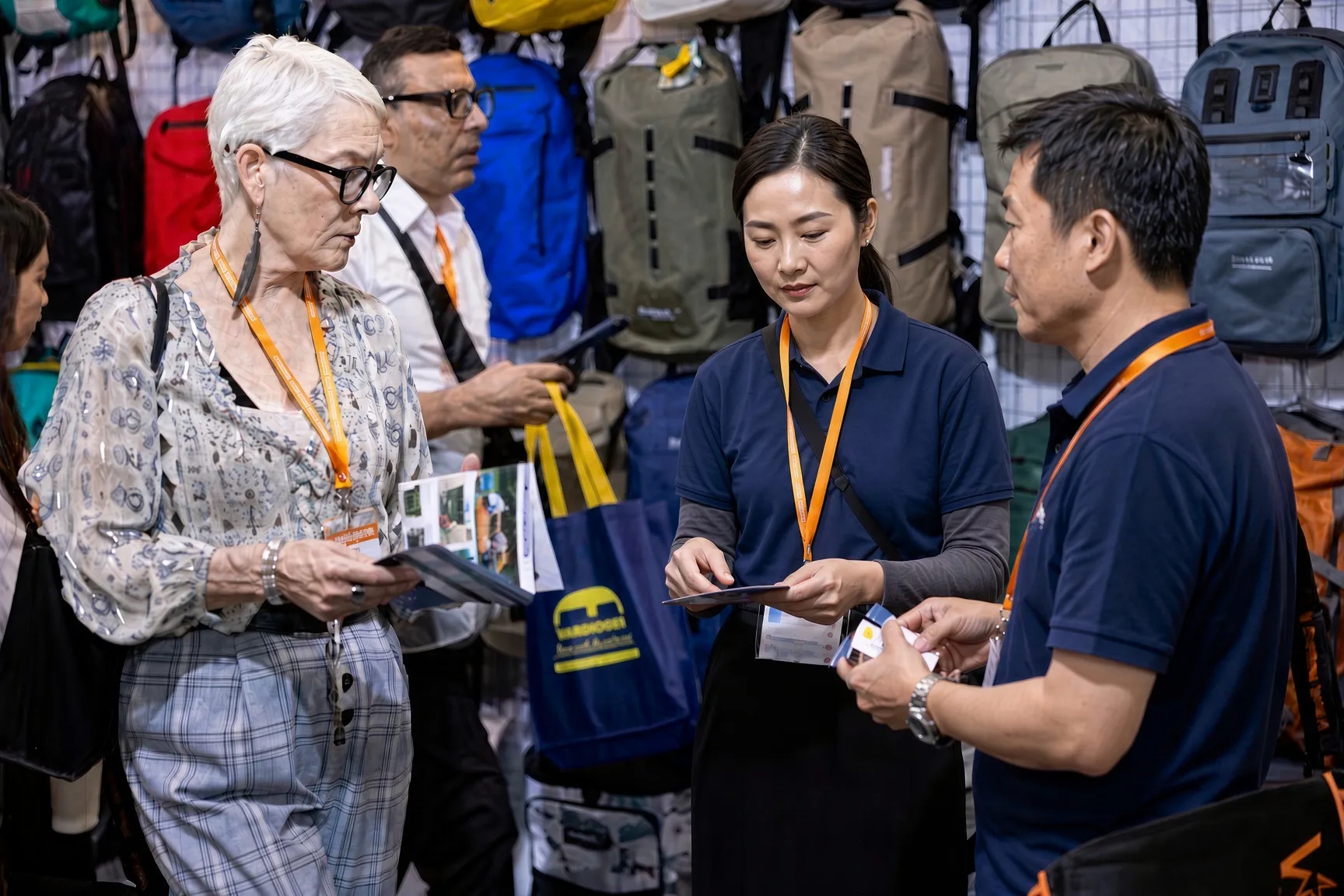
China + Vietnam, One Accountable Partner
Vietnam Sourcing Agent — Vetted Factories, Margin That Stays Yours
Whichever base we buy from — China or Vietnam — the specification, the inspection standard and the paperwork stay the same, so origin becomes a decision you can change rather than a supply chain you rebuild.
Two origins, one team: sourcing and on-site vetting, quality control through the run, factory and certificate checks, brand packaging, then consolidation, duty and delivery to your warehouse, 3PL or marketplace.
Shift volume between origins without the spec, the inspection plan or the delivery promise changing.
Where a Vietnam Order Stalls
Where a dual-base order stalls — 8 failure points and the fix for each
A Vietnam sourcing agent earns their fee long before the goods reach the port. These are the places a China-or-Vietnam order fails, and what we do about each.
The Vietnam quote that is not comparable to China
A Vietnam FOB price and a China FOB price sit on different cost bases — different duty, different VAT treatment, different freight — so the cheaper-looking number can land higher.
Both origins sit in one landing model, so the comparison is like for like before you choose.
The broker that is not the factory
Vietnam's factory base is younger than China's, and a lot of polished listings resolve to export agents and trading houses rather than a production line.
An on-site audit comes before any shortlist, and the steps a factory sub-contracts are named — whoever quoted you is who makes the goods.
The plant that grew faster than its machinery
Demand moved work into Vietnam quickly, and some plants now take orders their lines and labour cannot hold on schedule. The delay appears after the deposit.
Running capacity is verified against your volume and season before the PO, not just a stated line count.
The grade that drifts between sample and bulk
The counter-sample is exactly right; the bulk is a lighter fabric, a thinner gauge or a substituted component — invisible until it reaches your store.
The spec becomes the written acceptance criteria, and the goods are inspected against it through the run.
The certificate that cannot be verified
A social-compliance or product certificate is claimed on the quote, but the issuing body's register has no matching entry for the site or the scope.
Every certificate is checked against the issuing register and the factory name before it enters your file.
Import rules read from the wrong side
Vietnam has its own export and product rules, and the destination market's import rules still apply — a document that satisfies one side can fail the other.
The scheme is mapped on both ends before the run, so release is a review rather than a scramble.
A quote that stops at the factory gate
A price for the goods, with duty, VAT, freight and the banking cost still to be discovered — which is where the margin quietly disappears.
Duty, VAT, freight and FX fold into one landed figure before the PO, in the currency you contract in.
Two origins, two schedules that nobody owns
Splitting an order across China and Vietnam can double the calendars, the inspections and the paperwork if no single team runs both.
One schedule and one inspection standard run across both bases, with a single owner accountable for the delivery date.
Two Bases, One Spine
5 shared stages, 15 checkpoints — the spine that does not change between China and Vietnam
China stays our lead base and Vietnam is the growth option. Whichever we buy from, the same five stages and fifteen checkpoints run underneath, so the origin is a switch, not a rebuild.
- 1
Brief & specification
ChinaA China order usually starts from a reference product or an existing SKU we re-engineer to cost.
VietnamA Vietnam order is more often a spec already cut for apparel, footwear or furniture capacity.
- Spec and BOM written in the supplier's language
- Tolerances and acceptance criteria agreed
- Compliance route mapped on both ends
- 2
Supplier vetting
ChinaChina's wider base means a deeper audit pool, but more trading houses to filter out.
VietnamVietnam's younger base means fewer candidates, so proof of running capacity matters more.
- On-site audit of the real production line
- Licence, capacity and sub-contracting checked
- Certificates cross-checked to the issuing register
- 3
Sampling & approval
ChinaTooling and moulds are often part of the first China run, so sampling gates the tooling spend.
VietnamVietnam work is frequently cut-and-sew or assembly, where the counter-sample gates the fabric.
- Counter-sample built to the written spec
- Fit, finish and material signed off
- Fabric and trims approved before the bulk
- 4
Production QC
ChinaAQL inspection runs at fixed points through the China line, with the balance held on the report.
VietnamThe same AQL plan runs the Vietnam line against the same written acceptance criteria.
- In-process checks at 25, 50 and 75%
- Final pre-shipment inspection before the balance
- Corrective actions tracked to closure
- 5
Freight, duty & delivery
ChinaChina freight is the deeper, more frequent lane; the duty outcome still turns on the destination.
VietnamVietnam lanes can carry a different duty and origin outcome into the same destination.
- Consolidated into one export shipment
- Duty and VAT priced into the landed figure
- One delivery window to your address
The spine is the point: the same spec, the same inspection standard and the same paperwork run under both bases, so volume can move without re-qualifying the process.
What the Fee Covers
25 checkpoints across the whole engagement, run by one accountable owner
Five scopes and twenty-five checkpoints across sourcing, quality, verification, packaging and delivery — all run by one named specialist who answers to you.
-
 Sourcing FOB · DDP quote basis
Sourcing across both bases
Your brief becomes a factory-ready spec and BOM, and every candidate across both bases is audited on site before the shortlist reaches you.
- Brief decoded into a factory-ready spec and BOM
- Sourcing across China and Vietnam to one brief
- On-site audit: licence, real capacity, sub-contracting
- Sample validated against the written spec
- Price, MOQ and terms negotiated in the local language
-
 Quality Control AQL 0.4 inspection standard
Quality held through the run
Quality is held through the run rather than judged at the end, on the same inspection standard for each base.
- Material and component checks before production opens
- In-process inspection at 25, 50 and 75% of the run
- A final pre-shipment inspection before the balance clears
- Photo and video evidence at every milestone
- Corrective actions tracked to closure, not a promise
-
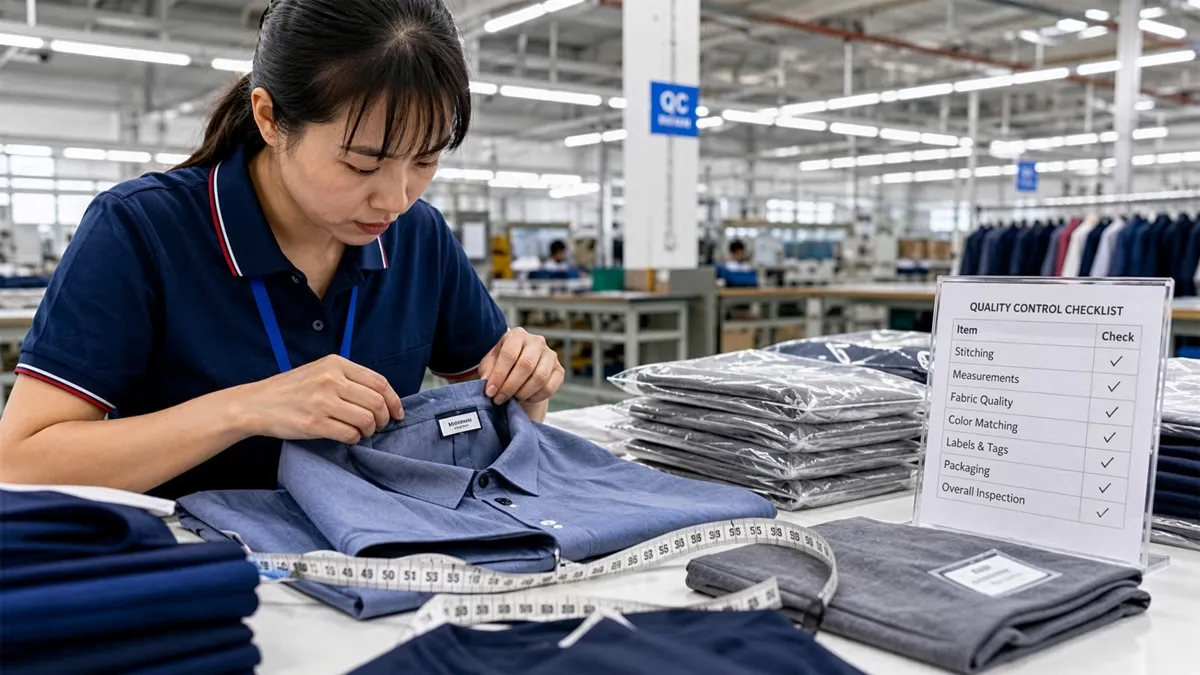 Verification 47 verification checks
Verified before it enters your file
A factory is only as good as what can be proved, so legitimacy, capability and certification are checked before the name enters your file.
- Legal identity and business licence checked at source
- Registration cross-checked against a physical site walk
- Capacity verified against your volume and season
- Certificates cross-checked to the issuing register
- Every claim traced to a document you keep
-
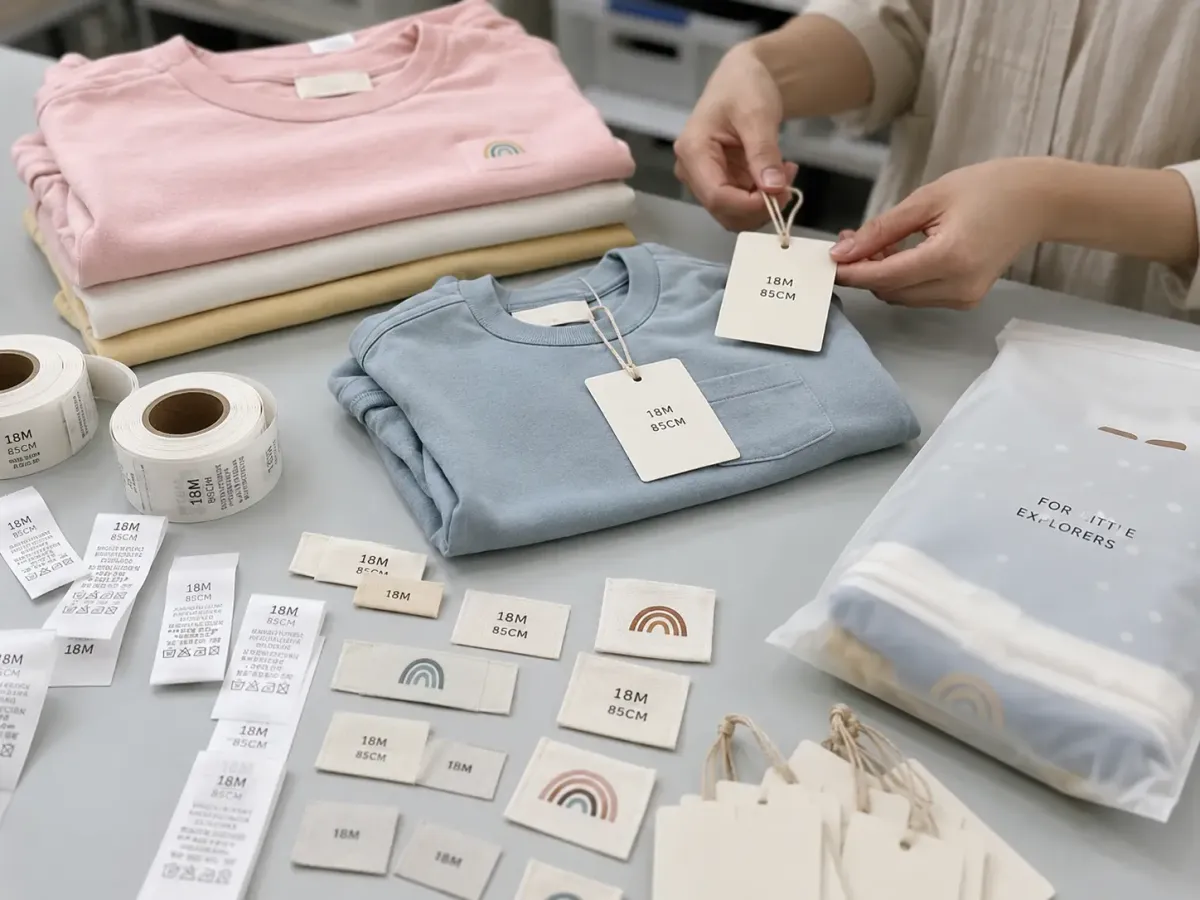 Private Label GS1 · FNSKU barcode formats
Own-brand packaging and labelling
The retail pack, the transit carton and the on-pack label are produced with the order, so a brand never lands before its packaging does.
- Logo, colour and finish proofed on the real material
- Retail and transit packaging developed to size and weight
- Labels carrying the destination-market content
- Insert cards, hangtags and gift boxes to brand
- GS1 barcodes and marketplace labelling where retail needs them
-
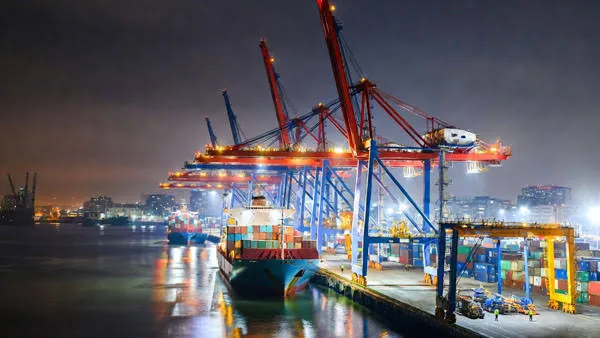 Freight & Customs DDP delivery terms
Freight, duty and the final mile
Several suppliers become one shipment and one clearance, from whichever base the order was placed in.
- Suppliers consolidated into one export shipment
- HS code, origin and preference declared per line
- Duty and VAT calculated before the goods move
- Customs entry filed and delivery booked to your address
- One tracking thread from loading to delivery
Vietnam's Manufacturing Corridors
24 zones and ports across Vietnam's north, centre and south
Vietnam's capacity sits in three corridors, and each is strong in different work. We place the order where the capacity, the lead time and the freight all fit.
Electronics, textiles and furniture feeding the northern deep-water lanes.
Garments, footwear and processing within easy reach of two central ports.
The bulk of Vietnam's garments, footwear, furniture and electronics.
We place the order where the capacity, the lead time and the freight all fit — a northern electronics run and a southern garment run can share one schedule.
Sectors and Where They Fit
From a 300-unit garment run to full-container furniture — 3 sectors, priced in both origins
Three sectors where the China-or-Vietnam choice actually changes the number. Each shows a realistic starting MOQ, the usual lead time, and how we would split the order.
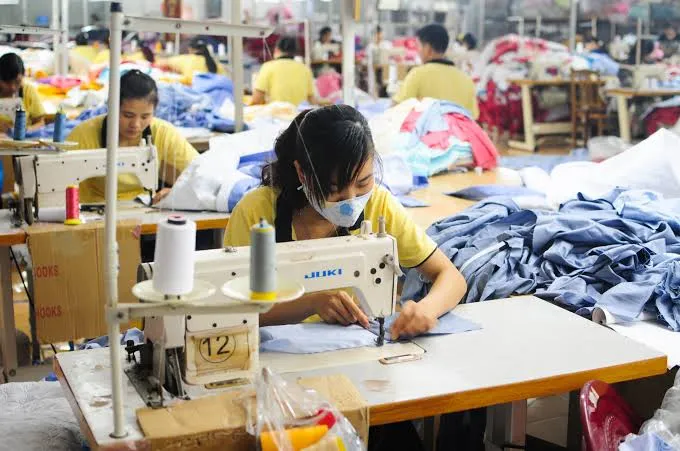
Apparel & Footwear
Starting MOQ
300–1,000 pcs
Lead time
30–45 days
Vietnam's deepest lane. Cut-and-sew lines start lower than China's mass programmes, so a first run can be smaller.
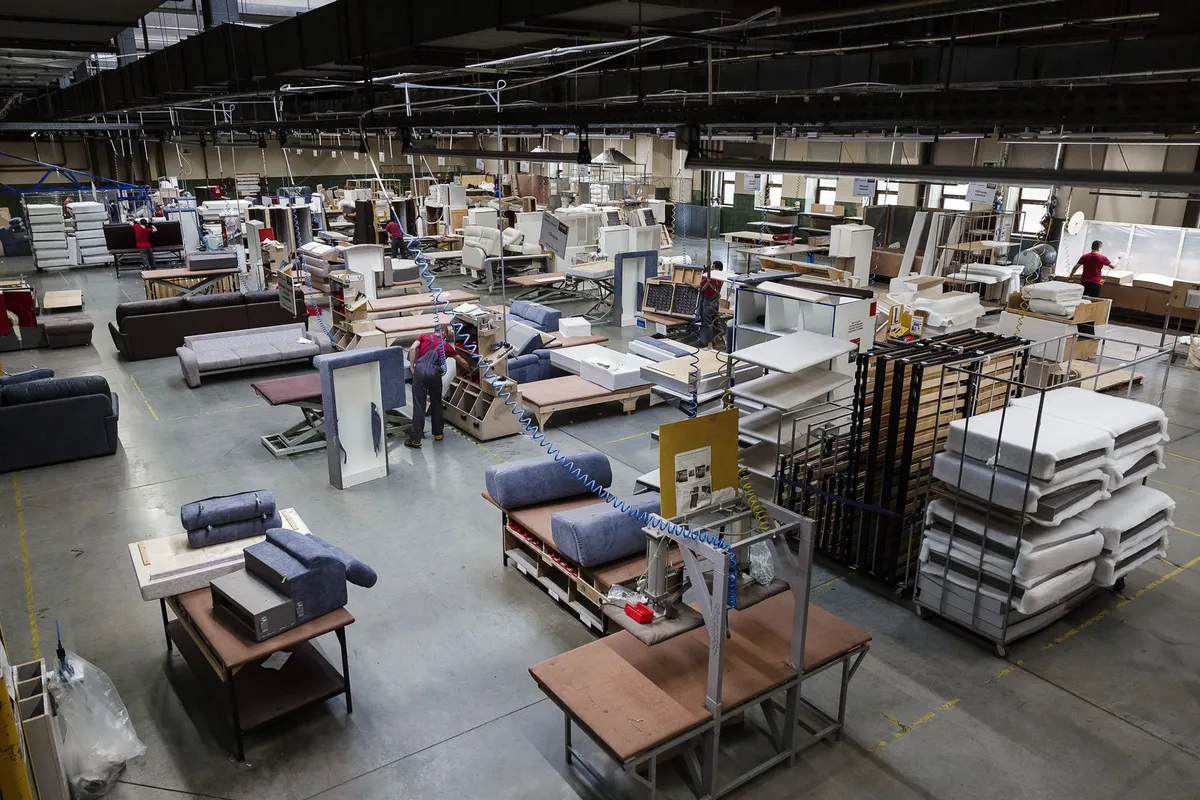
Furniture, Home & Bags
Starting MOQ
100–400 units
Lead time
35–50 days
Flat-pack and soft goods suit Vietnam's timber and leather base, while China still wins on complex mixed-material pieces.
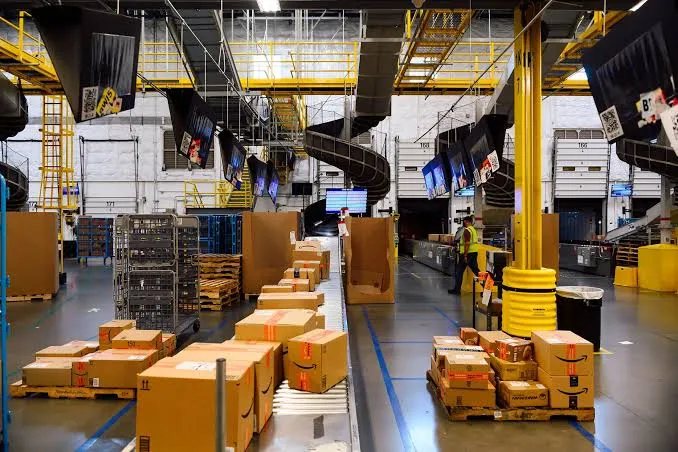
Electronics & Amazon FBA
Starting MOQ
500–1,000 pcs
Lead time
25–40 days
China's component depth is hard to match; Vietnam is the option where the destination's tariff or a second origin matters.
MOQ and lead times are indicative industry ranges for planning; your own figures depend on the style, the material and the plant. The China-Vietnam split illustrates how we would place an order, not a fixed rule.
China vs Vietnam, Line by Line
A US$475B export base — 6 lines where China and Vietnam actually differ
Vietnam exported around US$475 billion of goods in 2025 and competes directly with China on the same shelf. These six lines are where the two origins diverge.
Standard VAT
Vietnam's standard rate is temporarily cut to 8% on many goods through 31 Dec 2026.
Corporate income tax (standard)
Headline rates only; both offer zone and sector incentives that change the effective rate.
Top personal income tax
The top marginal rate on the highest band of personal income.
Employer social insurance
China's headline rate varies by city; Vietnam's is a fixed statutory total.
Typical garment MOQ
Industry-typical starting MOQ; the real figure moves with the style and the plant.
Goods exports, 2025
Vietnam's export base is roughly an eighth of China's and growing faster.
| Line | China | Vietnam |
|---|---|---|
| Standard VAT | 13% | 10% |
| Corporate income tax (standard) | 25% | 20% |
| Top personal income tax | 45% | 35% |
| Employer social insurance | 30% | 21.5% |
| Typical garment MOQ | 500 pcs | 300 pcs |
| Goods exports, 2025 | 3770 US$B | 475 US$B |
Figures are the latest published rates and full-year 2025 trade values, rounded. Tax rates are national headline numbers and are not a ruling on your product or entity — confirm the treatment that applies to you before you rely on it.
Factory Verification
47 checks across legitimacy, capability and certification
A factory is only as good as what can be proved, and Vietnam's base is young enough that proof matters more, not less. We run 47 checks before a supplier enters your file.
Legitimacy
18 checksThe entity, the site and the people behind the quote, matched against the registration and the paperwork.
- Legal entity name, exactly as registered
- Registration number and tax code
- Registered address vs the site you visit
- Legal representative and ownership
- Bank account name matches the entity
- Sub-contractor list disclosed
+ 12 more in the checklist
Capability
15 checksWhat the plant can actually make, at what volume, with which machines — checked on the floor, not on the brochure.
- Production lines actually running
- Machine list vs the real equipment
- Stated capacity vs your volume
- QC staff on payroll, not borrowed
- Tooling and sample-room capability
- Lead time against the season
+ 9 more in the checklist
Certification
14 checksEvery social, quality and product certificate validated against the issuing body's register, not the PDF.
- ISO 9001 and ISO 14001
- amfori BSCI and Sedex SMETA
- OEKO-TEX, GOTS and GRS
- CE / FCC / CPSC and REACH
- Certificate validity date and scope
- Register lookup at the issuer
+ 8 more in the checklist
The checks are the same for a China factory and a Vietnam factory — the standard does not travel less well just because the plant is newer.
The Order, Step by Step
21 working days from brief to a signed-off sample, then dated milestones
You get the number first, and the schedule with it. Every milestone carries a window, so nothing arrives as a surprise and the port is never the first time you hear about a problem.
- 1
Your landed number, in writing
Hours 0–48One price covering both bases, with duty and VAT already inside it.
- 2
A shortlist you can audit
Days 2–7Only factories we have walked in person go on the list.
- 3
The counter-sample, signed off
Days 7–21Built to your written spec and approved before the bulk run.
- 4
The run, inspected in stages
Weeks 3–6Inspected through production, then a final pre-shipment AQL.
- 5
Cleared and delivered to you
Week 6 onwardEntry filed, duty and VAT paid, goods at your address.
Where the Risk Sits
44 checks behind one dual-base order — a single base, a local desk, or LeelineGroup
Order from one base only, hand it to a local Vietnamese desk, or run both origins with a team that is inside the supply chain. Only in the third case does one owner carry the factory, the quality file and the delivery.
Outcomes in Two Vietnam Categories
Move a line between bases in 50 days — two illustrative rebuilds
Two categories where running two origins well beats running one badly. The change comes from the spec, the split and the inspection standard — not from a cheaper product.
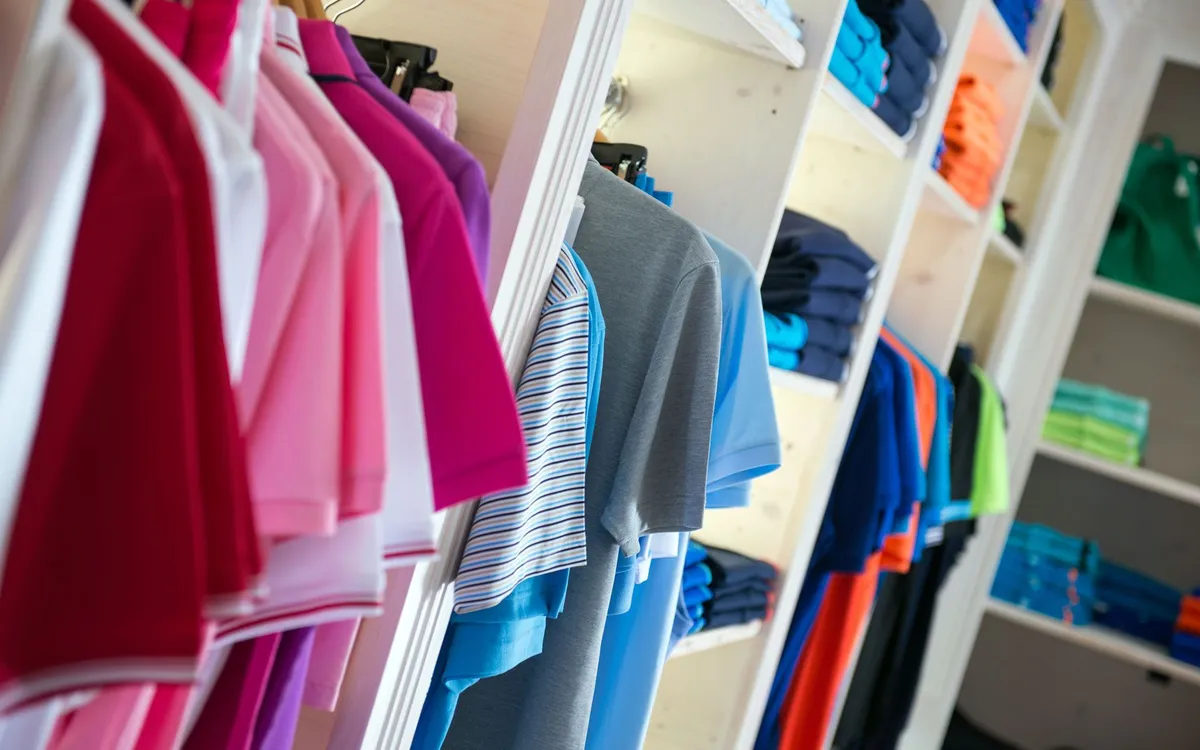
Apparel and footwear, split across two bases
Before
$9.40
After
$6.80
Unit landed cost
Every order sat on one base, so when capacity tightened the schedule slipped, and the grade moved between the sample and the bulk on the second run.
We split the volume across a China line and a Vietnam line on one written spec, inspected both to the same AQL plan, and priced each to a single landing model.
One landed cost whichever base ran the order, the grade held across repeats, and the unit landed cost fell by more than a quarter.
Nothing about the design changed. The spec, the split and the inspections simply existed before the PO.

Flat-pack furniture, one spec two plants
Before
$58
After
$42
Unit landed cost
Two plants, two specs: the boards, the fittings and the carton size drifted between origins, so returns and rework ate the apparent saving.
We wrote the board, fitting and carton tolerances into one acceptance spec, qualified both plants against it, and moved inspection into the run.
Defects fell to near zero on repeat orders, and the effective unit landed cost is down by more than a quarter.
Nothing about the product changed. The shared spec and the inspections simply existed before the balance did.
Illustrative figures. These two examples are representative of the change we make, not quoted client results.
How the Deal Is Built
51 categories run across both bases — and the commitments behind every order
Across 51 categories and two origins, the same commitments shape how the deal is structured, so you know what you are approving before the work starts.
- 01
One file, two bases
Whoever makes the goods, they are qualified and inspected against the same written spec and the same AQL plan — so switching origin changes the factory, not the file.
- 02
The factory price and our fee sit on separate lines
Every quote shows what the factory charges and what we charge, on separate lines, so you can see the margin instead of guessing at it. The number you approve is the number that goes on the purchase order.
- 03
The balance clears against the report
Payment runs on production milestones, and the final balance is released against the pre-shipment inspection report — not against a photo of a loaded container. If the report does not clear, the money does not move.
From Buyers Running Two Bases
53 months on — what our dual-base buyers stopped doing
Two buyers, two product lines, and the same thing they both stopped doing: chasing a schedule or a certificate across two origins with nobody accountable for either.

Greta Halloway
Founder, Lark Footwear
Footwear & Apparel“We had been buying one base and treating the second as a backup, which meant two specs and two inspection standards to police.
LeelineGroup wrote one acceptance spec, qualified a China line and a Vietnam line against it, and inspected both to the same AQL plan. They negotiated in the local language on each side, priced duty and VAT into a single landed number before we committed, and held the balance until the pre-shipment report cleared.
Nearly two years in, we move volume between the two bases on price without re-qualifying anything, and I have stopped rebuilding the file every season.”

Owen Fairbanks
Managing Director, Northgate Furniture
Furniture & Home“Flat-pack living is a category where a two-millimetre drift in a board or a fitting turns a good margin into a returns problem, and we had it happening across two plants.
LeelineGroup put the board, trims and carton tolerances into one written spec, ran the same 47-point verification on both factories, and cross-checked every certificate to the register instead of trusting a PDF.
Cartons are inspected mid-run now, and the pre-shipment report is what releases the balance. Rework is close to gone and I quote a launch on a real landed number rather than a guess.”
Straight Answers for Dual-Base Buyers
Answers in 54 words: what buyers ask before a Vietnam PO
Can a China-based agency source from Vietnam?
Yes — that is the point of running two bases. We vet and inspect Vietnam factories to the same standard we use in China, with an on-site audit before any shortlist reaches you. The team is China-led; Vietnam is another lane we run, not a supplier you coordinate yourself.
Is Vietnam always cheaper than China?
No. Vietnam can win on labour-heavy cut-and-sew and on certain tariffs, while China often wins on component depth, tooling and small runs. The only honest comparison is a landed cost per origin, not a factory price — which is what we price before you choose.
What makes a factory verification fail?
A registered name that does not match the site, capacity that cannot carry your volume, a certificate with no matching entry in the issuing body's register, or undisclosed sub-contracting. Any one of those stops the factory entering your file until it is resolved.
What MOQ should I expect from a Vietnam factory?
For apparel and footwear, cut-and-sew lines often start around 300 pieces, while mass programmes and complex products push higher. Furniture usually runs by the container. The figure moves with the style and the plant, so we confirm it per factory, not as a rule.
Who is responsible for import duty and VAT?
Whoever is the importer of record — normally you, through your own company. We classify each line, check the origin claim, and price the duty and VAT into the landed cost, but the entry and the liability sit with your business, not with us.
Can one order be split across China and Vietnam?
Yes, and it is often the right answer for an established product: match each base to the volume it is best at. The condition is one written spec and one inspection plan across both, so a split never becomes two products with the same name.
What makes a first Vietnam order take longer?
A new base, a first tooling set, or a certificate that has to be issued before production all add weeks. The schedule we quote already allows for them; what stretches it is a spec that changes after sampling, which is why we lock it first.
What happens if the goods fail inspection?
The balance does not release. We hold it against the pre-shipment report, agree a correction with the factory, and re-inspect before anything ships. You see the evidence at each milestone, so a failure is a decision point rather than a surprise at your door.

Talk to a dual-base team — a cleared first order in 55 days
Send the product, the quantity and the destination. We'll come back with the factory options in China and Vietnam, the HS code, the duty and VAT treatment, and one landed cost — before you place a PO.