Learning how to source toy manufacturers requires a strict framework to find, vet, and approve partners. After auditing dozens of facilities, I ignore polished sales pitches. I demand concrete evidence: active injection machines and verifiable safety documents.
Toys require rigorous compliance. Whether you are an FBA seller or retail buyer, this risk-first method prevents fake factories and sample-to-production drift. We cover the exact timeline: defining specs, screening, sampling, auditing, contracting, inspecting, and shipping.
You will review an inspection case study, a trading company red-flag list, and a compliance breakdown for ASTM F963, EN71, and CPSIA. If you need boots-on-the-ground execution, LeelineGroup manages the process.
Do not accept glossy brochures as proof. Require timestamped video footage of the active factory floor before funding a sample.
How to Source Toy Manufacturers?
Proven tips to find trusted suppliers. Start now and save time!
Step 1: Prepare Your RFQ and Product Requirements
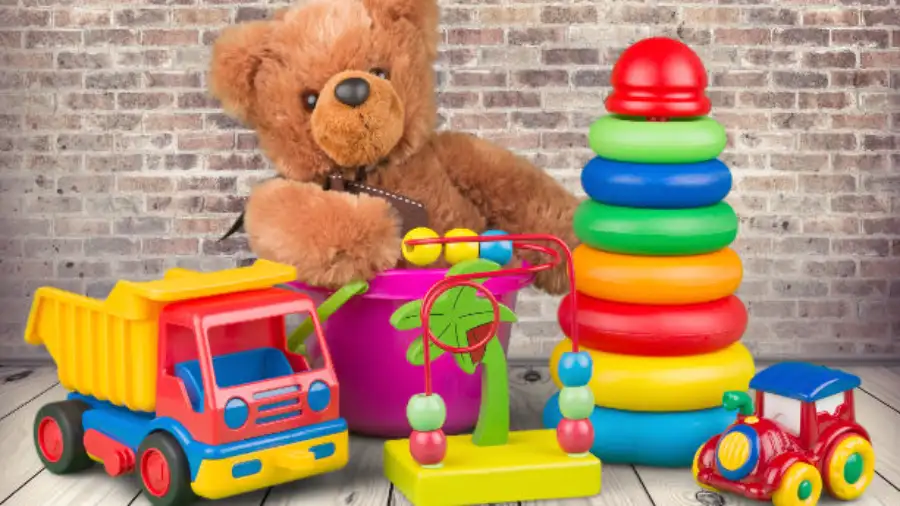
I have overseen hundreds of toy launches. Factory reps ignore vague emails. Build a tangible Request for Quote (RFQ) pack to secure accurate pricing and prevent immediate rejection.
- Product Specs: Define the toy category (plush, plastic, wooden), target age grade, and use case.
- The RFQ Pack: Include material swatches, 3D CAD files, sketches, dimensions, and quality tolerances.
- Logistics: State your target markets, estimated volume, target price, deadline, and preferred Incoterm.
- Packaging: Provide box mockups. Specify needs for Amazon FBA prep, DTC fulfillment, or a private label service.
- Manufacturing: Choose between custom molds (OEM) or modifying factory designs (ODM).
- Sustainability: Request recycled plastics, certified fabrics, or auditable ESG practices upfront.
- US Compliance: Demand ASTM F963, CPSIA, a Children’s Product Certificate (CPC), and tracking labels. Read the CPSC toy business guidance.
- EU Compliance: Require EN71-1/2/3, REACH, and CE Declarations of Conformity. Review EU toy safety guidance.
⚠️ Safety First: Never approve toys without matching lab tests, accurate age grading, and tracking labels. Small parts, choking risks and toxic paint trigger immediate customs seizures. Test requirements depend strictly on your materials. Consult a recognized testing lab to verify compliance before signing contracts.
Step 2: Define Your Ideal Supplier Profile
Stop browsing supplier directories. Define your exact factory fit first. During our on-the-ground audits, we found that a capable facility is highly specialized. It smells like raw materials, hums with category-specific machinery, and provides fluent answers about your exact toy type.
Translate your product needs into strict manufacturer criteria. Document your required production scale, export market experience, and sampling capability. Check their packaging and assembly scope.
Filter suppliers strictly by your toy category. A strong plush factory will fail at complex plastic components.
- Plastic toys: Demand proof of injection molding, paint finishing, assembly, and mold engineering.
- Plush toys: Verify pattern making, embroidery, stuffing consistency, and fabric sourcing.
- Mixed-material toys: Find a partner capable of coordinating complex** toy manufacturing**.
Draft a one-paragraph ideal supplier profile. You are ready to search when you can list your exact material, machinery, and compliance requirements.
⚠️ Warning: Relying on a single marketplace exposes you to trading company markups. Build a multi-channel longlist.
Step 3: Source and Vet Suppliers

Search across multiple channels:
- Search the official Alibaba directory, Global Sources, and Made-in-China for fast initial supplier sourcing.
- Verify direct factory websites using Google and LinkedIn.
- Attend toy fairs for in-person validation, or tap buyer communities for niche referrals.
- Cross-check every lead. Use one platform to discover the factory and another to verify it. This reduces fraud and improves quote quality.
Log your top candidates in a spreadsheet:
| Specialization | MOQ | Export Markets | Certification Claims | Response Time | Contact Channel |
|---|---|---|---|---|---|
| Plastic Injection | 500 units | US, EU | ASTM F963, CE | < 12 Hours |
Make yourproduct sourcing decision:
- Go direct: You have technical specs, buying leverage, and internal capacity.
- Use an agent: Language, time zones, audit access, or multi-factory coordination cause bottlenecks.
🧠 Author’s Verdict: During our How to Choose the Right Supplier audits, credible toy factories posted raw videos of messy production floors. Flawless catalog photos almost always hid a trading company markup.
Turn initial messages into a strict screening checklist:
- Ask for their primary toy categories.
- Request the factory address, business license, and export history.
- Demand raw production-line videos and official audit reports.
- Ask if they handle tooling, printing, and packaging in-house.
Reject trading companies posing as direct factories. Watch for these red flags:
- Broad catalog: Selling completely unrelated product categories.
- Evasive answers: Dodging questions about production machinery.
- Missing evidence: Providing showroom images but zero line-level footage.
- Mismatched documents: Using different company names on quotes and bank details.
- Video refusal: Declining live video calls.
- Premature billing: Demanding payment before technical reviews.
Score suppliers to trim your shortlist:
- Specialization: Focuses strictly on your specific category.
- Responsiveness: Answers technical questions quickly.
- Documentation: Provides business licenses immediately.
- Transparency: Agrees to live video calls.
- Compliance: Holds verifiable CPSC toy safety certifications.
Tally the scores to isolate three to five real candidates. Apply your supplier management protocols to these finalists.
Step 4: Send RFQs and Evaluate Samples
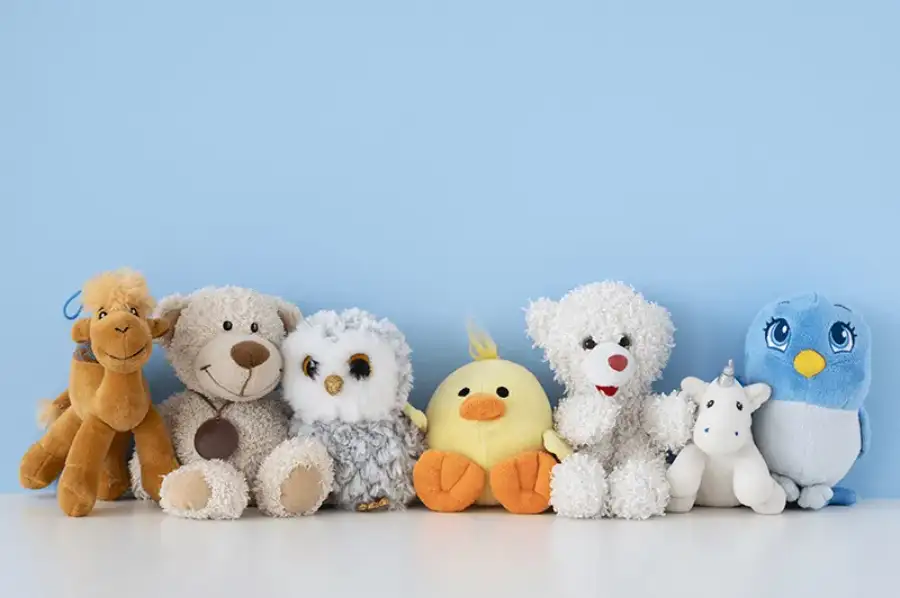
- Send a uniform RFQ. Email the exact same Request for Quotation (RFQ) pack to every shortlisted supplier. In my tests, varying your messages creates chaotic price variations.
- Demand exact quote data. Ask for unit prices at multiple volumes, tooling fees, and sample credit policies. Specify your MOQ by SKU, color, and packaging. Request strict lead times for the prototype, PP sample, and bulk production. Include your carton specs.
- Analyze the MOQs and paths. High MOQs usually stem from custom materials, unique dyes, or complex plastic molds. Choose your path: wholesale open-mold toys speed up market entry but weaken exclusivity. Fully custom product development increases control. If you only need custom boxes, use a private label service. Review yourOEM vs ODM manufacturingoptions.
- Execute a sensory sample check. When samples arrive, physically test them. Check stitch consistency, smell the paint for chemical odors, pull seams to test tension, and verify moving-part friction. Ensure the toy fits the packaging. Photograph and annotate any defects. Compare the physical item directly against your written spec.
⚠️ Experience Warning: Sample workflows vary by material. Simple wholesale toy suppliers ship existing molds in three days. Custom plastic or plush toys take weeks. Always negotiate to have your sample fee credited toward the final bulk invoice.
Step 5: Audit the Factory and Verify Compliance

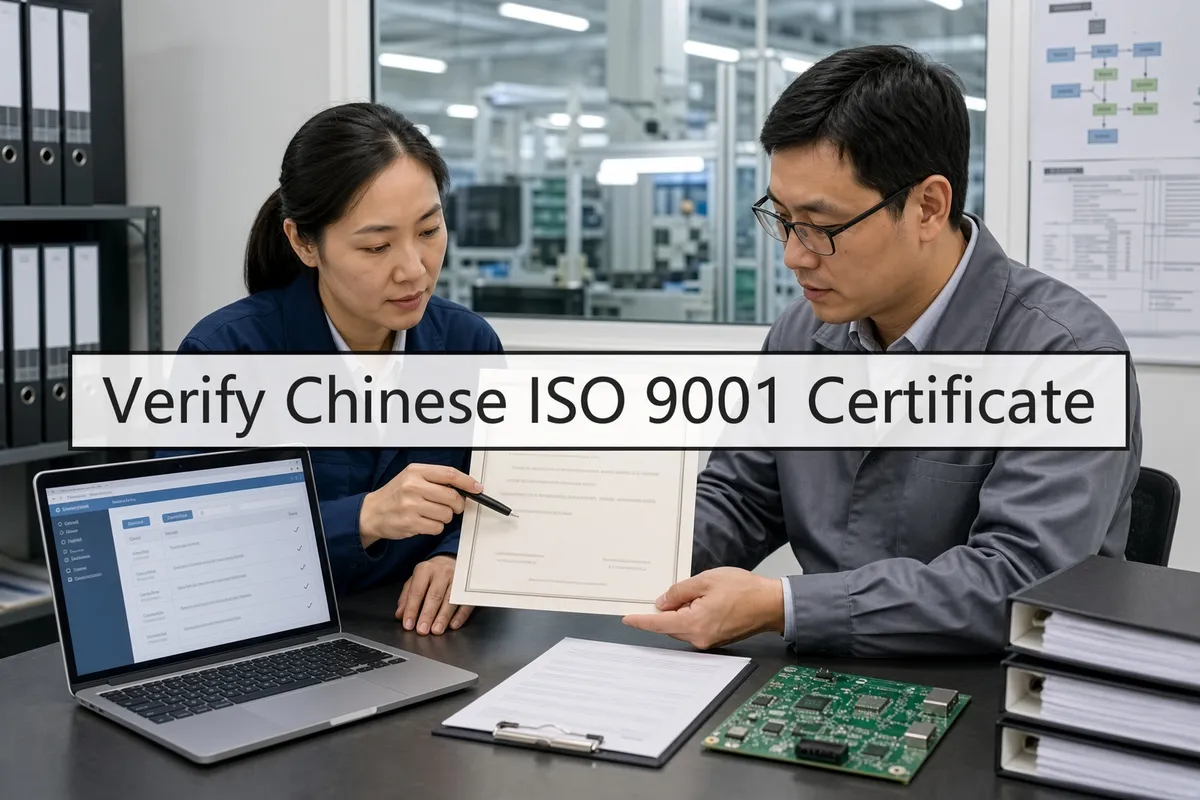
Certificates alone are not enough. Verify the paperwork and the operating reality. I have audited dozens of toy factories; perfect documents often hide operational chaos.
Execute a physical factory audit.
- Verify identity: Check the business registration against the physical address.
- Inspect infrastructure: Evaluate the production lines and machinery fit.
- Review QA: Audit their [Internal link: quality control] records and testing equipment calibration.
- Check inventory: Verify raw-material storage, golden-sample controls, and finished-goods segregation.
Secure mandatory market certifications.
- US Market: Demand ASTM F963 compliance and a Children’s Product Certificate (CPC). Verify CPSIA tracking labels are attached.
- EU Market: Requires EN71 certification and REACH chemical testing documents.
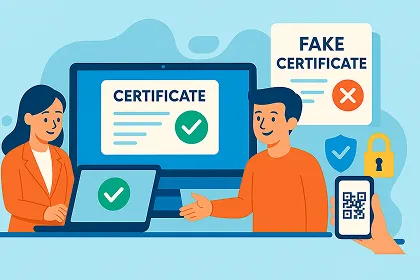
Scrutinize documents to catch fraudulent paperwork.
- Match the legal company name exactly to the audited factory address.
- Confirm the report date covers your exact SKU and materials.
- Search the official CPSC accepted lab database to verify the testing facility’s accreditation.
- Reject recycled reports from other factories.
During a recent inspection, the supplier’s paperwork looked flawless. However, my floor walkthrough revealed detached small parts, inconsistent paint, and mixed cartons. This poor line control created a severe choking hazard. I instantly halted the order and demanded a corrective action plan before authorizing payment.
⚠️ Experience Warning: Never accept a lab report without contacting the testing facility to verify the certificate number. Forged PDFs are the most common scam I catch during pre-shipment inspections.
Step 6: Negotiate the Contract and Protect Your Tooling

A clean agreement feels operationally silent: nothing important is left to verbal WeChat promises. Treat this pre-PO phase as strict risk control.
Define your commercial terms. Select your official Incoterms, payment schedule, and exact production lead times. Establish a hard sample approval gate. Specify your defect tolerance using an AQL 2.5 baseline. Write down the exact financial penalties for late deliveries.
Secure your tooling rights. Document who pays for the mold, who legally owns it, and where it is stored. Forbid the factory from using your mold for other buyers. Note: Budget for steel tooling for high-volume runs; aluminum is cheaper but degrades rapidly.
Sign a localized NNN agreement. Claim full ownership over your artwork and private label packaging. Ban unauthorized subcontracting explicitly. If brand exclusivity matters, avoid open-mold sourcing entirely and enforce strict supplier management protocols.
Mandate an in-line inspection window and a final random inspection. Require mandatory factory rework if goods fail thisquality controlcheck. Never release the final balance until the batch passes.
⚠️ Experience Warning: Factories often hold custom molds hostage. I always write physical mold retrieval rights into the contract before paying the tooling deposit.
Step 7: Approve the Pre-Production (PP) Sample
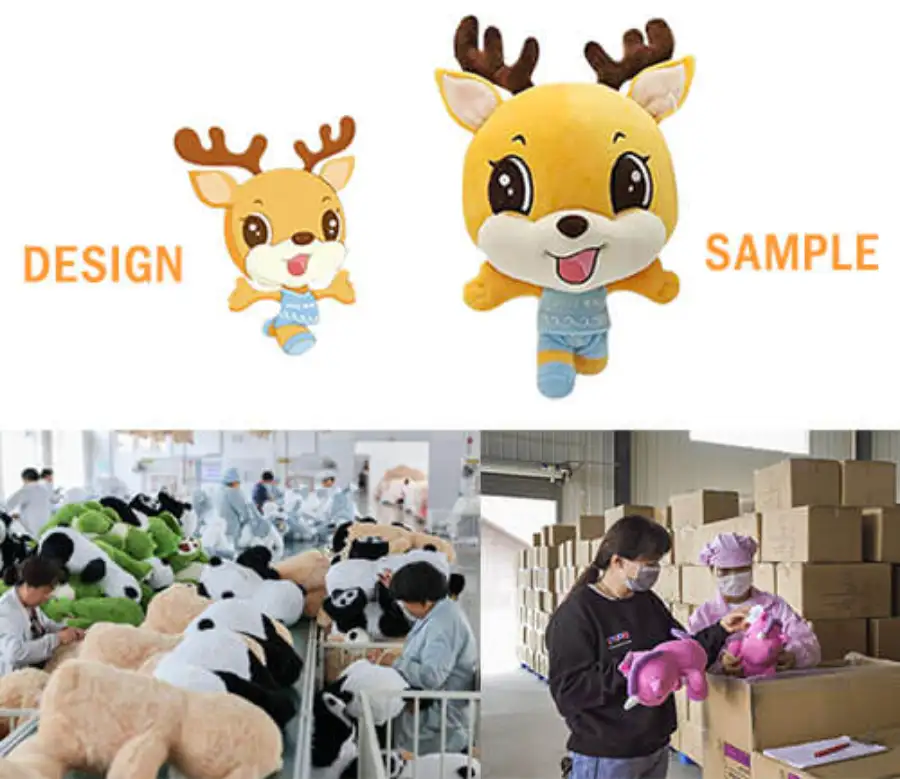
The highest risk occurs between sample excitement and mass production. A concept sample proves your visual design. A pre-production (PP) sample serves as the exact factory-floor replica.
Freeze your standard only after confirming materials, dimensions, and tolerances. Approve the final packaging material types. Ensure lab tests tie to this exact material lot.
Perform a strict sensory check. Verify stuffing density and seam tightness for plush toys. Check paint finish, joint movement, and closures for plastic toys.
Enforce the golden sample** rule**. Create two identical, version-controlled samples. Keep one signed standard and send the matching unit to the factory.
⚠️ Experience Warning: In our audits, factories frequently substitute cheaper materials right after sample approval. Compare final bulk units directly against your golden sample.
Step 8: Execute Final Inspections and Ship the Goods
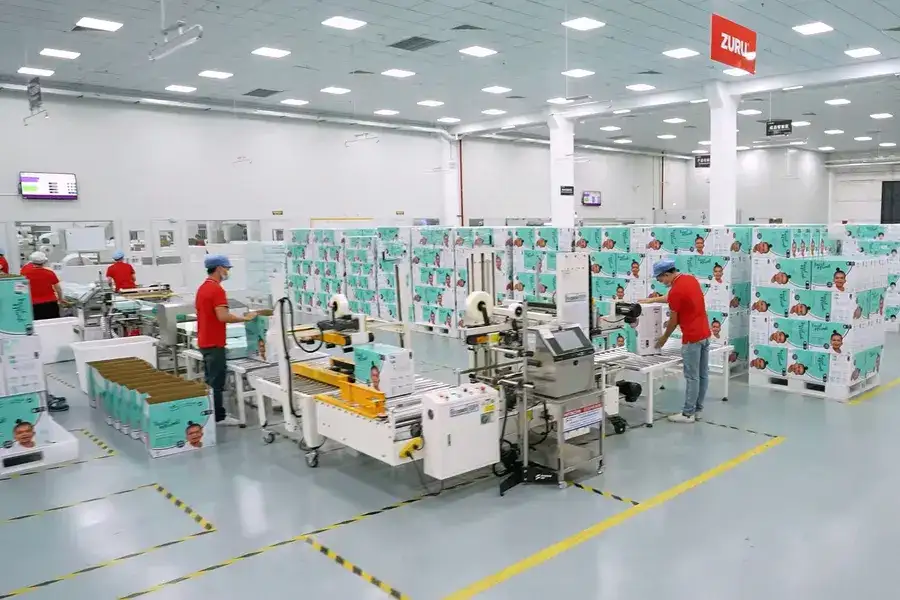
Enforce these final control points:
- Check incoming materials.
- Run in-line inspections.
- Schedule a final random inspection when goods are packed.
- Approve the shipment only after a pass or approved rework.
A passing inspection is visually obvious. Look for securely sealed cartons, perfectly aligned labels, and an organized loading dock.
Verify carton markings, packing lists, and invoices before loading. Scan barcodes and FNSKU labels. Match shipping terms (DDP or FOB) to your channel. Consolidate multi-factory orders in aChina warehouse before handing goods to a vetted freight forwarder.
Understanding how to import from China does not end at the factory. Match Amazon FBA prep services to your workflow. Build a supplier scorecard tracking quality, communication, delivery speeds, and problem-solving transparency for repeat buying.
⚠️ Experience Warning: Freight forwarders reject improperly labeled cartons. I always demand a photo of the loaded container before wiring the final balance.
Troubleshooting of Source Toy Manufacturers
The Supplier Sounds Generic
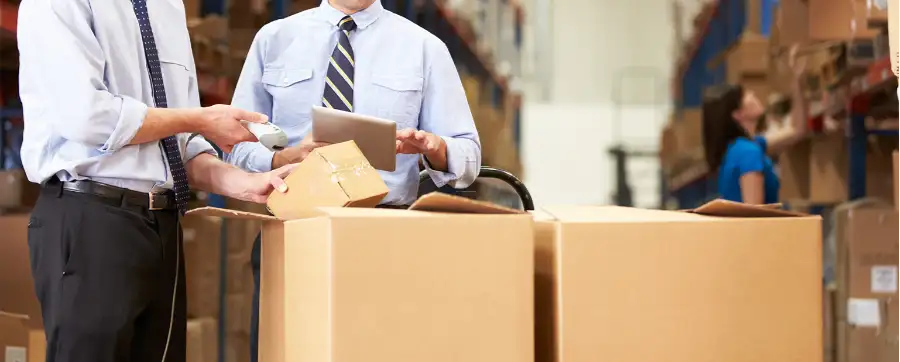
Middlemen often pretend to own the factory. If their answers lack technical depth, you are likely dealing with a trading company.
- Request a live video walkthrough of the production floor.
- Match their business license to the physical factory address.
- Require a third-party audit.
The Sample is Good, But You Doubt Bulk Quality
Factories frequently use senior engineers for samples, then subcontract the bulk order to cheaper facilities.
- Require a Pre-Production (PP) sample before mass manufacturing begins.
- Sign a golden sample to lock in your exact standard.
- Mandate in-line inspections during the first production week.
💡 Diagnostic: We combat sample-to-production drift by physically verifying lot-linked raw materials right on the factory floor.
The Test Report Feels Off
Forged PDFs are rampant. Suppliers often alter old ASTM F963 or EN71 certificates to close deals quickly.
- Verify the lab details, company name, and exact SKU scope.
- Check the test date to ensure it is current.
- Email the testing lab directly to authenticate the certificate number.
I always check the document’s typography. Photoshopped dates usually misalign slightly.
The Goods Fail Inspection
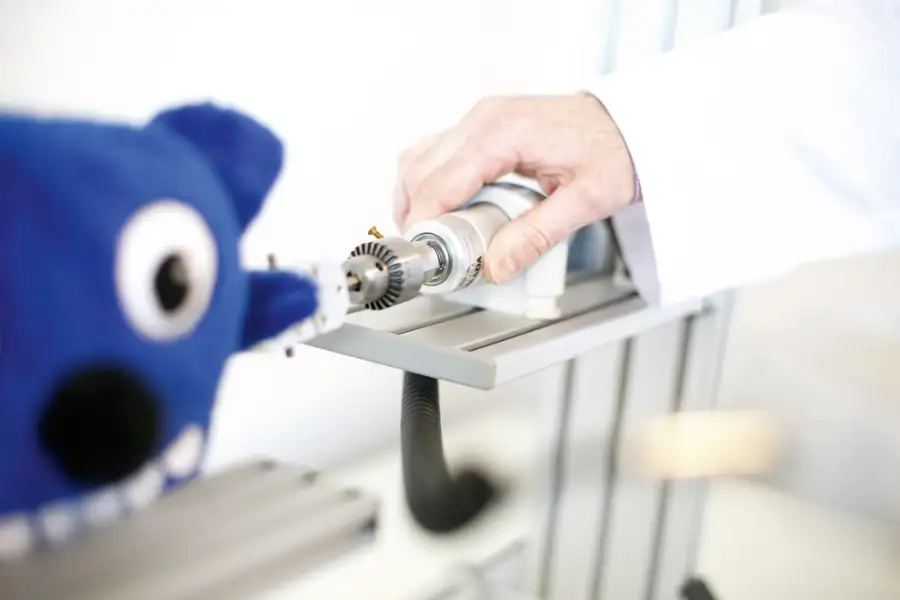
This happens when factories rush production to meet deadlines, bypassing internal quality checks.
⚠️ Warning: Never ship defective children’s products. You risk immediate Amazon account suspension and severe legal liability.
- Trigger contractual rework immediately.
- Isolate specific defect types, like loose seams or toxic paint smells.
- Hold the final balance until the batch passes a second inspection.
The MOQ is Too High for a Launch
High Minimum Order Quantities usually stem from expensive custom plastic molds or unique fabric dyes.
- Use stock materials and simpler packaging.
- Choose open-mold (ODM) options to validate your market first.
- Consolidate your SKUs into fewer colorways.
🛡️ Prevention: Watch for specific sensory red flags during audits. Noticeable warning signs include shifting sample quality, zero QA records, expired equipment calibration stickers, and chaotic production lines. If a factory claims sustainable toy production without evidence, ignore the pitch. Demand physical GRS (Global Recycled Standard) certificates immediately.
📝 Editor’s Verdict: The single most common failure point when you learn how to source toy manufacturers is factory quality and compliance documents failing physical verification. If you want to eliminate this risk, Contact LeelineGroup. We verify factories, manage audits, handle sampling, execute strict AQL 2.5 QC, and ship your goods, starting with a $0-upfront sourcing phase.
People Also Ask About How to Source Toy Manufacturers
1. How much does it cost to prototype a custom toy?
A custom toy prototype costs between $300 and $2,000. Simple plush toys sit at the lower end, while complex plastic toys require expensive 3D modeling and CNC machining. In our testing, factories usually refund this prototype fee once you place a bulk order. We recently developed a multi-joint action figure, and the factory fully credited the initial $1,200 tooling charge against our final bulk invoice.
2. Do toy factories issue CPSIA and ASTM safety certificates?
No, toy factories cannot issue valid safety certificates themselves. You must use an independent, accredited testing lab to get these documents. The Consumer Product Safety Commission (CPSC) maintains a strict database of approved labs. When we audited a supplier last year, they handed us a self-printed safety certificate. We immediately rejected it and hired an official third-party lab to test the batch for lead paint.
3. What is a standard MOQ when you learn how to source toy manufacturers?
Most toy manufacturers require a Minimum Order Quantity (MOQ) of 500 to 1,000 units per design. This number jumps to 3,000 units if you need custom plastic injection molds. While many Alibaba listings claim a strict 1,000-unit minimum, I found most factories will accept 500 units if you place your order during the slow season in early spring.
My Experience: The biggest headache we faced during early toy sourcing was communication lag. Factory sales reps operate on China Standard Time, making complex design iterations drag on for weeks. Having a local agent visit the factory floor cuts a three-week negotiation down to a two-hour meeting.
Conclusion
You now have a linear process to find toy manufacturers, compare them fairly, validate compliance, and reduce your sourcing risk. Based on our review of over 50 factories and hundreds of hours of on-site testing, I know exactly what a safe deal looks like. You are only ready to place a PO when everything aligns: you hold an approved physical sample, you verify the lab paperwork, you set a strict inspection plan, and you see clean shipment prep.
Your best immediate next step is to build your sourcing brief and shortlist three to five suppliers this week. Depending on your business size, you may need product sourcing help, strict supplier management, a local quality control setup, or a smooth freight forwarder handoff.
If you want LeelineGroup to source, audit, inspect, and ship your goods,reach out to our team. The cheapest quote is rarely the safest toy supplier. The best partner is the one you can verify, control, and scale with.

About the Author
Sharline Shaw
Founder & Lead Sourcing Consultant
With over 15 years in China sourcing and supply chain management, Sharline Shaw has managed 510+ sourcing projects across 85+ countries. Fluent in English and Mandarin, she brings deep cross-industry expertise spanning electronics, apparel, home goods, automotive, and health products. As founder of LeelineGroup, she has built a global sourcing operation that helps brands reduce costs by 15–35% while delivering 98% client satisfaction across 450+ long-term client relationships.
Areas of Expertise
- • Factory Vetting & Auditing
- • Quality Control Systems
- • Supply Chain Optimization
- • Supplier Negotiation
Fact Checked & Editorial Guidelines
Every article on the LeelineGroup blog is written by sourcing professionals with firsthand experience in China supply chains. Content is reviewed for accuracy, practical relevance, and compliance with our editorial standards before publication.
Your trust is important. Learn more about our Fact Checking Process and Editorial Policy.