
For EU and UK Apparel Brands
Turkey Sourcing Agent — EU-Bound Apparel, Vetted Partner Mills, Run From China
A Turkey line run by our team in China and a vetted partner on the mill floor, with the customs files built alongside the order.
We shortlist the cluster, vet the mill and the sewing floor, run QC through the partner, and prepare the A.T.R or UK declaration — a single lead from brief to loading bay.
The duty advantages of a customs union, with a supply base our China team can read, audit and negotiate in person.
3rd
Largest EU apparel supplier
60.6%
Of Turkey's apparel exports go to the EU
€9.4B
Apparel exports to the EU, 2025
The Work Behind the Line
30 checkpoints across one Turkey engagement — six scopes, one owner
Six scopes carried by one team: mills and makers vetted, the spec written down, sampling approved, QC gates through the run, the origin file built, and the goods consolidated to your door. The vetting logic behind each scope is in our supplier sourcing guide.
- 01Supplier identification
Mills and makers vetted, not listed
A shortlist you can defend, not a directory export: entity, floor capacity and the tier below, checked in that order.
- Legal entity and tax ID confirmed at source
- Loom and sewing capacity seen on a partner-run visit
- Sub-contracting and fabric sourcing mapped before any quote
- EU and UK shipment history checked with the mill
- Floor-walk sheet signed with photographs and counts
- 02Product development
Spec and fabric development, written down
The brief becomes a tech pack a plant can build: fabric weight, stretch, finish and costed trim lines, agreed before a needle moves.
- Fabric weight, stretch and finish written into the spec
- Tech pack and tolerances approved before sampling
- Trim and label compliance mapped to EU and UK rules
- Counter-sample approved against the written spec
- Sealed reference sample held by both sides
- 03Sampling
Sampling and production approved
Nothing opens in bulk until the counter-sample and the pre-production fixture have both cleared the written spec.
- Fit samples iterated until the spec holds
- Wash, dye and finish standards locked early
- Pre-production sample signed off
- Fabric shrinkage tested before bulk
- Measurement chart frozen at first article
- 04Quality
QC gates through the run
The order is checked while the line is running, not judged at the port once it is too late to matter.
- Incoming fabric and trims matched to the approved lot
- First-article signed off at the line
- In-line inspections early and late in the run
- Pre-shipment sampling against AQL
- Loading bay verified against the packing list
- 05Origin
A.T.R and UK customs papers
The right document for the destination, assembled per consignment rather than requested at the port.
- EU A.T.R movement certificate raised for each shipment
- UK preferential origin declaration with EUR.1 where needed
- Input origin traced for cumulation
- Validity windows matched to the shipment date
- File copied to you and retained for audit
- 06Freight
Consolidation and EU/UK delivery
Several makers, one consignment, one cleared arrival — the pack and the product move on the same calendar.
- Cartons from several makers merged
- Road, sea or rail lane chosen by destination and deadline
- Customs broker and carrier briefed on the origin file
- Tracking from the mill to the port of arrival
- One arrival date quoted, not a range
What Turkey Actually Makes
€26.18B of textile and apparel exports — the six families that carry them
Turkey apparel and denim sourcing agent work starts with what the clusters already make well. This is the map we start from, and the MOQ and lead time to plan around for each family. Before a fabric-led shortlist, review denim and cotton fabric specs. For own-brand ranges, see private label sourcing.
-
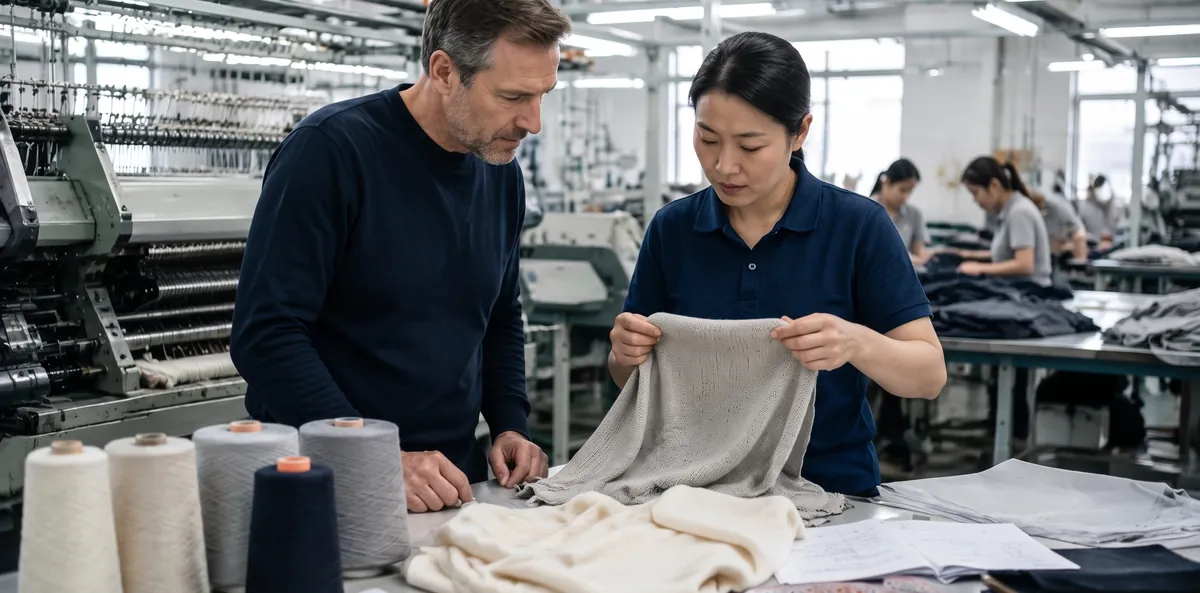 Denim & knitwear Core strength denim and knits
Denim, jersey and knitwear at full-package depth
Denim and knits are Turkey's oldest strength, with mills and wash houses close to the sewing floors, so a reorder moves on one calendar.
Makes
- Denim and twill
- Cotton jersey and loop-back
- Knit tops and dresses
MOQ & lead
- MOQ from 100 pcs / style·colour
- Lead 21–45 days after fabric approval
-
 Fashion & private label Private label low minimums
Fashion ranges and full private label
Private-label runs take your brand from tech pack to finished carton, with low minimums that let a first range test the EU and UK markets.
Makes
- Woven and knit garments
- Your label, tags and packaging
- Small drops that test a market
MOQ & lead
- MOQ from 100 pcs / style
- Lead 21–40 days after sample sign-off
-
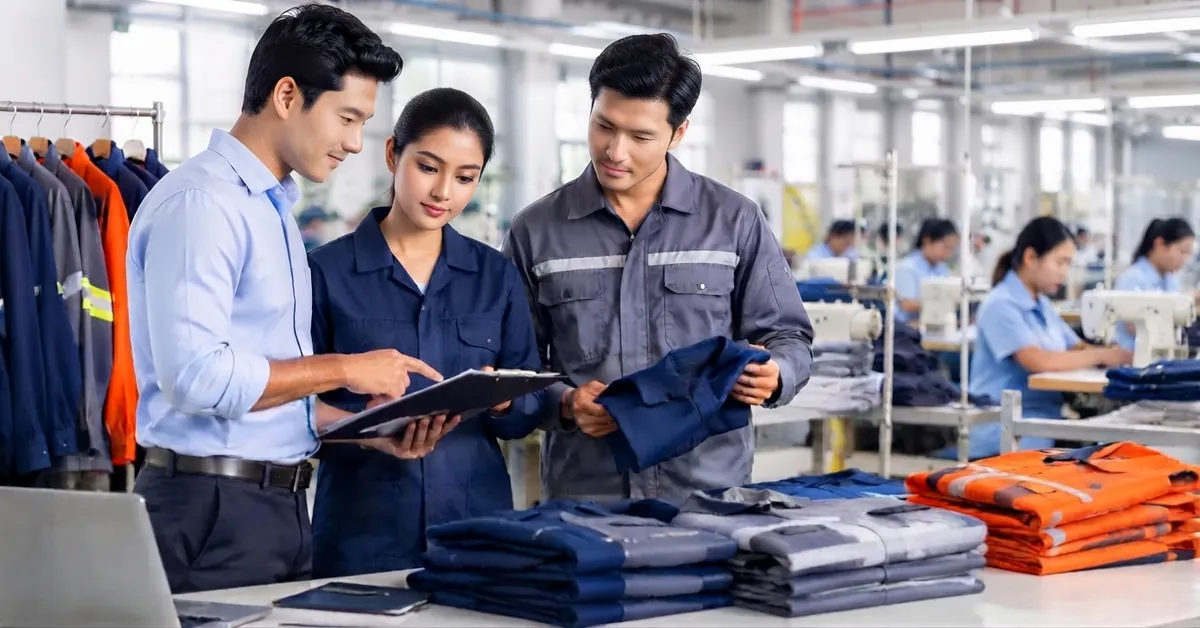 Workwear & uniforms EN standards documented
Workwear and uniform programmes
Turkish workwear plants build to EN standards and repeat a uniform programme season after season, so certification and reorders stay on one file.
Makes
- Hi-vis and PPE garments
- Corporate and service uniforms
- Repeating programmes
MOQ & lead
- MOQ from 300 pcs / style
- Lead 30–50 days after fabric approval
-
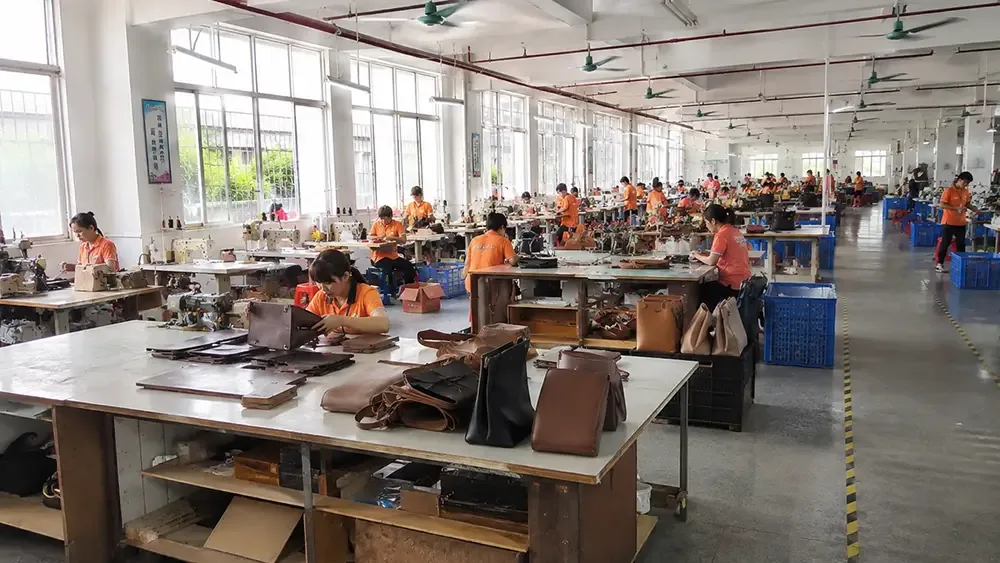 Bags & leather goods Leather goods and bags
Leather goods, bags and accessories
Leather and bag makers work in clusters that sit next to the tanneries, so material sourcing and finished-goods assembly stay in one region.
Makes
- Handbags and totes
- Small leather goods
- Belts and accessories
MOQ & lead
- MOQ from 200 pcs / style
- Lead 35–55 days after materials
-
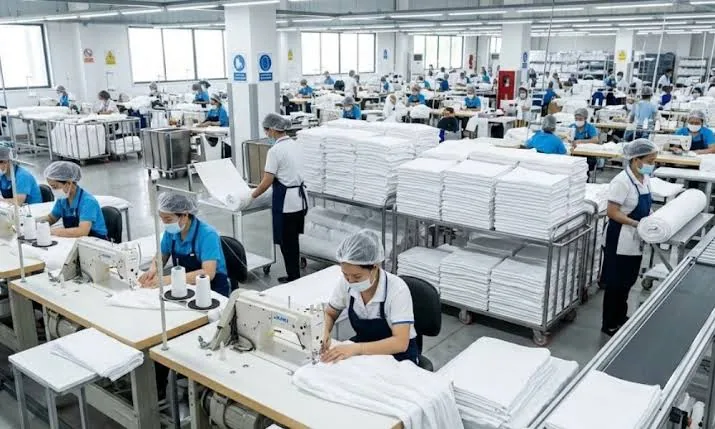 Packaging & home textiles Home textiles and packaging
Packaging, bedding and home textiles
Home textiles and the packaging around them run on the same calendar here, keeping the product, the carton and the printed label in one production plan.
Makes
- Bedding and towels
- Retail packaging and cartons
- Printed inserts and labels
MOQ & lead
- Higher minimums, per SKU
- Lead 20–40 days after artwork
-
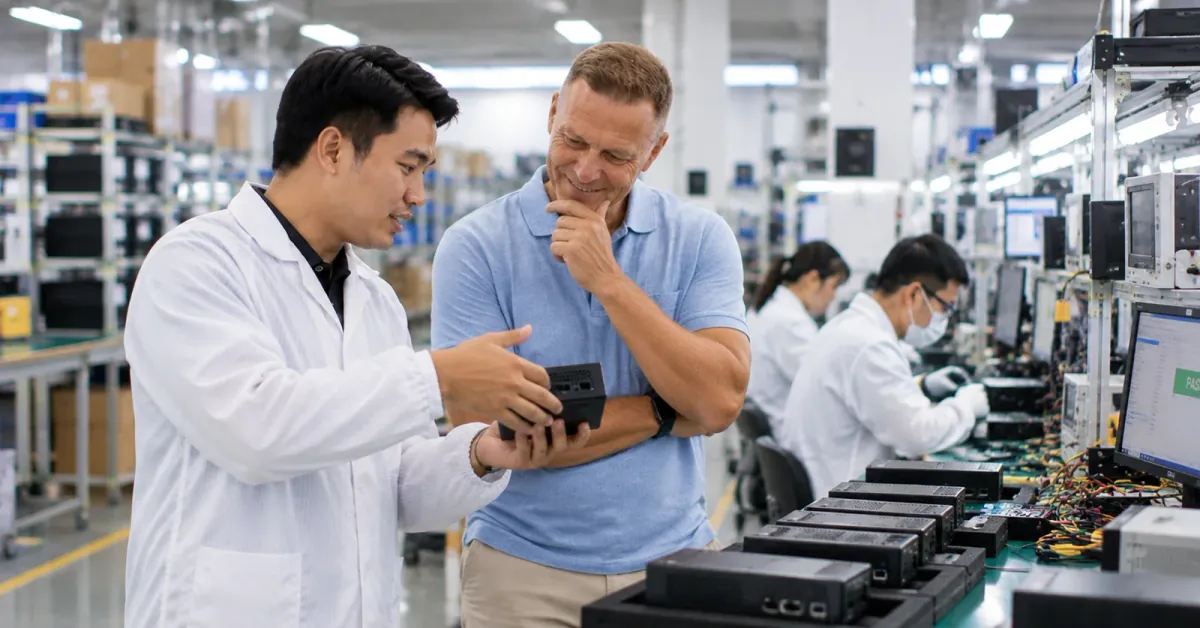 Vetting & QC Partner-run inspections
Factory vetting and QC, run on the ground
A local partner carries out the site visits and inspections, while our China team plans the checks, holds the criteria and reviews every report.
Makes
- Supplier identification
- Factory vetting
- AQL inspection and reporting
MOQ & lead
- Vetting 2–3 weeks before the PO
- Inspection booked at every gate
Two Passports, One Customs Union
Since 1995, one customs union — but the EU and the UK need two different documents
The EU and the UK both trade with Turkey on preferential terms, yet they ask for different papers. The certificate is decided by the destination, not by the factory, and a wrong document at the port is expensive.
EU route
A.T.R
Movement certificate A.T.R
- Proves
- Free circulation under the EU–Turkey customs union
- Not proof of
- Not a statement of preferential origin — it proves the goods already circulate
- Validity
- 4 months from issue
- Cumulation
- EU and Turkish inputs, as the customs union treats them
- In force
- In use since the customs union came into force
e-A.T.R has been accepted since 8 July 2024 and is recognised retroactively where the formal conditions are met.
UK route
EUR.1
Origin declaration / EUR.1
- Proves
- Preferential origin under the UK–Turkey continuity FTA
- Not proof of
- Not a movement certificate — it is the origin claim itself
- Validity
- 12 months from issue
- Cumulation
- EU and Turkish materials can be cumulated
- In force
- In force since 1 January 2021, when A.T.R was withdrawn for UK trade
The continuity agreement replaced the A.T.R route for UK-bound goods; the origin declaration is what the importer relies on.
- Proves free circulation
- Proves preferential origin
- Required for an EU shipment
- Required for a UK shipment
- Cumulates EU materials
The customs union has no expiry and covers industrial goods, so a Turkish garment can move to the EU without a tariff. The UK–Turkey continuity agreement keeps the same preference for British buyers from 2021, under a different mechanism. See compliance risk management for the file behind the claim. The official routes are the EU customs rules and the UK–Turkey agreement.
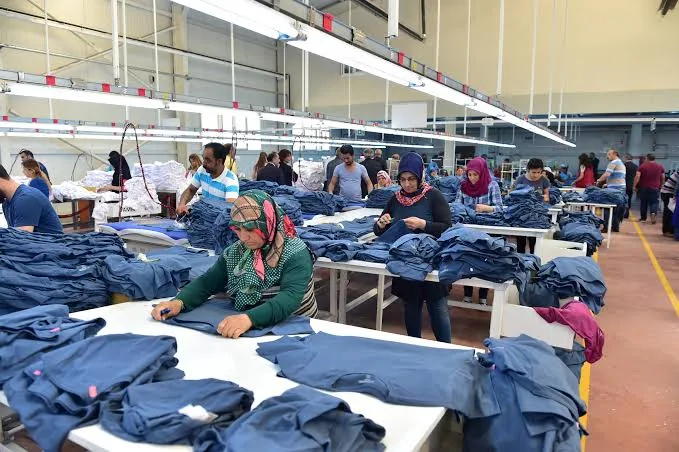
The Mill Board
Loom capacity below 65% — the mill board, cluster by cluster
Hire Turkey textile and denim work starts with the cluster, because what a region was built for decides whether your product fits its line. This is the board we work from.
-
Istanbul
Garments, private label, knitwear
Apparel & denimMakes: Fashion and knit garment lines
Watch: Sample-room capacity fills before peak
-
Denizli
Home textiles, towels, bedding
Home textilesMakes: Towels, bedding and bath linen
Watch: Loom utilisation is low — negotiate capacity
-
Bursa
Woven apparel, technical textiles, towels
Apparel & denimTechnicalMakes: Woven garments and technical fabric
Watch: Confirm the dye house, not only the sewing floor
-
İzmir
Knitwear, apparel, export logistics
Apparel & denimMakes: Knit tops and jersey
Watch: Port and customs slots tighten in season
-
Kahramanmaraş
Denim, knitwear, yarn
Apparel & denimYarn & spinningMakes: Denim and looped knitwear
Watch: Rebuild after the earthquake — verify current capacity
-
Gaziantep
Carpets, home textiles, apparel
CarpetsHome textilesMakes: Machine-made carpets and rugs
Watch: Confirm the yarn origin for the duty file
-
Uşak
Blankets, home textiles, yarn
Home textilesYarn & spinningMakes: Blankets and woven home textiles
Watch: Smaller mills — book ahead for large runs
-
Adana
Cotton yarn, woven fabric, apparel
Yarn & spinningApparel & denimMakes: Cotton yarn and woven fabric
Watch: Fabric width and finish vary by mill
-
Tekirdağ / Çorlu
Knitwear, woven apparel, denim
Apparel & denimMakes: Knit and woven garment lines
Watch: Close to EU borders — check the transit lead time
-
Tuzla, Istanbul
Leather, bags, footwear
Leather & bagsMakes: Leather bags and small goods
Watch: Check the leather source before quoting the bag
-
Menemen, İzmir
Leather and leather apparel
Leather & bagsMakes: Leather apparel and accessories
Watch: Confirm the leather finish before sampling
Capacity, outsourced steps and fabric origin still have to be verified plant by plant. Loom utilisation moves with the season, so a number read this month is a starting point, not a promise. The apparel exporters association publishes the sector data at IHKIB.
The Switchboard
The EU imports €101.9B of apparel a year — this switchboard decides where Turkey fits
A Turkey nearshoring sourcing agent decision is not 'which country is cheaper'. It is which lane suits the product, the reorder cycle and the destination duty. Route the order before you quote the price.
- 01
Fast replenishment, thin stock cover
Turkey PrimaryTurkey wins — a short cycle from the loom
China BenchChina is the bench — ocean lead time ties up cash
- 02
Premium or technical construction
Turkey PrimaryTurkey wins — mills and garment makers sit together
China BenchChina bench — wide range, longer cycle
- 03
Low unit price at high volume
Turkey BenchTurkey at a premium per unit
China PrimaryChina wins — the lowest unit cost at scale
- 04
Widest range in a single order
Turkey BenchTurkey for the core lines
China PrimaryChina bench — the long tail of SKUs
- 05
Certified EN workwear
Turkey PrimaryTurkey wins — EN standards documented to spec
China BenchChina bench — verify the same documents
- 06
Small first run to test a market
Turkey PrimaryTurkey wins — low minimums on private label
China BenchChina bench — higher tooling and MOQ
A switchboard, not a slogan. Most brands run both lanes and move SKUs between them as stock cover and price change, with a single team across the two files.
Sample to Bulk, Week by Week
Up to 500 pieces a style — the sampling-to-bulk calendar, week by week
Turkey apparel lead times are decided by sampling and fabric, not by the sewing line. The calendar below runs from the first fit sample to a repeating programme.
| Phase | W0 | W1 | W2 | W3 | W4 | W5 | W6 | W7 | W8 | W9 | W10 | |
|---|---|---|---|---|---|---|---|---|---|---|---|---|
| Denim / woven sample Fit samples from the mill | Sample | |||||||||||
| Knit sample Counter-sample against the tech pack | Sample | |||||||||||
| Bulk, stock fabric Mill fabric booked and cut | Bulk | |||||||||||
| Bulk, custom fabric Dye, finish and lab-dip approval | Bulk | |||||||||||
| Full programme Sample to bulk for a repeating line | Bulk | |||||||||||
Scroll the calendar sideways on a narrow screen.
Lead times assume fabric approval by week three; a bespoke dye, an imported cloth or a full uniform build adds a week or more. Per-family minimums sit on the category cards above. Pattern and sample work is run through product development.
Before the Shortlist
2,100 firms closed — why the shortlist now matters more than the quote
Turkey factory vetting and supplier identification is judged by what it refuses. A two-day partner visit, six on-site checks and a written verdict decide whether a plant reaches your shortlist.
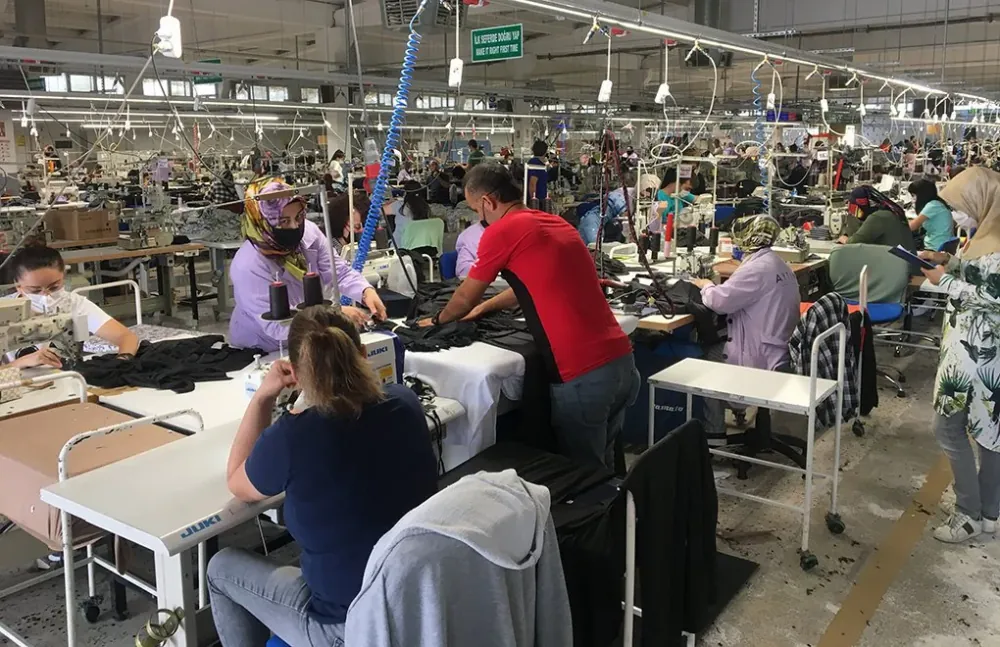
- Registry and tax records matched against the entity before arrival
- Floor walk: looms, sewing lines and machine counts against the quote
- Quoted capacity checked against the lines and working hours
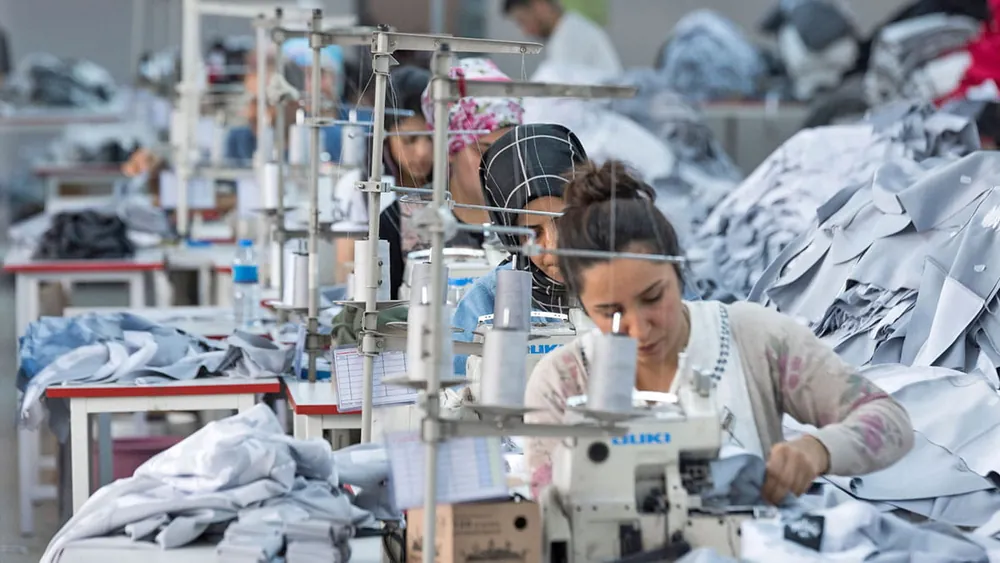
- Sub-contracting and fabric origin traced to the tier below
- Fabric and trim lots checked against the approved spec
- Counter-sample sealed and the written verdict issued
The report you receive
- Signed floor-walk sheet, with photographs and machine counts
- A sub-tier list naming any outsourced step
- Fabric and trim origin notes for cumulation
- A capacity statement tied to shifts and headcount
- A written verdict you can file
Capacity and identity claims are checked against the registry and the floor, because a firm that closed last year cannot honour the next PO. The report is signed by the visiting partner.
Checked Where It Is Made
38 QC checkpoints between first article and the loading bay
A Turkey quality control and inspection sourcing agent inspects at the plant, not from a spreadsheet. Five gates across the run, each with its own criteria and a report that unlocks the next milestone.
● ANSI/ASQ Z1.4 — sampling standard
- 01 Before the line
Fabric and trim intake
6 checksWeight, shade, shrinkage, colour fastness, lot match and a full fault scan on the delivered roll.
Report: Intake report with photographs
- 02 Start of run
First-article approval
8 checksMeasurement, construction, print placement, trims, labels, stitch, fit and finish against the sealed sample.
Report: First-article sign-off
- 03 10–25% complete
In-line inspection, early run
9 checksWorkmanship, measurement drift, needle damage, tension and hygiene checked while corrections are cheap.
Report: Early-run report with defect log
- 04 60–75% complete
In-line reinspection, late run
7 checksDefect trends confirmed as closed, measurement stability and packing checked before the run finishes.
Report: Late-run report with CAPA status
- 05 Before the container
Pre-shipment and loading
8 checksAQL sample drawn and measured, carton marks, packing list, seal and quantities against the order.
Report: Pre-shipment and loading report
Inspection is carried out on the ground by our partner, against criteria you have signed. The report — not a photo of a loaded container — releases the balance. The pre-shipment sampling inspection is the gate that closes the run. For the full walkthrough, see the product inspection guide.
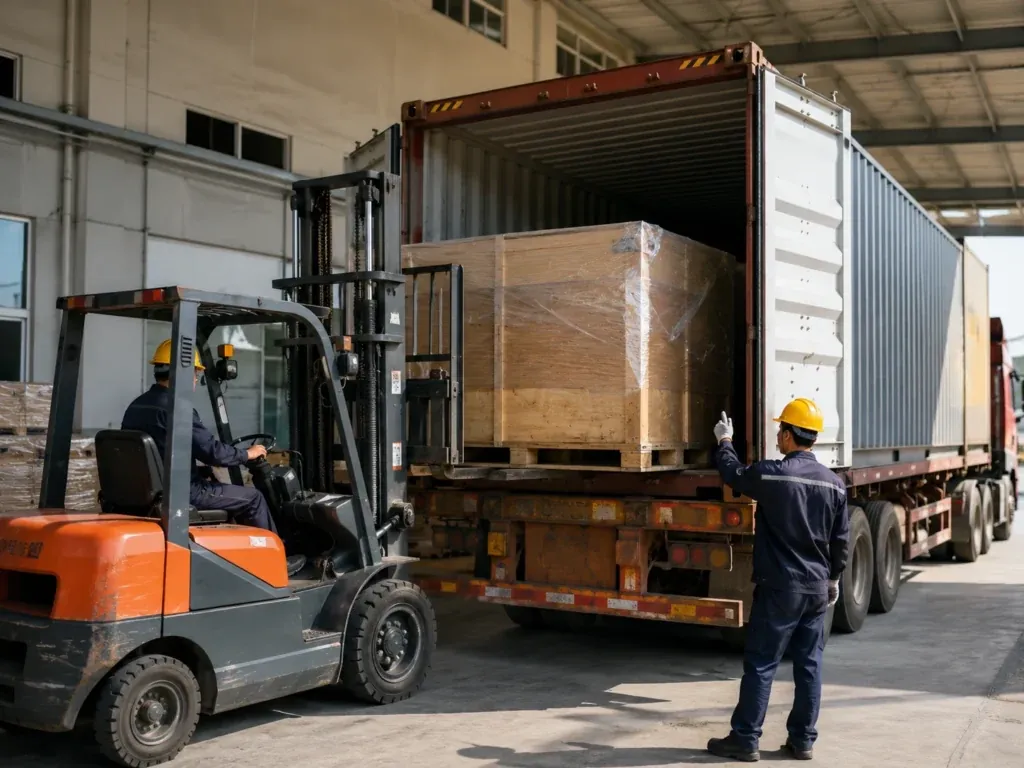
The Standards We Document
EN ISO 20471 and three more — the workwear standards we document before the run
Turkey workwear sourcing agent work lives or dies on the certificate file. These are the four standards an EU and UK workwear order most often names, and the papers we collect before bulk.
- EN ISO 20471
High-visibility clothing
Hi-vis vests, jackets and trousers for roadside and site work
We document: Test report, module certificates and the CE label
- EN 343
Protective clothing against rain
Waterproof and breathable rainwear
We document: Water-penetration and breathability test report
- EN ISO 11612
Clothing to protect against heat and flame
Flame-resistant workwear for heat and molten-metal exposure
We document: Limited flame-spread and heat-transfer test reports
- EN ISO 13034
Protective clothing against liquid chemicals
Light splash protection for chemicals
We document: Splash-resistance test report and care label
These are the four most-asked standards on a workwear order. Each one travels with the garment as a file, not a claim, and the file is checked before the first bulk run rather than after. For CE marking on protective clothing, see CE vs FCC vs RoHS.
Who Signs the File
73 tariff chapters in one customs union — who carries the risk across shortlist, QC and A.T.R
A Turkey order has more parties than a China one: your brand, a mill, a sewing floor, a partner on the ground and a broker at the port. A single owner across all of them is the difference.
Two Rebuilds, Labelled
Where $16.8B of apparel exports are decided — two labelled rebuilds
Two representative rebuilds, both qualitative and clearly illustrative. The change comes from the cluster choice, the origin file and the inspection plan — not from a claim about a cheaper factory.
Apparel reorder, rebuilt on a Turkish line
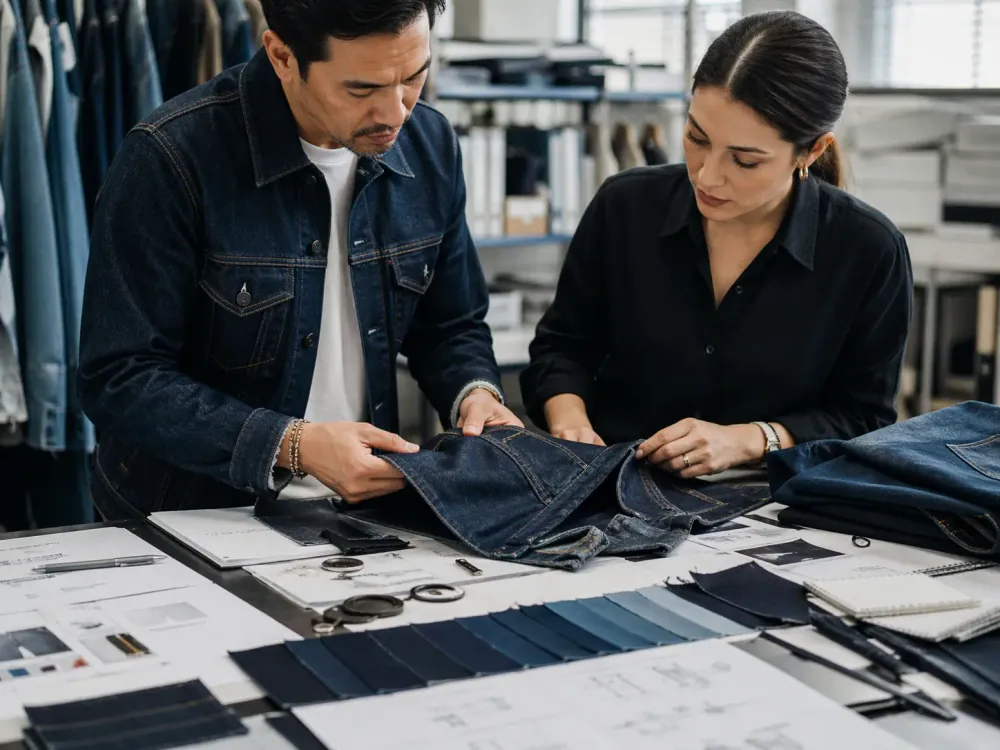
- What was wrong
- Reorders ran on a long ocean cycle, and the origin was assumed rather than documented.
- What we changed
- Shortlisted a Denizli–Bursa denim line, built the A.T.R file per consignment and added partner QC gates.
- Result
- A short-cycle reorder with a documented origin and one landed figure.
The product spec was unchanged. The cluster, the origin file and the inspection plan were rebuilt around it.
Leather goods, moved to a tannery-adjacent cluster
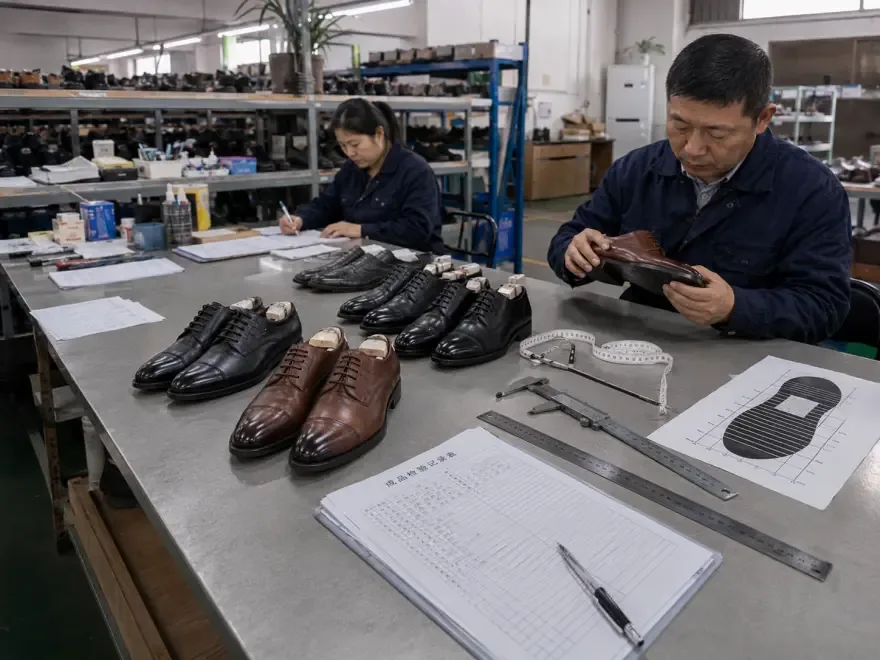
- What was wrong
- Material and finished-goods work sat in two regions, and the origin claim arrived late.
- What we changed
- Moved sampling to a leather cluster, matched the tannery to the bag and prepared the EUR.1 file early.
- Result
- One region from material to finished goods, with the origin claim ready before shipment.
No change to the design. The material route and the origin paperwork were rebuilt.
Illustrative examples. These two are representative of the change we make, not quoted client results.
On the Record
A $77.2B production base — and the commitments behind every order
A team that works from China has to be explicit about what it does and does not have. These are the eight clauses we put in writing before a first order.
Statement of Commitments
Turkey sourcing
- 01
A single contact, start to finish
One person owns your file from brief to delivery, so you are not re-explaining the order to a new desk at each stage.
- 02
Partner work named, not implied
Every site visit names the person who performed it, with a signed sheet and photographs, never summarised as 'we inspected'.
- 03
Origin file prepared before the PO
The customs paper is built from the mill's own input records, so the claim is ready when the goods are.
- 04
Balance released against a report
Payment is unlocked by the pre-shipment report, never by a photograph of a loaded container.
- 05
No local office is implied
Site work is carried out by vetted Turkish partners, named in writing on every report. No office and no staff are implied.
- 06
China bench on the same spec
Anything Turkey cannot make to spec runs on the China bench under the same written spec and the same QC gates.
- 07
Costs agreed before they move
If a cost moves, it is agreed in writing before the PO, not presented as a variance after the goods ship.
- 08
A written decision at each gate
Each vetting and QC gate ends with a dated decision you can see, so a shortlist is a record, not a conversation.
Issued to you in writing before a first order. Each site visit is performed by a named local partner, credited on the report.
From EU and UK Buyers
56 weeks on — what two EU brands stopped chasing
Two buyers running a Turkey line, and the thing they stopped doing: chasing an origin document, a partner report and a landed number across a border they could not see.
Larkspur sells denim and knitwear into Germany, and for two years every reorder meant weeks at sea and an origin document that showed up late.
What changed was having one plan. The repeating range now runs on a Turkish partner's line, with the A.T.R signed off before the goods move, and I get a partner report at each gate instead of a photo after packing. The duty advantage is real, but the reason I stay is that I can see the order.
Almost a year of reorders later, my plan runs off dates I can hold, not a story I have to defend. That is the whole difference.

Marta Kessler
Founder, Larkspur Apparel
Apparel — Germany
Bracken & Vale ships leather goods into the UK, and our range used to ride on one origin and one long cycle. A single late container could push a launch.
The difference now is clarity. I know which pieces run in Turkey and which stay on the China bench, and I can quote a launch without padding it for a container that might slip. The UK paperwork is settled before the goods leave, not discovered on arrival.
The plan is what I trust now, more than the headline price. I no longer build a launch around a delay I cannot see.

Julian Ashworth
Head of Supply Chain, Bracken & Vale
Accessories — UK
Before the Turkey PO
Straight answers — every one in 39 words or fewer
Do I need a Turkish company to source from Turkey?
No. An order can be placed through a vetted Turkish partner or exporter, with the origin file in your name. Own a Turkish entity only when a recurring line justifies the setup.
Is A.T.R the same as a certificate of origin?
No. A.T.R is a movement certificate for goods already in free circulation in the customs union; it is not an origin certificate. UK shipments use the origin declaration or EUR.1 under the continuity agreement.
What is a realistic minimum order from Turkey?
Private-label apparel often opens at 100 to 300 pieces per style and colour. Packaging and home textiles sit higher, closer to 500. Ask for the supplier's own minimum before quoting your margin.
How does QC work if you are not in Turkey?
Our local partner runs the inspections on the ground, against criteria you sign. We plan the checks, review every report and hold the balance until it clears.
How long does a Turkish order take?
A knit or woven style can reach bulk in four to seven weeks after fabric approval. A bespoke wash or a specialty fabric stretches that further.
Which workwear documents should I expect?
A test report per standard the buyer names, module certificates where the fabric carries them, and the CE declaration. Request the file at the sample stage, not once the line is running.
Can I split an order between Turkey and China?
Yes, and many brands do. Keep the repeating short-cycle lines in Turkey and the low-price or long-tail SKUs on the China lane, run by one team across both files.
What happens if an inspection fails?
The balance holds and the defect trend is fixed before packing. The partner re-inspects against the same signed criteria until the report clears, with any rework cost agreed in writing first.

A quoted first order in 34 days — Turkey, China or both
Send the product, the reorder cycle you need and the destination. We come back with the cluster shortlist, the origin route, the QC plan and one landed cost — before you commit.