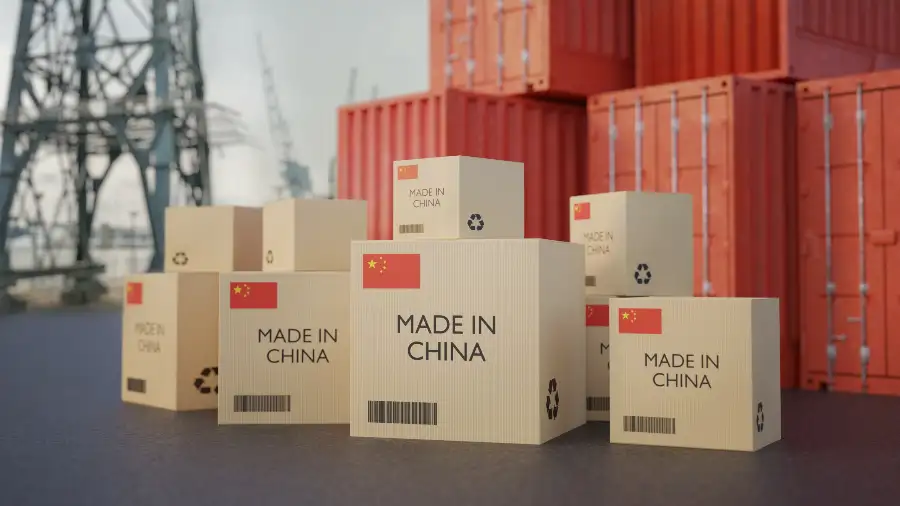
A CIF invoice says insurance is included. It does not hand you complete, directly claimable, door-to-door protection. Cargo insurance importing from China breaks at this exact seam. Procurement teams often treat a supplier certificate as full risk transfer, then argue a claim for weeks.
This is a sign-off SOP for mid-market and enterprise teams, not a beginner glossary. It comes from reviewing seller insurance certificates, purchase files, and claims handoff records for importers shipping from China. It focuses on real certificate failure patterns, not invented claim amounts or fake percentages.
Start with our Incoterms 2020 guide. By the end, you can sign off or hold a China-origin shipment on six control points: the Incoterm, the clause level, the certificate wording, the transit duration, the evidence pack, and the claims path.
You will learn when CIF minimum cover is insufficient, when buyer-side warehouse-to-warehouse cover becomes mandatory, and how to keep a claim alive from dock to insurer.

Cargo insurance · Incoterms® 2020 · claims SOP
Key Takeaways
Before you sign, hold a shipment, or accept a supplier certificate, these six points decide whether you can actually claim.
- Confirm who insures the cargo first. Under Incoterms 2020, only CIF and CIP oblige the seller to insure; otherwise the buyer arranges cover, except DAP, DPU, and DDP where the seller carries the risk.
- Audit the clause, not the invoice. CIF defaults to Institute Cargo Clauses (C), which excludes theft and shortage, and “all risks” is never all risks.
- Check the named insured and any endorsement. A certificate proves cover exists; a factory-only insured with no endorsement gives you no direct claim right.
- Match the four terms to the real route. Require at least 110% of contract value in the contract currency, confirm war and strikes cover, and write inland legs into the transit clause.
- Build the loading evidence pack before the door closes. Timestamped photos, a matching seal record, and container fitness notes decide factory-versus-transit disputes.
- Re-approve cover when the transit design changes. A new inland leg, longer storage, an Incoterm switch, or a route change can void a port-to-port certificate.
Prerequisites
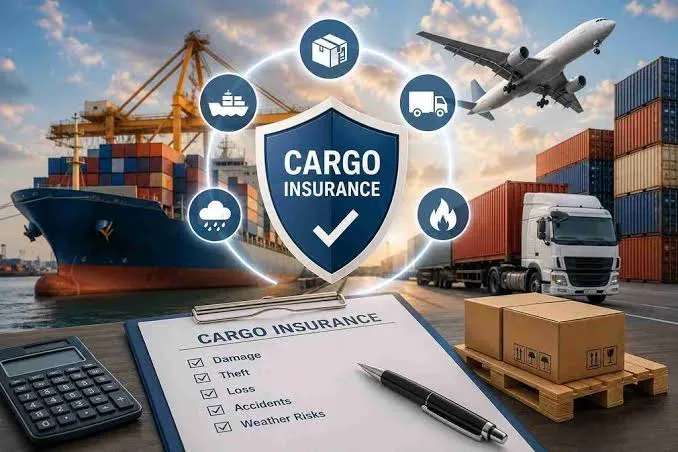
Reading time: under 30 minutes. Reviewing one certificate is faster; building the loading evidence pack takes longer and happens at the factory.
Documents open:
- Purchase contract or PO with the agreed Incoterm.
- The chosen Incoterm, written down.
- Pro forma or commercial invoice and packing list.
- Booking confirmation with routing and ETA.
- Seller insurance certificate and the full policy wording, not a summary.
- Broker quote, if you are placing buyer cover.
- Receiving SOP for your warehouse or 3PL.
Owners. Procurement Manager: terms. Logistics or Import Manager: cover placement and certificate audit. QA or QC Lead: loading evidence pack. Finance or Operations: premium approval and claim-file retention.
Hold point. No PO release or loading approval until resolved: insurance duty, named insured, clause edition, destination wording, and evidence-pack ownership.
Key point. Incoterms split duties; they do not create claim rights under the insurance contract. Check the wording.
Insurance wording interacts with the sale contract and transport documents. Read the ICC Incoterms® 2020 rules before you sign.
Assign one owner per hold point. Unassigned evidence delays claims.
Cargo Insurance Importing from China: Bulletproof 8 Steps
Audit cargo insurance importing from China the way a claims team does. Spot ICC (C) traps, missing claim rights, and port-only wording before you release a shipment.
Step 1: Confirm Who Places Insurance Cover Under Your Incoterm

Step 1 is deciding who actually places cover under your shipment term. The ICC’s CIF and CIP rules set the baseline, and they are stricter than most buyers assume.
Separate three issues before you sign: risk transfer, freight payment, and minimum insurance duty. Check the contract line for “Incoterms® 2020” plus the three-letter rule and the named place. If the buyer says CIF but the line reads FOB, stop.
Under Incoterms® 2020, only CIF and CIP require the seller to arrange cargo insurance. CIF applies only to sea and inland-waterway transport, with a default of Institute Cargo Clauses (C). CIP requires Clauses (A).
Under CIF, risk passes when the goods are on board. For containers handed to the carrier at a terminal, the ICC suggests CIP, which also requires Clauses (A).
| Incoterm | Who carries transit risk | Insurance duty | Risk passes |
|---|---|---|---|
| EXW | Buyer | Buyer should consider cover | At the seller’s premises |
| FCA | Buyer | Buyer should consider cover | When handed to the first carrier |
| FAS | Buyer | Buyer should consider cover | Alongside the ship at the port of shipment |
| FOB | Buyer | Buyer should consider cover | When goods are on board |
| CFR | Buyer | Buyer should consider cover | When goods are on board |
| CIF | Buyer | Seller must insure, ICC (C) or similar, claimable by buyer | When goods are on board |
| CPT | Buyer | Buyer should consider cover | When handed to the first carrier |
| CIP | Buyer | Seller must insure, ICC (A), claimable by buyer | When handed to the first carrier |
| DAP | Seller | Seller bears risk; cover optional for the seller | At the named destination |
| DPU | Seller | Seller bears risk; cover optional for the seller | Unloaded at the named destination |
| DDP | Seller | Seller bears risk; cover optional for the seller | At the destination, cleared for import |
Read the rows carefully. Only CIF and CIP oblige the seller to insure. Under DAP, DPU, and DDP the seller carries transit risk; under every other rule the buyer does, so arrange your own cover unless the seller already insures it.
CFR and CPT mean the seller pays freight, not that the seller stays on risk.
Many teams read “seller paid freight” as “seller still carries the risk.” Under CFR and CPT, freight is the seller’s cost to arrange, but transit risk already passed to the buyer.
Verification: You can now decide whether seller cover applies to you. If it does not, bind your own policy before the first movement.
If custom wording changes the term, send it to legal review.
Step 2: Audit the Seller’s Insurance Certificate Field by Field

A certificate is evidence that cover exists. It does not prove you can claim directly, and it does not prove the right risks, route, and duration are insured. The failure usually shows up in the named insured line or the transit wording.
Open the seller’s certificate and the policy wording side by side. Audit each field below and record the result.
| Field | Where to find it | Pass / Hold | Why it matters |
|---|---|---|---|
| Clause edition and wording reference | Certificate face and schedule | Pass: names ICC (A), (B), or (C) and the 1/1/09 or 1/1/82 edition, or the PICC/CIC equivalent | ”Insurance included” with no clause named cannot be audited |
| Named insured and endorsement | Insured line and any endorsement | Pass: names you, your loss payee, or carries a blank endorsement you can take | A factory-only insured leaves you without a direct claim right |
| Named places and route | Origin, destination, and transit clauses | Pass: matches the real route, including inland legs | Port-to-port wording fails a door delivery |
| Sum insured and currency | Certificate schedule | Pass: at least 110% of contract value, in the contract currency | Under-insurance shrinks recovery; FX mismatch causes disputes |
| Deductible or franchise | Policy schedule | Pass: disclosed and acceptable | An undisclosed excess cuts the payout |
| Exclusions | Policy wording, exclusions clause | Pass: reviewed against your cargo and route | War, strikes, and handling exclusions change the answer |
| War and strikes cover | Endorsements | Pass: present if your contract needs it | Under CIF these are extra, not automatic |
| Claims contact route | Certificate or broker note | Pass: named contact and notice steps saved | A claim with no notice route loses time |
| Governing law and jurisdiction | Policy wording | Pass: reviewed, or flagged for legal review | A foreign forum can make a small claim uneconomic |
Pass only when every field matches the contract and the real route. Hold when any field is blank, vague, or route-limited.
Under CIF, the seller must buy cover that lets you claim directly. If the certificate names only the factory, ask for a blank endorsement you can complete, or bind your own policy.
The minimum sum insured is the contract price plus 10 percent, in the contract currency. Treat that as a floor, not a target. Confirm what the amount actually covers, including freight and other recoverable charges.
The certificate also travels with the documents. See our guidance on customs clearance documents and the safest way to pay Chinese suppliers so the certificate, invoice, and payment record line up.
From our audits — Clause (C) marketed as “all risks” is the pattern we see most. It is not all risks. Under CIF the default is Clauses (C), so read the clause line before you trust the cover note.
Verification: Treat seller cover as a backstop only when your contract obliges the seller to insure. Otherwise bind buyer cover with direct claim wording.
Step 3: Match Clause Breadth to Real Loss Scenarios
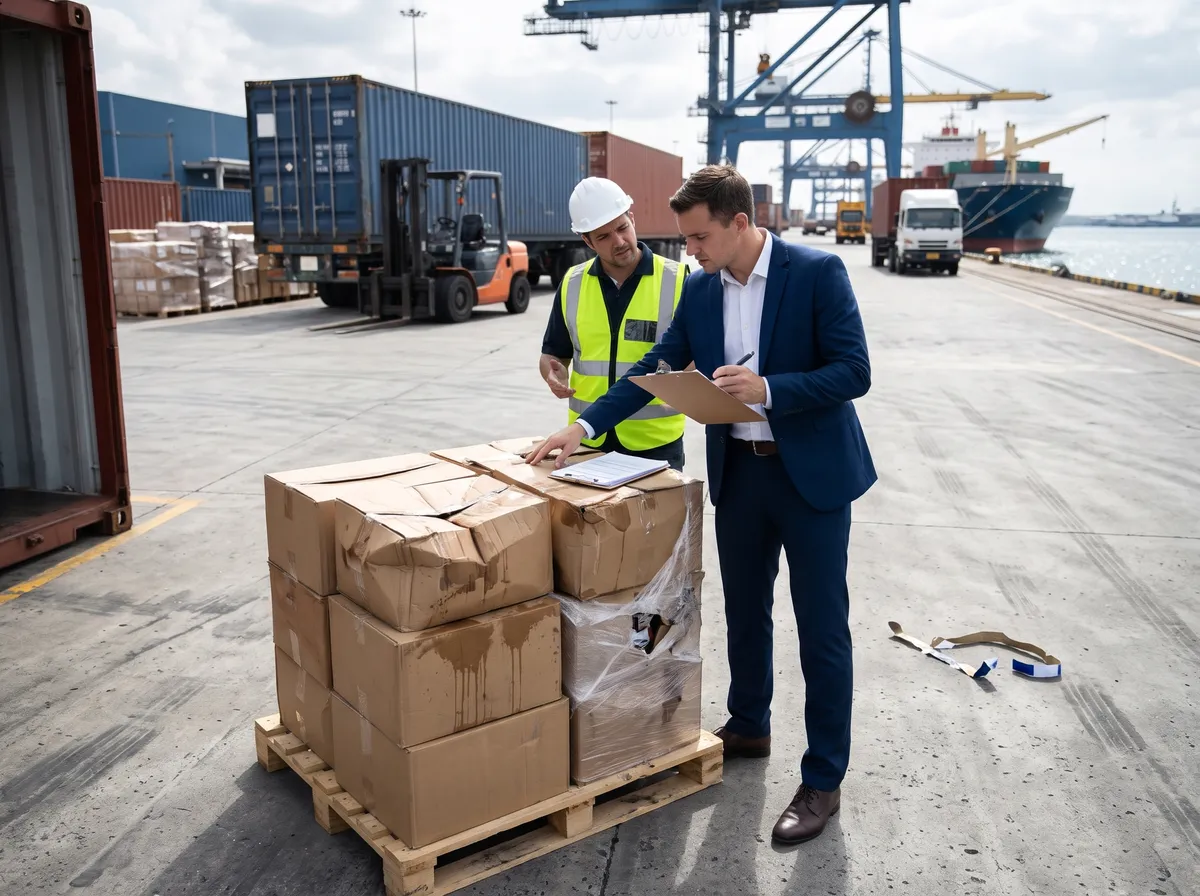
Start with the loss, not the label. ICC (C) covers only listed perils. ICC (A) is broader but still excludes poor packing, inherent vice, and other named risks. “All risks” never means every cause of loss is covered.
- ICC (C) covers fire or explosion, stranding, grounding, sinking or capsizing, overturning or derailment of a land conveyance, collision, discharge at a port of refuge, general average sacrifice, and jettison.
- ICC (B) adds earthquake, volcanic eruption and lightning, washing overboard, sea or river water entering the vessel or container, and a full package dropped during loading or unloading.
- ICC (A) covers everything except the exclusions.
Theft and shortage are not listed in (B) or (C). Check the version too: a certificate should cite the 1/1/09 or the 1/1/82 edition. Chinese export certificates often use PICC or CIC clauses, so do not map the ICC letters onto them without reading the wording.
“Clauses (C) is a named-perils list, not all risks, and the edition matters,” says Cargo Insurance Expert Tracy Wu. “Read the actual wording, because a 1/1/82 edition or a PICC or CIC form will not always line up with the ICC letters printed on the certificate.”
| Loss scenario | ICC (A) | ICC (B) | ICC (C) |
|---|---|---|---|
| Theft, pilferage, or shortage | Covered | Not covered | Not covered |
| Earthquake, lightning, volcanic eruption | Covered | Covered | Not covered |
| Sea or river water entering the container | Covered | Covered | Not covered |
| Full package dropped during loading | Covered | Covered | Covered |
| General average sacrifice and jettison | Covered | Covered | Covered |
| Poor packing done before cover starts (Clause 4.3) | Excluded | Excluded | Excluded |
| Inherent vice or nature of the goods (Clause 4.4) | Excluded | Excluded | Excluded |
Use this table against your actual cargo. If theft, handling damage, or container water is a real risk, the (C) level is too narrow and you need (A), or buyer-side cover.
Choose your placement route: a marine broker, an annual open cover, or a per-shipment policy. Compare wording and claims support, not just price. A cheap policy with slow claims support costs more in a real loss.
Treat the (C) level as adequate only where loss history shows no theft and no handling claims. Most importers cannot show that.
Verification: You should now take one of three actions: rely on seller minimum cover, require a clause upgrade, or bind buyer-side warehouse-to-warehouse cover before the first movement.
For shipment planning, see our guide on logistics management.
Step 4: Lock the Four Insurance Terms to the Shipment Route

Open the certificate and the booking side by side. Lock four items in this order: sum insured, contract currency, transit duration, and endorsements or excesses. Release only when each line matches the booking route.
- Sum insured. The Incoterms CIF minimum is the contract price plus 10 percent. Confirm what that amount covers and whether freight and other recoverable charges are included.
- Contract currency. Match the policy currency to the contract currency. Flag any FX mismatch before approval.
- Transit duration and scope. Under warehouse-to-warehouse wording, cover starts when goods first move for immediate loading. It ends at the final warehouse, or 60 days after discharge, whichever comes first. That is not blanket storage cover. See the New India Assurance marine cargo guide (2013) for the transit clause.
- Endorsements and excesses. War and strikes are separate clauses. Check whether they are included or absent, and record any deductible or franchise.
Record these on the cover sheet: the origin trigger, the final delivery point, the longstop date, the deductible or franchise, the war and strikes clause references, and any storage or transshipment notes.
Inland gaps appear when teams read the premium line and skip the transit clause. Storage, or a re-route, can fall outside the insurance period. If the shipment re-routes, compare sea, air, and rail freight before you re-approve cover.
If a war or strikes endorsement is missing and the route needs it, hold the shipment until the broker adds it.
Verification: Do not release until all four lock items appear in writing and match the booking route.
Step 5: Build the Loading Evidence Pack Before the Container Door Closes

When transit damage is alleged, the claim usually turns on one question: can you prove the goods left the factory in sound condition and were packed fit for transit? Missing loading photos and seal records kill valid claims.
Before the door closes, the minimum evidence pack holds nine items: commercial invoice, packing list, transport document, packing specification, carton drop-test or strength evidence where available, timestamped loading photos, seal number record, container fitness notes, and a pre-shipment inspection or QC record. That record must separate product conformity from packing and loading condition.
Expect photos of the seal close-up, dry floor, intact gaskets, carton condition, and the loading sequence. A freight forwarder’s supervision does not transfer file ownership; your team still owns the evidence. Feed during-production inspection reports into the same claim folder.
Hold point. If the seal log, the container condition, or the packing evidence is incomplete, do not approve loading.
Use this SOP table. Fill every row before the door closes.
| Item | Owner | Capture point | Pass/Hold | Where saved | Why it matters in a claim |
|---|---|---|---|---|---|
| Timestamped loading photos | QC Lead | Before seal | Pass: 6 angles | Claim folder | Proves condition at handover |
| Seal number record | Logistics | At door close | Pass: photo and log | Claim folder | Links factory to container |
| Container fitness notes | QC Lead | Before loading | Hold: holes, odors | Claim folder | Shows carrier versus factory cause |
Loading photos and a matching seal log end the factory-versus-transit argument. Both sides see the same condition before the door closes.
Match the packing spec to the product. See our guides on packaging quality standards and drop and packaging testing. For a worked example, see how packaging optimization reduced shipping damage.
From our audits — The most common gap is timestamped photos with no matching seal number. That combination fails in a claim, because it cannot tie the container to the factory.
Verification: You now know exactly what evidence must exist before the container door closes.
Step 6: Triage the Bad Arrival Before You File a Claim

At arrival, start at the receiving dock. Photograph the container, the seal, and the pallets before anyone opens a carton. Smell for mold, feel for wet cartons, check crushed corners and broken pallets, then open one carton.
Not every bad arrival is a cargo claim. Wrong material or substitution goes to the supplier. Clean cartons with hidden product defects go to supplier QC. Wet outer cartons with dry goods often point to a leaking container or condensation, so check the container notes before you blame packing.
Crushed corners in a factory-loaded or factory-sealed full container invite a shipper’s load and count defense from the carrier. Mold inside clean cartons points to moisture at packing or inherent vice, which needs a policy review for exclusions.
Record each finding on a triage sheet so one owner takes each path.
| Observation | Likely path | Needed evidence | Owner | Next action |
|---|---|---|---|---|
| Wrong SKU or substitution | Supplier | PO, packing list, arrival photos | Procurement | Raise with supplier |
| Wet cartons, dry product | Container leak or condensation | Container notes, photos of roof and floor | Logistics | Inspect container; notify carrier |
| Crushed corner, sealed full container | Carrier, or shipper’s load and count | Loading photos, seal record | QC | Notify carrier; check loading pack |
| Mold inside clean carton | Moisture at packing or inherent vice | Packing spec, humidity record | QC | Review policy exclusions |
Before goods move, name the first filer and the evidence folder for each path. Link this step to pre-shipment inspection and quality control.
Filing a carrier claim for wet cartons caused by poor packing wastes weeks. Match the observation to the right path first.
Verification: After this section, you know which path each arrival problem takes before you contact anyone.
Step 7: Execute the Arrival and Claims SOP from Dock to Insurer Handoff

The first hour after arrival decides the claim. Inspect before acceptance where possible, and note every exception on the delivery receipt. Photograph the container, the seal, and the cartons before unloading, and keep the damaged packaging.
Keep damaged packaging until the surveyor sees it. The survey report is often the strongest evidence in a cargo claim. Do not dispose of or materially interfere with damaged cargo before the survey where practicable.
Check your bill of lading for the governing rules. Under the Hague-Visby Rules, apparent damage must be reported in writing at delivery and hidden damage within three days, with a one-year time bar to sue.
The TT Club convention handbook summarises these carrier regimes. If the shipment falls under another regime, such as China’s Maritime Code or US COGSA, the bill of lading’s paramount clause decides.
China’s Maritime Code sets its own notice periods for hidden damage, so confirm the current articles and deadlines against the published text before you rely on them. A US import usually applies COGSA as written into the bill of lading.
General average is separate. If it is declared, the carrier will ask for an average bond and security before releasing the cargo.
Your insurer can usually post the guarantee for you; without cover you may have to lodge a cash deposit. Calculation follows the York-Antwerp Rules version named in the bill of lading. See the CMI guide to the York-Antwerp Rules.
| Step | Who to notify | Evidence needed | Owner | Deadline source |
|---|---|---|---|---|
| Arrival, before unloading | Carrier; insurer per policy | Photos of container, seal, cartons | Logistics | Policy and carriage contract |
| Damage found | Carrier in writing; insurer | Delivery receipt notes, survey request | Logistics | Bill of lading regime |
| Survey | Insurer or their surveyor | Damaged cargo and packaging | QC | Policy |
| General average | Insurer first | Average bond, guarantee | Finance | Bill of lading and York-Antwerp Rules |
| Claim filing | Insurer | Full evidence pack | Finance or Operations | Policy notice terms |
The single biggest avoidable mistake is signing a clean receipt before inspection, or discarding damaged packaging too early. Note exceptions and keep the packing.
Verification: After this section, you know how to keep the claim alive from the dock to the insurer handoff.
Step 8: Re-Open Insurance Approval When the Transit Design Changes

Insurance approval is not one-and-done. Revised POs often arrive after booking. Treat each of these as a fresh decision: an Incoterm switch, a new inland leg, a longer storage period, a route change, a delayed pickup near the longstop, new cargo characteristics, or a packaging change.
Warehouse-to-warehouse wording is not blanket permission. Route and storage changes shift the duration and the ordinary-course-of-transit assumptions. Check the transit clause against the new booking, not the premium line.
Order matters. First, amend or bind cover. Second, update the audit sheet. Third, release loading or onward movement. Where a broker endorsement is needed, get it plus internal sign-off.
A FOB-to-DDP change is always a mandatory hold, because the risk and insurance duties move to a different party.
From our audits — A revised PO added an inland leg, and the certificate still read port to port. We held the container until the broker endorsed the change.
Link this gate to shipping from China, DDP vs DDU, and supplier risk management.
Verification: You can explain why approval expires when the transit design changes.
Troubleshooting

A repeated failure pattern in seller or forwarder cover is a mismatch with the buyer’s transit, clause, or direct-claim right. Audit the wording, not the invoice.
CIF: “Insurance is handled.”
Why: CIF defaults to Clauses (C), a minimum clause that may exclude theft and shortage, and it may name only the factory. Now: Audit the clause, route, sum insured, and endorsements. Verify loss-payee wording and direct claim rights, and treat seller cover as a backstop. See the Incoterms® 2020 rules.
”We cannot claim directly.”
Why: You are not the named insured or loss payee. Cover exists, but your claim right does not. Now: Ask for a blank endorsement you can complete, or bind buyer-side warehouse-to-warehouse cover for future shipments.
Damage after unloading, clean receipt signed.
Why: A clean receipt weakens carrier liability, and discarded packaging kills evidence. Now: Photograph the cargo, seal, and packaging, preserve the packing, and notify the carrier and insurer per the wording. Coordinate the survey before disposal.
General average or carrier security request.
Why: Ad hoc guarantees create unbudgeted exposure. Now: Call the insurer first. Let them handle the security, and make no written commitment without approval.
Route or warehouse leg changed after booking.
Why: Approval expires when the transit design changes. Now: Return to Step 8. Amend cover first, update the audit sheet, then release.
Prevention. Audit every certificate and verify direct-claim rights before PO release.
People Also Ask About Cargo Insurance Importing from China
Does supplier-arranged CIF insurance give the buyer full cover?
No. Under CIF the cover is minimum, usually Institute Cargo Clauses (C). That clause is narrow, and certificates often name only the factory, leaving the buyer without a direct claim right. Use the ICC Incoterms 2020 rules as your baseline. If theft or handling damage matters, treat CIF cover as a backstop, not full protection.
Can I claim directly on my supplier's insurance certificate?
Only if the policy names you as insured or loss payee, or carries an endorsement you can take. A certificate proves cover exists; it does not create your claim right. Check the named insured line and any endorsement before PO release. If it names the factory only, ask for a blank endorsement or bind your own policy.
Which Institute Cargo Clauses level should I require?
Require ICC (A) for most high-value or theft-prone cargo. ICC (C) is the CIF default and covers only listed perils, so it may not pay for ordinary theft, shortage, or handling damage. Treat the (C) level as adequate only where loss history shows no theft and no handling claims; otherwise upgrade or bind buyer cover.
How long does warehouse-to-warehouse cover last?
Cover starts when goods first move for immediate loading and ends at the final warehouse, or 60 days after discharge, whichever comes first. That is not blanket storage cover. Check the transit clause against the actual booking, not the premium line, and confirm any inland leg is written in.
What loading evidence must I keep before the container door closes?
Keep timestamped loading photos, a seal number record, container fitness notes, the packing specification, and a pre-shipment inspection record. The seal photo must match the log. Without that link, the factory and carrier can argue about when damage happened. Put every file in one claim folder before loading.
When do I need to re-approve insurance after booking?
Re-open approval when the Incoterm changes, an inland leg is added, storage extends, the route changes, or packaging changes. Cover approval expires when the transit design changes. Amend the cover first, update the audit sheet, then release. Do not let a port-to-port certificate cover a door delivery.
Conclusion: Use This as Your Release Gate
Your team can release a China-origin shipment only when it answers six questions that map to the six control points above:
- Who insures the cargo under this Incoterm?
- Which clause applies, and is it enough for the real loss risks?
- Can the buyer claim directly, or is the certificate in the factory’s name?
- What is the transit period, and does it cover the full route and any storage?
- Where does the evidence pack live, and is it complete before loading?
- What is the claims path from dock to insurer, and who owns each deadline?
If any answer is blank, hold the shipment. Do not release a PO on an invoice phrase.
Turn this checklist into a PO-release and pre-loading sign-off form for every booking, and use it as your broker conversation brief. Our team can implement the gate. Contact us via our contact page for supplier sourcing and supplier management.
How we checked this. We checked these rules against Incoterms® 2020, the Institute Cargo Clauses (A), (B), and (C) 1/1/09, and the Hague-Visby Rules, as of November 2026. Our method was document review and hands-on certificate audits, not a claims database, and we did not use proprietary loss statistics.
Disclosure. LeelineGroup provides sourcing, inspection, and freight services, and this guide links to them. This guide is general information, not legal or insurance advice. Terms vary by policy, bill of lading, and country, so ask your broker or maritime lawyer to confirm each shipment.

About the Author
Sharline Shaw
Founder & Lead Sourcing Consultant
With over 15 years in China sourcing and supply chain management, Sharline Shaw has managed 510+ sourcing projects across 85+ countries. Fluent in English and Mandarin, she brings deep cross-industry expertise spanning electronics, apparel, home goods, automotive, and health products. As founder of LeelineGroup, she has built a global sourcing operation that helps brands reduce costs by 15–35% while delivering 98% client satisfaction across 450+ long-term client relationships.
Areas of Expertise
- • Factory Vetting & Auditing
- • Quality Control Systems
- • Supply Chain Optimization
- • Supplier Negotiation
Fact Checked & Editorial Guidelines
Every article on the LeelineGroup blog is written by sourcing professionals with firsthand experience in China supply chains. Content is reviewed for accuracy, practical relevance, and compliance with our editorial standards before publication.
Your trust is important. Learn more about our Fact Checking Process and Editorial Policy.