
Mexico Nearshoring, Run From China — Vetted Local Partners
Mexico Sourcing Agent — Truck-Speed Reorders, USMCA Origin Handled
A Mexico-first line with a vetted local partner on the factory floor, and a China bench behind it for anything Mexico cannot yet make to spec.
A China-based team runs Mexico nearshoring end to end — cluster shortlists, partner-run site visits and QC, the USMCA origin file, entity structure, and one landed cost you approve before the PO.
The speed of a border measured in days, with the depth of a supply base you already know.
2023
Largest US trade partner
2,000 mi
Shared border
1,463
Tariff lines repriced in 2026
The Work Behind the Line
20 checkpoints between brief and border
Six scopes, one accountable owner: factory vetting and supplier identification, the spec and product development, the run and its inspection, the USMCA file, and the freight that brings it across.
- 01 Supplier identification
Factories vetted, not listed
A shortlist you can defend, not a directory export: entity, floor capacity and sub-tier, checked in that order.
- Legal entity and RFC confirmed at source
- Line capacity seen on a partner-run site visit
- Sub-contracting mapped before any quote
- USMCA inputs traced down to the sub-tier
- 02 Product development
Spec and product development, written down
The brief becomes a spec a plant can build: a Mexico product development sourcing agent working in millimetres, tolerances and costed BOM lines.
- DFM review before the first sample
- BOM and tolerances written into the spec
- Fabric and trim specs matched to what the region stocks
- 03 Sampling
Sampling and tooling signed off
Nothing opens in bulk until the counter-sample and the production fixtures have both been approved against the written spec.
- Counter-sample approved against the spec
- Production fixtures and jigs validated
- A sealed reference sample held by both sides
- 04 Quality
QC gates through the run
The order is checked while the line is running, not judged at the door once it is too late to matter.
- Material and component intake checked
- First article signed off at the line
- In-line inspection early and late in the run
- Pre-shipment sampling before the balance releases
- 05 Origin
USMCA origin and IMMEX paperwork
The origin file is built alongside production, so the claim is documented rather than assumed at the crossing.
- Tariff-shift and RVC tested per line
- BOM and sub-tier traceability kept with the file
- Entity and IMMEX structure matched to the volume
- 06 Freight
Consolidation and the border
Several makers, one consignment, one cleared crossing — the pack and the product move on the same calendar.
- Cartons from several plants merged
- Pedimento and CBP entry data reconciled
- Truck booked to your address, not the border town
What Mexico Actually Makes
6 product families Mexico already makes to full-package standard
Mexico apparel and workwear sourcing agent work starts with what the clusters already do well at full-package standard. This is the map we start from, and where each family needs a plan around fabric. Before a fabric-led shortlist, review denim and cotton fabric specs.
-
 Cut and sewnFull package cut and sewn
Apparel and workwear, cut and sewn
Full-package cut-and-sew for programmes that repeat: workwear, uniforms and cotton basics, with a reorder cycle measured in days rather than months.
Mature
- Workwear and uniforms
- Cotton basics and knits
- Uniform programmes at volume
Plan around
- Imported specialty fabric adds 30–45 days
- Merino and technical softshell are not stocked locally
-
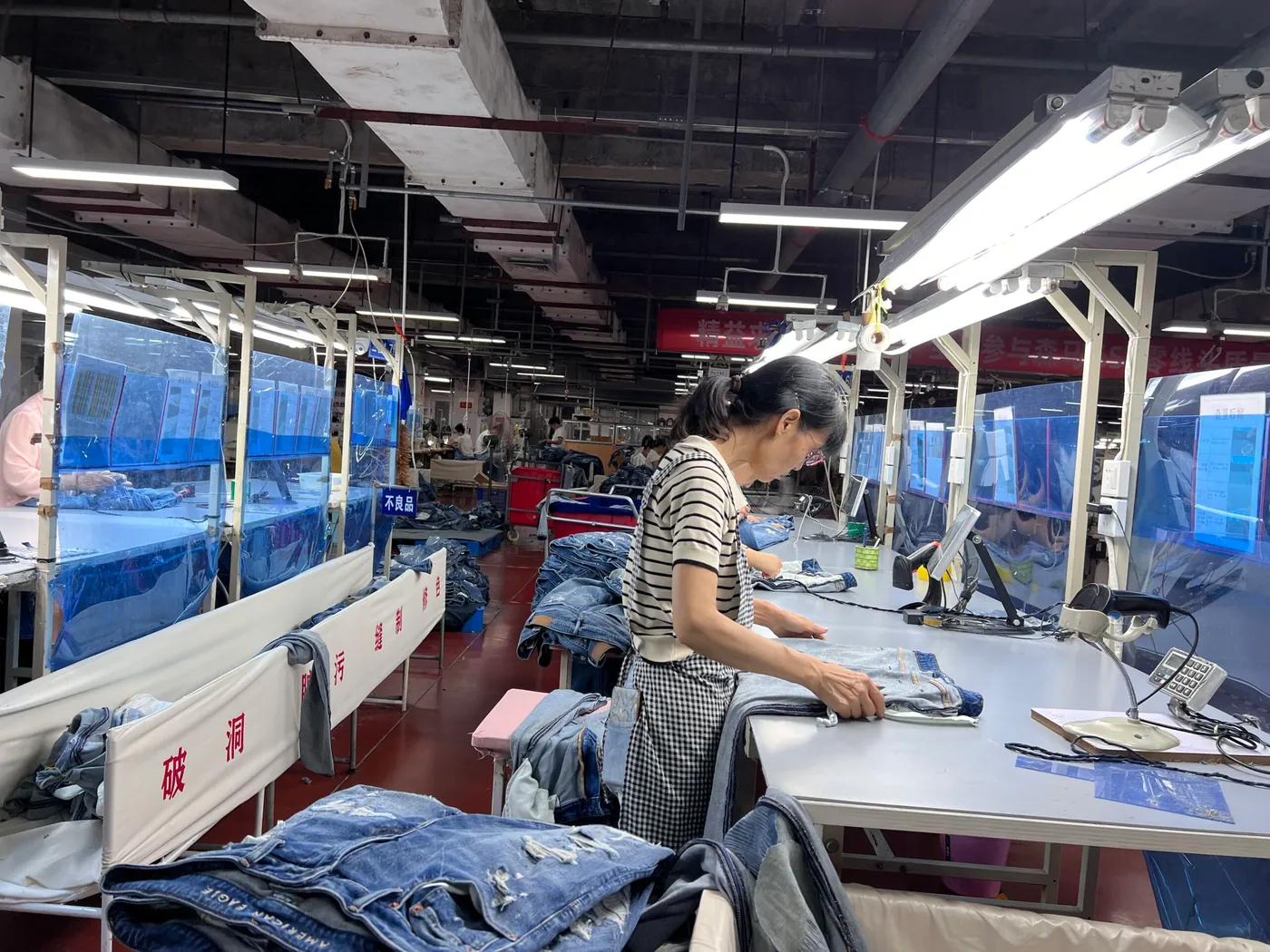 Denim and knit2 clusters denim hubs
Denim, cotton knits and fleece
A Mexico textile and denim sourcing agent line built on La Laguna and Puebla–Tlaxcala, where denim and cotton knits run at full-package depth.
Mature
- Denim and twill
- Cotton jersey and fleece
- Wash and finish development
Plan around
- Verify the denim mill, not just the sewing floor
- Hold a wash standard before the first bulk run
-
 Bags and packagingSKU-level artwork control
Bags, boxes and retail packaging
A Mexico packaging and bags sourcing agent scope that keeps the pack, the carton and the printed label on the same production calendar as the product.
Mature
- Totes and promotional bags
- Folding cartons and inserts
- Moulded and corrugated protection
Plan around
- Confirm food-contact and ink compliance per SKU
- Match board grade to the print method before proofing
-
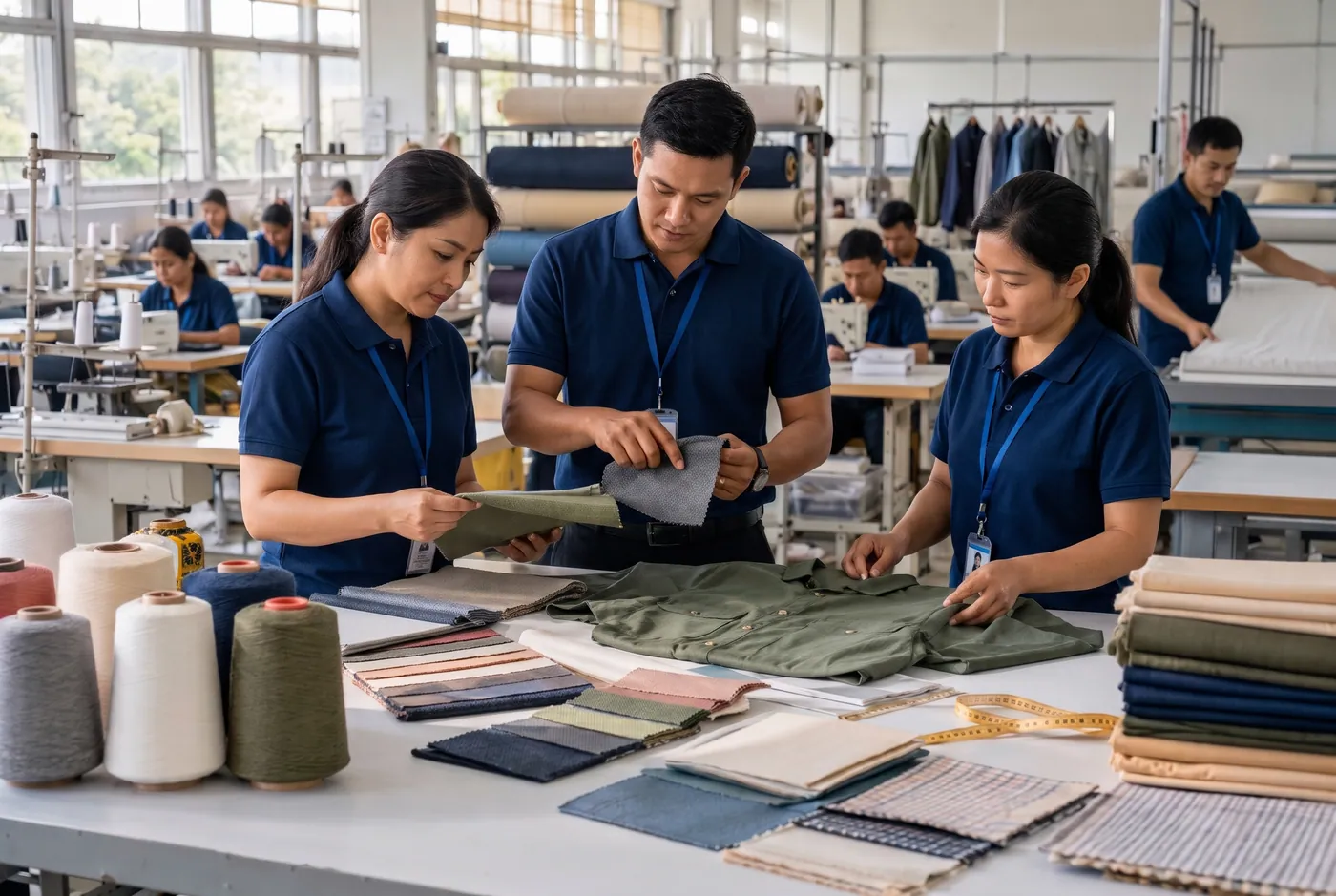 Development1–3 weeks sample turnaround
Sampling and small-run development
Round Mexico City and Edomex, sample rooms and small-run development let you prove a product before committing a line to it.
Mature
- Pattern and sample rooms
- Small-batch runs before scale
- Fit and construction iteration
Plan around
- Book sample-room capacity early in peak season
- Keep the spec in one file, not in chat threads
-
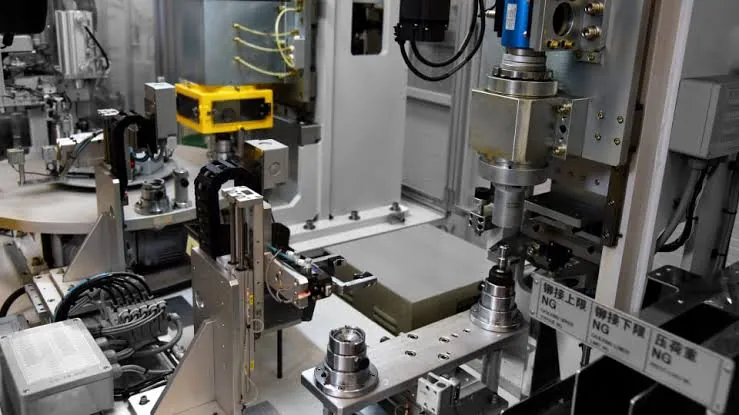 Hard goodsTier 1–2 supply depth
Auto parts, appliances and furniture
Monterrey, Querétaro and the northern corridor carry the hard-goods base — automotive, appliances and furniture that live or die on origin math.
Mature
- Tier-1 and Tier-2 auto parts
- Appliances and metal furniture
- Steel and aluminium fabrication
Plan around
- Build the RVC calculation before the quote
- Trace North American steel and aluminium by value
-
 Electronics and medical2 corridors Guadalajara, Tijuana
Electronics and medical assembly
Guadalajara and Tijuana assemble electronics and medical devices, where the compliance file and the Spanish label matter as much as the line.
Mature
- PCBA and cable assembly
- Medical device assembly
- Box-build and final test
Plan around
- Map NOM and FDA requirements per SKU
- Set Spanish labelling with the assembly spec
Origin Decides the Duty
The 75% origin test, rung by rung
USMCA is not a stamp; it is four tests applied line by line. A USMCA compliant Mexico sourcing agent file proves each one before the goods reach the border, because a self-certified origin claim is legally binding on the party that signs it.
Tariff shift at the heading level
Non-originating inputs must change tariff heading through processing in North America.
75%
The core threshold for most vehicles and core parts.
70%
Sourced in North America, by value, or the origin claim fails.
40–45%
Paid to workers earning at least US$16 an hour.
Ten documents behind the claim
- 01 Signed certification of origin Self-certified, with the signer named and accountable.
- 02 Line-by-line BOM Every input, its origin and its share of value.
- 03 Sub-supplier declarations Origin statements from the tier below the factory.
- 04 Producer affidavit and cost table The numbers the RVC and labour tests rest on.
- 05 Tariff classification memo The heading each input and the finished good sits in.
- 06 Labour value calculation Wage lines mapped to the 40–45% test.
- 07 Steel and aluminium origin proof Mill certificates or supplier attestations.
- 08 Commercial invoice and packing list Values and quantities that match the entry.
- 09 Pedimento and CBP entry summary The two records that must agree at the border.
- 10 Retained audit copy The file held for inspection after the goods move.
The certificate is self-certified but not informal: it carries legal weight, and the importer must be able to produce the BOM, sub-supplier declarations and cost calculations behind it. The first formal review of USMCA is scheduled for July 2026; nothing here predicts its outcome.
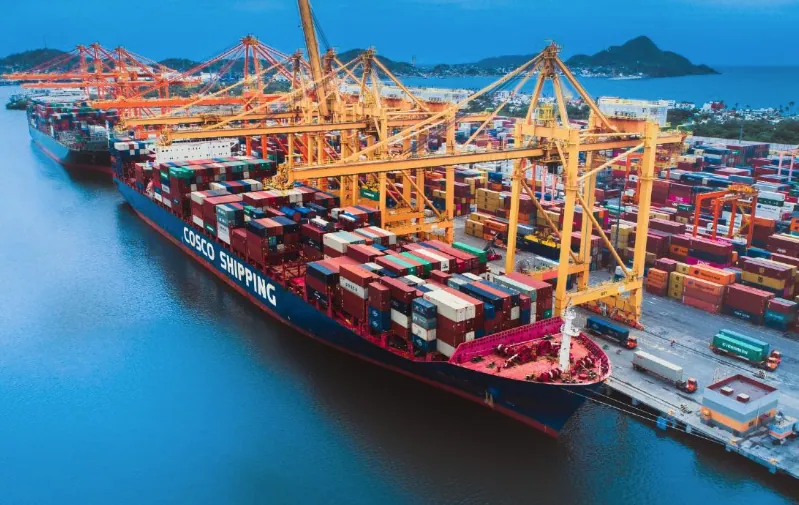
Days, Not Weeks
4 crossings, and the document lane behind each
On-the-ground Mexico sourcing agent work ends at a gate. Freight moves by truck, measured in days rather than weeks, and each gateway carries its own document lane and volume profile.
-
Laredo
Texas / Nuevo Laredo
Serves
Highest-volume truck gateway
Mode
Truck
Lane
CTPAT · NEEC fast lane
Documents
Pedimento, CBP entry summary, commercial invoice
The busiest land crossing for manufactured goods; book capacity early in peak weeks.
-
El Paso–Santa Teresa
Texas · New Mexico / Chihuahua
Serves
Central corridor
Mode
Truck
Lane
CTPAT · NEEC fast lane
Documents
Pedimento, entry summary, packing list
A central route for Juárez and Chihuahua output, with a second gate at Santa Teresa.
-
Nogales
Arizona / Sonora
Serves
West-coast and produce lanes
Mode
Truck
Lane
CTPAT · NEEC fast lane
Documents
Pedimento, entry summary, phytosanitary certificates where relevant
Serves Sonora plants and west-coast DCs; mixed loads may need extra inspection time.
-
Otay Mesa
California / Baja California
Serves
California-bound freight
Mode
Truck
Lane
CTPAT · NEEC fast lane
Documents
Pedimento, entry summary, commercial invoice
The main gate for Tijuana electronics and medical assembly headed to California.
On the US side the entry summary, ISF 10+2 for ocean legs, de minimis at US$800 and CTPAT set the lane. On the Mexican side the pedimento, the Padrón de Importadores, DTA at roughly 0.8%, 16% import IVA and NEEC apply. Both ends have to agree before a truck rolls. See the US import side for the entry file.
Where the Line Crosses
The break-even at 18-day reorders — and which side you are on
A Mexico nearshoring sourcing agent decision is not 'which factory is cheaper'. It is where unit price, transit, duty exposure and working capital cross for your reorder cycle. This is the see-saw we run before recommending a side.
Cross-over
China line
-
Factory price, the lowest line
Unit cost is usually the lowest of the two.
-
Ocean transit, weeks not days
In-transit time is stock you cannot sell yet.
-
Duty exposure after the 2026 reform
Tariff lines repriced for non-FTA origins.
-
Working capital tied in transit
Cash sits in containers for the whole voyage.
Mexico line
-
Factory premium, paid per unit
A higher unit price is the normal trade.
-
Truck transit, days not weeks
Freight is measured in days, not sailings.
-
USMCA-qualifying inputs, documented
Origin lowers duty only with the file behind it.
-
Reorder cycle of 14–18 days
Short cycles release cash back into the range.
-
Low turnover, price-led range
China on unit cost
-
Short cycle, cash-led range
Mexico on landed cash
-
Mixed range, both seasons
Run both lines
The tilt is not fixed. A price-led, low-turnover range tips to China on unit cost; a short-cycle, cash-led range tips to Mexico on landed cash. Most brands run both and split the range by SKU. Compare both lines in global vs local sourcing.
How to Hold the Entity
3 ways to hold the Mexican entity — and who carries what
Hire Mexico manufacturing sourcing agent decisions start with the entity. The structure decides who holds the inventory, who files the IMMEX returns and how long the setup takes before a first order can move.
3–6 months
Shelter
Low — the shelter holds the entity
- Fastest start, least control
- Your goods move under the shelter's entity
- Good for proving a line before committing
- Entity
- The shelter's
- Permanent-est. risk
- Shelter's
- Best for
- A first order on a fast clock
4–9 months · partner-set
IMMEX with a manufacturing partner
Shared — the partner operates the programme
- The partner holds the export programme
- Setup window is set by the partner
- Your spec, their entity and inventory
- Entity
- The partner's
- Permanent-est. risk
- Partner's, by contract
- Best for
- A run you do not want to staff yet
6–18 months
Direct IMMEX — your entity
Full — you hold the entity and inventory
- RFC, Annex 24 and RAOCE on your account
- Separate IVA/IEPS certification for VAT
- Longest setup, most control
- Entity
- Yours
- Permanent-est. risk
- Yours
- Best for
- A recurring line you will own
IMMEX defers the general import tax on temporary imports for a Mexican entity with an export programme — over US$500k annual exports or at least 10% of invoiced value. Annex 24 inventory must be updated within 48 hours, an annual RAOCE is filed, and raw materials have an 18-month cap. VAT is not automatically deferred; a separate IVA/IEPS certification is required.
Before the Shortlist
5 gates before a Mexican factory reaches your shortlist
A Mexico factory vetting and supplier identification agent is judged by what it refuses. Five gates, each with a named owner and a piece of evidence, and a plant only moves forward when all five clear.
- 01 Days 1–3
Entity and RFC verified at source
The legal entity, the RFC and the address are checked against the registry, not against the website.
Runs it: Partner + LeelineGroup Evidence: RFC and CSF scan, registry match, bank name cross-check - 02 Days 3–7
Line capacity seen, not claimed
A partner-run site visit counts machines, operators and shift patterns against the quoted capacity.
Runs it: Partner on the ground Evidence: Signed floor-walk sheet with photographs and counts - 03 Days 5–10
Sub-contracting mapped before quoting
Any work that leaves the plant is named before a price is offered, so the origin file is not built on a surprise.
Runs it: LeelineGroup + Partner Evidence: Sub-tier list and a written no-hidden-outsourcing agreement - 04 Days 7–14
USMCA inputs traced to sub-tier
The inputs behind the origin claim are traced down, because a heading-level shift cannot be assumed.
Runs it: LeelineGroup Evidence: BOM, sub-supplier declarations, steel and aluminium proof - 05 Days 10–21
Counter-sample proved against the written spec
The plant proves it can build the product to the written spec before the shortlist is finalised.
Runs it: You + LeelineGroup Evidence: Sealed reference sample and a signed acceptance sheet
Supplier identity verification and the five-gate factory audit run in this order, because a capacity claim is worthless if the legal entity behind it is not the entity that will invoice you. The five-gate factory audit and supplier identity verification are the written outputs of this stage.
Checked Where It Is Made
7 QC checkpoints, run on the ground in Mexico
A Mexico quality control and inspection sourcing agent inspects at the plant, not from a spreadsheet. Seven checkpoints across the run, each with its own criteria and a report that releases the next milestone payment.
● ANSI/ASQ Z1.4 — sampling standard
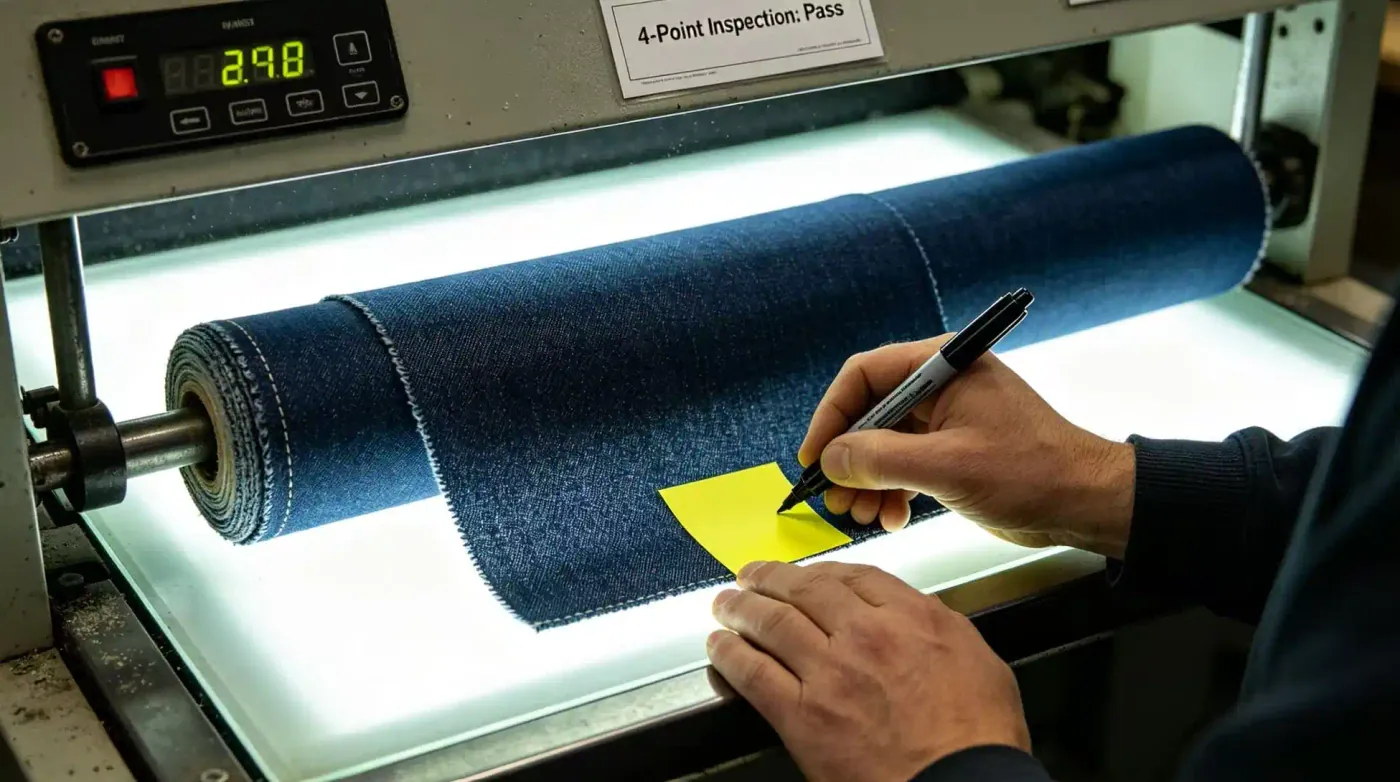
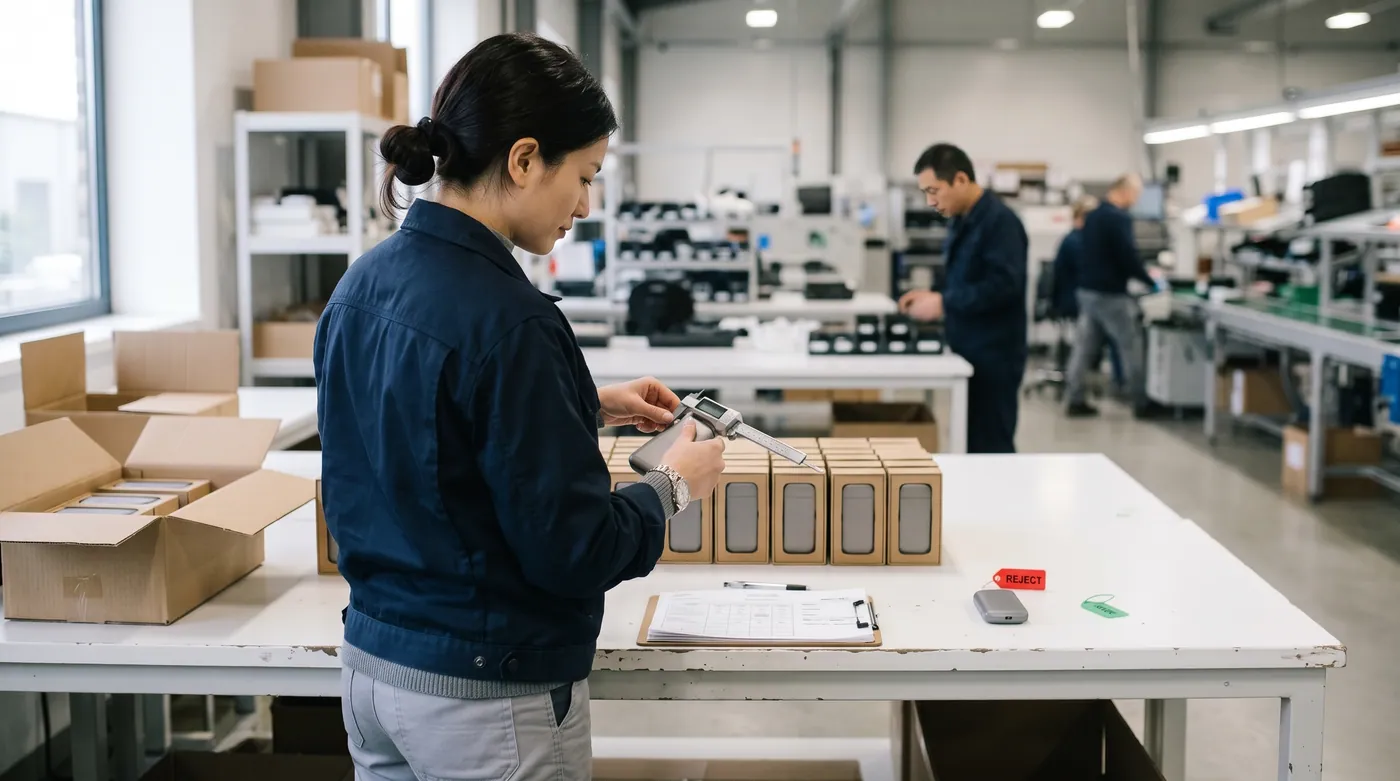

- Before the line 01
Material and component intake
Incoming fabric, trim and components matched to the approved spec
Report: Intake report with photographs
- Start of run 02
First-article approval on the line
The first off-tool unit matches the sealed reference sample
Report: First-article sign-off
- 10–25% complete 03
In-line inspection, early run
Stitch, measurement and construction checked while corrections are cheap
Report: Early-run report with defect log
- 60–75% complete 04
In-line reinspection, late run
Defect trends confirmed as closed before the run finishes
Report: Late-run report with CAPA status
- End of run 05
Pre-final check against spec
Every spec point walked against the written acceptance sheet
Report: Pre-final checklist
- Before packing 06
Pre-shipment sampling inspection
ANSI/ASQ Z1.4 sample drawn, measured and passed
Report: Pre-shipment report with the sampled results
- At loading 07
Container loading verification
Carton counts, marks and packing matched to the packing list
Report: Loading report with seal number
Inspection is carried out on the ground by our partner, against criteria you have signed. Sampling follows ANSI/ASQ Z1.4, and the report — not a photo of a loaded container — releases the balance. The pre-shipment sampling inspection is the gate that releases the balance.
Ten Clusters, One Map
10 clusters — and the line each one was built for
The work starts with the cluster, because what a region was built for decides whether your product fits its line. This is the matrix we work from.
| Cluster | State | Built for | Best-fit order | Watch-out |
|---|---|---|---|---|
| Puebla–Tlaxcala | Puebla, Tlaxcala | Denim, apparel and knitwear | Workwear and cotton programmes | Confirm the wash house, not just the sewing floor |
| La Laguna / Torreón | Coahuila, Durango | Denim and cotton | Denim at volume | Denim mill capacity books early in season |
| León / Guanajuato | Guanajuato | Leather, footwear and denim | Leather goods and small runs | Leather origin affects the duty story |
| Coahuila and the north | Coahuila | Workwear and technical textiles | Uniform and safety programmes | Technical fabric is often imported |
| Yucatán and Aguascalientes | Yucatán, Aguascalientes | Knitwear and uniforms | Knit basics and uniforms | Smaller plants; check capacity headroom |
| Mexico City / Edomex | CDMX, Estado de México | Sampling and small-batch development | Development and first runs | Sample-room slots fill in peak season |
| Guadalajara / Jalisco | Jalisco | Electronics and R&D | PCBA and box-build | NOM and labelling checked per SKU |
| Monterrey / Nuevo León | Nuevo León | Automotive, steel and appliances | Hard goods and tier supply | RVC math must be built before the quote |
| Tijuana / Baja California | Baja California | Medical devices and electronics | Medical and electronics assembly | FDA and NOM files run on different clocks |
| Querétaro | Querétaro | Aerospace and automotive | Precision and engineered parts | Quality-system evidence is non-negotiable |
Scroll the table sideways on a narrow screen.
A cluster is a starting point, not a guarantee. Capacity, sub-contracting and origin inputs still have to be verified plant by plant before a quote means anything. See how factory capability is scored before a quote.
Who Signs the File
1 file owner — the difference that decides who is liable at the border
Nearshoring has more parties than a China order: your brand, a Mexican plant, a partner on the ground and a broker at the gate. When the origin file has one owner, the liability question has one answer.
Two Rebuilds, Labelled
2 rebuilds, labelled — a reorder line and a hard-goods launch
Two representative rebuilds, both qualitative and clearly illustrative. The change comes from the cluster choice, the origin file and the inspection plan — not from a claim about a cheaper factory.
Workwear reorder, moved to Puebla–Tlaxcala
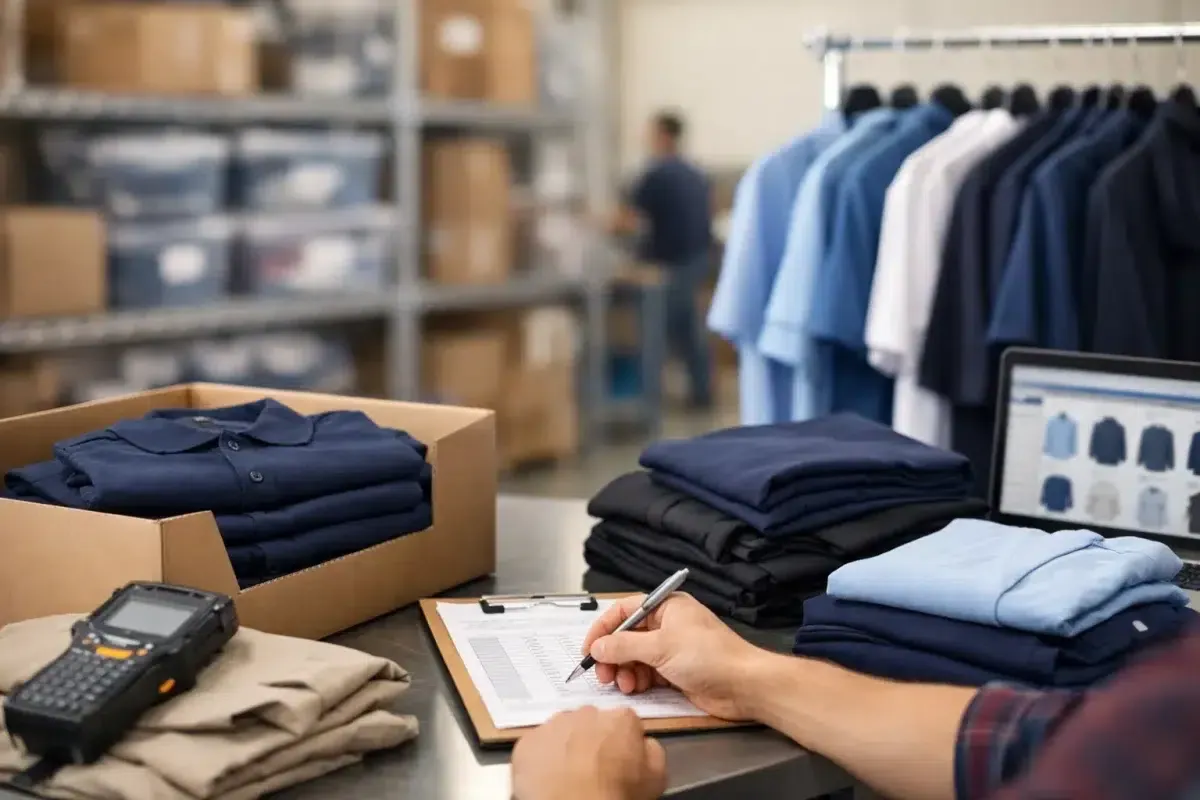
A Mexico apparel sourcing agent line for the repeating range, with a short reorder cycle and an origin file that could be defended.
The product spec was unchanged. The cluster, the origin claim and the inspection plan were rebuilt around it.
What was
- Reorders ran on a long ocean cycle with no short-cycle option
- Origin was assumed rather than documented
- Inspection happened after packing
What we changed
- Shortlisted Puebla–Tlaxcala cut-and-sew plants with partner-run visits
- Moved the repeating programme to a truck cycle measured in days
- Built the origin file and added QC gates through the run
Furniture range, split across two origins
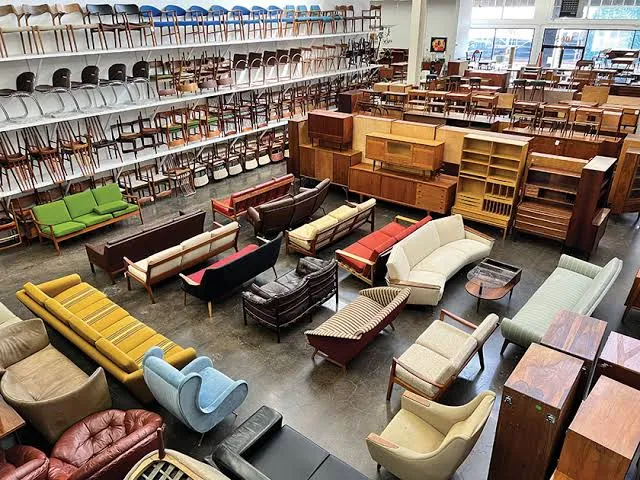
A dual-origin range with a short-cycle Mexico line and a China bench, and one file owner across both.
No SKU changed in spec. The split was decided by reorder cycle and origin math, not by price alone.
What was
- Every SKU came from one origin, on one long cycle
- Origin math was never built for the range
- One late container held the whole season
What we changed
- Split the range by reorder profile rather than by supplier
- Ran the RVC math per SKU before quoting the hard-goods lines
- Kept the China bench for the SKUs Mexico could not make to spec
Illustrative examples. These two are representative of the change we make, not quoted client results. For the real client work, see our case studies.
On the Record
8 written commitments — and the clause behind each
A team that works from China has to be explicit about what it does and does not have. These are the eight clauses we put in writing before a first order.
Statement of Commitments
Mexico nearshoring
- 01
Open-book factory and partner fees
The plant price, the partner fee and our fee sit on separate lines, so you can see each margin rather than infer it.
- 02
Partner site visits named in writing
Any site visit is named to the partner who ran it, with a signed report and photographs, not summarised as 'we inspected'.
- 03
Origin file owned by you
The USMCA file is issued in your name and held by you; we build it, you own it, and the liability belongs to a single named party.
- 04
Milestone release against reports
The balance releases against the pre-shipment inspection report, not a photograph of the container.
- 05
No local office claimed, ever
We claim no Mexican office and no Mexican employees. We work through vetted local partners, and we say so.
- 06
China bench, same spec and QC
Anything Mexico cannot make to spec runs on the China bench under the same written spec and the same QC gates.
- 07
One named owner, brief to delivery
One person owns your file from brief to delivery, so you are not re-explaining the order to a new desk each stage.
- 08
Cost change agreed before the PO
If a cost moves, it is agreed in writing before the PO, not presented as a variance after the goods ship.
Signed for LeelineGroup
Name
Dated
Date
From Dual-Origin Buyers
19 months on — what dual-origin buyers stopped chasing
Two buyers running both a China line and a Mexico line, and the thing they stopped doing: chasing an origin claim, a partner report and a landed number across four time zones.

Calder & Rowe sells workwear into the US, and for two years every reorder meant a long ocean cycle and an origin story nobody could produce on request.
What changed was having one file and one plan. The repeating range now runs short-cycle in Mexico while the specialty-fabric SKUs stay on the China line, and I get a partner report at each checkpoint instead of a photo after packing. The origin claim arrived with the working behind it, not just a signature.
Nineteen months on, I plan a season around a reorder I can actually see, and I am not rebuilding the story every time someone asks where the goods were made.
Sofia Marchetti
Founder, Calder & Rowe
Workwear — US
Northmark Home ships furniture and storage into Canada, and our whole range used to ride on one origin and one long cycle. A single late container could push a season.
The difference now is clarity. I know which pieces run short-cycle in Mexico and which stay on the China line, and I can quote a season without padding it for a container that might slip. The origin work was finished before the quote, not discovered on the entry summary.
What changed is the plan, not just the price. I stopped budgeting for a delay I could not see coming.
Tamsin Wexford
Head of Supply Chain, Northmark Home
Home goods — Canada
Before the Mexico PO
Answers in 42 words — the questions buyers ask before a Mexico PO
Do I need a Mexican entity to source from Mexico?
Not always. A shelter or a partner IMMEX can hold the entity for a first order. A recurring line you intend to own usually justifies your own entity, which takes longer to set up.
Is USMCA certification of origin enough on its own?
No. The claim is self-certified, yet legally binding, and the buyer must show the working behind it — the parts list, the sub-tier statements and the cost sheet — if customs asks. A signature alone is a risk.
Does sourcing in Mexico avoid the 2026 tariff reform?
Only where the goods qualify under USMCA. The 2026 reform repriced more than 1,400 tariff lines for origins without a free-trade agreement. Mexican-made goods still need a documented origin claim; the country of the factory alone is not enough.
How long does an IMMEX setup actually take?
A shelter can start in roughly three to six months. A direct IMMEX with your own entity commonly takes six to eighteen months. A manufacturing partner sets its own window. Raw materials under IMMEX have an eighteen-month cap.
Can you inspect a factory in Mexico from China?
The inspection is on the ground, run by a vetted local partner with a signed report and a photo set. We plan it, hold the criteria and review the evidence from China. We do not claim a Mexican office or Mexican staff.
What can Mexican factories not make well yet?
Fabric breadth is the usual limit: merino, technical softshell, high-performance spandex, silk and Tencel are not reliably stocked. Imported specialty fabric adds thirty to forty-five days. Decide those SKUs by reorder profile and keep them on the China bench.
How do I compare a Mexico quote with a China quote?
Compare landed cash, not unit price. Put factory price, freight days, duty exposure and the working capital tied in transit on one page. A higher Mexico unit price can still win once a short reorder cycle is priced in.
What happens if a Mexico run fails inspection?
The balance does not release, and the defect trend is fixed before packing. The partner re-inspects against the same criteria until the report clears. Cost and timing are agreed in writing before any rework starts.

A quoted first order in 26 days — Mexico, China or both
Send the product, the reorder cycle you need and the destination. We come back with the cluster shortlist, the origin plan, the structure options and one landed cost — before you commit.