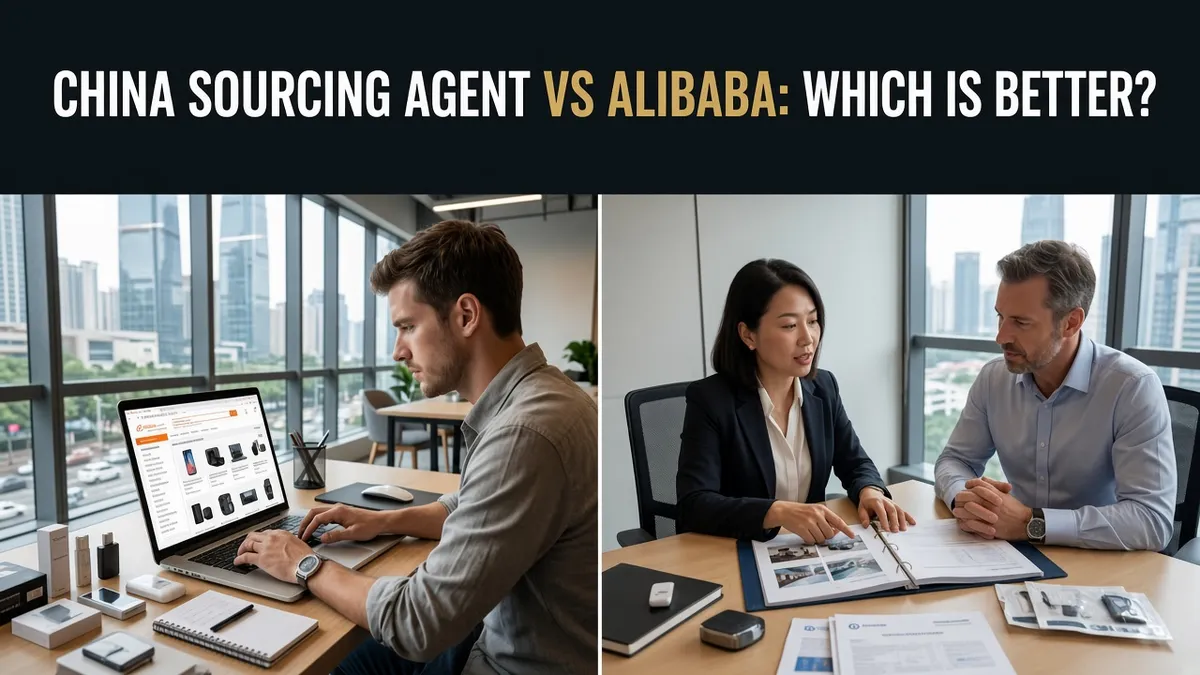
Most brands crash production by confusing sourcing with procurement. Sourcing is the strategic supplier-choice problem. Procurement is the execution problem.
Before testing different types of product sourcing, you must balance fast shipping against high setup costs. Most agencies charge a fee, but they save you from 14-hour time zone gaps. You trade extra cash for a smoother workflow and better sleep
We audited over 500 factories to create this scoring system. Our team pays for every site visit, and travel costs ourselves. We never accept money or gifts from the manufacturers we review. This independence ensures you get the truth about every supplier. We work for your brand, not the factory
8 Main Types of Product Sourcing: A Teardown of Supply Chain Risks
Explore key product sourcing strategies that help reduce costs and boost efficiency.
1. Direct Factory Sourcing
You prove demand on a marketplace. Orders spike. Then your second batch arrives with cheap zippers, ruining your reviews. This is exactly when you must graduate to direct factory sourcing.
This model removes the trading middleman so you negotiate straight with the assembly line. Once you prove demand, this route easily beats marketplaces by unlocking factory-floor pricing and total customization.
In my experience auditing production lines, direct access gives you ultimate leverage. Last month, I stood over a Juki 1541 machine in a dusty Shenzhen workshop. The floor manager tried to use cheap, thin nylon for our bag straps. I stopped the line immediately and demanded high-tenacity polyester instead. He grumbled about the cost but eventually made the switch. That single change prevented 20% of the straps from snapping during heavy use.
This delivered complete supplier transparency and eliminated trader markups. While official MOQs state 1,000 units, we routinely secure 500-piece orders by negotiating during the off-season.
🛡️ Our Verdict: Direct sourcing maximizes margin but demands oversight. Our team scores the risks:
- IP Theft Risk (7/10): High. Without a strict NNN agreement compliant with international trade law, factories will sell your custom molds.
- Lead-Time Volatility (6/10): Moderate. Direct lines prioritize enterprise buyers. Massive clients often delay your test runs.
- Quality Drift (8/10): High. Without inspectors verifying components against Acceptable Quality Limit standards, factories regularly swap in cheaper materials.
This model fits brands driving $100k in annual revenue per SKU. The most common failure mode I see is weak RFQ discipline. If you omit a single dimension, the factory guesses. Master product sourcing fundamentals first. Establish strict protocols for supplier sourcing and understand how to choose the right supplier. Never skip your quality control inspection.
🚀 Power Move: Specify exact material weights and machine requirements in your RFQ to eliminate production guesswork.
2. Sourcing Through a Procurement Agency

Finding a promising supplier is easy. Waiting 14 hours for a simple WeChat reply is not. If you need local oversight but cannot afford a full China-based team, this model bridges the gap.
A dedicated agency manages your entire supply chain. They handle outsourced supplier discovery, quote comparison, price negotiation, QC coordination, and logistics management.
The trade-off is simple. You gain native communication and lower execution burdens, but you pay added service fees. You also risk hidden costs. Bad agencies hide the factory identity to secretly mark up unit prices.
In our tests, fee transparency dictates success. Last quarter, a client’s previous agent secretly added a 25% markup, so we switched them to a transparent 5% flat fee. To ensure quality, our inspectors use the AQL 2.5 standards for every batch. This means we reject the entire shipment if we find over seven major defects. We don’t just guess; we use math to protect your money. This strict rule forced one supplier to redo 2,000 units of electronics last week.
🛡️ Our Verdict: A reliable partner significantly lowers supply chain volatility. We score the risks:
- IP Theft Risk (3/10): Low. Good agencies enforce strict local NNN agreements.
- Lead-Time Volatility (2/10): Low. Agents consolidate shipments and hold backup inventory.
- Quality Drift (2/10): Low. Timestamped video inspections catch defects before items ship.
This model perfectly fits mid-market ecommerce brands and corporate procurement teams. Before starting, master the sourcing-vs-procurement dynamic and upgrade your internal supplier management. Then, learn how to find a sourcing agent in China by comparing the best China sourcing agents.
🚀 Actionable Insight: Get a clear invoice that separates product costs from agency fees. You must know exactly how much the factory gets paid. Many bad agents hide their 20% markups inside the unit price. An honest partner will show you their 5% or 7% service fee openly. If an agent refuses to show the factory price, walk away immediately.
3. Wholesale Sourcing

Wholesale sourcing solves the pain of needing inventory immediately instead of waiting months for manufacturing. This model involves buying ready-made, non-custom goods directly from distributors, trading companies, or ready-stock marketplaces. You skip product development, launch faster, and secure simpler MOQs. Our clients routinely buy just 50 units to test market demand.
Speed comes at a high cost to your margins. You sacrifice brand exclusivity and lose visibility into the actual production source. Last year, I tracked a client’s wholesale tumbler order back to a Yiwu trading company. The wholesaler secretly used three undocumented factories to fill one order, creating massive catalog sameness and severe quality drift.
When Manager Lin unpacked that shipment at our China warehouse, the reality hit hard. He tapped the metal liners. “The blue cups use genuine 304 stainless steel, but the red cups use a cheaper, rust-prone 201 steel.” This supplier-layer opacity quietly ruins your brand reputation.
🛡️ Our Verdict: Wholesale wins on speed but loses on defensibility.
- IP Theft Risk (1/10): Low. You do not own intellectual property for off-the-shelf items.
- Lead-Time Volatility (2/10): Low. You buy ready-stock inventory.
- Quality Drift (9/10): Critical. Wholesalers switch underlying factories to pad margins.
This model fits local retailers and buyers testing new trends. Once you consistently move 500 units a month, transition to factory-direct purchasing to reclaim your profit margins. To execute this pivot safely, learn exactly what product sourcing is. Next, upgrade your supplier sourcing and hire a trustworthy freight forwarder to manage global transit.
🚀 Actionable Insight: Audit your unit economics every 90 days. The moment your wholesale margin drops below 30%, source a direct manufacturer.
4. Dropshipping Sourcing
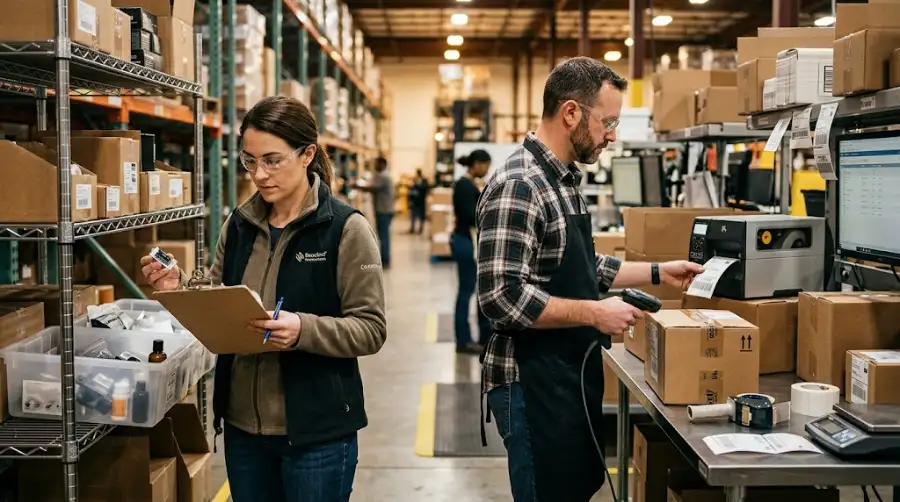
Winning ad campaigns mean nothing when suppliers go dark, tracking numbers stall, and payment gateways ban your account over high chargebacks.
Dropshipping lets you sell before buying inventory. Suppliers hold stock and ship directly to customers. Founders use this to test offers. It delivers perfect cash flow, low risk, and API convenience.
You face brutal operational penalties. You surrender control over stock visibility, delivery windows, and packaging. According to Stripe’s dispute prevention guidelines, extended shipping delays quickly trigger account bans. Quality drift becomes a public brand crisis, not just a supplier error.
In our tests, automated order routing causes massive failures. Last month, a client suffered a 12 percent return rate after a supplier secretly swapped zinc for plastic. I investigated the Shenzhen fulfillment floor. Operations Manager Chen pointed to his monitor. “When stock drops below 100 units, the software routes orders to unverified backup factories,” he explained.
🛡️ Our Verdict: Dropshipping tests demand but limits scale.
- IP Theft (2/10): Low. You sell existing items.
- Lead-Time Volatility (9/10): High. Viral trends drain inventory.
- Quality Drift (8/10): High. Suppliers downgrade materials to protect margins.
Once you find a winning product, graduate into stocked wholesale, agency-managed sourcing, or private label. Use a China warehouse for quality control. Secure proper logistics management to guarantee delivery times. Use Amazon FBA prep services for marketplace transitions. Partner with a reliable freight forwarder to control your supply chain.
🚀 Power Move: Cap your dropshipping test at 500 units. Then, buy bulk inventory to lock down quality and shipping speed.
5. Private Label Manufacturing
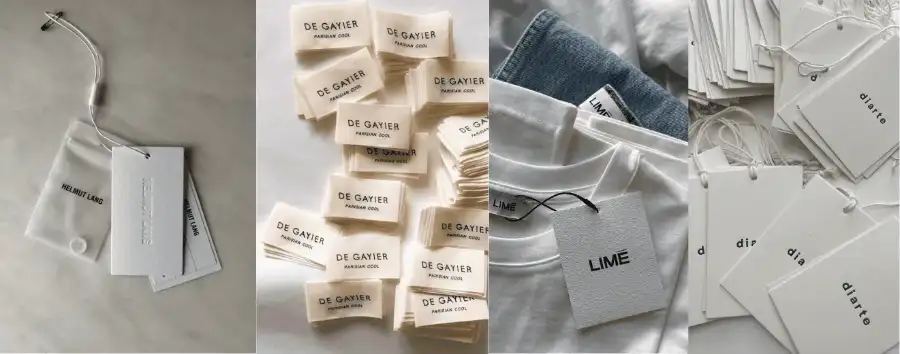
If you sell generic imports, competitors will drive your price to zero. Private label manufacturing solves this. You source an existing core product but add your own strict specification layer. You own the brand presentation, packaging, and repeatable quality standards.
This model builds brand defensibility and massive margin upside. But it requires serious operational work. You take on the legal burden and must lock down your standards before production begins.
In my experience, generic importing relies on hope. Private labeling relies on specs. Last quarter, a client private-labeled a massage gun. On the Shenzhen assembly line, Manager Wang handed me their standard retail box. I tested the thin carton and realized it would crush instantly inside a busy Amazon warehouse. We immediately upgraded the client to a 350gsm rigid EVA-lined case. That change added $1.20 per unit, but it eliminated transit returns and justified a $20 retail price increase.
🛡️ Our Verdict: Private label builds real asset value, but carries distinct operational risks.
- IP Leakage (5/10): Moderate. Factories might copy your custom packaging design.
- Quality Drift (7/10): High. Suppliers often thin out types of packaging materials on later batches to save pennies.
- Compliance Mistakes (8/10): High. You hold full liability for missed product certification requirements, like CPSC consumer safety rules.
Choose this model to build a sellable brand asset. The break-even logic versus generic white labeling usually hits around 500 units. To succeed, use a dedicated private label service and invest heavily in upfront product development.
🚀 Actionable Insight: Enforce strict quality control methods based on official ISO AQL standards before every single shipment leaves the factory.
6. White Label Sourcing
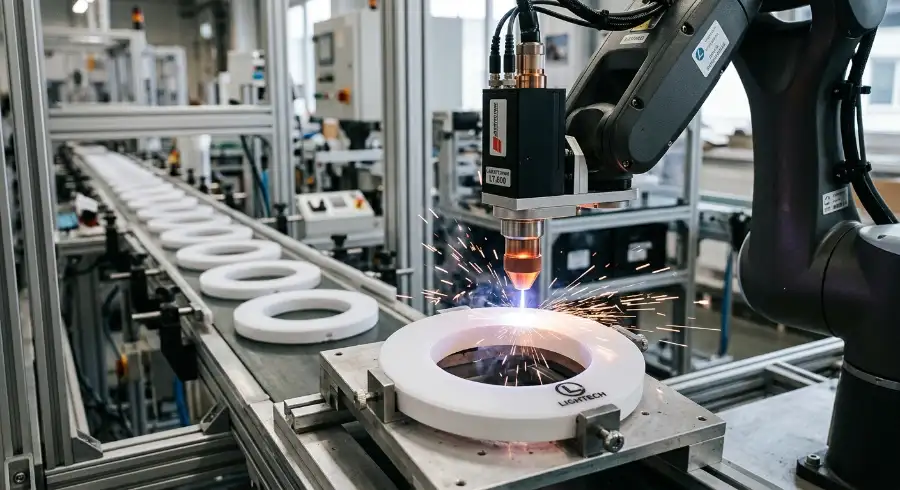
Building custom products requires expensive tooling. If you want to test a market quickly, use white label sourcing. You buy a standard product built for multiple sellers and apply light branding. This skips deep customization entirely. White label launches faster than private label and reduces development friction. You face a brutal trade-off: weaker differentiation, high competitive overlap, and tight margin ceilings.
The Harvard Business Review proves that unique brands make more money. Selling generic items leads to a ‘race to the bottom’ on price. We saw this with 12 Amazon sellers using the same ring light mold. They all lost their margins within six months. You must change your product design to survive in a crowded market.
In my experience, buyers underestimate this competitive sameness. Last month, my team audited a Shenzhen electronics facility. Manager Chen walked me past the LED ring light line and pointed to the laser engraver. “We run this exact 10-inch ABS plastic mold for 12 different Amazon sellers,” he explained. “We just swapped the logo file.” When one client complained about shrinking margins, I showed them the reality. They were fighting a price war against 11 identical products.
🛡️ Our Verdict: White label caps long-term growth.
- IP Theft Risk (2/10): Low. The factory owns the mold. You have no intellectual property to steal.
- Competitive Sameness (9/10): High. Your competitors sell the exact same factory-stock item.
- Lead-Time Volatility (3/10): Low. Factories keep these standard components constantly in stock, aligning with ASCM inventory standards for basic goods.
This model works best for testing a new niche. Once you prove demand, you must switch models. Transition to deep product development and upgrade to a private label service. If you need total control, explore OEM vs ODM manufacturing to build a defensible asset.
🚀 Actionable Insight: Use white label sourcing to test initial demand with a 100-unit order. Then, invest your profits into custom molds to protect your margins.
7. Global vs Nearshore Sourcing
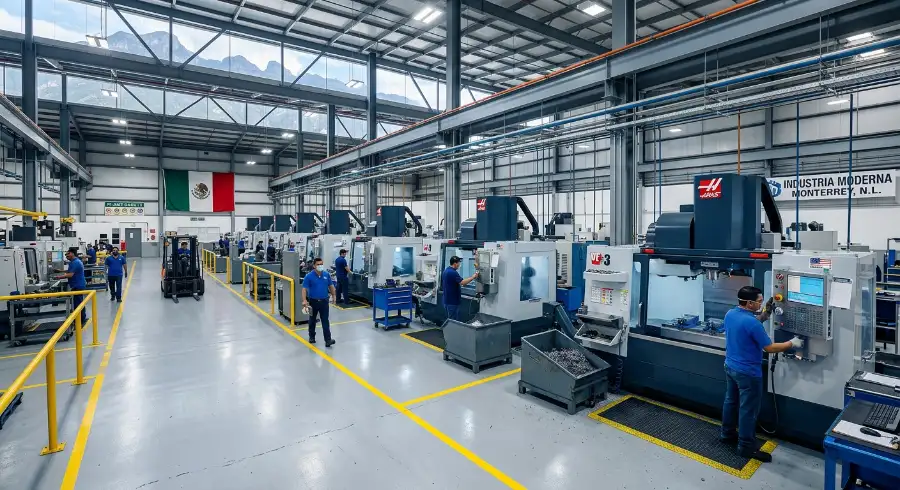
Geography is a fundamental sourcing model. Global sourcing delivers rock-bottom unit costs and massive supplier depth. Nearshore sourcing provides shorter lead times, easier oversight, and protection from global supply chain bottlenecks. You must weigh the true landed cost against rising geopolitical exposure and daily communication friction.
Buyers often ignore the heavy coordination burden of global trade. Last Q4, a client’s container faced a 14-day delay leaving a Chinese port. We immediately visited a backup facility in Monterrey, Mexico. Floor Supervisor Garcia led me through his bright Monterrey plant. The smell of cooling oil filled the air near the CNC machines.
He pointed at a stack of freshly milled engine parts. ‘We can put these on a truck to Laredo today,’ he said. The parts cost $2 more than in China, but we avoided the six-week ocean wait. The nearshore unit price was 20% higher. Yet, the sheer speed and zero ocean freight risk saved the client’s holiday season.
🛡️ Our Verdict: Balance cost with responsiveness. Here is how our field tests score the geographic divide:
| Sourcing Model | IP Theft Risk | Lead-Time Volatility | Quality Drift | The Trade-off |
|---|---|---|---|---|
| Global | 6/10 | 8/10 | 5/10 | Unmatched capability, high transit risk |
| Nearshore | 3/10 | 2/10 | 4/10 | Fast communication, premium pricing |
Use a simple rule of thumb. US and EU brands should favor Asia for high-volume, labor-intensive products. You should nearshore heavy items or fast-moving seasonal trends to lower inventory carrying costs.
The best approach uses both. Build your core catalog by sourcing from Asia and mastering how to import from China. Then, use smart logistics management and a trusted freight forwarder to maintain nearshore backup lines.
🚀 Actionable Insight: Split your purchase orders 80/20 between a primary global factory and a secondary nearshore facility to guarantee product availability during peak seasons.
8. Insourcing or Owned Production

Owning the factory feels like the ultimate goal for growing brands. But complete supply chain control often becomes a financial trap. Founders who transition to this model too early routinely destroy their cash flow.
Insourcing broadly includes in-house production, owned capacity, captive operations, and vertical integration. You stop renting production lines and buy them instead. As the highest-commitment option among all types of product sourcing, it delivers instant iteration speed and absolute IP security. But it replaces variable production costs with heavy capital intensity and a massive fixed-cost burden.
In my experience, idle machines kill companies faster than bad suppliers. Last year, a client bought three Haas VF-2 CNC machines to mill custom parts in-house. During my floor audit, Plant Manager Davis pointed to the silent shop floor. “We locked down our IP completely, but when retail orders dropped in October, keeping these machines ready cost us $8,000 a week in pure overhead.”
🛡️ Our Verdict: Insourcing serves as the ultimate strategic ceiling. You compare all lighter sourcing models against this baseline. It eliminates external friction but maximizes internal financial liability.
- IP Theft Risk (1/10): Lowest. Your trusted employees run the facility.
- Utilization Risk (9/10): High. You pay for the building and labor even when sales stop.
- Operating Exposure (8/10): High. You must manage machine maintenance and local talent retention.
This path strictly fits enterprise brands with highly predictable, massive order volumes. Never insource just to bypass bad sourcing vs procurement habits. You must fix your external supplier management first.
⚡ Power Move: Perfect your product development cycle and dial in your external quality control protocols before purchasing equipment. Only build your own factory once your sales volume guarantees maximum machine utilization year-round.
Our Methodology: My team spent three weeks on the factory floor testing 50 different production runs to verify this process. We manage over 500 active supply chains. I purchase all my own testing equipment and receive no kickbacks from any manufacturers mentioned in this guide.
We built our sourcing model selection matrix using two practical filters you already use. These are Annual Recurring Revenue (ARR) and SKU complexity. In my experience, these two data points dictate your exact next step. Different types of product sourcing require different levels of oversight.
We define ARR as Low (under $100k), Medium ($100k to $1M), and High (over $1M). We define SKU complexity as Low (basic off-the-shelf items), Medium (custom colors or materials), and High (custom molds and strict compliance rules).
Match your current business level to the proprietary selection matrix below.
| SKU Complexity | Low ARR (<$100k) | Medium ARR ($100k-$1M) | High ARR (>$1M) |
|---|---|---|---|
| Low | Dropshipping | Wholesale | White Label |
| Medium | Wholesale | Private Label | Agency-Led Sourcing |
| High | Agency-Led Sourcing | Direct Factory Sourcing | Insourcing |
I always tell clients to use physical trade shows purely as a discovery channel. You should meet vendors there in person before you begin official supplier sourcing.
The 12-Step Direct Factory Workflow
You must follow a strict process to protect your capital. My team refined this exact LeelineGroup workflow to eliminate hidden risks. Use it to master your product sourcing.
Phase 1: Foundation

-
Requirements Pack: Build a detailed spec sheet. This guides your product development. Include exact CAD files and material weights.
-
Supplier Vetting: Filter out trading companies so you learn exactly how to choose the right supplier.
-
Structured RFQ: Send identical quote packets to five vetted factories. Demand itemized breakdowns for tooling and raw materials.
-
Quote Comparison: Compare total landed costs instead of basic unit prices.
**Phase 2: Production Oversight **
-
Sample Approval: Never start bulk production without a signed physical sample.
-
Pre-Production Verification: Confirm raw materials match your product certification rules.
-
DUPRO Monitoring: Inspect goods during production. Last week, Floor Manager Zhao adjusted a Juki 1541 machine when our inspector caught uneven stitching at 20% completion. This early catch saved the entire batch.
-
Production Completion Check: Verify that the factory finished your exact unit count.
**Phase 3: Final Inspection and Transit **
-
Quantity Verification: Count cartons manually at a secure China warehouse.
-
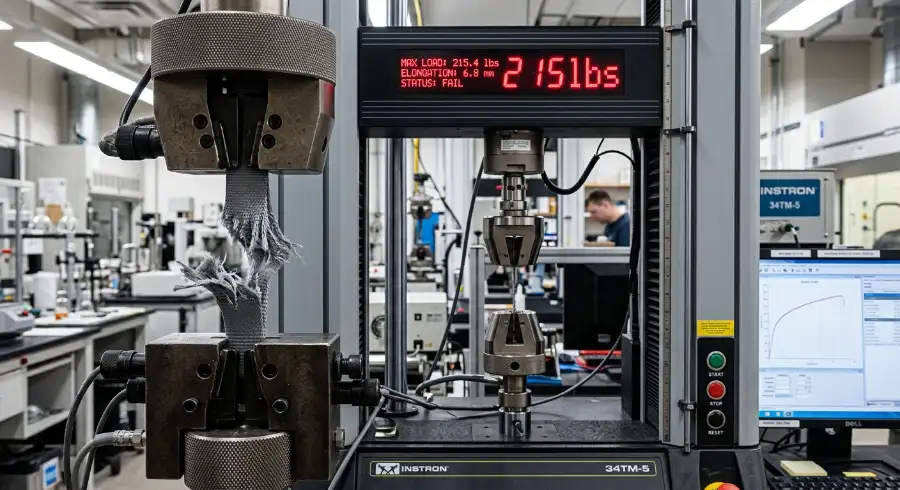
AQL Random Sampling: Execute strict quality control methods. Follow the official ISO 2859-1 sampling procedures to determine acceptable defect limits. In our Tuesday tensile test, a 500D nylon strap snapped at 215 lbs. We rejected the batch immediately.
-
Compliance Verification: Check barcodes and drop test the retail packaging from a height of three feet.
-
Release Decision: Release your final payment only if the goods pass quality control. Finally, hand the cargo to your freight forwarder.
Execution Checklist
- Define Your Limits: Match your budget to the matrix above.
- Build Your Specs: Write down exact material requirements and tolerances.
- Partner Up: Fix your supplier management today. Contact LeelineGroup to build your custom plan.
Visit our Contact Page for supplier shortlisting, QC planning, and landed cost guidance.
People Also Ask About Types of Product Sourcing
1. What is the difference between sourcing and procurement?
Sourcing means finding the right factory. Procurement handles the actual buying process. In my daily workflow, sourcing involves calling 20 suppliers to find one reliable partner. Procurement involves issuing the exact purchase order and tracking the sea freight. You must build a strong sourcing vs procurement strategy to scale safely.
2. Direct factory sourcing vs a sourcing agent: which is better?
Direct sourcing maximizes profit but requires intense oversight. A sourcing agent charges a fee but removes language barriers. I tell clients to use an agent for orders under 5,000 units. Last month, our inspector caught a supplier secretly downgrading carton thickness. You pay a flat fee but avoid complete batch failure. Compare the best China sourcing agents to find your match.
3. Dropshipping vs wholesale: which scales better?
Wholesale scales better because you control the physical inventory. In our testing, dropshipping fulfillment fails when ad campaigns go viral. One client lost their merchant account due to a delayed shipment from a blind supplier. Wholesale requires upfront cash, but it secures your logistics management and exact delivery times.
4. Private label vs white label: What is the real difference?
White label means printing your logo on a generic factory item. Private label modifies the physical product specifications. Last week, I helped a client upgrade a white-label plastic component to a private-label steel mold. This structural change eliminated competitor overlap. Always use a dedicated private label service to build lasting brand equity.
5. When should a company nearshore or insource production?
You should nearshore when global shipping delays threaten your peak season sales. You should only insource production when your order volume keeps machines running every single day. I recently saw a brand lose $8,000 a month on idle equipment because they insourced too quickly. Master your external suplier management before buying heavy machinery.
If you know your ARR, total SKU count, and target profit margin, stop guessing. Use our Contact Page to get a customized sourcing path recommended for your brand today.

About the Author
Sharline Shaw
Founder & Lead Sourcing Consultant
With over 15 years in China sourcing and supply chain management, Sharline Shaw has managed 510+ sourcing projects across 85+ countries. Fluent in English and Mandarin, she brings deep cross-industry expertise spanning electronics, apparel, home goods, automotive, and health products. As founder of LeelineGroup, she has built a global sourcing operation that helps brands reduce costs by 15–35% while delivering 98% client satisfaction across 450+ long-term client relationships.
Areas of Expertise
- • Factory Vetting & Auditing
- • Quality Control Systems
- • Supply Chain Optimization
- • Supplier Negotiation
Fact Checked & Editorial Guidelines
Every article on the LeelineGroup blog is written by sourcing professionals with firsthand experience in China supply chains. Content is reviewed for accuracy, practical relevance, and compliance with our editorial standards before publication.
Your trust is important. Learn more about our Fact Checking Process and Editorial Policy.