A common failure pattern starts early: the format drawing goes out with the RFQ, the NDA is signed by a sales manager, and six weeks after tooling is completed a copied listing appears.
When the buyer asks for the mold, the factory refuses to release it, because ownership and custody were never documented. The CAD was shared too early, the contract was English-only, and the buyer held no leverage over the tooling.
Protecting IP in China manufacturing is not one document. It is a stack: filings, China-enforceable contracts, staged disclosure, tooling control, monitoring and a fast enforcement path.
China’s IP system is territorial and first-to-file, so foreign patents and trademarks do not automatically cover drawings or molds made in a PRC supply chain, as CNIPA sets out.
Run these seven gates across legal, engineering and procurement before RFQs go out or steel is cut.
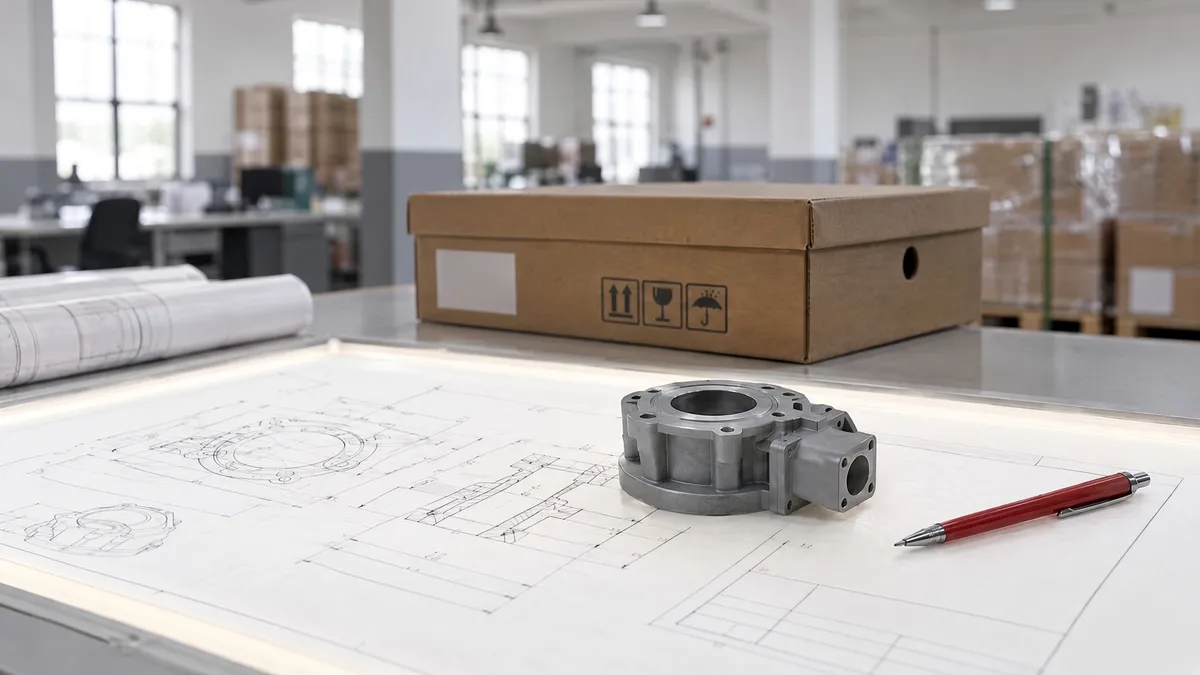
Author’s Verdict: An NDA is not a strategy. Control tooling, stage disclosure, and build an enforcement path early. Written for teams moving from first RFQ to tooling: CTOs, VP Engineering, Procurement and in-house counsel.
Key Takeaways
China IP protection is a stack of filings, contracts and physical controls, not a single NDA. Run all seven gates before the first RFQ leaves legal or steel is cut.
- File in China before you disclose. Foreign patents and trademarks do not cover molds, drawings or products made in China, so register the English and Chinese brand names, design patents, utility models and copyright through CNIPA before any RFQ, sample or CAD release.
- Swap the English-only NDA for a bilingual NNN. The contract must name the exact PRC legal entity and 18-digit unified social credit code, carry that entity’s chop, let the Chinese text govern, set liquidated damages in RMB and name a PRC court.
- Release information in four locked stages. Send high-level specs first, then partial drawings, then tooling data with a partial BOM, and release production files only after the NNN is chopped and filings are recorded. Never send the full BOM as one package.
- Prove tooling custody in writing and on the floor. A contract clause plus an engraved mold serial, dated photos, the mechanical shot count and the storage location are what establish ownership when a factory claims the tool.
- Carry IP controls into the manufacturing agreement. Attach stamped, revision-numbered specs and BOMs, assign improvement ownership to the buyer, ban unauthorized subcontracting, add a non-circumvention clause and set termination triggers for counterfeiting, overruns and shadow production.
- Monitor monthly, then seal evidence before escalating. Reconcile carton, mold and shipment records across factory, supply-chain and marketplace lanes, record the right with China Customs, and assemble notarized evidence before any warning reaches the factory.
Prerequisites
Time: Initial review about 3 hours. Full setup: roughly 4–6 weeks, depending on SKU count and filings. Difficulty: Intermediate, document-heavy.
This checklist compresses the checks that most often surface in supplier-onboarding reviews and mold disputes.
Run this 4-stage SOP before one CAD file leaves the office:
- Check the National Enterprise Credit Information Publicity System (GSXT) directly. Confirm the eighteen-digit unified social credit code against the business license. Confirm the operating status is active with no adverse legal warnings, and match the legal representative name to the signatory on your contract.
- Triage IP. File trademarks and design patents in China first; foreign filings do not cover PRC molds. Use CNIPA patent and trademark filing resources and, for international marks, the WIPO Madrid System. Then add customs recordal through the General Administration of Customs.
- Execute the bilingual NNN. Sign and seal under a verified chop before technical disclosure.
- Build the disclosure matrix. Map every asset class to a supplier role and release date.
Inputs: a master asset inventory (trademarks, Chinese brand names, CAD, firmware, tooling drawings, packaging art, manuals, supplier lists), the disclosure matrix, named owners from legal, engineering, procurement and QA, plus an evidence repository.
A complete deal room holds verified entity records, stamped templates, a redlined disclosure matrix and version-controlled asset folders.
Hard stops: A sales rep signature is worthless. Never send full BOMs, native CAD, source code or mold drawings over WeChat or unsecured email. Paying for tooling does not make you the owner unless the contract says so.
🧠 Expert Take: In our experience, missing entity verification causes more losses than poorly drafted NDAs. Confirm the chop first.
See our product development workflow, quality control and supplier verification check guides.
China Manufacturing IP Protection: The 7-Step Guide
An NDA alone will not save your molds. See how CNIPA filings, a bilingual NNN and tooling control drive IP protection when manufacturing in China.
Step 1: Make the Filing Decision Before Any Disclosure

A common failure is that the RFQ package moves before legal has seen the drawings. Freeze every RFQ package, sample, mold drawing, packaging file and firmware handoff until your team records the filing decision, and submit the required applications before release.
Run this decision tree:
- Trademark: File both the English and Chinese brand names.
- Design patent: Protect the visible product appearance.
- Utility model: Use for structural or functional improvements. It is granted faster than an invention patent.
- Invention patent: File where technical novelty justifies the slower timeline.
- Copyright: Register packaging art, manuals, software screens and evidence assets.
- Trade secret: Keep core know-how undisclosed. Never place it in the RFQ.
File through CNIPA, China’s National Intellectual Property Administration.
| Filing | Speed | Scope | Manufacturing use |
|---|---|---|---|
| Design patent | Fast | Appearance only | Shells, enclosures, visible forms |
| Utility model | Faster than invention | Structure or function | Brackets, mechanisms, assemblies |
| Invention patent | Slowest | Broad technical novelty | Core processes or systems |
Success check: Legal holds filing receipts, procurement has approved a disclosure status, and engineering has the restricted-file list. Then run the gate review.
Procurement assigns each asset one written status: Release, Hold for redaction or No disclosure. Colour tags (green, yellow, red) may be used as visual aids, but the written status governs. Engineering red-tags native CAD and mold drawings.
⚠️ Experience Warning: CNIPA online receipts can lag after payment clears. Do not release files until legal confirms the receipt is visible in the account.
Step 2: Swap the NDA for a Bilingual NNN

An NDA only stops disclosure. A common pattern in China supplier disputes is not disclosure at all: the supplier uses the mold, runs ghost shifts and sells to the buyer’s own distributor.
You need three protections in one contract: non-disclosure, non-use and non-circumvention.
Pull your current English-only NDA and compare it against the PRC-ready NNN on six rows.
| Row | Western NDA | China-ready NNN |
|---|---|---|
| Governing language | English only | Chinese controls on conflict |
| Jurisdiction | Delaware or an arbitral seat abroad | PRC court, evidence-friendly forum |
| Remedy | Injunction, hard to enforce | Liquidated damages (违约金) in RMB |
| Entity | Trade name or sales rep | Exact legal name plus unified social credit code |
| Subcontractors | Silent | Affiliates and subcontractors bound |
| Channels | Not addressed | Platform and channel restrictions stated |
Then confirm these clauses are present and numbered:
- Chinese text controls if versions conflict.
- Exact PRC legal entity name and unified social credit code.
- Company chop (公章) from that same entity, not a parent or sister company.
- Confidential materials defined, including derivative works and mold drawings.
- Non-use clause blocking self-production or production for others.
- Non-circumvention clause blocking direct contact with your customers, distributors and component suppliers.
- Affiliate and subcontractor binding language.
- Liquidated damages in RMB, stated as a fixed number and calibrated to your documented loss estimate.
- PRC court jurisdiction and fee recovery for reasonable legal costs.
Why the English-only NDA fails. There is usually no remedy attached, so there is nothing to sue for. A sales manager signs it with no chop and no authority to bind the entity.
It names a Hong Kong trading name rather than the factory that holds the mold. And it asks for injunctive relief in a foreign jurisdiction that a PRC court cannot enforce.
A China-ready NNN names the factory entity, carries the red chop over the signature line and sets liquidated damages (违约金) in RMB tied to an estimated loss.
A Chinese court can adjust a penalty it finds clearly excessive against actual loss, so treat the figure as a commercial lever tied to your evidence, not an automatic outcome.
In practice, the correct page looks like this: the legal name in Chinese characters, the 18-digit credit code, the chop stamped across the signature block, and every page initialled.
A mismatch looks different: two entity names, or a chop from a company registered in a different province.
Success check: No samples, drawings or CAD move until three conditions pass. You hold the signed bilingual contract. You verified the chop. The entity name matches the registry record.
If a trading company sits between you and the machine, paper both the intermediary and the actual manufacturer. Otherwise, pause the release. Use our supplier risk management checklist to log both entities.
⚠️ Experience Warning: Require the factory to stamp both the manufacturing contract and the tax documents. Never accept a contract stamped only by an offshore trading shell. Bind both firms with joint liability.
Step 3: Build a Staged Disclosure Ladder

A common request in week one is the full BOM. Release information in four locked stages, never as one package.
- Stage 1: Screening pack. Send high-level specs only. No drawings, no tolerances, no materials list.
- Stage 2: Prototype pack. Release partial drawings with controlled tolerances. Redact the dimensions that reveal your mechanism.
- Stage 3: Tooling pack. Add limited vendor-specific data: steel grade, gate location, cycle targets. Share a partial BOM only.
- Stage 4: Production-release pack. Release after the NNN is chopped, filings are recorded and ownership controls are active.
Compartmentalize production. Split custom hardware, housings, electronics, packaging and final assembly across isolated suppliers.
Never hand one factory the full BOM, firmware, customer list and cosmetic packaging system together. Keep your highest-value algorithm, firmware or calibration routine in-house. This pairs well with a multiple supplier strategy.
Decide deliberately which Tier-2 supplier receives which sub-component package. A supplier who sees the whole picture can become a competitor overnight.
Version-control every file. Watermark each PDF with the recipient’s name and a unique version code, and keep an access log of who opened what, and when. That log lives naturally inside our supplier management workflow.
Success check: Your disclosure log lists every external file by version, recipient, approved scope and revocation condition. If one row is blank, stop the release.
🧠 Expert Take: Stage 4 is where teams relax and leak. The later a file is released, the more complete it is, so treat production-release packs with the same discipline as the first RFQ.
Step 4: Lock Tooling Ownership with a Bilingual Contract and Physical Audit

A common dispute is a factory claiming ownership because the PO was silent on custody. Insert a waiver or limitation of the supplier’s right of retention where legally effective, and have PRC counsel confirm the wording.
In a work-for-hire (承揽) relationship, a supplier may assert a lien when payment is disputed. Mandate delay fees if the vendor stalls transfer, and state the governing law and forum consistently with your NNN.
Define storage location, maintenance duties, service-life expectations and inspection rights. Pre-agree the release procedure, notice period, transfer logistics and handover documents. Require written buyer approval for destruction or retirement.
A physical tooling audit should record the engraved serial or asset tag on the mold base, photograph the base plate and the mechanical shot counter, and log the current shot count in the asset register. Do that on site, with a dated photo log.
Success check: Confirm the serial, timestamped photos, signed acknowledgment and storage location all match before mass production. If one item is missing, stop the run. Pair this with our factory audit checklist.
🧠 Expert Take: The engraved serial, dated photos and shot counter are your proof of custody. A contract without them is paper.
Senior IP Counsel Jingjiu
Step 5: Operationalize IP in the Manufacturing Agreement
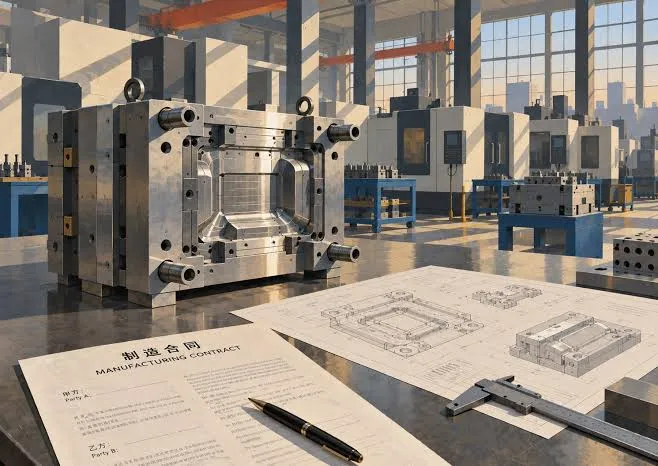
An NNN stops early disclosure. It does not stop production abuse. Treat the NNN as the first shield.
The manufacturing agreement carries the actual IP, quality and supply-chain controls; the development agreement covers engineering and ownership of new IP. It also governs production, quality, subcontracting and post-termination duties.
The annex pack should include stamped spec sheets, a revision table, an approved BOM with initials and signed change-control pages. Loose, unstamped pages are hard to litigate.
Add these clauses and annexes:
- Tie product specs and quality standards to approved revisions.
- Assign improvement ownership to the buyer.
- Ban unauthorized subcontracting and shadow-factory transfers.
- Add a B2B non-circumvention clause. It blocks the factory or trader from bypassing you to reach downstream customers, distributors or key component sources.
- Keep confidentiality alive after termination.
- Grant audit, inspection and document-access rights.
- Require cooperation for customs, platform takedowns and PRC enforcement.
- Set termination triggers for counterfeiting, overrun production or undisclosed subcontracting.
Primary path: OEM with buyer-owned specs. If the supplier contributes ODM engineering or legacy technology, add a background IP schedule, license-back terms and field-of-use limits. See OEM vs ODM manufacturing.
Success check: The signed contract references exact SKUs, the tooling schedule, approved BOM revisions, packaging specs and the sign-off workflow. If one annex lacks a revision number, stop.
⚠️ Experience Warning: Put the overrun trigger in the manufacturing agreement, not only in the NNN, and add serialized BOM pages before the next run. A trigger that lives in the wrong document is easy to miss.
Step 6: Run Three Monitoring Lanes After Production Starts
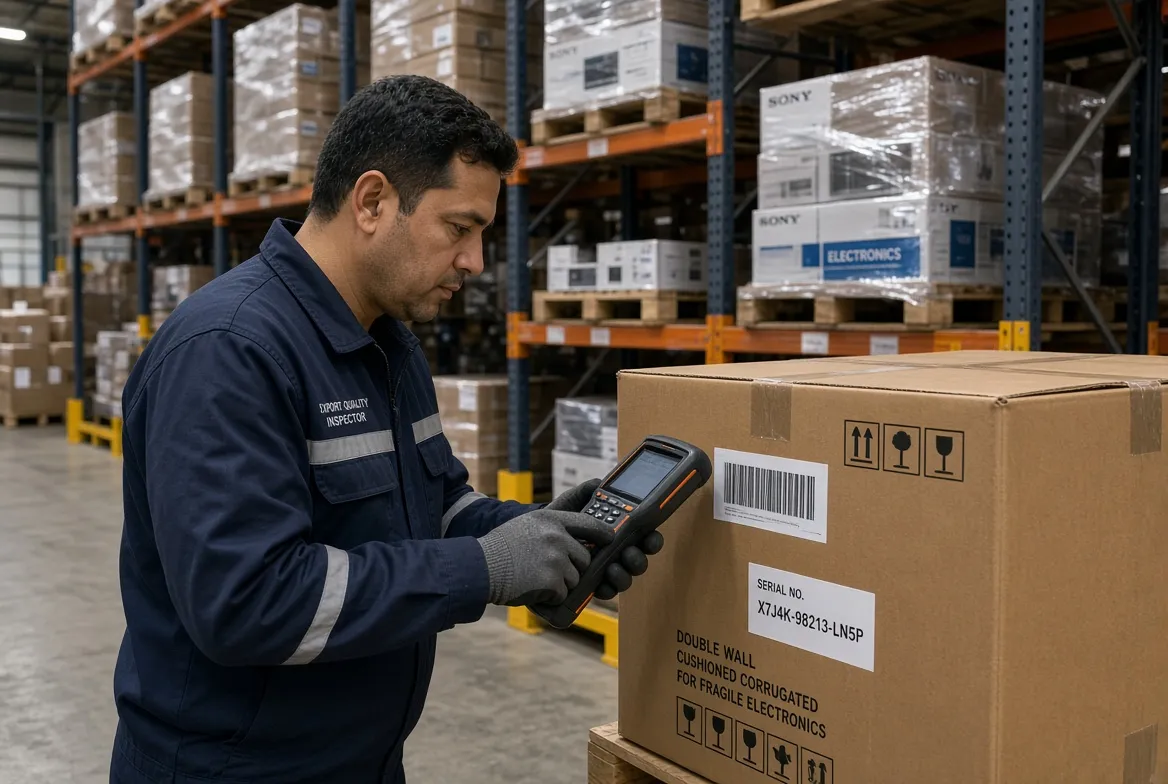
Perfect paperwork does not stop extra production. Monitoring does. Split your watch into three lanes and run them every month.
Lane 1: Factory floor. Book surprise audits. Review production logs, material usage and packaging counts. Reconcile cartons against the PO line by line. Pair each visit with a pre-shipment inspection so the count and the quality check happen together.
Lane 2: Supply chain. Confirm your approved suppliers still make the same parts. Watch for unauthorized subcontracting and new Tier-2 names on shipping documents.
Lane 3: Market. Sweep Alibaba, 1688, AliExpress and Amazon monthly. Search your photos, your model numbers and your packaging art. Flag lookalike listings, reused images and unauthorized SKUs. File takedowns through the Alibaba IP Protection Platform and Amazon Brand Registry.
Reconcile three records on site: carton counts, mold logs and shipment records. When the carton count exceeds the shipment count, the extra units exist somewhere.
Split critical parts across two suppliers and rotate volumes quarterly. No factory should hold your full run and your full design.
Ghost-shift indicators to log:
- Output above the PO quantity.
- Machine-hours or raw material that does not match declared production.
- Packaging orders larger than the run requires.
- Gaps in serial or lot numbers.
Customs recordal. Obtain the registered trademark or design patent at CNIPA first, then record the right with the General Administration of Customs (GACC) through China Customs.
After recordal, customs can detain suspected infringing exports ex officio. In practice, customs usually notifies the right holder, who confirms the goods and may need to provide a guarantee; the case can then proceed to investigation or litigation.
Recordal is a border-monitoring tool, not an automatic seizure.
Success check: A monthly dashboard shows audit findings, suspicious listings, output variances and closed corrective actions. If output variance is blank, your monitoring is not running.
⚠️ Experience Warning: A packaging order larger than the run itself is one of the earliest hard signals. Reconcile carton and gift-box orders against the PO every month, not after the container leaves.
Step 7: Enforce with Evidence and a Response Ladder

A premature WeChat warning can trigger a factory lockout and cost you mold-room access. Preserve evidence first. Threats can wait.
Build a sealed evidence pack. A local Chinese notary public can witness digital evidence collection and issue official stamps on certified test purchases and screenshot logs.
Courts weigh authenticity, completeness and corroboration; notarisation, trusted timestamps and blockchain preservation all strengthen the file, but none is guaranteed on its own. A well-sealed file usually shortens settlement talks.
Photograph product faces, packaging matches, mold serials and storage labels. Export chat logs, purchase orders, inspection reports and contract exhibits. Assemble notarised evidence packets before any alert reaches the factory.
Then match each rung to severity and evidence quality. Run the escalation ladder in order:
- Platform takedowns for obvious listing misuse.
- Customs intervention where recordal exists.
- Administrative complaint for faster local pressure.
- Demand letter and settlement path.
- Civil litigation for source-factory or major-repeat misconduct.
Inside mainland China, evidence collection must follow PRC procedural rules. Sequence local counsel before notarisation, test purchases or site visits. Certifying screenshots can take days, so start early.
Verify three points before filing. Evidence is sufficient. The defendant entity is correct. The remedy matches your commercial objective.
Official portals: Alibaba IP Protection Platform, Amazon Brand Registry and China Customs. Track the case in your compliance risk register.
⚠️ Experience Warning: A premature takedown alert can let a factory delete listing pages before you capture them. Seal first, escalate second.
Troubleshooting

Generic sales stamps on English NDAs, and business licenses that do not trace to the actual assembly facility, are the problems we most often intercept.
Watch for a wrong chop, an English-only NDA, tool serial mismatches, production overages and new supplier contacts after one outreach.
⚠️ Experience Warning: Do not share CAD, BOMs or mold drawings until you verify the PRC entity and hold a chopped NNN. If a supplier pushes for native files before entity verification, treat that as a stop signal.
🛡️ Prevention: Audit the chop, entity and mold serial before every pilot run. Most failures share one pattern: late legal review.
LeelineGroup works on the ground to verify entities, audit tooling and manage supplier risk. Start with sourcing-agent selection or best China sourcing agents before the next pilot run.
Frequently Asked Questions
1. Is a US or EU patent or trademark valid in China?
No. IP rights are territorial. A US or EU patent or trademark does not automatically cover drawings, molds or products manufactured in China.
File the Chinese mark or patent with CNIPA, or use the WIPO Madrid System for international marks, before you rely on protection. Check whether you also need bad-faith opposition or invalidation where a third party has already filed.
2. Does an English-only NDA signed by a salesperson protect my designs?
Only weakly. A salesperson usually has no authority to bind the entity, and without a company chop the document is hard to enforce in a PRC court.
Pause disclosure, verify the real PRC entity, and replace the NDA with a bilingual NNN that names the factory entity and sets a remedy in RMB.
3. Who owns the mold if I paid for tooling?
Whoever the contract says, and whoever can prove custody. Payment alone does not transfer ownership.
Your manufacturing or tooling agreement must state ownership explicitly, and your asset register must record the engraved serial, dated photos and shot count. If the PO is silent on custody, expect a dispute.
4. Does Alibaba Trade Assurance protect intellectual property?
No. Trade Assurance covers payment terms and order-protection disputes, not molds, trademarks or design rights. For IP, you need filed rights, a China-ready contract, sealed evidence and the platform’s dedicated IP channel.
5. What is customs IP recordal in China, and what does it actually do?
Customs recordal registers an existing right (a registered trademark, design patent or copyright) with the General Administration of Customs.
After recordal, customs can detain suspected infringing exports ex officio, usually by notifying the right holder, who confirms the goods and may need to provide a guarantee. The case can then move to investigation or litigation. It is monitoring, not automatic seizure.
6. Can I sue a Chinese factory for copying my product?
Yes, if three conditions hold: you hold enforceable rights (or a valid contract claim), your evidence is sealed and admissible, and you are suing the correct legal entity. Without all three, a threat letter rarely changes behaviour.
7. Do I need PRC counsel?
For enforcement, yes. PRC counsel sequences evidence collection, notarisation and forum strategy, and confirms that contract wording such as retention waivers and liquidated damages is enforceable.
For earlier setup, a cross-border lawyer can draft the NNN and tooling terms, but have PRC counsel review before you rely on them.
8. How long does it take to set up IP protection for China manufacturing?
An initial review takes about 3 hours. Full setup runs roughly 4–6 weeks for a mid-size brand with a clean asset list: asset inventory, filing decisions and Chinese names, contracts and tooling papers, then the disclosure matrix and monitoring. Larger SKU counts extend the timeline.
9. We already sent CAD to a supplier last month. Is it too late?
No, but move today. Stop further releases, verify the chop, log the tooling serial, and document custody before the next run. If you wait for a copied listing to appear, you lose the evidence window. A physical tooling audit with dated photos is the fastest way to recover leverage.
Conclusion: Build the File Before You Build the Product
Lock every vetted supplier file in a secure document repository. Secure CNIPA filing receipts and chopped NNN contracts first. Verify stamped tooling photographs and live production monitoring before issuing tooling advances.
Nothing leaves the office without filings, China-ready contracts, staged disclosure and custody rules. Not one CAD file. Not one packaging artwork.
Run this 4–6 week plan:
- Week 1: Asset inventory and entity verification.
- Week 2: Filing decisions and Chinese name strategy.
- Weeks 3–4: NNN and tooling papers.
- Weeks 5–6: Disclosure matrix, supplier audit triggers and monitoring dashboard.
Then start sourcing with product sourcing, plan the shipment with how to import from China, and keep every supplier record in one place. Ready to run the audit with us? Contact our team.
Information verified: November 2026.
Trust Note: We built this guide from our own supplier-onboarding reviews, PRC legal guidance and mold disputes handled on the ground. We are not lawyers, and this is not legal advice.
LeelineGroup sells sourcing and supplier management services, so we benefit when you hire help. Use this playbook with your own PRC counsel even if you never work with us.

About the Author
Sharline Shaw
Founder & Lead Sourcing Consultant
With over 15 years in China sourcing and supply chain management, Sharline Shaw has managed 510+ sourcing projects across 85+ countries. Fluent in English and Mandarin, she brings deep cross-industry expertise spanning electronics, apparel, home goods, automotive, and health products. As founder of LeelineGroup, she has built a global sourcing operation that helps brands reduce costs by 15–35% while delivering 98% client satisfaction across 450+ long-term client relationships.
Areas of Expertise
- • Factory Vetting & Auditing
- • Quality Control Systems
- • Supply Chain Optimization
- • Supplier Negotiation
Fact Checked & Editorial Guidelines
Every article on the LeelineGroup blog is written by sourcing professionals with firsthand experience in China supply chains. Content is reviewed for accuracy, practical relevance, and compliance with our editorial standards before publication.
Your trust is important. Learn more about our Fact Checking Process and Editorial Policy.